
Benefits of Pet Hair Coat Shampoo for Healthy Fur Care
Professional grooming products do more than just clean clothes; they improve the health and look of fur while also taking care of underlying dermatological needs. A special type of shampoo called Pet Hair Coat Shampoo is made to keep the pH balance of dog and cat skin (6.5–7.5), unlike shampoos for humans that are made for acidic surroundings. These tailored solutions use therapeutic ingredients and gentle surfactants to help the skin's barrier function, cut down on shedding, get rid of smells through enzyme action, and make the coat's smoothness and shine more noticeable. Knowing these differences will help you choose goods for market or professional use that will work best for pets and make their owners happy.
Understanding the Role of Pet Hair Coat Shampoo in Fur Health
Specifically formulated grooming products are different from general options because they are better at working with animal skin. Because their skin is thinner and their lipids are different from ours, dogs and cats need normal pH levels to keep their natural barrier. When this balance is upset by using the wrong goods, pets are more likely to get bacterial infections, fungal infections, and allergens from the surroundings.
Why Standard Products Fail to Meet Pet-Specific Needs
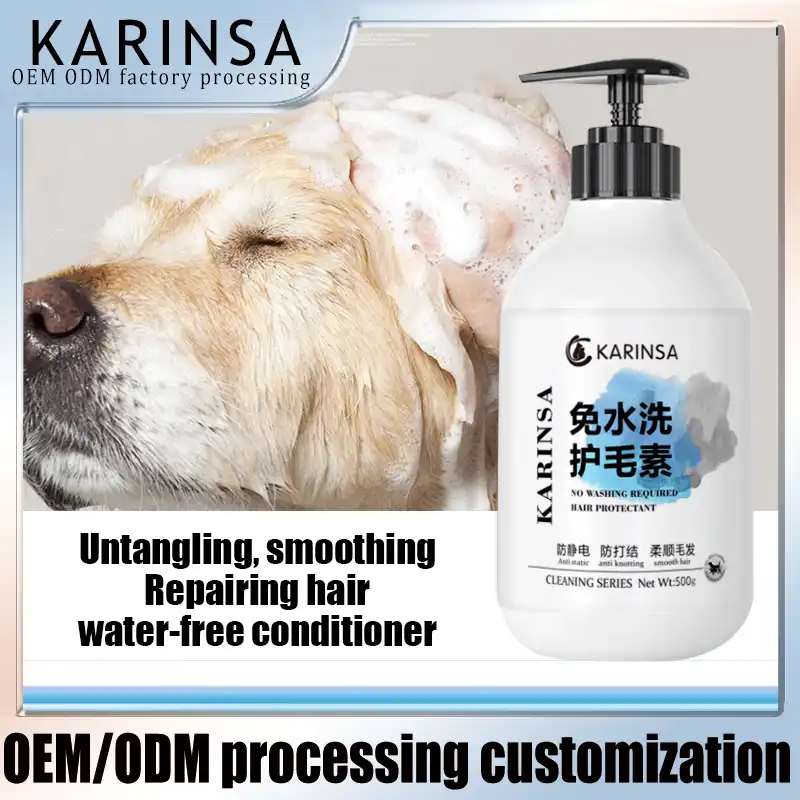
Shampoos for humans usually have a pH of around 5.5, which is too acidic for animal skin and damages the stratum corneum. This change shows up as flaking, redness, scratching too much, and more active microbes. Professional products take these differences into account by using amphoteric surfactants, which clean well without causing water loss through the skin's surface. Our Pet Hair Coat Shampoo stays in the pH range of 6.5 to 7.5, which is scientifically proven to be healthy for skin bacteria balance and natural sebum production.
Identifying When Specialized Care Becomes Necessary
It's clear that cleaning methods need to be changed when the hair looks dull, smells bad, sheds a lot, or gets irritated in certain areas. When grooming salons and pet offices know about these signs, they can make effective suggestions that stop skin conditions from getting worse. Formulations with known active ingredients, such as avocado extract and lecithin, should be given top priority by procurement teams. These ingredients work deep into the hair shaft to fix structural damage caused by external stress and mechanical brushing.
The Science Behind Formulations That Work
Botanical extracts that are high in important fatty acids Pet Hair Coat Shampoo and emollients are used in more advanced care products. Compounds from avocados bring oleic acid and vitamins A, D, and E straight to hair follicles. This strengthens keratin bonds and stops split ends. Lecithin is a natural emulsifier that makes it easier for ingredients to mix and forms a barrier that keeps wetness in. When mixed with olive oil, which is high in squalene and linoleic acid, these ingredients work together to make a conditioner that moisturizes without making the coat greasy and helps it stay strong over time. These ingredients are in pharmaceutical-grade amounts in our recipe, which has been proven by more than 20 years of biotechnology study.
Core Benefits of Using Pet Hair Coat Shampoo for Your Clients' Pets
The needs of modern pet care go beyond just keeping the pet clean; they also include healing and preventative health effects. When stores and distributors stock scientifically-made goods, they place themselves as trusted experts instead of just sellers.
Enhanced Coat Quality and Visual Appeal
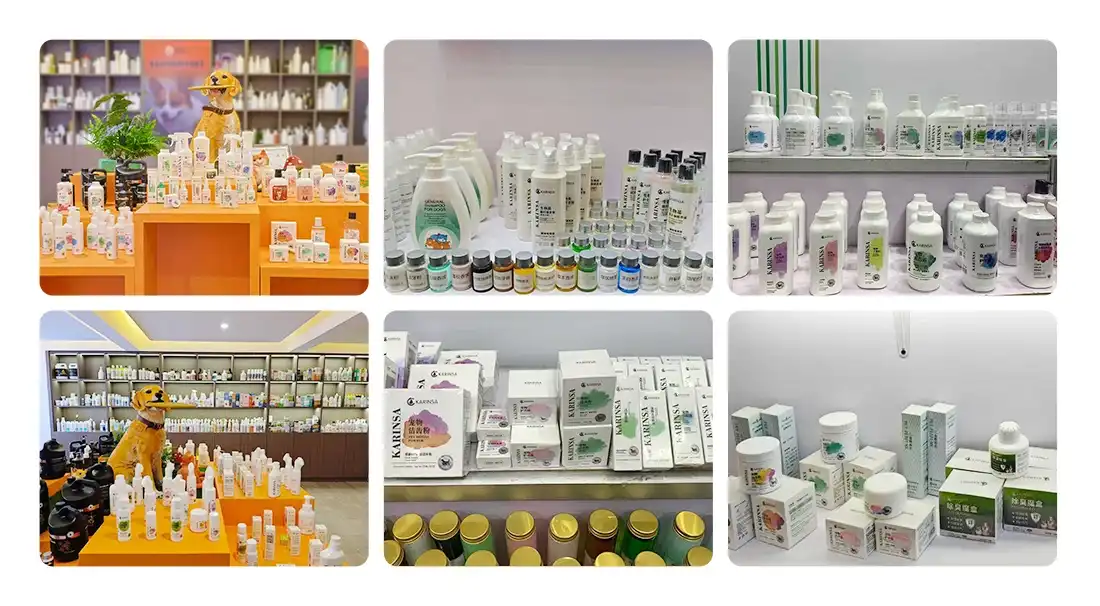
Professional grooming salons say that things got a lot better after Pet Hair Coat Shampoo they switched to specialized formulas. Adding natural surfactants makes a thick, steady foam that pulls dirt and oil without breaking them down mechanically. The cuticle layer is protected by this gentle action, which makes the nail shine and reflect light better. Specific ingredient profiles help pets with double coats, wire textures, or color-specific needs. For example, brightening agents help white breeds, conditioners help wire-haired terriers, and volume boosters help competition animals.
Dermatological Health and Comfort
Antibacterial qualities that come from plants help with common skin problems without the roughness of pharmaceuticals. Oil-balancing chemicals control the activity of sebaceous glands, which lowers both the greasy feeling that comes from too much production and the flaking that comes from being dry. For cats that are prone to atopic dermatitis or contact allergies, hypoallergenic formulas keep the cleaning power while reducing immune responses. Our natural fruity smell comes from essential oil blends instead of manufactured masking agents. This means that the scents are nice and won't bother animals that are sensitive to chemicals.
Time Efficiency and Professional Performance
Professional grooming shops that have to work quickly need tools that work quickly and reliably. The quick rinse-out qualities of our mixture cut down on water use and drying time by 30% compared to other options. For high-volume operations, the concentrated recipe can handle dilution rates of up to 32:1. This lowers the cost per bath while keeping performance constant. This speed means that more work gets done every day without lowering quality standards, which is very important for B2B clients who are trying to keep their business margins low.
Breed-Specific and Therapeutic Applications
Grooming procedures are being used more and more in veterinary dermatology offices to help treat diseases like Malassezia overgrowth, seborrheic dermatitis, and allergic pruritus. Medical-grade formulas must be able to stay on the skin for longer periods of time (5–10 minutes) without irritating or hurting it. Because our formula is pH-balanced, it can be used for therapeutic purposes without making discomfort worse. This means it can be used for both preventative maintenance and clinical intervention. If you store it properly, the product will stay stable for 24 months, which is great for practices that need to keep an eye on their stock.
Key Procurement Considerations for B2B Buyers

To choose the best source relationship, you need to look at more than just unit price. Good procurement plans find a mix between how well the product works, how well it meets Pet Hair Coat Shampoo regulations, how reliable the logistics are, and how much it can be customized.
Quality Certifications and Compliance Standards
Manufacturers with a good reputation have quality control systems that are written down and checked against international standards. Having CE and FDA approvals means that the formulating, production, and packing follow safety rules. Our 100,000-level cleanroom has food-grade batch processing tools and reverse osmosis water purifying, so we can make sure that the products we make are of pharmacy quality. Each production run goes through several stages of testing that are recorded on Certificates of Analysis (COA) and Material Safety Data Sheets (MSDS). This is necessary for markets like the European Union and the United States that have strict rules about what can be imported.
Supplier Evaluation Framework
For relationships to last, operations must be clear and service must be consistent. Key evaluation factors include production capacity (we keep more than 100 committed staff), the security of obtaining raw materials, and the procedures for handling crises. Suppliers who have been making things for 20 years or more have shown that they can adapt to changes in the market and in regulations. Geographical export success, especially in mature markets like North America, Japan, and Russia, proves that the product is good and that the company knows how to follow the rules. By verifying these certificates, buyers are protected from problems in the supply chain and fines from the government.
Flexible Ordering and Customization Services
New names and well-known distributors need different amounts of product. Our 500-bottle minimum order number works for small stores that are trying out new lines of products, and our 4L bulk sizes are perfect for grooming chains that need to order a lot of bottles. OEM and ODM can change the recipe (by changing the viscosity, fragrance strength, or percentage of active ingredients), customize the package (with bilingual labels, gift sets, or eco-friendly materials), and put their own name on the products. This gives sellers the freedom to make their products stand out without having to spend money Pet Hair Coat Shampoo on separate R&D infrastructure. Rapid prototyping (usually provided within 7–15 days) and the ability to get samples make it easier to test the market before making big promises.
Logistical Efficiency and Global Reach
The success of international trade depends on having an effective shipping system and knowing how to deal with customs. We work with big freight companies to offer transportation by air, sea, train, and express, all at low rates based on volume deals. Standard items are sent out within 24 to 48 hours of proof of the order, while personalized items are made according to set schedules that are explained in advance. Professional export packing and real-time tracking systems keep damage in transit and delivery doubt to a minimum. Because we have experience with regulatory paperwork from Asia, Europe, the Americas, Africa, and the Middle East, we can speed up customs clearing and cut down on delays that affect how quickly stores can restock.
Best Practices for Using Pet Hair Coat Shampoo to Maximize Benefits
If expensive products work as well as they could, it depends on how well they are applied. Teaching downstream customers the right way to use something makes them happier and more likely to buy it again.
Application Methodology for Optimal Results
To start, wet the coat completely with warm water to loosen the pores and make it easier for the ingredients to get into the coat. Depending on the size and thickness of the pet's coat, apply the product and use gentle circle motions to work it into a rich foam from the skin to the tips of the hair. The action of massaging improves circulation and makes sure that the pressure is spread evenly. Let the mixture stay on your hair for three to five minutes. This gives active ingredients like avocado extract and lecithin a chance to bond with hair fibers and fix structural damage. Rinse well until the water runs clear, because any product that is left behind can attract dirt and make you itch.
Frequency Guidelines by Coat Type
When to bathe depends on the breed, the pet's lifestyle, and how sensitive the skin is. Short-coated breeds that don't make much oil need to be washed once a month, while long-haired or water-loving breeds do better every two weeks. No matter how good the product is, over-washing removes protective oils, so tell your clients to think about their own needs instead of sticking to strict plans. Shampoos or cleaning wipes that don't contain water can keep you clean between baths.
Complementary Product Integration
Holistic cleaning routines include treatments that target specific areas as well as washing. When you use conditioner after shampooing, it adds extra moisturizers and detangling agents that make cleaning easier and prevent mechanical breaking. If your pet is exposed to fleas, switching between general cleaning formulas and parasiticide formulas will keep them clean and safe. But when you use cosmetic spot treatments, you need soap-free formulas because regular alkaline soaps remove these medicines from the skin's surface.
Monitoring and Adjusting Treatment Protocols
After giving their pets new products, owners should check the thickness of their fur, the state of their skin, and behavioral signs like how often their pets scratch. As the benefits of the ingredients build over time, most people notice improvements within two to three uses. If itchy skin happens, stop using it and get advice from a doctor. Professional groomers can make personalized product suggestions that build trust and loyalty with their clients by keeping records of how their clients respond to their products.
Future Directions and Trends in Pet Hair Coat Shampoo for B2B Markets
Pet care is a business that is always changing because of new technologies, customer tastes, and changes in the law. Buyers who think ahead and plan for these changes will have an edge over their competitors.
Sustainability and Clean Label Demands
Pet owners are looking more closely at ingredient lists with Pet Hair Coat Shampoo the same care that people use for their own personal care items. More and more people want products that don't contain parabens, sulfates, artificial dyes, or manufactured scents. Natural options made from coconut oil, plant oils, and herbal extracts are liked by people who care about the earth and work just as well. Our dedication to eco-friendly sources and biodegradable formulas sets partners up to take advantage of this growing market segment without losing effectiveness or shelf life.
Multifunctional and Condition-Specific Formulations
Researchers are trying to make goods that do more than one thing better by combining medical qualities like chlorhexidine to kill bacteria or ketoconazole to get rid of fungi. Targeted marketing and higher prices are possible with breed-specific products that deal with problems like wrinkled skin (Shar-Peis), white coats (Maltese, Bichon Frise), or thick undercoats (Huskies, Malamutes). Based on new market data and veterinary study, our R&D team is always coming up with new, customized versions.
Digital Procurement and Subscription Models
E-commerce platforms make it easier to place orders by automatically keeping track of supplies and using algorithms that predict when items will need to be restocked. Subscription services make sure that businesses with a lot of inventory always have what they need while keeping prices stable. These digital tools cut down on the costs of administration for distributors and big store chains and keep them from running out of stock during busy times. We can help you connect to the biggest B2B marketplaces and give you professional support for setting up your account on the site.
Regulatory Evolution and Market Access
Safety standards are still being standardized across international markets, but regional differences are still being kept. Dedicated compliance teams are needed to keep up with REACH rules in Europe, FDA rules in North America, and new rules in Southeast Asia and Latin America. Our regulatory support services, which include ingredient lists, test results, and translated package paperwork, make it easier for new sellers to get into new markets and cut down on the time it takes to get approval.
Conclusion
Choosing the right grooming formulas is a business choice that affects long-term profits, customer happiness, and the image of the brand. Pet Hair Coat Shampoo, which was made after a lot of scientific study, makes the hair healthier, the skin better, and cleaning easier. Our more than 20 years of experience in biotechnology, pharmaceutical-grade production standards, and wide range of customization options help B2B partners get reliable, legal goods that meet the needs of a wide range of markets. Our flexible order minimums and global transportation systems help businesses of all sizes grow, whether they're small pet stores, professional grooming salons, veterinary clinics, or big retail chains.
FAQ
1. Can human shampoo substitute for specialized pet formulations?
Human goods keep their pH levels around 5.5, which is best for human skin. Putting these on pets throws off their neutral pH balance (6.5–7.5), which weakens the skin's protection against illness and makes it easier for bacteria and fungi to grow. Additionally, formulations made for humans often have scents and ingredients that make animals allergic. Specialized cleaning products are made to work well with an animal's body, so they clean safely and effectively without any side effects.
2. How does concentrated formula impact cost efficiency?
Concentrates made for professionals can be diluted up to 50:1, which means that one liter can make 50 liters of usable fluid. Compared to ready-to-use mixtures, this makes the cost per bath much lower. For places with a lot of customers, like grooming salons or veterinary offices, concentrated goods keep working the same way at all concentrations, so they don't need to store as much inventory or pay as much to ship it. For best results, use the right measuring tools to make sure the mixing is done correctly.
3. What makes natural ingredients effective beyond marketing appeal?
Avenanthramides are found in plant products like colloidal oatmeal that have been shown to reduce inflammation and itching. Avocado extract has vitamins and vital fatty acids that improve hair at the molecular level. The squalene in olive oil acts like natural skin lipids, which helps keep wetness in the skin without closing pores. The safety and effectiveness of these chemicals are tested, and the results are written down in formulation patents and scientific journals. This sets them apart from other "natural" products that are sold in stores.
Partner with Pet Autra for Superior Grooming Solutions
Pet Autra offers cleaning products that are safe enough for pets to use, backed by 20 years of genetic innovation and global market success. As a reliable Pet Hair Coat Shampoo manufacturer, we use scientific precision and flexible customization to meet your exact needs, whether you need 4L bulk numbers or branded private-label goods with custom scents and packaging. New brands can buy as few as 500 bottles, and we can also make enough for established sellers in the medical, grooming, and retail channels. Our 100,000-level cleanroom building puts every formulation through a lot of tests. This is how we get CE and FDA certifications that make foreign compliance easier. Email our team at wobel@shampoopet.com to talk about your specific needs, get product samples, or look into OEM/ODM relationship possibilities that will put your brand at the top of the professional pet care industry.
References
1. Miller, W.H., Griffin, C.E., Campbell, K.L. (2013). Muller and Kirk's Small Animal Dermatology, 7th Edition. Elsevier Health Sciences.
2. Nuttal, T., Harvey, R.G., McKeever, P.J. (2009). A Colour Handbook of Skin Diseases of the Dog and Cat, 2nd Edition. Manson Publishing.
3. Scarampella, F., Zanna, G., Peano, A., Fabbri, E., Tosti, A. (2005). Dermoscopic Features of Canine and Feline Dermatophytosis. Veterinary Dermatology, Volume 16, Issue 5.
4. Logas, D., Kunkle, G.A. (1994). Double-Blinded Crossover Study with Marine Oil Supplementation in Dogs. Veterinary Dermatology, Volume 5, Issue 3.
5. Patel, A., Forsythe, P. (2011). Small Animal Dermatology: A Practical Guide to the Diagnosis and Management of Skin Diseases in Dogs and Cats. Saunders Ltd.
6. Scott, D.W., Miller, W.H., Griffin, C.E. (2001). Small Animal Dermatology, 6th Edition. W.B. Saunders Company.

Send Inquiry
You may like