
Best Ear Cleaner Pet for Cats With Itchy Ears
Procurement pros must strike a balance between product effectiveness, safety, and market demand when looking for the best ear cleaner pet for cats with itchy ears. Without hurting cats' sensitive ear tubes, an efficient ear cleaner pet product gets rid of mites, breaks up wax buildup, and reduces pain. This detailed guide looks at the medical reasons behind ear pain, as well as ingredient standards, sourcing strategies, and seller evaluation criteria. Its purpose is to help distributors, veterinary clinics, grooming salons, and retail chains across the United States make smart purchasing decisions.
Understanding Ear Problems in Cats with Itchy Ears
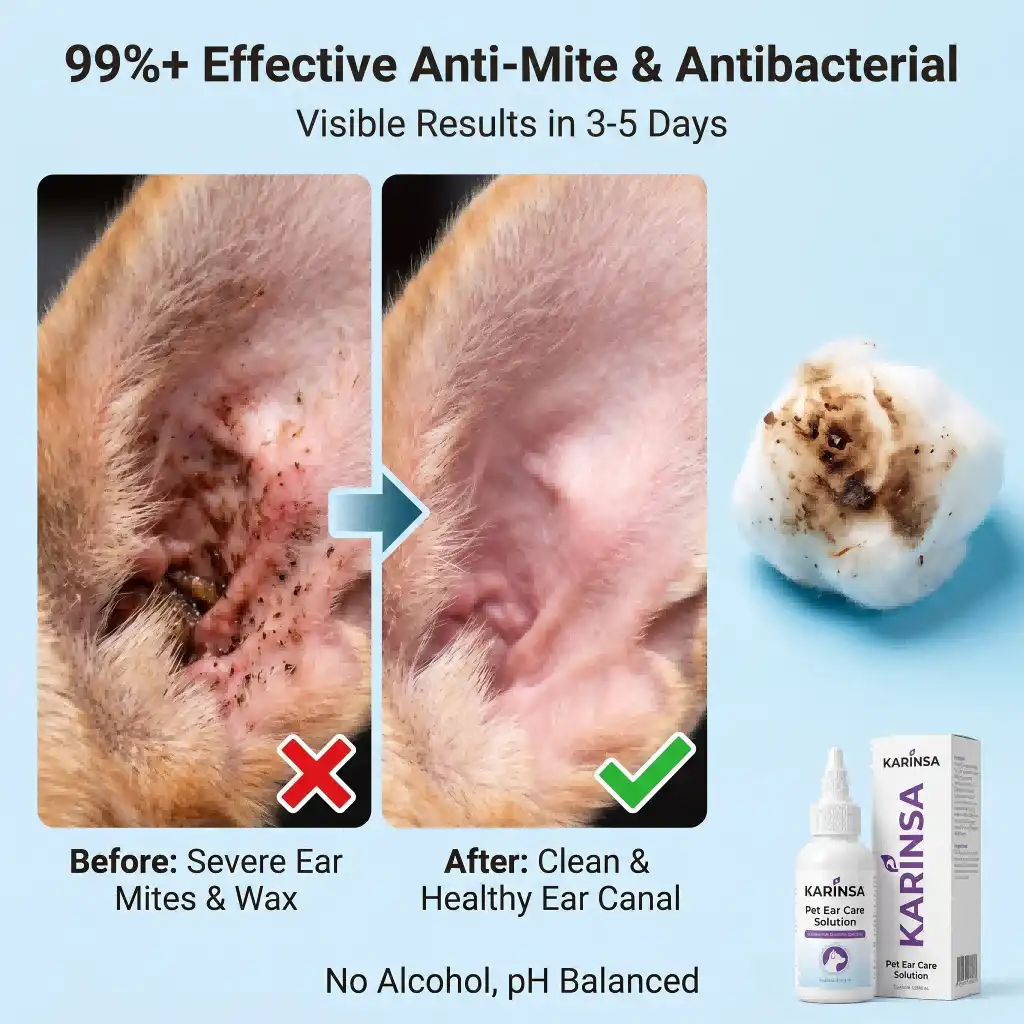
There are numerous major causes of cat ear discomfort that need particular treatments. When procurement teams consider these aspects, they may purchase clinically and customer-friendly products.
Common Causes of Itchy Ears in Cats
Cats, particularly young ones and those with other pets, itch most from ear mites. These microscopic parasites feed on ear canal tissue and create black, coffee-ground excrement that makes you itch. Too much ear canal dampness allows microorganisms to thrive fast, causing bacterial and yeast infections. Ear discomfort and excessive wax production indicate allergies to pollen, dust mites, or food. Small ear tubes or ear hair make cats more vulnerable to take up dirt and suffer infections.
When to Use Cleaners vs. Veterinary Care
Knowing the difference between cleaning and medical care helps you choose a product. Regular ear cleaner pet solutions work for healthy cats and little wax accumulation. Veterinary assistance is required for symptoms such as foul odor, red discharge, swelling, head tilting, or pain-related behavior changes. Antimicrobial products may supplement therapy, but they shouldn't replace expert examination. Teaching salespeople and sellers to distinguish these phrases reduces their chance of being sued and builds consumer confidence.
Key Ingredients and Features to Look for in Pet Ear Cleaners
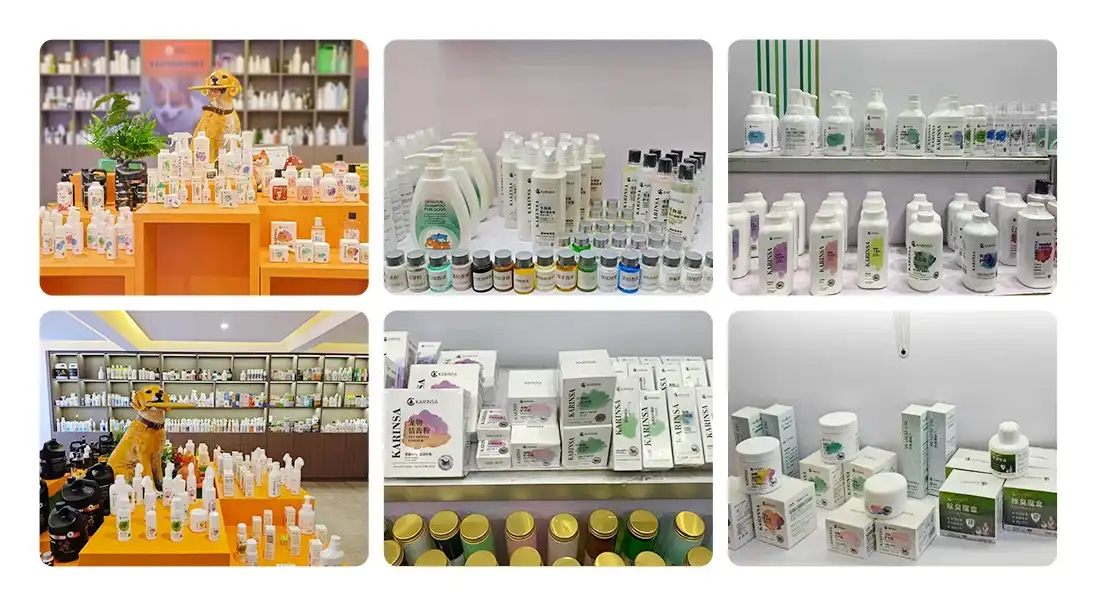
The choice of ingredients affects both the safety rating and the cleaning efficiency of a product, which has a direct effect on how well it works in a variety of situations.
Natural vs. Chemical Formulations
Gentle cleaning makes plant-based ingredients suitable for delicate skin. Anti-inflammatory properties of aloe vera reduce redness and help tissues repair. Hamamelis virginiana, or witch hazel, is a natural antibacterial that helps tighten pores and manage dampness without drying. Sophora flavescens kills bacteria and maintains cat ear canal pH. Boric acid and salicylic acid destroy bacteria better but may harm injured tissue. Surfactants break down waxy layers, but their concentration must be managed to avoid drying skin.
Therapeutic Properties for Problem Ears
Advanced formulations address particular health issues with customized ingredient mixes. Antimicrobials like chlorhexidine destroy bacteria without making them antibiotic-resistant, making them beneficial for treating recurrent otitis. Anti-inflammatory drugs minimize pain and stiffness, making therapy simpler to maintain. Ceruminolytic medications break down wax that prevents medicines from functioning, improving treatment. Clinically proven insect and germ killers with over 99% effectiveness rates are recommended by veterinarians. Tissue mending pieces aid the body's natural repair, speeding recuperation and improving conditions.
How to Choose the Best Ear Cleaner for Cats with Itchy Ears
Systematic review systems make it easier to choose the right product for different types of customers, and procurement goals.
B2B Procurement Criteria
Product review starts with safety profiles that are checked by veterinary tests, and follows the rules. Having CE and FDA certifications shows that the product meets the quality standards that are needed in professional settings. Cleaning effectiveness proven by clinical tests gives us a way to compare and measure performance. Transparency about ingredients through full exposure and MSDS paperwork helps with regulatory compliance in all areas. Different types of businesses, from online stores to animal hospitals, can use different types of packaging, from single-sale bottles to large gallons. A shelf life of up to 24 months in normal storage makes supplies more flexible and cuts down on waste.
Supplier Reliability Assessment
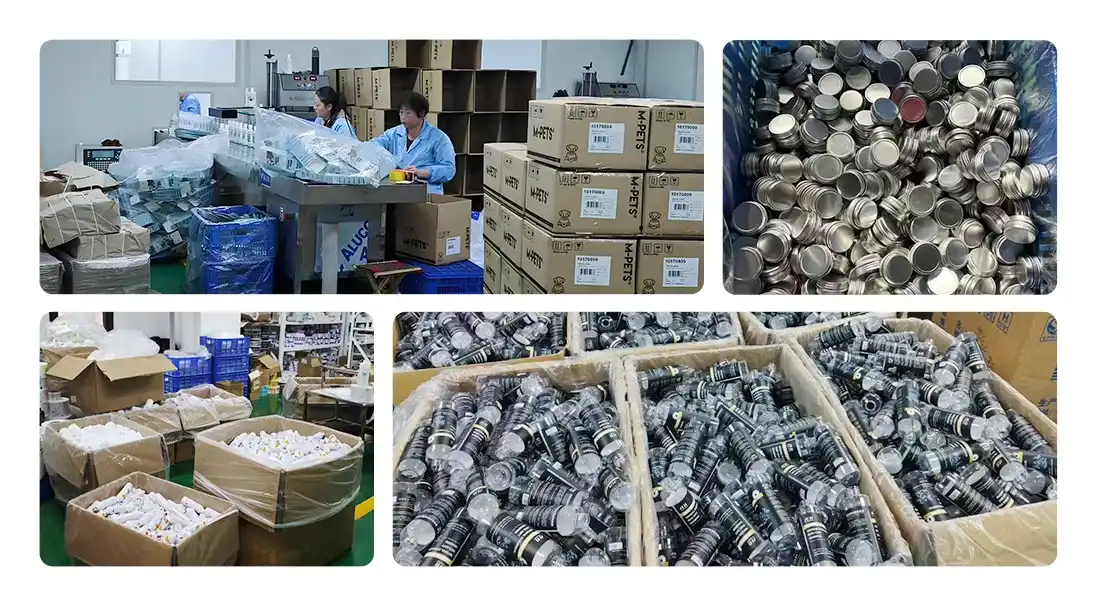
Manufacturing sites that are GMP-certified and ISO 9001 quality systems make sure that the standards of each batch of ear cleaner pet products are the same. Scalable agreements are possible because of the ability to produce both small test orders and large orders. Urgent buying needs can be met quickly by keeping inventory levels high and production processes between 7 and 15 days. Brand differentiation tactics are helped by customization services that offer formula changes, private labeling, and international packaging. Customs problems can be avoided by having knowledge of export paperwork like COAs, ingredient lists, and country-specific rules. A company that has been making things for more than 20 years has better methods and quality control systems than companies that have just started out.
Effective Ear Cleaning Process and Best Practices for Cats
The right way to use a product makes it work better while causing animals and people less stress.
Step-by-Step Cleaning Protocol
For example, the cotton balls or gauze pads, and treats for positive feedback need to be gathered before the party. By putting the cat in a cozy spot with good lighting, the ear canal can be seen clearly. To use it, first gently pull the ear flap up to clear the canal. Then, put in the suggested number of drops. For 20 to 30 seconds, massage the base of the ear to get the fluid into the canal and loosen any dirt that is there. Let the cat shake its head. This will naturally get rid of the broken wax and extra fluid. Wipe the outside of the ear and the exposed canal with tissue to get rid of discharge. Never put swabs deep into the canal.
Cleaning Frequency Guidelines
Maintenance cleaning once a week is good for healthy cats because it stops wax buildup and bad smells from developing. Cats that have ear problems because of their breed or allergies need to have their ears cleaned twice a week during flare-up times. People who are more likely to get moisture-related illnesses should clean up right away after swimming or washing. As part of active treatment for infections, daily cleaning according to medical standards helps the medicine work better. Over-cleansing breaks down the body's natural defenses, so sticking to the recommended frequencies keeps the ears healthy without irritating them.
Market Insights & Procurement Channels for Pet Ear Cleaners
Understanding how markets work and how to source goods helps you make better choices about what to buy and how to place yourself in the market.
Current Market Trends
As people become more health aware and humanize their pets, the demand for organic and hypoallergenic ear cleaner pet products keeps growing. The market for ear cleaner pet products in the US has been growing steadily. Ear care is a big part of this growth because more people are learning about how to stay healthy. Distribution is mostly done through e-commerce sites, but professional-grade products are still sold in veterinary clinics and boutique pet shops. Pet owners who are busy are increasingly interested in subscription models that offer automatic replenishment. This opens the door for ongoing income streams.
Sourcing Strategy Development
Direct ties with manufacturers offer cost savings and customization options that you can't get from middlemen. With a minimum order quantity of 500 bottles, you can test the market without having to spend a lot of money. Multichannel strategies that use a mix of online platforms, retail relationships, and professional networks are the best way to get into new markets. Supply chain breakdowns are less likely to happen when there are sellers with export experience in more than one area. Value-added services like free shipping limits, product sampling programs, and help with marketing materials make relationships with suppliers stronger.
Pricing and Negotiation Considerations
Most volume discount arrangements start at orders of 1,000 units and get deeper at 5,000 and 10,000 units. Payment terms like "net-30" or "net-60" arrangements help known buyers better control their cash flow. Exclusive marketing deals in certain areas get better prices in exchange for promises to buy a lot. Private label deals often have different prices for different levels of tailoring and order regularity. Quality licenses and proof of regulatory compliance add value, which is why buyers who don't want to take risks should be willing to pay more.
Conclusion
There is a balance between clinical effectiveness, safety standards, and business feasibility when choosing the best ear cleaner pet products for cats with itchy ears. Natural cleaners with aloe vera, witch hazel, and plant antimicrobials are gentle but effective, and can be used for both regular upkeep and therapeutic purposes. To make a successful business-to-business purchase, you need to look at what the seller can do, such as their manufacturing licenses, customization services, shipping reliability, and knowledge of how to follow regulations. Product choices are based on what customers want, with market trends favoring organic ingredients and safe recipes. Following the right application guidelines and teaching staff will help the product work better and keep customers happy, which is good for the brand's image.
FAQ
1. Can the same ear cleaner be used for both dogs and cats?
Some products suggest anybody may use them, yet cat-specific ingredients function better with feline bodies. Cats' ears are more sensitive and need a different pH level than dogs'. Dog products may irritate cats' ear passages due to large concentrations. Universal solutions designed for sensitive species are safe for both, but species-specific formulae work best. Professional purchasers should carry both sorts to satisfy a broad variety of clients and minimize negative responses.
2. How do I know if an ear infection requires veterinary treatment?
See a vet if your cat has a bad smell that won't go away, blood or pus-containing discharge, visible swelling that blocks the ear canal, pain that makes the cat cry when the ear is touched, head tilting that suggests inner ear involvement, and symptoms that last longer than 48 hours after cleaning. Cleaners may fix minor issues, while antibiotics and antifungals treat major diseases. Teaching shop employees about these disparities speeds up treatment and develops trust.
3. Are natural ear cleaners as effective as chemical formulations?
Modern herbal products function as well as chemicals for mild cases and maintenance. Some Sophora flavescens-witch hazel mixes kill over 99% of common infections in the lab. While chemicals may work quicker in extreme situations, they might irritate the skin. The best option depends on the scenario. Natural choices are preferable for easily irritated cats and long-term maintenance, while chemical formulations are best for vet-supervised short-term treatments.
Partner with Pet Autra for Premium Ear Cleaner Pet Solutions
Pet Autra, run by Linyi Wobel Pet Supply Co., Ltd., offers pharmaceutical-grade ear cleaner pet products and has been in business for more than 20 years. Ideal for wholesalers, veterinary clinics, and grooming shops looking for dependable ear cleaner pet suppliers, our natural formulations, mixing aloe vera, witch hazel, and Sophora flavescens, kill over 99% of mites and germs while promoting tissue repair. We provide full OEM and ODM services, with a 500-bottle minimum order, recipes that can be changed, packaging that can be read in multiple languages, and production cycles that last between 7 and 15 days. Our GMP-certified facilities and automatic filling lines back up these services. Our export knowledge in the US, Europe, and Asia makes sure that customs processing goes smoothly and that all rules are followed. Find out how our flexible partnership models support your market growth with ear cleaner pet products for sale that meet the highest expert standards by contacting us at sales@shampoopet.com. You can also request samples and talk about volume prices.
References
1. Miller, W.H., Griffin, C.E., and Campbell, K.L. (2013). Muller and Kirk's Small Animal Dermatology, 7th Edition. Elsevier Health Sciences.
2. American Veterinary Medical Association. (2021). Ear Infections in Cats: Diagnosis and Treatment Protocols. AVMA Clinical Guidelines.
3. Veterinary Dermatology Journal. (2020). Comparative Efficacy of Natural vs. Synthetic Otic Preparations in Feline Otitis Externa Management. Volume 31, Issue 4.
4. Pet Industry Market Research. (2022). United States Pet Grooming Products Market Analysis and Growth Projections 2022-2027. Industry Report.
5. International Journal of Applied Research in Veterinary Medicine. (2019). Safety and Efficacy of Botanical Extracts in Companion Animal Ear Care Products. Volume 17, Number 2.
6. Journal of Feline Medicine and Surgery. (2021). Evidence-Based Approaches to Preventive Ear Care in Domestic Cats. Volume 23, Pages 892-904.

Send Inquiry
You may like