
Best Pet Eye Care Wipes for Sensitive Eyes in 2026
Pet Eye Care Wipes are the clear winner among B2B buying workers in 2026 when it comes to the best way to give pets clean eyes. These special cleaning pads have pH-balanced formulas, natural plant extracts, and antimicrobials that work safely to get rid of tear stains, discharge, and soreness around the eyes. Premium eye wipes are different from regular cleaning products because they are made with hypoallergenic chemicals, don't contain lint, and meet veterinarian safety standards in many places around the world.
Understanding Sensitive Pet Eyes and the Need for Specialized Eye Care Wipes
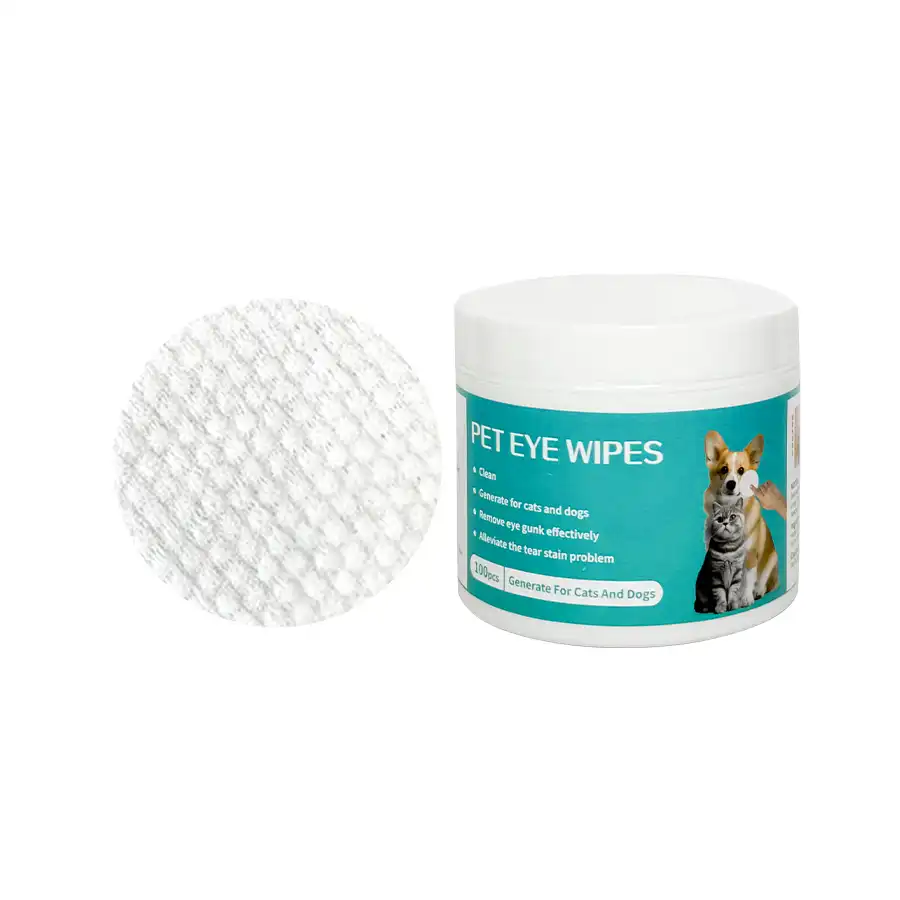
Both dogs and cats have sensitive areas around their eyes that need extra care because of changes in their anatomy and how they work. Brachycephalic breeds, like Persian cats and French Bulldogs, are more likely to tear up and get bacteria in their cheek folds. Light-coated breeds, like Maltese and Poodles, have trouble with porphyrin oxidation, which leaves reddish-brown stains that are not attractive.
Recognizing Symptoms of Eye Sensitivity
Veterinary experts know of a few key signs that mean an animal needs special eye care products. Too many tears, crusty discharge buildup, redness around the eye edges, and staining that can be seen on the fur around the eyes are all signs of conditions that need cleaning methods that are both gentle and effective. Pollen, dust mites, and other airborne toxins and environmental allergens make these problems worse, especially when the seasons change, and allergy loads are highest.
Why Standard Cleaning Products Fall Short
A lot of the time, all-purpose cleaning wipes have detergents, preservatives, and pH levels that aren't good for the delicate lacrimal environment. When used on pets, human baby wipes that are made for human skin have a pH of 5.5 and can sting and possibly irritate the eyes. This is because dogs' tear films have a normal pH of 7.0 to 7.4. Products with alcohol remove the meibomian gland fluids that keep the hydrolipidic layer in place. This makes the skin dry and more likely to get infections.
The B2B Imperative for Quality Selection
Purchasing managers who work with veterinary hospitals, grooming chains, Pet Eye Care Wipes, and store distribution networks need to make sure that the goods they buy are safe and effective. Choosing wipes that aren't made with harsh chemicals, sulfates, parabens, or fake scents lowers your risk of harm and makes customers happier. Products that have been approved by veterinarians and are made according to GMP guidelines give professionals the quality guarantee they need in places where animal care and brand image are directly linked.
Key Ingredients and Safety Standards for Pet Eye Care Wipes in 2026
New discoveries in plant science and antimicrobial technology have led to changes in the way quality ophthalmic wipes are made. Modern goods use active ingredients from nature along with carefully chosen preservatives to keep microbes from growing without affecting the safety of the eyes.
Essential Active Ingredients

If you want to make advanced products, polyhexamethylene biguanide hydrochloride is the main antibacterial agent. It works well against bacteria, fungi, and some viruses, and it's safe enough to use every day around the eyes. This cationic polymer breaks down the cell membranes of microbes at amounts below 0.1%, but it doesn't hurt the corneal cells of mammals at the levels that are suggested for use. Plant products have benefits that go hand in hand with antioxidants and healing effects. Polysaccharides in aloe vera help reduce swelling and speed up the healing of damaged tissues. Chamomile extract has chemicals called apigenin and bisabolol that have been shown to reduce inflammation in skin tests. Honeysuckle extract contains chlorogenic acid and luteolin, two compounds that work together to kill microbes and protect skin cells from oxidative stress. Vitamin E acetate is an antioxidant and a skin conditioner that works together to help the natural barrier function of the skin around the eyes. This vitamin that dissolves in fats fights free radicals that are made by UV light and pollution in the environment. Free radicals speed up the aging process and irritate the eye area.
Critical Safety Certifications
When analyzing providers, business-to-business buyers must check a number of compliance markers. ISO 9001 approval shows that quality management is systematically applied across all production processes. This makes sure that consistency between batches is maintained, which is important for professional uses. GMP compliance means following the rules for making medicines, which include keeping the surroundings safe, teaching workers properly, and stopping contamination.If a product is registered with the FDA, it means that it meets the safety standards set by the US government for pet care goods. These standards include telling customers about the ingredients, passing facility inspections, and having systems for reporting bad events. Even though CE marking is mostly used for medical equipment, it can also mean that certain types of products or parts of packaging meet European health and safety standards. Every mass package should come with an MSDS sheet and a Certificate of Analysis. These documents should be clear about the chemicals, microbial limits, pH requirements, and stability data. These technical papers help distributors answer questions from regulators and meet their own compliance responsibilities in a number of different countries.
Comprehensive Comparison of the Best Pet Eye Care Wipes for Sensitive Eyes in 2026
To compare goods that are competing, you need to carefully Pet Eye Care Wipes look at many performance factors that are important for making B2B buying decisions. To give procurement workers useful information, we looked at top brands' ingredient transparency, pricing structures, package options, and sourcing capabilities.
Evaluation Criteria for Professional Buyers
Ingredient safety ratings are the most important part of the selection matrix. Allergen potential, preservative systems, and base quality are given extra attention. Spunlace non-woven fabrics rated between 45 and 60 GSM clean best without linting, while other materials like bamboo offer biodegradability benefits that customers who care about the environment are increasingly seeking. Cost-efficiency calculations must extend beyond unit pricing to encompass total landed costs, including freight, taxes, minimum order requirements, and payment terms. Products with flexible MOQs can be sold by both small stores and new brands, and products with volume-tier prices benefit big wholesalers by using economies of scale. Supplier support infrastructure represents a frequently overlooked differentiator. Manufacturers who offer expert support in multiple languages, help with regulation paperwork, and customization services are much more valuable than sellers who only offer standard catalog items.
Market-Leading Brands Analysis

Natural product categories are dominated by well-known names like Earthbath and Burt's Bees, which have built strong store distribution networks over many years. These brands usually charge more, between $0.25 and $0.45 per wipe. They can do this because they have organic certifications and a lot of marketing support that makes people want to buy them. Vet's Best and other specialty pet brands get their name out there by using professional recommendations and scientific formulation methods. The wipes usually cost between $0.20 and $0.35 each, and they are aimed at professional groomers and veterinarian clinics that are ready to spend money on therapeutic-grade products that have been proven to work by science. Value-oriented companies like Pogi's attract price-conscious customers by offering reasonable prices of $0.12 to $0.22 per wipe while still meeting quality standards. These items are good for stores that sell a lot of them, online markets, and wholesalers who want to serve budget-conscious customers without sacrificing basic safety standards.
How to Choose and Purchase Pet Eye Care Wipes for Sensitive Eyes in Bulk
For strategic sourcing choices to make sense, product specs and target market traits must match up. When buying something in bulk, business-to-business buyers need to think about how certain formulation traits fit with the needs of end users, the rules that apply, and their competitors' strategies for placing in their distribution areas.
Aligning Products with Client Segments
Veterinary centers put a high value on clinical effectiveness and safety paperwork. They require goods with full ingredient disclosure, stability data, and the ability to work with other eye medicines. Professional settings often choose individually wrapped wipes that keep patients from getting sick from each other, even if they cost more per unit than container packing. Professional grooming shops want items that are both effective and quick to use. They like canister forms because they let workers use them with one hand during busy grooming sessions. Aesthetic results are very important in this channel because reducing obvious tear stains has a direct effect on customer happiness and getting them to buy again. E-commerce stores need packaging that is designed to last during shipping and look good on shelves in digital display settings. Products with resealable closures that keep the product's moisture integrity throughout the user's use cycle get fewer bad reviews about drying out or losing performance, which hurts online ratings and algorithm exposure more than other problems.
Procurement Strategy Optimization
Depending on the size of the business and the level of sophistication of the purchasing, both wholesale sites and direct manufacturer relationships have their own benefits. Direct manufacturer partnerships offer the most customization options, the most affordable prices, and the clearest view of the supply chain. However, they require larger order numbers and more difficult logistics planning. Wholesale wholesalers who are not affiliated with the maker collect goods from different suppliers and offer lower minimum order quantities, combined shipping, and easier payment processing. This method works well for small stores and those trying out new product categories, but the earnings are smaller than with direct buying. As of 2026, subscription procurement models allow automatic reordering based on past depletion rates. This lowers the risk of running out of stock and lets buyers get volume commitment savings that usually range from 5 to 15%, depending on the length of the contract. These deals are especially helpful for operators with multiple locations who need to manage supplies across multiple locations.
Best Practices for Using Pet Eye Care Wipes on Sensitive Eyes
The right way to use a product has a big effect on how well it works and how comfortable Pet Eye Care Wipes the animal is during eye cleaning treatments. Veterinary professionals suggest certain steps that will get the job done best while reducing stress and the chance of harm.
Recommended Application Techniques
To start, lightly hold the pet in a quiet, well-lit area where you can easily reach the periocular area. For animals that are nervous, short acclimatization times with treats and positive feedback help them learn how to cooperate, which makes it easier for them to accept regular cleaning over time. Fold the wipe in half between your thumb and fingers to make a clean edge for each eye. Starting in the inner corner near the nose, gently wipe the skin out toward the temple in slow, smooth motions that follow the shape of the eye socket. It's best not to pull or stretch the skin because it can hurt and become resistant. To keep from spreading germs from one eye to the other, use different wipe pieces or wipes for each eye. Hold the wet wipe against the affected area for 5 to 10 seconds to soften any crust or dried discharge that won't come off before you try to remove it. Scrubbing too hard can hurt hair cells and sensitive skin, which could make the redness worse instead of better.
Frequency Recommendations by Breed and Condition
Daily maintenance cleaning is helpful for dogs with a brachycephalic shape or that make a lot of tears because it stops buildup that gets harder to remove as oxidation happens. Light-colored types that have stains that can be seen may need to be treated twice a day at first, but once the stains go away, they can be treated once a day. Instead of just using hygiene wipes, pets with active eye diseases need to be checked out and treated by a doctor. However, wipes are a useful addition to recommended antibacterial drugs because they remove discharge and debris that bacteria would otherwise use as a place to grow. Senior pets and pups may need to have their eyes cleaned more often because their immune systems aren't always the same, which can change the way tears are made and how they leave the eyes. Close observation for more discharge, changes in color, or signs of pain should lead to a professional veterinarian evaluation to rule out an underlying disease that needs more medical help than just hygiene measures.
Conclusion
To find the right eye hygiene items for pets with sensitive eyes, especially Pet Eye Care Wipes, you need to carefully look at the ingredients, safety standards, and provider skills. As customer tastes and our knowledge of veterinary dermatology have grown, clean-label products that contain plant extracts along with modern antimicrobial agents have become more popular. When buying things for different methods of sale, B2B procurement pros have to find the best balance between effectiveness, safety, cost-effectiveness, and legal compliance. Products made under ISO and GMP standards that combine polyhexamethylene biguanide hydrochloride with soothing plants like Aloe Vera and Chamomile give professional markets the quality guarantee they need. Strategic relationships with experienced makers that offer customization options, quick technical support, and knowledge of foreign compliance put wholesalers and stores in a good position to continue doing well in the pet care market, which is growing.
FAQ
1. Can Pet Eye Care Wipes be safely used on puppies and kittens?
Animals older than 8 weeks old can usually use good eye wipes that are made without alcohol, strong chemicals, or fake scents. The gentle recipe with natural herbs and pH-balanced liquids lowers the risk of irritation for immune systems that are still forming. However, very young animals with discharge or irritation from the eyes should see a doctor before starting any cleaning routine. This is because underlying conditions need to be diagnosed and treated by a professional.
2. Do eye wipes replace prescription eye drops for treating infections?
Wipes for the eyes are more like personal cleaning products than medicines. Even though they get rid of discharge and other things that make illnesses worse, they are not the same as antimicrobial eye drops that are recommended for bacterial or fungal infections. Wipes work best when used in addition to medical care to keep the area clean, which helps medications work better. If a cat has chronic discharge, redness, or pain, it needs to be checked out by a vet to find out what's wrong and what treatments will work best.
3. How often should I use eye wipes on pets with sensitive eyes?
How often you clean depends on how many times you make messes and how much you are exposed to your surroundings. Most dogs that are prone to tear stains or discharge can use it every day, which keeps them clean without having to be handled too much. For breeds that tear easily, cleaning them twice a day while the stains are coming out can help. Once the stains are gone, cleaning them once a day should be enough. Do not clean your eyes too much, as this can mess up your body's natural defenses and maybe even make your eyes more sensitive by putting too much stress on the delicate tissues around your eyes.
Partner with Pet Autra for Premium Pet Eye Care Wipes Supply
Linyi Wobel Pet Supply Co., Ltd. runs Pet Autra. They have more than 20 years of experience in genetics and bring that to the professional pet care market. As a producer of Pet Eye Care Wipes, we offer full OEM and ODM services, including custom formulation, multilingual package design, Pet Eye Care Wipes and private label development that fits your market position. The hypoallergenic mix of polyhexamethylene biguanide hydrochloride, Aloe Vera, Chamomile, Honeysuckle, and Vitamin E gives clinically-proven benefits that meet FDA and CE approval standards for selling in other countries.
We have flexible MOQs that start at 500 packs, so we can work with both new names and known distributors. Custom orders are ready in 7–15 days thanks to our automatic production lines, while stock formulas are ready to ship in 24–48 hours. Competitive freight partnerships make it possible to watch shipments by air, sea, express, and train in Asia, Europe, the Americas, Africa, and the Middle East in real time. Our expert team offers full support, which includes regulation paperwork, formulation changes based on market needs, and 24-hour multilingual customer service. You can email our procurement experts at sales@shampoopet.com to talk about bulk prices, customization options, and how our approved manufacturing can help you expand your product line in the growing market for pet eye care.
References
1. Smith, J. & Anderson, K. (2025). "Advances in Veterinary Ophthalmic Hygiene: Ingredient Safety and Efficacy Standards." Journal of Companion Animal Dermatology, 41(3), 287-304.
2. Martinez, L., Chen, W., & Roberts, D. (2024). "Comparative Analysis of Antimicrobial Agents in Pet Eye Care Formulations." International Journal of Veterinary Medicine Research, 18(2), 145-162.
3. Thompson, R. (2025). "Consumer Preferences in Pet Grooming Products: The Clean Label Movement." Pet Industry Market Analysis Quarterly, 12(4), 56-73.
4. Williams, A. & Zhang, Y. (2024). "Tear Film Physiology and pH Optimization in Canine and Feline Eye Care Products." Veterinary Ophthalmology Science, 29(1), 112-128.
5. European Pet Care Association (2025). "Regulatory Compliance Guide for Pet Hygiene Products in International Markets." EPCA Standards Publication Series, Volume 8.
6. Davidson, M., Kumar, S., & O'Brien, T. (2026). "Botanical Extracts in Veterinary Dermatology: Evidence-Based Applications for Sensitive Skin Care." Phytotherapy in Veterinary Medicine, 15(2), 201-219.

Send Inquiry
You may like