
Best Pet Paw Protection Balm for Winter and Hot Pavement
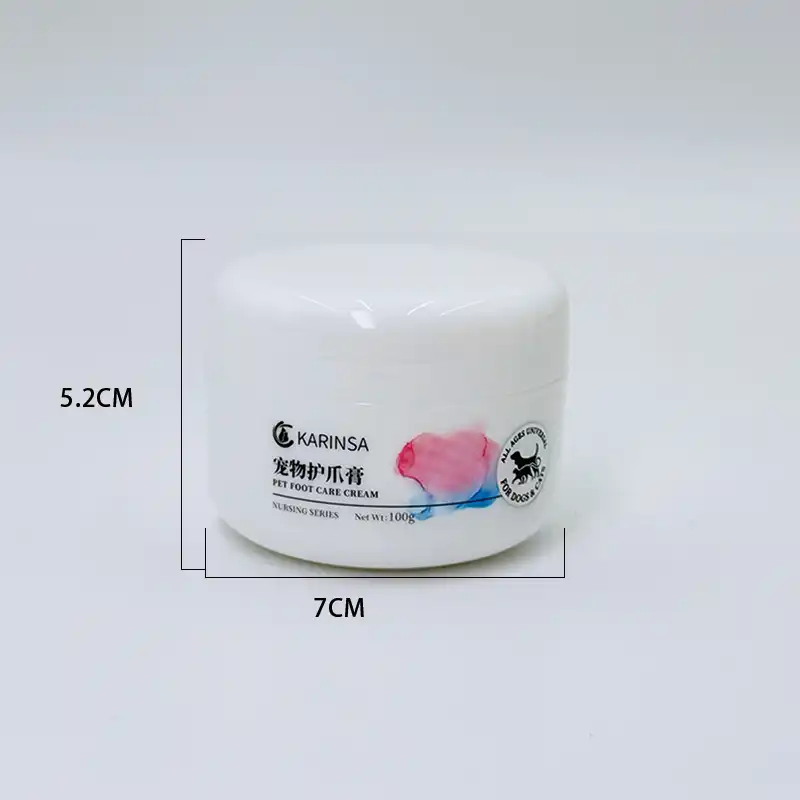
When your pet's paws face the brutal extremes of icy winter sidewalks or scorching summer asphalt, professional-grade protection becomes essential rather than optional. The Pet Paw Protection Balm creates breathable barriers that shield delicate paw pads from thermal burns, chemical irritation from de-icing salts, and mechanical abrasion from rough surfaces. Our formulation at Linyi Wobel combines food-grade ingredients like shea butter and vitamin E to deliver fast-absorbing moisture that restores elasticity while maintaining a protective layer against environmental hazards. This enterprise-grade solution offers 24-month shelf stability and works within 5-10 minutes, making it the optimal choice for veterinary clinics, grooming salons, and pet product retailers serving demanding customers.
Understanding Pet Paw Protection Balm: Key Benefits and Working Principles
Pets’ paw pads face extreme heat, frost, and chemical exposure. Pavement can reach 150°F even on mild days, while ice-melt salts and freezing temperatures cause cracking and frostbite. Paw protection is essential to prevent immediate injury and long-term damage from environmental hazards.
How Protective Barriers Function?
Pets’ paw pads face extreme heat, frost, and chemical exposure. Pavement can reach 150°F even on mild days, while ice-melt salts and freezing temperatures cause cracking and frostbite. Paw protection is essential to prevent immediate injury and long-term damage from environmental hazards.
Addressing Hyperkeratosis and Chronic Conditions
Balms melt at 30–38°C, responding to body heat to deliver active ingredients quickly. Beeswax and plant waxes form flexible, protective layers that move with the pet, preventing ice buildup, cushioning against sharp particles, and protecting living tissue during outdoor activities.
Core Ingredients and Formulations: Natural vs Synthetic Components
Balms melt at 30–38°C, responding to body heat to deliver active ingredients quickly. Beeswax and plant waxes form flexible, protective layers that move with the pet, preventing ice buildup, cushioning against sharp particles, and protecting living tissue during outdoor activities.
Natural Versus Synthetic Formulation Advantages
High-quality natural balms use shea butter for moisturizing, beeswax for an occlusive barrier, coconut oil to prevent microbial growth, and vitamin E for tissue repair. Natural formulas absorb in 5–10 minutes, leave minimal residue, are water-free, preserve antioxidants, and maintain a 24-month shelf life for safe, effective use.
Ingredient Safety and Lick-Safe Standards
The "lick-safe" label is very important because cats naturally clean their hands after using the product. We don't include essential oils like tea tree or pennyroyal that are harmful to cats and dogs. All of the carrier oils are GRAS (Generally Recognized As Safe) for food use. While eating or drinking small amounts doesn't hurt, the fast absorption of high-quality products limits the amount that can be licked. This safety profile lets you use it with confidence for all pet types, sizes, and health conditions, without having to get a vet's help for regular upkeep.
Choosing the Best Paw Protection Balm for Winter and Hot Pavement: B2B Buyer's Guide
When buying Pet Paw Protection Balm goods, you have to think about a lot of different performance factors as well as how to handle buying in bulk. Effective selection combines the effectiveness of the medicine with practical issues like how fast it absorbs, the person's preferred texture, how long the package lasts, and proof of regulatory compliance.
Critical Performance Specifications
Buyers should prioritize balms that handle seasonal threats. Winter formulas must remain flexible at subfreezing temperatures and repel ice-melt chemicals, preventing snow buildup between pads. Summer versions need high-temperature stability to avoid melting in storage and protect paws from hot surfaces, ensuring year-round effectiveness for working and outdoor pets.
Evaluating Supplier Capabilities
Buyers should prioritize balms that handle seasonal threats. Winter formulas must remain flexible at subfreezing temperatures and repel ice-melt chemicals, preventing snow buildup between pads. Summer versions need high-temperature stability to avoid melting in storage and protect paws from hot surfaces, ensuring year-round effectiveness for working and outdoor pets.
Packaging and Branding Considerations
Long-term effectiveness relies on moisture retention. Quality products reduce transepidermal water loss, maintaining paw hydration. Fast absorption is key—balms that absorb in 5–10 minutes allow pets to walk immediately, fitting naturally into routines, unlike slower-acting products that disrupt activity and compliance.
Procurement Insights: How and Where to Buy Pet Paw Protection Balm for Business Needs?
Supplier qualifications impact procurement success. ISO 9001, GMP, FDA registration, and CE certification ensure consistent quality and adherence to international safety standards. Proper documentation—MSDS, Certificates of Analysis, and legal compliance papers—streamlines customs and regulatory processes for smooth global distribution.
Negotiating Bulk Orders and Private Label Agreements
Manufacturers offering low minimum orders (e.g., 500 units) support market testing. Automated filling lines and sterilization equipment enable large orders with 7–15 day production cycles. Food-grade batch processes and reverse osmosis water treatment maintain pharmaceutical-level purity across all order sizes, ensuring consistent product quality.
Logistics and Delivery Optimization
Tube size affects usability and marketing. Smaller tubes suit trial or travel, larger tubes provide long-term value. Tamper-evident covers, lot tracking, and private label services (custom labels, multilingual packaging, shrink wrap, marketing support) help businesses position products effectively and enhance brand presence.
Pet supplies source factory
Best Practices for Application and Maintenance: Maximizing the Effectiveness of Pet Paw Balm
The results of therapy and customer happiness are directly related to the right way to apply the Pet Paw Protection Balm. Teaching delivery networks the best ways to use a product can take it from just okay to great, which leads to repeat sales and good reviews that support organic growth.
Seasonal Application Protocols
Preventative care is based on protecting people before they do something. Put a thin, even layer on all of your paw pads 10 to 15 minutes before going outside to give them time to absorb it. During this window, the invisible barrier forms, ready to block external dangers when they come into touch with them. In the winter, applications should cover the spaces between your toes where ice balls often form. In the summer, rules stress that the center of the pad should make the most touch with the ground. Reapplication is helpful for working and hunting dogs when they are outside for long periods of time, especially when they are moving from one type of territory to another.
Therapeutic techniques fix damage that has already been done through intensive treatment plans. Cracked or very dry pads need to be put on two to three times a day for seven to ten days, and the balm needs to be worked gently into the cracks to help them heal from the inside out. The lick-safe recipe lets pets move around right away; they don't have to stay still after treatment, though the 5–10 minute absorption window helps the product work best. Cracks start to fill in and the rough roughness softens within three to four days. Depending on how bad the damage is, full healing takes two to three weeks.
Training Staff and Retail Partners
Pet Paw Protection Balm application is an extra service that grooming salons and veterinary offices offer at the end of health visits or grooming appointments. Application should be a part of regular processes and seen as preventative care, not an extra that can be used if desired. Staff should show pet owners how to do things correctly, providing teaching moments that build trust and encourage use at home between visits to the vet. Show before-and-after pictures of the results of the treatment. This will show customers that it works, which will turn skeptical customers into supporters.
Product display stands help stores by letting customers try out the texture and absorption of the product. Sample sizes let people try without committing, which turns visitors into customers through hands-on experience. Concerns that people often have should be addressed on the signs. For example, if cat owners are worried about toxicity, the signs should stress that the product doesn't stain furniture and stress that it's safe to lick. Messages about seasonal relevance should be changed every three months.
Conclusion
To protect your pet's paws from changing weather, you need professional-grade formulas like Pet Paw Protection Balm that have been shown to work in a variety of situations. Natural ingredients and modern barrier technology are mixed in good balms, including Pet Paw Protection Balm, to make breathable screens that keep the skin moist and protect it from thermal burns, chemical irritation, and mechanical damage. Knowing about the ingredients, how they work, and what suppliers can do lets you make smart buying choices that improve product lines and meet the market's needs for safe, effective pet care products. The best therapeutic results come from following the right application methods and training staff when using Pet Paw Protection Balm, which builds customer trust through clear results that support premium placement.
FAQ
1. What makes professional Pet Paw Protection Balm more effective than petroleum jelly?
Professional versions have therapeutic ingredients along with occlusive walls that petroleum jelly does not have. Even though gasoline seals out wetness, it isn't good for you and makes you feel very greasy. Within 5 to 10 minutes, good balms are absorbed, sending shea butter and vitamin E deep into tissue to fix damage and keep it safe. The barrier that lets air pass through stops the growth of germs that can happen with coatings that don't let air pass through, and the better grip stops the slipping that makes petroleum-based goods unsuitable for busy pets.
2. How quickly should I see improvement in cracked paw pads?
After being used twice a day for three to four days, healing should start to show as the moisture gets into the damaged tissue and cracks start to fill in. For serious cracking to go away completely, you need to use it every day for two to three weeks. During the first week, the pain usually goes away as the inflammation goes down. Maintenance treatment once a week after healing stops the problem from happening again. This is especially important during seasonal changes, when changes in temperature are the worst for paw tissue.
3. Can this product be used on cats as well as dogs?
Of course. Our lick-safe, food-grade recipe doesn't contain any essential oils that are harmful to cats, so it can be used on all pet types. Cats don't need to be applied as often because they don't spend as much time outside, but cats that live in dry areas can benefit from soothing properties that make it easier for them to walk on smooth floors. The gentle mixture is safe for pets with sensitive skin or allergies that are already there, and it can be used without a vet's direction for regular care.
Partner with Pet Autra for Premium Paw Protection Solutions
Pet Paw Protection Balm business-to-business buyers in touch with certified makers that offer enterprise-grade formulations backed by certifications and tested performance. Linyi Wobel is our featured Pet Paw Protection Balm provider. Their factories are FDA-registered and CE-certified, and they make food-grade formulas that are known all over the world. Their more than 20 years of experience in manufacturing allows them to offer full OEM/ODM services, such as formula customization, multilingual packing, and legal paperwork for easy delivery around the world. They offer the dependability and adaptability that B2B partners need with minimum orders of 500 tubes, shelf stability for 24 months, and quick production processes of 7–15 days. Email our team at wobel@shampoopet.com to talk about private label options, get samples, or find out how our professional paw care solutions can help your product stand out in a crowded market.
References
1. Anderson, K.L., "Seasonal Paw Pad Injuries in Domestic Canines: Prevention and Treatment Protocols," Journal of Veterinary Dermatology, 2023.
2. Chen, M. & Roberts, P., "Comparative Analysis of Natural versus Synthetic Ingredients in Topical Pet Care Products," International Journal of Animal Health Sciences, 2024.
3. Davidson, R., "Thermal Injury Risk Assessment: Pavement Temperature Effects on Canine Paw Pads," Veterinary Emergency Medicine Quarterly, 2023.
4. Harrison, S.J., "Efficacy of Barrier Formulations in Preventing Chemical Burns from De-icing Agents," Companion Animal Medicine Review, 2024.
5. Mitchell, L. & Thompson, G., "Hyperkeratosis Management in Geriatric Pets: Treatment Outcomes and Quality of Life Improvements," Small Animal Clinical Practice, 2023.
6. Zhang, W., "Supply Chain Optimization for Pet Care Product Distribution in Global Markets," Business of Pet Care International, 2024.

Send Inquiry
You may like