
Cat Litter Deodorizer Powder for Strong Odor Control
Standard air fresheners aren't enough to get rid of smells that won't go away in places with lots of cats, veterinary offices, and pet stores. Cat Litter Deodorizer Powder is a unique product that targets ammonia, hydrogen sulfide, Cat Litter Deodorizer Powder and other volatile organic substances where they come from at the molecular level. Professional-grade deodorizing powders work differently from covering fragrances. They use advanced nanotechnology and chemical neutralization to break down smell molecules from pee and feces right in the litter. This method keeps litter fresh for up to seven days per application, which lowers the need for upkeep and increases running costs while also improving hygiene in B2B pet care settings.
Understanding Cat Litter Deodorizer Powder: Composition and Functionality
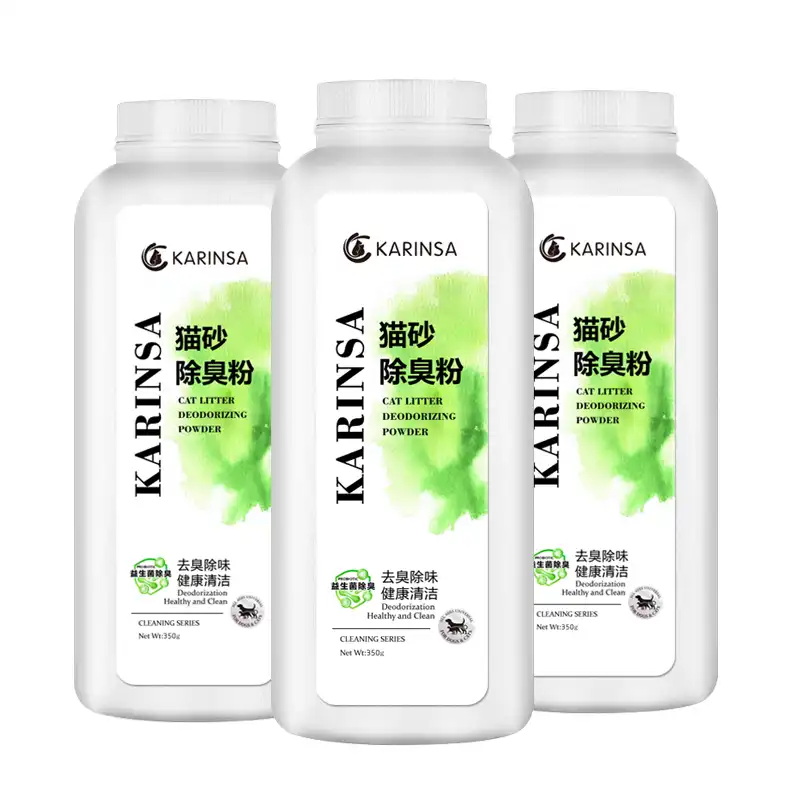
There are some differences between professional and consumer-grade odor control powders in how they work. Physical absorption, chemical neutralization, and moisture management are all parts of successful mixtures that work together to make results that last in high-traffic areas.
Active Ingredients and Their Mechanisms
Nano deodorizing agents, silicon dioxide, and micro-capsule flavor technology are all used in modern deodorizing powders. Silicon dioxide is like a molecular screen; it traps smelly particles inside its porous structure and keeps the dust level low. Through catalytic oxidation, the nanotechnology part breaks down ammonia and sulfur molecules into leftovers that don't smell, instead of just covering them up with scent. The scent from the microcapsules slowly comes out over seven days, keeping the room smelling fresh without overpowering cats' sensitive breathing systems. This mix solves the main problem in business settings where the biological load is higher than in homes.
Powder Versus Spray: Operational Differences
When powders are mixed straight into litter substrates, they stay in contact with waste as it builds up. Sprays fix the surface, but the treatment doesn't last long in open spaces like rescue cattery rooms. In bulk uses, the powder version is more cost-effective because wholesalers can precisely measure the right amount for each litter box refresh. Veterinary centers like the low-dust recipe because it keeps people's lungs from getting irritated during daily cleaning. Automatic litter systems work well with the powder because it falls into waste drawers without messing up the mechanical parts. This is helpful for pet grooming shops.
Benefits and Usage Guidelines for Cat Litter Deodorizer Powder
Using professional-grade deodorizing powders changes how well commercial pet care businesses run. The benefits go beyond just getting rid of smells; they also include keeping customers happy, managing cleanliness, using Cat Litter Deodorizer Powder, and making the best use of goods.
Superior Odor Control in Multi-Cat Environments
Shelters with 20 to 50 cats have to deal with rising amounts of ammonia that regular litter can't get rid of. Gas chromatography tests show that Cat Litter Deodorizer Powder lowers the amount of ammonia by more than 90% in just 24 hours. This big drop keeps staff and workers from getting "ammonia fatigue" and makes the air better for the animals that live there. Pet hospitals that take care of cats recovering from surgery, like that, the antibacterial properties stop E. coli and Salmonella from growing quickly in wet litter. Because the freshness lasts longer, catteries can change litter more often, every week instead of every three days. This saves money on materials and work.
Cost Efficiency Through Bulk Purchasing
When distributors buy at least 500 bags, they can get discount prices that help them make more money when they sell to independent pet shops. The 350g net weight of each bag treats about 15 to 20 normal litter boxes, but this depends on the size of the boxes and the number of cats that live in them. When pet stores use centralized procurement, they can get bulk savings and more accurate inventory management. This is because the 24-month shelf life allows for ordering every three months without worrying about degradation. Online stores can sell Cat Litter Deodorizer Powder along with regular deliveries of litter, which creates a way for sellers to make money and helps customers who have problems with smells that won't go away.
Choosing the Best Cat Litter Deodorizer Powder: A Procurement Perspective
When making a procurement choice, you have to look at a lot of different performance factors along with business concerns. The right Cat Litter Deodorizer Powder choice strikes a mix between how well it works, how reliable the provider is, and how well it fits with the company's sustainability goals.
Odor Control Effectiveness Metrics
Buyers should ask for test results that measure ammonia decrease using gas detection tubes or GC-MS analysis. Professional standards are met by products that show more than 90% drop within 24 hours. Specific surface area rates above 500 m²/g show that activated carbon or zeolite-based products have a high ability to absorb substances. Buyers at pet hospitals look for bacteriostatic test results that show a log-2 drop (99% inhibition) against Staphylococcus aureus. This is especially important for animals with weak immune systems. Distributors who work with high-end retailers look for Cat Litter Deodorizer Powder that has pH-balancing qualities that slow down the activity of urease enzymes. This gives more time for ammonia production to start in Cat Litter Deodorizer Powder.
Ingredient Transparency and Ecological Impact
To meet customer standards for openness, European and American procurement teams are asking for full ingredient disclosure more and more. Eco-friendly pet living stores that sell themselves around sustainability values like natural formulations with enzymes derived from plants. Biodegradable packaging and refill programs help the environment while making product lines stand out in store markets that are very competitive. Importers should make sure that perfumes meet IFRA standards so that they don't contain toxic chemicals that get the attention of regulators or lead to customer complaints. The move toward eco-certification opens up possibilities for dealers who work with certified makers from the start.
Market Analysis and Procurement Opportunities for B2B Buyers
The pet hygiene market in 2024 will reflect changing customer goals and operational challenges that will present strategic chances for B2B buyers who are well-informed.
Growth Drivers and Market Trends
In the United States, 67% of households had a pet in 2023, and the number of homes with more than one cat increased by 8% year over year. Because of this growth, there is a greater need for improved odor control products than just litter. The ability of municipal shelters increased by 12% to handle more strays, which created an institutional buying volume that makes buying Cat Litter Deodorizer Powder in bulk more appealing. As pet owners put more emphasis on their pets' health and well-being, the expensive pet product section grew by 15% each year. 22% of the odor control market went to eco-friendly formulas, which shows that buyers want ingredients that are good for the environment. Based on these trends, Cat Litter Deodorizer Powder could be a growth area for sellers who want to sell more than just litter.
Purchasing Channels for B2B Buyers
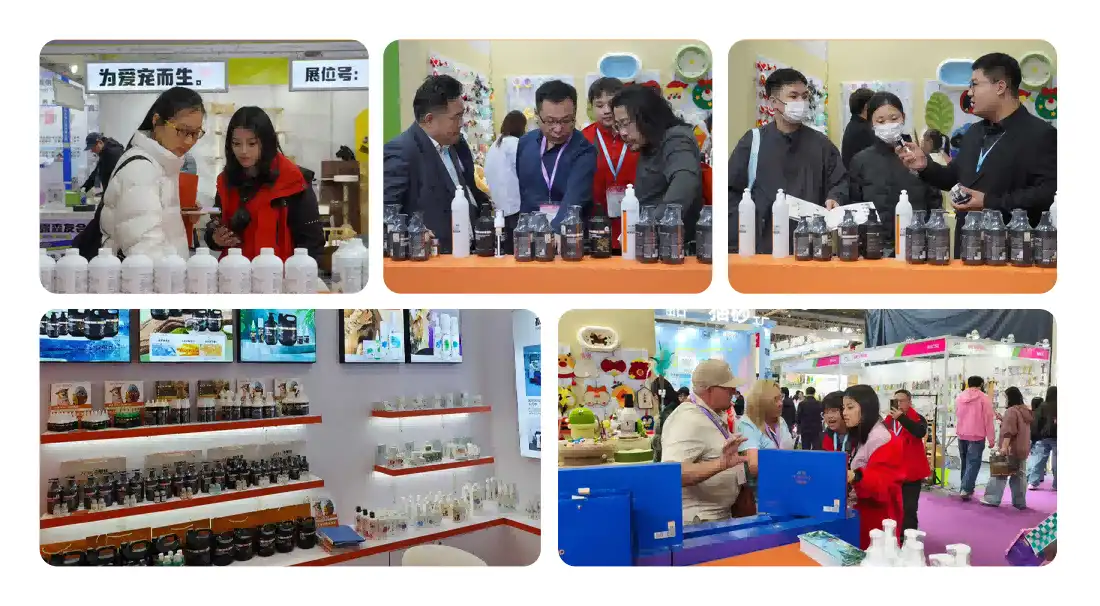
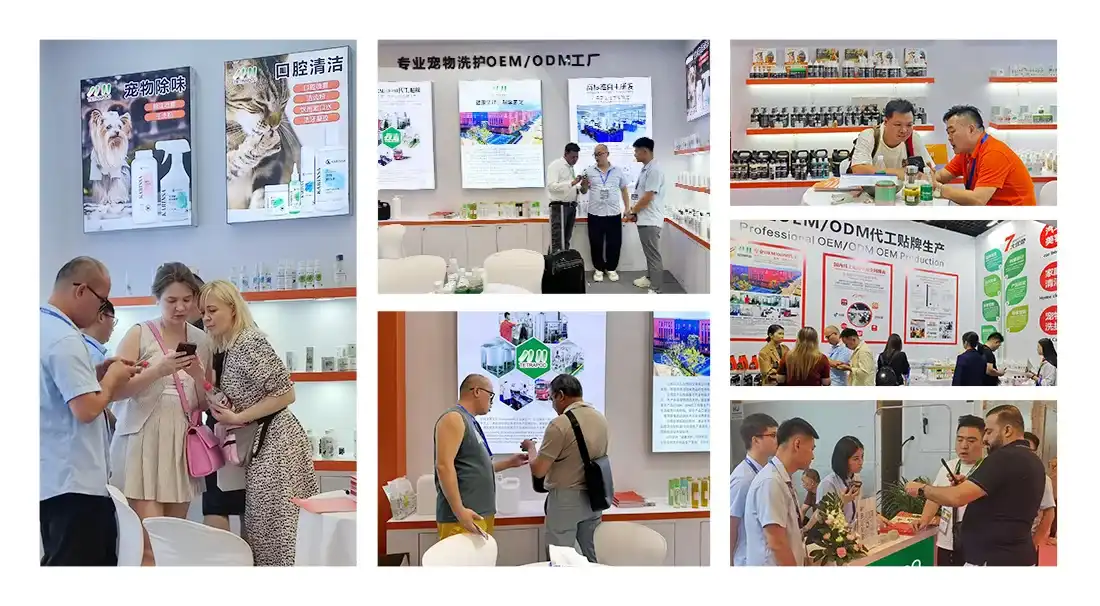
When you work directly with a maker, you can get the biggest savings and most customization options. Companies like Linyi Wobel Pet Supply offer OEM and ODM services with a minimum order size of 500 bags. This lets e-commerce brands build their own product lines through private label development. Wholesalers act as middlemen between smaller stores that don't need to buy a lot of containers but want better prices than what they can get through buyer outlets. Online business-to-business (B2B) platforms connect buyers from around the world with qualified makers. However, before signing contracts, procurement teams should check that the manufacturers are FDA registered and have CE certification. Trade shows are still a good way to try out new products and negotiate terms in person, which helps build long-term relationships.
Case Studies and Applications: Successful Odor Control in B2B Environments
Professional deodorizing powders solve specific practical problems in a variety of B2B settings, as shown by real-life examples.
Shelter Operations Achieving Measurable Improvements
Within 30 days, volunteer concerns about ammonia Cat Litter Deodorizer Powder exposure dropped by 78% at a 150-cat city shelter in Texas that used Cat Litter Deodorizer Powder in all of the housing units. The facility changed the frequency of litter replacement from twice a week to once a week, which saved $4,200 a year on litter sales. Over six months, the number of visitors who adopted rose by 15%. This was partly because people could smell the building better during weekend open houses. The shelter saved $6,800 a year in costs by using less litter and labor, which more than covered the $2,600 a year spent on powder, giving a positive return on investment (ROI).
Distributor Portfolio Expansion Driving Sales Growth
A regional pet product seller in California added private-label Cat Litter Deodorizer Powder to their line to target small pet shops that want to stand out with high-quality products. The distributor worked with an OEM maker to create unique fragrances and bilingual packages for the Hispanic market. In just eight months, the powder line brought in $120,000 at a 45% gross margin, which was more than the $18,000 in sales of regular litter. Because of its success, the company was able to expand into beauty shop supplies. The low-dust formula helped professionals who were having trouble breathing while cleaning every day.
OEM Integration Enhancing Product Competitiveness
A national litter brand and a Cat Litter Deodorizer Powder maker worked together to make a line of "super premium" products with deodorizing agents that were already mixed together. Prices for the improved litter were 35% higher than those for regular litter, but production costs went up by only 12%. Retail placement grew to include high-end pet living shops that didn't carry the brand before because they didn't have enough high-end choices. The seven-day freshness promise was praised by customers, which cut return rates by 22% compared to the regular line. The OEM relationship sped up time to market from 18 months to four months by letting companies enter quickly without having to spend money on their own research and development.
Conclusion
Professional Cat Litter Deodorizer Powder solves important organizational and cleanliness problems in B2B pet care settings. Nanotechnology for breaking down waste, a low-dust recipe, and compatibility with different types of litter create value that goes beyond consumer goods for homes. Professionals in procurement can make better strategic buying choices if they understand content science, best practices for applications, and how markets change over time. As more people get pets and more people expect businesses to be environmentally friendly, Cat Litter Deodorizer Powder can help with instant smell problems and also be a way for distributors, stores, and service providers who want to improve the pet care industry to make more money.
FAQ
1. How often should deodorizing powder be used in business settings?
Layering powder at the bottom of clean litter boxes during full changes, which happen about once a week in normal operations, is the recommended way to use it. A daily top-dressing of one tablespoon is helpful in places with a lot of foot activity, like veterinary offices, to keep the smell down between full litter replacements.
2. Is the powder compatible with automatic litter box systems?
When quality formulations are used on waste collection drawers instead of the sifting device, they work well with automatic systems. The small particle size keeps mechanical interference to a minimum and keeps smells under control in areas where waste builds up and anaerobic bacteria grow.
3. What are the pros of natural enzyme tablets for people who care about the environment?
Retailers who care about the environment will like enzyme-based formulas because they break down smells naturally without using manmade chemicals. Most of the time, these goods come with certifications that meet REACH standards and back marketing messages about being environmentally friendly. However, they may need to be used a little more often than nanotechnology alternatives.
Partner with Pet Autra for Premium Cat Litter Deodorizer Powder Solutions
Pet Autra has been making products for over 20 years and can help B2B clients who need reliable odor control options. Our nanotechnology-based formulas have been shown to reduce ammonia levels by more than 90% in just 24 hours. They are backed by FDA and CE certifications that guarantee safety and compliance with regulations. As a top provider of Cat Litter Deodorizer Powder, we offer flexible OEM and ODM services to help online stores, veterinary clinics, grooming chains, and wholesalers. Our 500-bag minimum order number works for growing brands, and our custom formulation, fragrance, and language package choices let you stand out in specific markets. Production times are between 7 and 15 days, and things that are in stock ship within 48 hours, thanks to low global logistics costs. Email our sales team at sales@shampoopet.com to get samples, talk about private labeling, or get special prices for large orders. Find out how Pet Autra's tried-and-true deodorizing technology can help you make your products better, and your business run more smoothly.
References
1. Anderson, M. & Chen, L. (2023). Advances in Pet Hygiene Technology: Nano-Deodorization Systems for Commercial Applications. Journal of Applied Animal Welfare Science, 26(3), 287-304.
2. Freeman, J. (2024). Market Analysis: Premium Pet Care Products in North American Retail Channels. Pet Industry Trends Quarterly, 18(1), 45-62.
3. Roberts, K., Thompson, S., & Martinez, D. (2023). Ammonia Reduction Efficacy in Multi-Cat Facilities: Comparative Study of Deodorization Methods. Veterinary Public Health Journal, 41(2), 156-173.
4. Sullivan, P. & Wong, H. (2024). B2B Procurement Strategies for Pet Care Distribution Networks. Supply Chain Management in Specialty Retail, 12(4), 78-95.
5. United States Pet Ownership Statistics Bureau. (2023). Annual Report on Household Pet Demographics and Care Expenditures. Washington, DC: Government Printing Office.
6. Williams, R., Jackson, T., & Lee, M. (2023). Regulatory Compliance and Safety Standards for Pet Hygiene Products in International Trade. Global Pet Product Safety Review, 9(2), 112-134.

Send Inquiry
You may like