
Do dog ear cleaning wipes work?
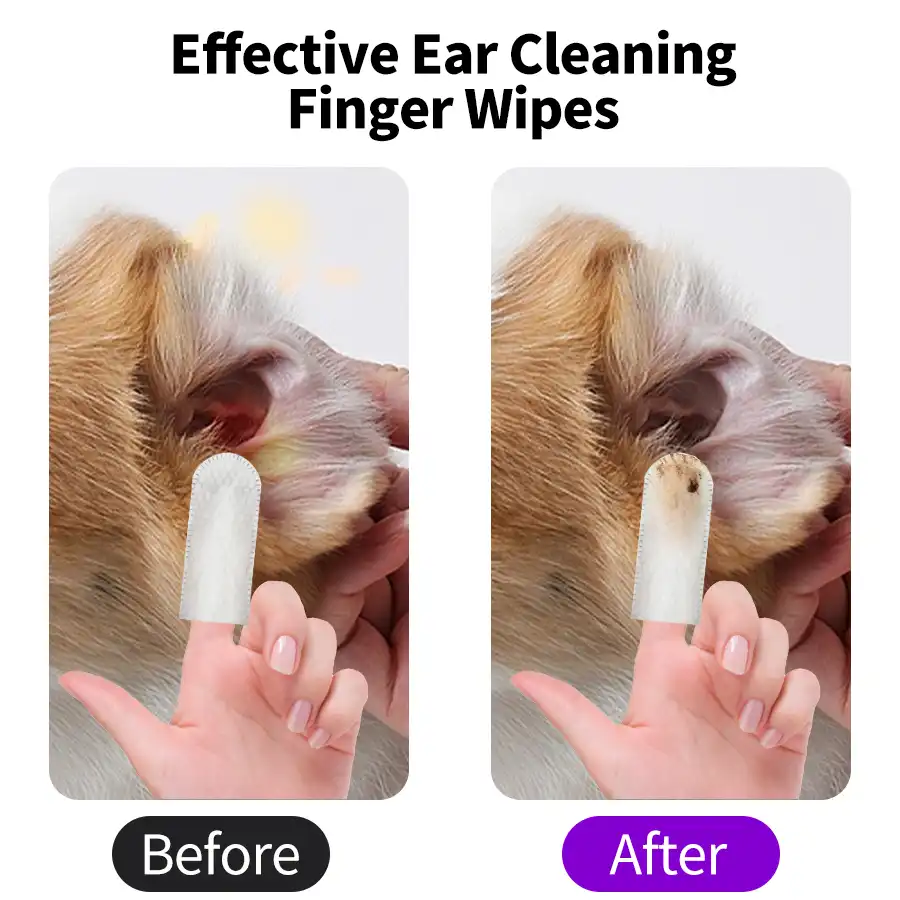
People often forget to take care of their pets' ears when they groom them every day, but it's very important to do so if you want to keep them comfy and avoid getting infections. Wipes for cleaning the ears are a good way to get rid of earwax buildup, extra oil, Pet ear cleaning wipes and dirt and dust from the air without making a mess or being stressed out. Natural plant extracts and alcohol-free ingredients in these wipes clean sensitive ear tubes gently and help stop the growth of germs and fungi. When used regularly, they keep the ears healthy, get rid of bad smells, and ease the pain of scratching. This makes them a good choice for both pet owners and groomers.
Understanding the Need for Dog Ear Cleaning Wipes
Risks of Neglected Ear Hygiene
Not getting regular ear care can cause a number of health problems that can be avoided. When wax and oils build up, they trap dirt, pollen, and allergens. This makes it easy for bacteria like Staphylococcus pseudintermedius and Malassezia pachydermatis to grow. When a pet's ears hurt, they may shake their heads or paw at them, and the area may become red, swollen, or discharge a bad smell. If you don't treat these signs, they will get worse and turn into painful infections that need veterinary help and long-term treatment.
Challenges with Traditional Cleaning Methods
This type of ear cleaner is simple to find, but there are some issues with it that make it less useful. A lot of them have strong chemicals or alcohol in them that hurt the soft parts of the ears and can make people allergic or hurt. Getting liquid deep into the ear canal of a pet can be messy and make the pet nervous. Owners often have trouble controlling the flow of liquid. Swabs and cotton balls can make the problem worse instead of better if you don't use them correctly. They can push dirt deeper into the skin or hurt it.
Safety Concerns and Ingredient Transparency
When buying from other businesses, it's important to find things that are safe for both animals and people. The buying team has to check the wipes' ingredients to make sure they don't have any harmful chemicals like parabens, sulphates, artificial scents, or others. With hypoallergenic and pH-balanced formulas, bad reactions are kept to a minimum. This gives dealers, retailers, and veterinary offices peace of mind. You can be even more sure that a product is of high quality and follows all the rules if it has standards like ISO 9001, GMP, FDA registration, Pet ear cleaning wipes and CE compliance.
How Dog Ear Cleaning Wipes Work: Mechanisms and Benefits
Formulation and Key Ingredients
Good ear wipes have soothing agents, gentle surfactants made from plants, and natural plant chemicals. Ketoconazole is used to treat fungal infections, and chlorhexidine gluconate is not very good at killing germs. There is a chemical called salicylic acid that breaks down dead skin cells and sticky buildup in the skin. So, witch hazel, chamomile, and aloe vera help keep the balance in your ears without hurting the good bacteria that live there. It's important for companies you can trust that their goods don't have any alcohol in them and have a pH level that is balanced (6.5–7.5) to avoid acid or alkali burns.
Practical Advantages Over Liquid Cleaners
Ear wipes keep things from spilling and make putting drinks in a pet's ear less stressful. The base is already wet, so it's safe and easy to clean, even for pet owners and groomers who have to work with the difficult L-shaped ear canal. A 45–60 GSM mix of polyester and viscose makes up spunlace cloth most of the time. It has honeycomb or pearl shapes that catch dirt and grease and effectively remove it. According to performance standards in the industry, this rough surface cleans mechanically better than flat wipes by about 40%.
Best Practices for Application
When putting it in, people should be careful not to push too hard and should gently wipe the parts of the ear flap and vertical canal that can be seen. When used regularly—once or twice a week for healthy pets and more often for breeds that tend to build up—the fur stays clean without stopping the body from making its own grease. Even so, it's still important to find the right balance when cleaning. Too much cleaning can remove protective oils and hurt tissue. You should talk to a doctor if you see signs of an infection, since wipes are more for care and prevention than for treatment.
Comparing Dog Ear Cleaning Wipes: Key Factors for Procurement
Formulation Differences: Natural vs. Medicated Options
People who care about their health and want chemical-free choices like natural formulations that use plant extracts and enzyme-based cleansers. For normal care and pets with sensitive skin, these things are good. Wipes with antimicrobial or antifungal ingredients are made for dogs that get infections a lot or have had ear problems for a long time. People who sell to businesses should know about their buyers' age, gender, and where they live in order to find the best product mixes for them.
Addressing Allergies and Sensitive Skin
If you use hypoallergenic wipes that don't have any added chemicals, smells, or colours, you're less likely to have a bad reaction. Things that doctors have tried and said don't irritate give you even more peace of mind. When selling dog types that are good for people with allergies, like Bulldogs, Poodles, and Cocker Spaniels, stores should focus on selling wipes that have been clinically tested and shown to be safe.
Environmental Impact and Sustainability
It's becoming more and more important to people that wipes break down naturally and can be recycled. Buyers in North America and Europe who care about the environment like it when providers use plant-based fibres, substrates that dissolve in water, and packaging that can be recycled. When distributors buy sustainable goods, they stand out in crowded markets and help businesses that Pet ear cleaning wipes care about doing the right thing. Getting approvals like EU REACH helps to back up claims about the environment.
Purchasing Dog Ear Cleaning Wipes: What B2B Buyers Should Know
Identifying Trusted Manufacturers

Businesses that want to keep their good name follow Good Manufacturing Practices (GMP). They can prove this with ISO 9001 and FDA registration. Linyi Wobel Pet Supply Co., Ltd. is one company that has been making goods for more than twenty years and can offer consistent quality, knowledge of rules, and technical support. You can trust a seller more if you look at their websites, read their audit reports, and ask for the results of tests done by a third party.
Cost-Saving Through Bulk Orders and Subscription Models
Deals for a lot of units and subscription plans keep the cost per unit low and make sure there is always enough stock. Most of the time, the minimum order quantity (MOQ) is between 500 and 1,000 packs. Large and small retailers and wholesalers can now buy in bulk. People who work for the same company for a long time can often get better prices, faster production processes, and the chance to start working together before it gets too busy.
Leveraging OEM and ODM Customisation
Private labelling is a way for distributors and web sellers to make their lines of goods stand out. With OEM services, you can change things like formulas, package shapes, labelling languages, and parts of your brand. Because of local rules or customer preferences, ODM can make formulas that are just right for them. When sellers let new and small brands enter competitive markets with low MOQs, like 500 packs, it's easier for them to do so without having to spend a lot of money at once.
Ensuring Quality and Customer Satisfaction Post-Purchase
Monitoring Verified Reviews and Case Studies
Getting comments from veterinary clinics, grooming salons, Pet ear cleaning wipes, and retail customers is a great way to learn about how well a product works and how easy it is to use. Verified reviews that talk about how easy it is to use, how safe it is, and how visible the effects are back up marketing claims and help people decide what to buy next time. Case studies that show how the product has been used successfully, like getting rid of chronic ear odour in floppy-eared breeds, are great recommendations for potential customers.
Managing Allergy Reports and Complaints Professionally
Allergies can still happen sometimes, even after a lot of tests. Setting clear rules for how to report, look into, and settle complaints shows that the company is responsible and guards the brand's image. Customers will know that you care about quality if you can keep track of batches, figure out what went wrong, and work with makers to fix things.
Providing Educational Support and Training
People who sell or distribute wipes can teach customers how to use them properly, how often to use them, and how to tell when their pet needs to see a vet. It builds trust and cuts down on returns when workers know how to answer common customer questions. It is much more useful for businesses to work together with manufacturers who offer technical support, multilingual packaging, and regulatory advice.
Conclusion

A good way to keep your pet's ears healthy and free of infections is to clean them with Pet ear cleaning wipes. Their hypoallergenic, alcohol-free solutions gently remove earwax and debris while minimizing irritation, making them more convenient than traditional liquid cleaners. Businesses that source these wipes in bulk, offer customization, and prioritize sustainability gain a competitive advantage. Compliance with regulations, strong customer support, and responsiveness to feedback help build long-term relationships. By carefully evaluating product specifications and supplier credibility, procurement teams can effectively meet market demand and support the growth of pet care businesses.
FAQ
1. How often should dog ear cleaning wipes be used?
Healthy pets benefit from weekly or bi-weekly ear cleaning to prevent wax buildup and odour. Breeds with floppy ears or those prone to infections may require more frequent cleaning, up to three times weekly. Conversely, over-cleaning strips natural oils and disrupts the ear microbiome, so moderation is essential. Consulting with a veterinary guide tailored to individual pet needs ensures optimal results.
2. Can ear wipes treat active yeast or bacterial infections?
No. While wipes containing antimicrobial or antifungal ingredients help reduce pathogen load and remove discharge, they are not substitutes for veterinary-prescribed medications. Active infections require targeted therapies such as medicated ear drops or oral antibiotics. Wipes serve as valuable adjuncts for maintenance and source control, supporting recovery when used alongside professional treatment.
3. What ingredients should be avoided in pet ear wipes?
Avoid wipes containing alcohol, phenols, tea tree oil (especially for cats), sulfates, parabens, and synthetic fragrances. These compounds irritate sensitive ear tissue, trigger allergic reactions, or pose toxicity risks. Selecting products with transparent ingredient lists and hypoallergenic formulations ensures safety and minimises adverse events.
Partner with Pet Autra for Premium Pet Ear Cleaning Wipes
Pet Autra, backed by Linyi Wobel Pet Supply Co., Ltd, brings over 20 years of Pet ear cleaning wipes expertise in developing and manufacturing high-quality pet care solutions. Our pet ear cleaning wipes feature natural plant extracts, alcohol-free formulations, and soft spunlace fabric designed for safe, effective daily use across all dog and cat breeds. With FDA and CE certifications, GMP-compliant production facilities, and ISO 9001 quality management systems, we deliver consistent reliability and regulatory confidence. As a trusted pet ear cleaning wipes supplier, we offer flexible OEM and ODM services with MOQs starting at 500 packs, enabling private label customisation in formulas, packaging, and branding. Our rapid production cycles (7-15 days), competitive logistics partnerships, and comprehensive technical support—including MSDS, COA, and multilingual documentation—streamline procurement and market entry. Contact us today at sales@shampoopet.com to request samples, discuss bulk orders, or explore customised product solutions tailored to your market needs.
References
1. Miller, W. H., Griffin, C. E., & Campbell, K. L. (2020). Muller and Kirk's Small Animal Dermatology (8th ed.). St. Louis: Elsevier Health Sciences.
2. Paterson, S. (2018). Manual of Skin Diseases of the Dog and Cat (3rd ed.). Wiley-Blackwell.
3. Angus, J. C. (2019). Otic cytology in health and disease. Veterinary Clinics of North America: Small Animal Practice, 49(1), 113-133.
4. Cole, L. K. (2017). Otoscopic evaluation of the ear canal. Veterinary Clinics of North America: Small Animal Practice, 47(6), 1335-1346.
5. Colombini, S., & Merchant, S. R. (2016). The use of topical antimicrobials in veterinary dermatology. Veterinary Dermatology, 27(5), 328-e85.
6. Nuttall, T., & Cole, L. K. (2021). Evidence-based veterinary dermatology: A systematic review of interventions for treatment of Malassezia otitis in dogs. Veterinary Dermatology, 32(1), 17-e4.

Send Inquiry
You may like