
Everything You Need to Know About Pet Den Deodorizers
A Pet Den Deodorizer is a special kind of cleaner that is made to get rid of smells in places where pets are kept inside, like cages, crates, and sleeping areas. Professional deodorizers work by neutralizing smell-causing substances like ammonia, volatile fatty acids, and skatole at their source, unlike regular air fresheners that just cover up bad smells. They do this through bio-enzymatic breakdown, molecular conjugation, or capsule technologies. These formulas solve important hygiene problems in pet stores and business pet facilities. They improve biosecurity, air quality, and customer happiness in boarding houses, veterinary offices, grooming shops, and outlets that sell pet products.
Understanding Pet Den Deodorizers: Key Concepts and Benefits
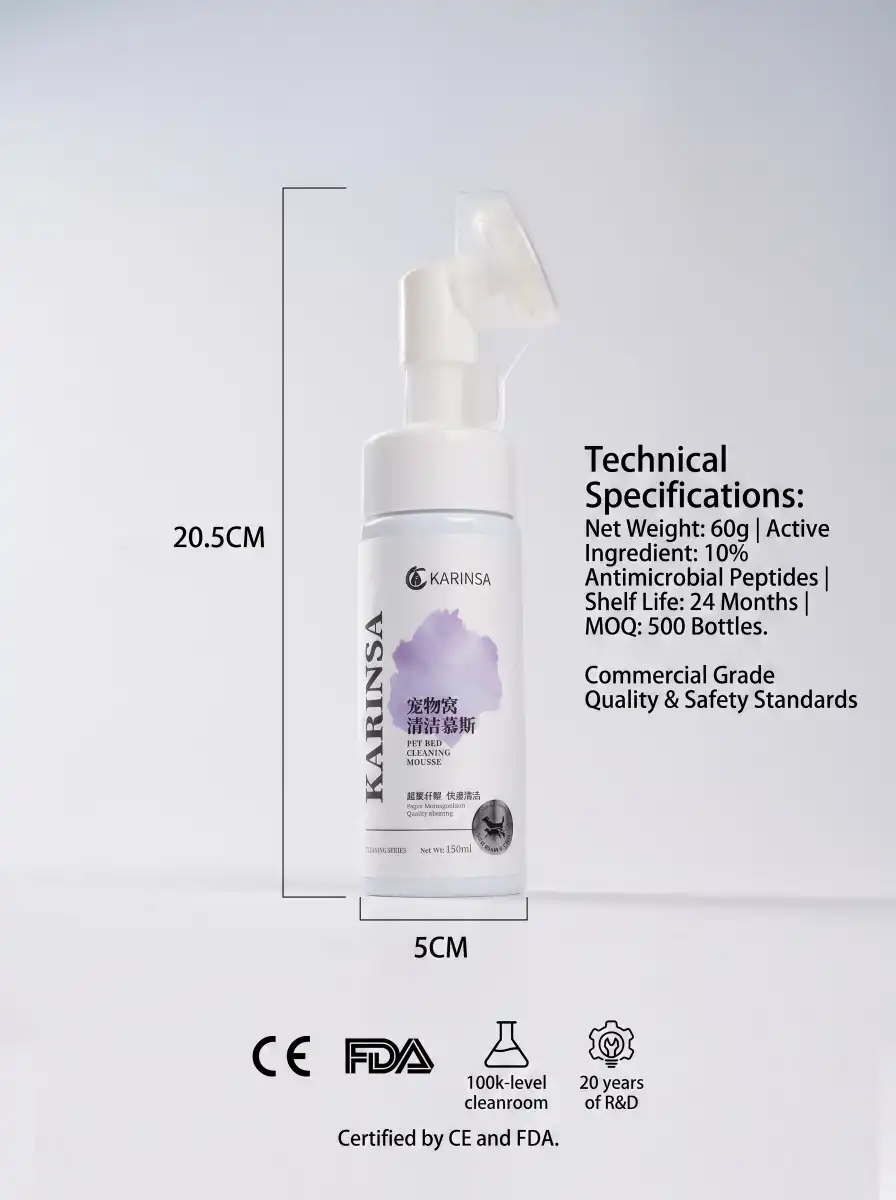
Professional pet environment sanitizers come in a wide range of different formulas that are made to get rid of lingering smells in both professional and home pet care settings. Recently, the science behind these items has changed a lot. They are no longer just scent masks; they also neutralize smells in more complex ways.
Core Formulation Types and Their Mechanisms
Several different deodorizing methods are used in the pet care business. Protein catalysts in enzyme-based solutions break down organic waste molecules. These solutions are especially good at getting rid of pee crystals and feces leftovers. These biological agents keep working for a long time. They are usually still effective 24 to 72 hours after being used. Spray formulas get rid of smells right away and are great for quick spot treatments in between deep cleaning sessions. Powder versions soak up both smells and moisture at the same time, which makes them perfect for litter boxes and cage floors where liquid waste builds up. Natural botanical extracts are better for the environment because they use ingredients from plants that bind to smell molecules instead of man-made poisons.
Active Ingredients and Scientific Validation
Several key active ingredients are used in modern deodorizing goods. There is evidence that antibacterial peptides, especially versions with 10% concentration levels, can kill up to 99.9% of common pathogens found in pet settings. When bio-enzymatic cultures are used, they add good bacteria that make enzymes that break down organic garbage. Cyclodextrin molecules make molecular cages that hold volatile smell chemicals and make them stable and harmless. Plant-based extracts, like citrus terpenes and versions of tea tree oil, naturally kill germs and leave behind nice scents. Performance data from commercial testing facilities shows that new recipes can get rid of source smells in three seconds or less, and the freshness will last for at least 24 hours under normal use conditions.
How to Effectively Use Pet Den Deodorizers in Your Business
To strategically put odor control systems into place, you need to know how to use application standards that are made for specific business settings. When used correctly, a product works better and is safer in all kinds of pet care situations.
Application Protocols Across Facility Types
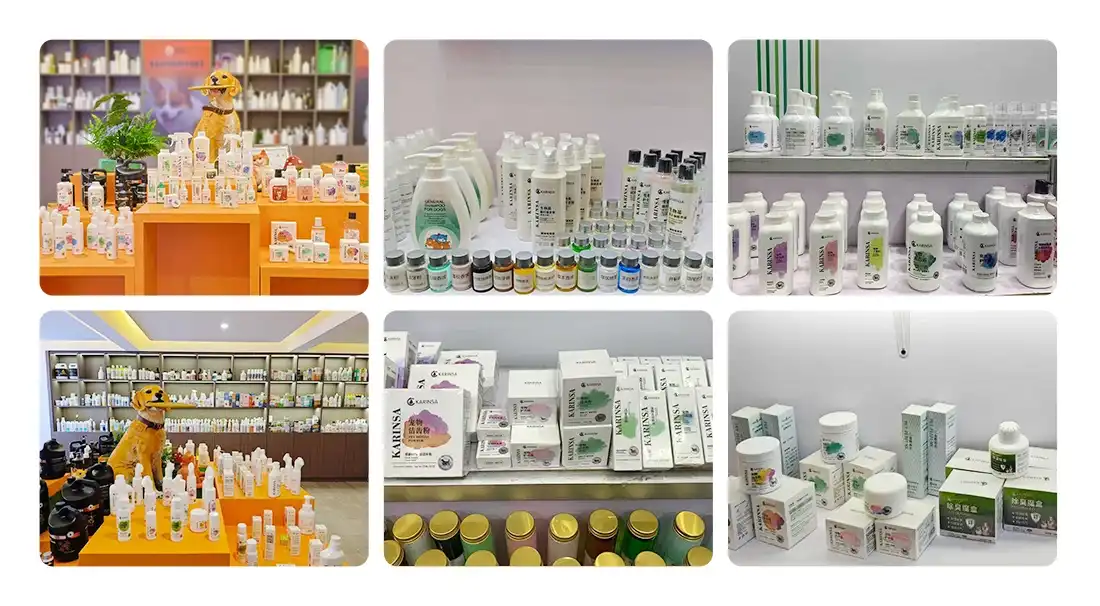
Boarding kennels and breeding businesses have trouble with high-density living. Pet Den Deodorizer can cause ammonia to build up and be dangerous for animals' lungs. Applying it every day to concrete runs, metal fences, and sleeping platforms should be done after getting rid of trash and cleaning with water. Veterinary offices need to pay extra attention to places where pets are confined after surgery and may dirty themselves without meaning to. When you mix immediate spot treatment with ambient air treatment, you can keep places clean without messing up medical equipment or the healing process of wounds. Regular application to show cages, demonstration areas, and customer contact zones helps pet shops keep nice shopping environments that encourage customers to look around for longer and make purchases. To deal with the smells that come from having many clients every day, grooming shops should add deodorizing steps to the bathing stations, drying areas, and holding cages.
Evaluating DIY Alternatives from a Procurement Perspective
Commercial buyers sometimes think about using homemade solutions like baking soda or vinegar-water mixes. These choices may save you money in the short term, but they don't work as well or as specifically as professional formulas. Vinegar changes the pH for a short time, but it doesn't get rid of the chemical marks that cause repeat marking behaviors. Baking soda can soak up water on the top, but it can't get into porous objects where uric acid crystals build up. When professionals make choices about what to buy, they should compare the hidden costs of bad odor control, such as unhappy customers, extra cleaning work, and maybe even breaking health codes, to the reliable performance and legal protection that come with approved commercial goods.
Comparing Pet Den Deodorizers: Making the Right Choice for Your Needs
To choose the best deodorizing options, you need to carefully look at product groups, performance traits, and the supplier's abilities. By comparing products strategically, purchasing managers can make sure that product specs match up with practical needs and budget limits.
Enzyme-Based Versus Spray and Powder Formulations
Each version of a product has its own benefits that make it better for certain uses. When dormant bacterial spores come into contact with organic substrates, they wake up and start making waste-digesting enzymes right away. This process continues until all the source materials are used up. This makes them perfect for surfaces with lots of pores, like wooden house frames and fabric beds, that hold smells for a long time. Spray formulations provide immediate relief by quickly encapsulating volatile chemicals. They are best for places that will be exposed to customers and need to be fresh right away before they contact you. Powder versions work best in places with a lot of wetness because they soak up liquid waste and get rid of the smell at the same time in litter boxes, cage trays, and outdoor runs. Professional formulas now combine several technologies, like sprays that have both quick neutralizers and long-lasting bacterial components, which can get rid of smells completely in a single application.
Supplier Reliability and Bulk Procurement Considerations
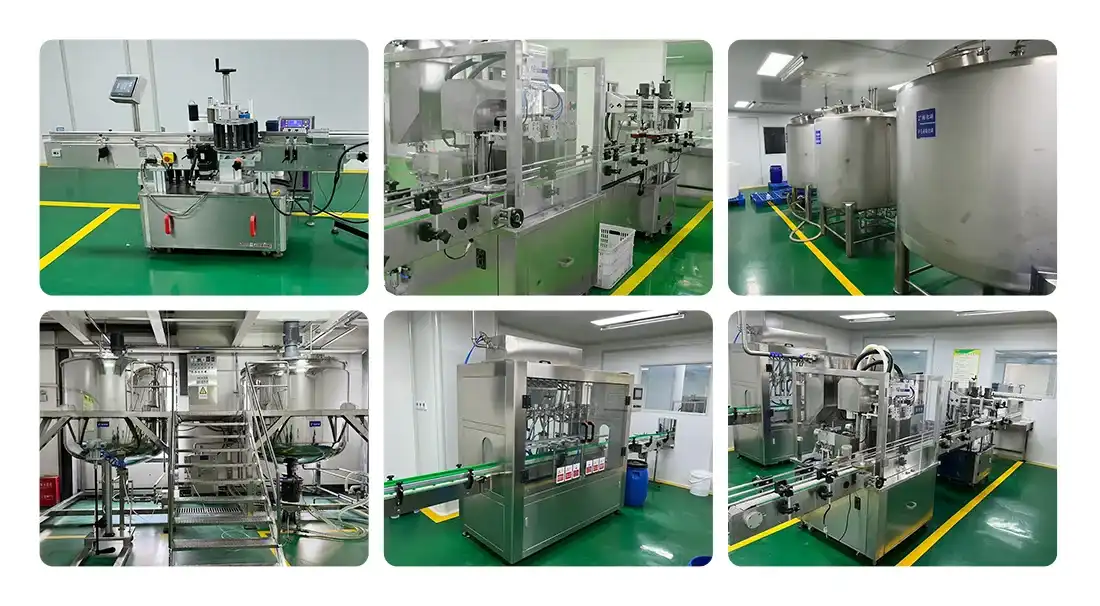
Established makers with a lot of experience exporting offer benefits that go beyond the standard of their products. Linyi Wobel Pet Supply Co., Ltd is an example of a company that offers a full range of support services, such as FDA registration, CE approval, and production experience spanning more than 20 years. Their automated production, 100,000-class cleanrooms, and strict quality control systems make sure that the specs of all of their products are the same, even when they are made in large quantities. When measuring bulk buying, it's important to compare the minimum order amounts, which are usually between 500 and 1,000 units for custom formulations, to the costs of keeping stockpiles and predicting demand. Suppliers who offer flexible OEM and ODM services can help brands stand out by creating custom formulas, scents, and package designs that are unique to Pet Den Deodorizer and help them place themselves in the market.
Procurement Guide: How and Where to Buy Pet Den Deodorizers in Bulk
Effective strategies for buying in bulk strike a balance between lowering costs and making sure that the supply chain works as planned. This makes sure that products are always available and that the budget is used most efficiently across all operating categories.
Cost Structure Analysis and Volume Advantages
Knowing the different levels of prices helps you negotiate and plan your spending. Manufacturers usually set prices so that there are number breakpoints at 500, 1,000, 5,000, and 10,000 units. At each level, the cost per unit drops by 15% to 30%. Price locks are often added to long-term supply deals that last 12 to 24 months. This protects against changes in the prices of raw materials and currencies. Shipping costs should be included in the total cost analysis. When compared to less-than-container loads, container-load packages offer big savings per unit for shipping. To find the best order amounts that combine bulk discounts, carrying costs, and capital allocation, buyers should figure out how fast their product turns over and how much it costs to store.
Negotiation Strategies and Contract Optimization
Negotiating well involves more than just unit prices. It also involves payment terms, shipping plans, and quality promises. Before committing to big orders, buyers should ask for sample runs to make sure the product works well in real-world situations. Multi-year contracts with stepped volume promises can get prices lowered over time while still letting you adapt to changes in the market. The terms of the contract should include quality standards, defect rates, substitute policies, and performance promises that protect the buyer's interests and make it clear who is responsible for what. Experienced sellers offer MSDS documents, certificates of analysis, and certifications of regulatory compliance that make the customs processing and regulatory approval processes go more quickly.
Industry Insights and Future Trends in Pet Den Deodorizing Solutions
New technologies, changes in regulations, and changing customer tastes are all making the pet care product industry change all the time. These changes affect procurement goals and product specifications.
Technological Innovations Enhancing Efficacy
Genetically improved bacterial strains are now used in more advanced enzyme formulas to make specific enzyme cocktails that speed up the breakdown of organic waste. Encapsulation technologies make active ingredients more stable, so they can be stored at room temperature for 24 months without losing their effectiveness. The controlled-release processes in microencapsulation allow the smell to spread slowly and the antimicrobial action to last for a long time. Smart integration ideas look into IoT-enabled odor recognition systems that start automatic dispensing when volatile compound levels rise above certain levels. This makes the best use of products while keeping air quality standards stable.
Sustainability Drivers and Regulatory Compliance
More and more, environmental laws require products that break down naturally, packages that can be recycled, Pet Den Deodorizer, and lower emissions of volatile organic compounds. Compliance with California's Proposition 65, EPA pesticide licensing for antimicrobial claims, and EU REACH chemical limits all have an effect on how products are made around the world. Forward-thinking suppliers put money into green chemistry research to create plant-based surfactants and natural scent sources that meet changing standards and keep up with performance standards for business use. Regulatory foresight and proactive compliance infrastructure that reduces reformulation risks and supply delays should be a top priority for procurement strategies.
Strategic Supplier Partnership Recommendations
A competitive edge comes from having ties with suppliers that go beyond just buying things and include working together on new ideas and growing the market. Buyers should look at a supplier's research and development (R&D) capabilities, such as the number of specialized formulation laboratories, pilot-scale production facilities, and technical staff with the skills to respond quickly to new market possibilities. Geographical growth and channel diversification are sped up by suppliers who offer full support services, such as multilingual paperwork, regional legal advice, and the creation of marketing materials. Long-term relationships based on open communication, common quality standards, and joint growth goals give businesses that care for pets a long-term edge in the fast-paced pet care market.
Conclusion
Deodorizers for pet habitats, such as Pet Den Deodorizer, that are made for professionals are important tools for pet care centers, stores, and transport networks. To make good purchasing choices, you need to compare formulation technologies, application methods, environmental credentials, and provider skills to your company's needs. New products that use antibiotic peptides, enzymes, and plant ingredients to get rid of smells completely and safely, and that meet standards. A successful application strikes a balance between short-term cost concerns and long-term practical benefits, such as higher staff output, regulatory compliance, and customer happiness. Businesses can stay successful in the pet care market by forming strategic relationships with well-known makers that offer customization options, expert support, and quality systems that have been shown to work.
FAQ
1. How often should pet den deodorizers be applied in commercial facilities?
When to apply varies depending on how many animals are in the area and how busy the center is. During peak seasons, high-volume boarding houses need to apply twice a day, while moderate-traffic grooming shops only need to do it once a day to keep the smell under control. Veterinary healing areas might need spot treatments right away after each patient change. Temperature and humidity change with the seasons, which affects how strong an odor is. During the summer, you may need to apply more often.
2. Are enzyme-based deodorizers safe for all pet species?
Ingredients in high-quality enzyme formulas that are GRAS are known to be safe for both mammals and birds. The products should have certificates saying they are non-toxic and have pH-neutral requirements so they can be used directly on fur. Let the treated areas dry in the air for 10 to 15 minutes before putting animals back on them. This will make sure that the volatile carriers evaporate and the active ingredients stay on the surface. Because different species are sensitive, especially birds and unusual animals, it's important to test small areas first before putting the plan into action all over the building.
3. Can deodorizers be used with disinfectants simultaneously?
Strong oxidizers, such as bleach and high-proof alcohol, kill the good bacteria that are in enzyme products, making them useless. As a best practice in the industry, surfaces should be disinfected, rinsed well, and left to dry completely before organic deodorizers are applied as closing treatments. This step-by-step method keeps both bacteria removal and long-term odor control going without affecting either one.
Partner with Pet Autra for Superior Odor Management Solutions
Professional-grade deodorizing devices made just for commercial pet care businesses are sold by Pet Autra. Our advanced Pet Den Deodorizer recipe has 10% antibacterial peptides that kill 99.9% of germs, get rid of smells in 3 seconds, Pet Den Deodorizer and keep the smells away for 24 hours. As a reputable provider of Pet Den Deodorizer with more than 20 years of experience making products, we keep our FDA registration, CE approval, and ISO 9001 quality systems up to date to ensure that our products always meet the highest standards. Our OEM and ODM services allow us to make custom formulas, scents, and unique packaging. You can place an order as little as 500 bottles, and our bulk prices are very cheap. We offer full technical help, including documents in multiple languages, legal advice, and services for quick sampling. Visit shampoopet.com or email sales@shampoopet.com to talk about unique purchasing options, ask for product samples, and learn how our partnership approach can help your business be more efficient and competitive in the market.
References
1. Anderson, M. & Roberts, K. (2021). Enzymatic Odor Control Technologies in Commercial Pet Facilities. Journal of Applied Animal Hygiene, 15(3), 142-158.
2. Chen, L., Williams, P. & Davidson, R. (2022). Comparative Efficacy of Bio-Based Deodorizers in Veterinary Clinical Settings. Veterinary Facility Management Quarterly, 28(2), 67-83.
3. Global Pet Care Industry Standards Council. (2023). Best Practices for Odor Management in Commercial Boarding Operations. International Pet Care Standards Manual, 4th Edition.
4. Harrison, J. & Thompson, S. (2020). Antimicrobial Peptides in Pet Hygiene Products: Performance and Safety Profiles. Companion Animal Product Research, 12(4), 201-219.
5. Martinez, D., Lee, H. & Foster, A. (2023). Sustainability Trends in Pet Care Product Procurement: A B2B Perspective. Journal of Green Business Strategies, 19(1), 88-104.
6. Wilson, R. & Chang, M. (2022). Advanced Formulation Technologies for Persistent Odor Elimination in Animal Housing Environments. Applied Biotechnology in Pet Care, 7(2), 134-150.

Send Inquiry
You may like