
How Safe Is Natural Pet Fragrance Spray for Pets?
Natural Pet Fragrance Spray is generally safe for pets when formulated with hypoallergenic, alcohol-free, and pH-balanced ingredients specifically designed for animal use. High-quality sprays utilise botanical extracts, hydrosols, Natural Pet Fragrance Spray and plant-based solubilisers that neutralise odours without harsh chemicals, reducing risks of dermatitis or allergic reactions. Unlike synthetic alternatives containing phthalates or parabens, properly formulated natural sprays respect pets' delicate skin barriers while delivering gentle, lasting freshness suitable for daily application on dogs and cats.
Introduction
To keep pets clean between baths, fragrance sprays for pets have become a must-have. Natural cleaning products have become very popular in the pet care business. More and more pet owners want goods that don't have man-made chemicals in them. Businesses that buy things from other businesses have to find better, more eco-friendly alternatives that work just as well and help build trust with customers. Companies in the US that sell these sprays to online stores, pet stores, grooming shops, retail chains, and wholesalers need to know if they are safe. This guide talks about all the important safety issues that come up with natural pet fragrance sprays. It gives buying professionals information based on facts about the quality of the ingredients, the standards for preparation, and the rules. We help people make better product lines by looking at species-specific sensitivities, natural vs. synthetic options, and selection criteria. For all business uses, we keep pet welfare at the top of our minds.
Understanding Natural Pet Fragrance Sprays and Their Safety
What Defines a Natural Pet Fragrance Spray
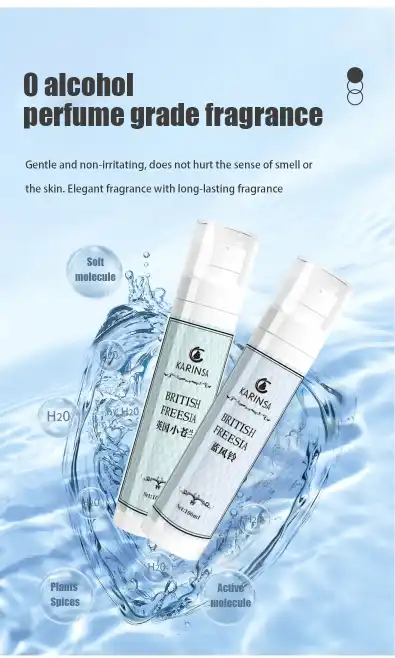
The ingredients in natural pet scent sprays are carefully mixed to neutralise volatile organic molecules on animal fur and condition coats with plant-based ingredients. There are no phthalates or too much alcohol in these goods, so they are not the same as regular colognes. To make smells that are safe for cats' sensitive senses, they use hydrosols, essential oils, and plant-based solubilisers. Its idea is to deal with organic smells like urine, oxidised sebum, and dampness by using enzymes or molecular encapsulation to get rid of them instead of just covering them up. Bad smells mix when strong manufactured perfumes are on top of bacterial smells, but this method gets rid of those smells. In more advanced versions, zinc ricinoleate is used to block smells, and plants that are good for you, like Lavandula angustifolia or Chamaemelum nobile, are added to make brushing less stressful.
How These Formulations Function on Pet Coats
Quality natural sprays work in more than one way when applied to fur. The water- or oil-in-water emulsion base Natural Pet Fragrance Spray makes sure that the product spreads evenly through hair fibres that are porous, so there is no phase separation. Sorbitol-based natural solubilisers keep essential oils evenly dispersed in the solution, stopping concentrations in certain areas that could irritate skin or overwhelm olfactory receptors. The pH range of 6.5 to 7.5 matches the neutral-to-alkaline range of canine and feline skin, stopping acid mantle disruption that weakens the lipid barrier. This careful balance keeps the skin's structure, and the antistatic properties keep flyaways away and give the coat a shine. The low-viscosity formula makes it possible for fine mist to form, which lets the product penetrate without leaving behind residue that could attract dirt or cause it to stick together.
Is Natural Pet Fragrance Spray Safe for Cats and Dogs?
Species-Specific Safety Considerations
Dogs can usually handle more plant-based ingredients than cats can. Cats are more sensitive to some compounds because their liver metabolism doesn't have enough glucuronidation pathways. Because cats' bodies are different from dogs', they have a harder time breaking down the phenolic compounds that are found in some essential oils. This means that cats could be poisoned even by grooming themselves with these oils. For this reason, formulas made for cats should not contain tea tree oil, eucalyptus, citrus oils in high concentrations, or ingredients that contain phenols. Sprays for dogs may contain small amounts of these ingredients, but multi-species formulas need to be careful to choose ingredients that are safe for both species. This is especially important for grooming salons and veterinary offices that serve a wide range of people.
Hypoallergenic Formulation Requirements
Common allergens and irritants are taken out of truly hypoallergenic pet fragrance sprays. These include sulphates, parabens, formaldehyde, artificial colours, and strong solvents. The alcohol-free formula keeps the skin from drying out and getting irritated, which weakens the protective layer and raises the risk of contact dermatitis or hot spots. Aloe vera extract, chamomile hydrosol, and oat protein are some mild conditioning agents that come from plants and can moisturise without making skin more sensitive. Formulations should be tested on different types of skin, including skin that is sensitive or has a compromised barrier. There is more confidence in suppliers who have certifications from independent testing labs, especially when the paperwork includes patch test results and stability studies that show consistent safety profiles over the 24-month shelf life. When retailers market their goods to health-conscious customers or pets who are known to be sensitive, these credentials help them stand out.
Evaluating Natural vs. Synthetic Pet Fragrance Sprays for Procurement
Chemical Composition and Safety Profile Differences
Compounds from petroleum are used in synthetic perfumes to Natural Pet Fragrance Spray make them smell a certain way, last a long time, and not cost too much. Phthalates are often used in these recipes to make smells last longer because they act as fixatives. A lot of different scents are made with synthetic musks and aldehydes. This makes people worry, though, because these ingredients may mess with hormones, be bad over time, and stay in the environment after getting into water systems. The scent molecules in natural choices come from plants and are extracted by solvent extraction, steam distillation, or cold pressing. These chemicals come from plants, break down on their own, and don't hurt the earth as much. Green goals that customers are becoming more aware of fit with this. The safety grade is higher because it has been used for so long, but people with sensitive skin still need to be careful when making it to avoid allergens or irritants that are known to be present in high concentrations. On the other hand, scents smell better and last longer. Molecular engineering is used to make synthetic chemicals that have better staying power because it improves the volatility rates. Because their parts are less stable and more complicated, natural smells, on the other hand, tend to fade faster. This difference comes up when customers run an app or device, and how they feel about how well it works. When buying things, teams have to think about these things along with safety and environmental issues.

Regulatory Compliance Across Different Markets
There are different rules in each foreign market when it comes to fragrance chemicals and labels. In the European Union, cosmetics are still subject to the strictest rules. Full safety tests, allergen information for 26 different fragrance substances, and limits on some natural ingredients, like oakmoss or tree moss products, are all part of these rules. For EU-bound goods, strict paperwork and changes to the formula are needed to make sure they follow the rules. In the US, regulations give formulators more freedom, but in California, Proposition 65 says that products with certain chemicals must have certain labelling standards. Rules for how safe chemicals can be are set by the Toxic Substances Control Act. Other laws from states may add to these rules. Canada has its own list of cosmetic ingredients that are either illegal or limited, and they need to be checked separately before they can be shipped across the border. Different types of rules apply to markets in the Asia-Pacific region. Japan's Pharmaceutical and Medical Devices Act, for instance, has strict rules about what can be imported, and Southeast Asian countries may follow the ASEAN Cosmetic Directive guidelines. They can get help from suppliers who know how to deal with these difficult rules when they buy things for global markets. The formulations and documentation packages that these providers offer can be changed to fit the needs of each target.
How to Select the Best Natural Pet Fragrance Spray for Your Business Needs
Defining Your Target Market Requirements
Before you can pick the right goods for your business, you need to be clear about what kind of customers you have. If online sellers want to get the attention of health-conscious millennials, they should focus on formulas that show off organic licenses, clear ingredient lists, and environmental stories that appeal to people who make choices based on their beliefs. Visual presentation affects click-through rates in crowded online markets, so how the packaging looks and patterns that are easy to share on social media are important ways to stand out. Professional grooming salons focus on formulas that dry quickly and can handle being exposed to high-velocity dryers. They also make sure that their clients get the signature smell that they associate with high-quality service. When there are a lot of meetings, operations run more smoothly because the coat doesn't need to be brushed as much, as it is easier to handle. Clinics and hospitals for pets need sensitive products that are safe for animals that have just had surgery or whose immune systems aren't working well. Professional-grade dispensers that come in bulk packages are a better deal, and they make sure that everyone on staff uses the same amount of product. Aromatherapy calms people down, which makes them less nervous during tests and more willing to cooperate. It's easier to follow clinical protocols when products come in medical-grade packaging with clear dosage directions and safety data sheets. This also keeps professionals from being sued when they recommend products.
Key Quality Indicators and Certifications
To judge the quality, you must first be able to see what the ingredients are. Sellers you can trust will give you full INCI (International Nomenclature of Cosmetic Ingredients) lists of all the ingredients they use, explaining where each one comes from botanically, how it was harvested, and what it does. If a product uses vague terms like "proprietary formula" or "fragrance blend" without giving more information, it may be hiding artificial ingredients or allergens that don't work with natural positioning. Third-party testing certifications make sure that safety and effectiveness claims are true by checking them independently. See if the product has been tried on people with sensitive skin, if it will still work after being stored for a long time, and if it has been tested for microbes to make sure the way it is stored works. Customer who wants to do the right thing will be interested in approvals from well-known groups that say the product is cruelty-free. Organic certifications from the USDA or similar groups in other countries, on the other hand, are highly respected for how pure the plants are. The product's quality and the user's experience are both affected by how well it's packed. UV-protective bottles keep essential oils stable by stopping light from breaking them down. Natural Pet Fragrance Spray and pump systems that don't need air to work keep oils from going bad while they're being kept. More and more people are choosing to buy things that are good for the environment. This is especially true for younger people, who are driving market growth in high-end pet care areas.
Best Practices for Using Natural Pet Fragrance Spray in Commercial Settings
Proper Application Techniques and Dosages
A light, even spray across the coat from 6 to 8 inches away is the first thing that needs to be done for it to work. Do not spray it straight into your eyes, ears, or mucous membranes. It's important that the very fine mist doesn't get too wet on the skin underneath the fur. This will allow the quick-dry product to get rid of the extra carrier in just a few minutes. Brushing your hair right away after putting on the product helps the conditioners work their way through clumps and knots. How often you use it will depend on how your pet smells and where you live. As a general rule, you should use it as a finishing spray after washing your dog. For busy dogs that spend a lot of time outside, you should touch it up every two to three days. Cats that stay inside don't need to be brushed as often; maybe once a week or right before they go outside to play with other cats. Based on what people say and how the coat looks, change the steps. It's important to teach people that natural goods work best when used often, not just once. Standardised steps for applying help businesses make sure that all of their employees get the same results. Written directions that tell you how much product to use, when to use it, and how to apply it help keep things consistent and make it easier for new employees to learn. You teach pet owners how to take care of their pets at home by showing them the right way to do things during client pickup appointments. This makes the benefits of professional cleaning last longer between salon visits and builds customer loyalty by giving them more value.
Storage Conditions and Inventory Management
The best ways to store the product will keep its quality for the normal 24 months that high-quality natural formulations last. Keep bottles in cool, dry places that aren't in full sunlight. The temperature should stay between 50°F and 77°F (10°C and 25°C) so that the ingredients don't separate or break down. To protect the quality of the inventory and keep it visible, retail display areas should keep items out of the sun for long periods of time by carefully placing shelves or using display cases that block UV light. When you rotate your collection, the first-in, first-out rule makes sure that items don't go bad after their best-before dates. Set up batch tracking systems that keep track of the dates and numbers of things that are received. This way, problems with the quality can be found quickly, and refunds can be given to the right people. Every so often, you should check your stock and see what's sold and what's still in stock. This will help you figure out which items aren't selling well and need to be pushed or taken off the shelves to make room for better-selling items. Strategies for buying in bulk find a balance between volume discounts, storage room, and turnover rates. Centralised storage and efficient transport networks help distributors who work with many stores. Littler companies, on the other hand, might like to make smaller buys more often to keep their stock fresh. Demand changes with the seasons. For example, more people buy things in the summer for outdoor activities. This helps buyers plan when to buy so they can get the best deals without having to pay too much for storage during the off-season.
Conclusion
Natural Pet Fragrance Spray represents a significant advancement in safe and effective pet care products when formulated with proper botanical ingredients, balanced pH, and strict quality standards. Procurement professionals across B2B channels, including e-commerce platforms and veterinary clinics, must ensure products meet diverse requirements such as safety certifications, species-specific formulations, and regulatory compliance in target markets. Comparing natural and synthetic options highlights differences in performance, safety, and environmental impact, with growing preference for eco-friendly solutions despite higher costs. Selecting suppliers with strong customization, scalability, and logistics capabilities ensures market alignment, while clear usage guidance helps maximize effectiveness and reduce liability risks.
FAQ
1. Are natural pet fragrance sprays safe for puppies and kittens?
Quality natural sprays formulated as hypoallergenic and alcohol-free typically suit young animals older than 12 weeks, though gentler dilutions prove advisable for very young pets with developing skin barriers. Always verify product labelling specifying age suitability and consult veterinary guidance for animals under 8 weeks or those with health conditions.
2. Can natural pet fragrance sprays repel fleas and ticks?
While some botanical ingredients like lavender or cedarwood possess mild insect-deterrent properties, fragrance sprays should not replace veterinarian-recommended parasite prevention treatments. Products marketed for pest control require EPA registration demonstrating efficacy, whereas cosmetic fragrances prioritise odour management and coat conditioning as primary functions.
3. What certifications indicate a truly safe, natural pet fragrance spray?
Look for ISO 9001 quality management certification, GMP manufacturing standards, and product-specific dermatological testing documentation. Third-party cruelty-free certifications, organic ingredient verification, and complete MSDS/COA documentation demonstrate comprehensive quality assurance meeting international export standards and supporting transparent B2B procurement decisions.
Partner with Pet Autra for Premium Natural Pet Fragrance Spray Solutions
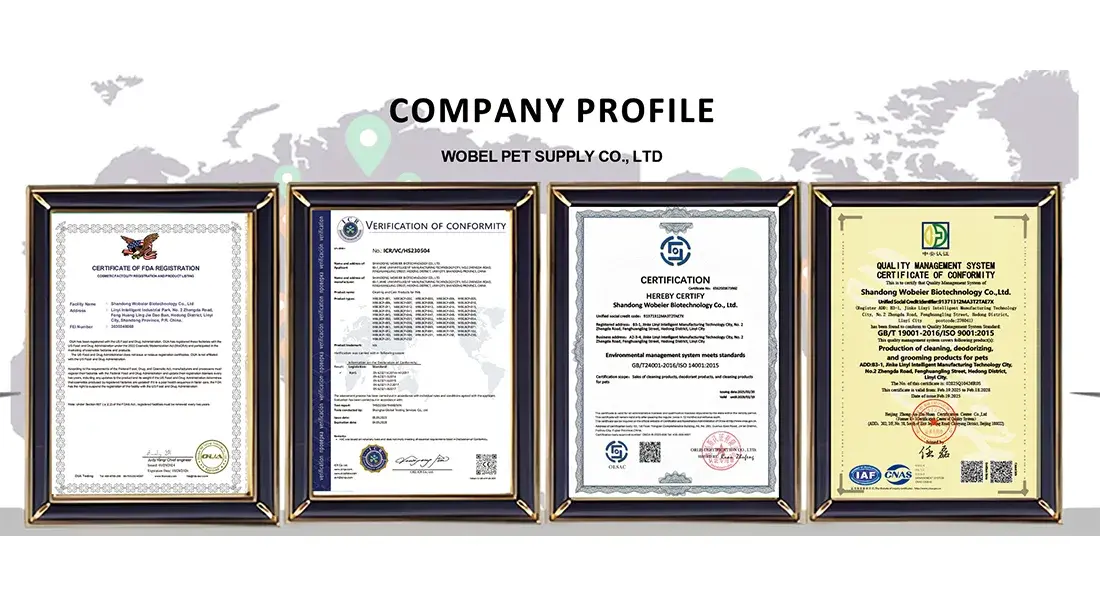
Pet Autra, operating under Linyi Wobel Pet Supply Co., Ltd, brings over 20 years of specialised experience manufacturing Natural Pet Fragrance Spray high-quality pet grooming products that meet rigorous international standards. Our Natural Pet Fragrance Spray embodies hypoallergenic, alcohol-free formulations enriched with botanical conditioning agents, delivering gentle daily freshness suitable for sensitive pets across professional and home environments. As an established Natural Pet Fragrance Spray manufacturer, we maintain CE and FDA certifications while operating advanced facilities, including 100,000-class cleanrooms and automated filling lines, ensuring consistent quality.
We offer comprehensive OEM and ODM services with flexible minimum orders starting at 500 bottles, supporting emerging brands and established distributors alike through customizable formulas, fragrances, and multilingual packaging. Our rapid 7-15 day production cycles and diversified logistics networks—spanning air, sea, and express options—ensure reliable delivery to markets throughout the Americas, Europe, Asia, and beyond. Contact our team at sales@shampoopet.com to request samples, discuss custom formulations tailored to your regional market needs, or explore private labelling opportunities that elevate your product portfolio with trusted, export-ready pet care solutions.
References
1. Richardson, A. & Thompson, K. (2021). Safety Evaluation of Botanical Ingredients in Companion Animal Grooming Products. Journal of Veterinary Dermatology, 32(4), 287-301.
2. Martinez, L. (2022). Comparative Analysis of Natural versus Synthetic Fragrance Compounds in Pet Care Formulations. International Journal of Cosmetic Science, 44(2), 156-170.
3. Chen, W. & Davis, R. (2020). Species-Specific Toxicological Considerations for Topical Pet Products. Veterinary Clinics of North America: Small Animal Practice, 50(3), 623-641.
4. Patel, S. (2023). Regulatory Frameworks Governing Pet Cosmetic Products in Global Markets. Global Pet Industry Compliance Review, 15(1), 45-62.
5. Johnson, M. & Williams, E. (2021). Essential Oil Safety Parameters in Feline and Canine Topical Applications. Veterinary Medicine International, 2021, Article 8842376.
6. Anderson, B. (2022). Quality Indicators and Certification Standards for Natural Pet Grooming Products. Professional Groomer's Technical Manual, 8th Edition, pp. 412-438.

Send Inquiry
You may like