
How to Choose Pet Fragrance Spray for Sensitive Skin?
When choosing a Pet Fragrance Spray for animals with sensitive skin, it is very important to look for safe and alcohol-free options. Products made for cats with sensitive skin must have a normal pH, not contain harsh chemicals like sulfates and parabens, and have extra-gentle conditioning agents added to them. The best spray gets rid of smells using complexes made of enzymes or zinc instead of covering them up with artificial scents. To make sure they are following international standards and protecting pet health and customer happiness, B2B buyers should check the certifications of suppliers, look at how clear the ingredients are, and ask for Material Safety Data Sheets.
Understanding the Challenges of Sensitive Skin in Pets
About 10–15 percent of pet dogs and cats have sensitive skin. This can be caused by genetics, environmental allergens, and skin defenses that aren't working properly. Normal skin has higher amounts of ceramide, but sensitive epidermis has lower levels and weaker fatty layers. This makes it more likely to be irritated by irritants found in regular grooming products.
Biological Factors Behind Skin Sensitivity
Some pet types, like Bulldogs, Retrievers, and Siamese cats, are more likely to get atopic dermatitis than others. Their skin doesn't make as many natural oils, which makes it dry and creates tiny cracks that allergens can get into. Pollen, dust mites, and manufactured scents are just a few of the environmental triggers that make these conditions worse and cause chronic inflammation and pain.
Symptoms Aggravated by Inappropriate Products
Some common responses are itching that won't go away, red spots, hair loss, and bacterial illnesses. A lot of grooming sprays have distilled alcohol in them (60–80% of human-grade scents do), which dries out the skin and throws off its pH balance. Many low-quality pet care products still contain synthetic musks and phthalates, which are ingredients that aren't allowed in children's products in some countries. These ingredients cause delayed allergic responses that show up 24 to 48 hours after application.
Key Criteria for Selecting Pet Fragrance Sprays for Sensitive Pets
Grooming sprays for animals that are easily hurt need to be carefully examined in terms of their ingredients, safety standards, and how well they work. When setting up supplier relationships, B2B buyers should put openness and clinical Pet Fragrance Spray proof at the top of their list of priorities.
Ingredient Integrity and Hypoallergenic Formulations
Choosing sprays with chemicals that are listed on the box is the most important part of taking care of sensitive skin. Look for formulas that contain plant products like aloe vera and chamomile, which can help with inflammation without leaving behind any chemicals. Products with phenols, ketones, and d-limonene should not be given to cats because their livers can't break them down because they don't have enough glucuronyl transferase. All of the ingredients in hypoallergenic sprays should be listed with INCI names so that veterinarians can check them against databases of known allergens. Formulas that are heavy on silicone don't work as well on the skin as water-based emulsions that are supported with natural emulsifiers. The pH range should be the same as the acidity of dog and cat skin (6.5–7.5), so alkaline substances don't damage the protective acid layer. Products that are high in ceramides and fatty acids fix the barrier function and add flavor at the same time.
Odor Elimination vs. Masking Technology
Premium goods can be distinguished from less effective ones by the difference between true odor reduction and superficial masking. Zinc ricinoleate or cyclodextrin packaging is used in more advanced sprays. These chemicals link to volatile sulfur compounds and nitrogen-based molecules that bacteria make as they grow. This molecular capture turns smelly particles into complexes with no smell, getting rid of the source of the smell instead of just covering it up. Enzymatic mixtures with protease and lipase break down organic waste from pee and grease oxidation. This works especially well in homes with more than one pet. Sprays that only use essential oil amounts above 2% could be too strong for sensitive nasal passages and could cause breathing problems in dogs with flat heads. Using standardized olfactometry tools, testing methods should check the strength of the residual smell every 24 hours.
Comparison of Popular Pet Fragrance Spray Types and Brands for Sensitive Skin
There are many types of products in the pet grooming market, and each one has its own use in both expert and store settings. Knowing about these differences helps buyers match goods to customer wants while reducing costs as much as possible.
Product Category Analysis
Finishing sprays made for professional hairdressers focus on fast-drying solutions that are also anti-static, which keeps fur from flying around while blow-drying. These usually have light silicones (less than 1% concentration) and fragrance capsules that release smell when they come into contact with heat. Deodorizing sprays are used in beds, carriers, and car seats where strong odor protection is needed without directly coating saturation. Conditioning sprays add shine and scent while detangling hair with ingredients like hydrolyzed wheat protein. This cuts down on the time needed for cleaning. Pet colognes are in the high-end market and have strong scent loads (8–12%) that are kept up by microencapsulation technology. But these versions have a higher chance of making animals more sensitive, so they should only be used on animals that have a history of patience. People who sell to veterinary offices should keep medicinal sprays with colloidal oatmeal or phytosphingosine on hand. These sprays can help with skin problems and get rid of the "yeasty" smell that comes with Malassezia infections.
Brand Performance Overview
Well-known names like Burt's Bees Pet Care and Vet's Best focus on gentle, plant-based formulas for sensitive skin, using ingredients such as oatmeal or enzyme blends to reduce irritation. Nature's Miracle is effective in odor removal but may be less suitable for highly sensitive pets in some formulas. Pet Autra stands out by combining skin-friendly design with strong manufacturing capability. Its Pet Fragrance Spray features alcohol-free, hypoallergenic formulas produced under ISO and GMP standards, ensuring safety and consistency. With flexible OEM/ODM services, fast delivery, and customizable scents, Pet Autra offers a practical and scalable solution for brands targeting sensitive-skin pet care markets.
How to Assess and Test Pet Fragrance Sprays Before Large-Scale Purchase
To lower the risks of procurement, you need organized testing procedures and a full evaluation of the seller before placing large orders. Smart buyers use multi-step validation methods that check the performance, safety, and dependability of the seller.
Pilot Testing Protocols
For testing in the real world, asking for 5–10 sample pieces is a good idea. Give test goods to professional groomers in your network and tell them to use sprays on at least five animals with sensitive skin that show signs of itchy, allergic responses in the past, or breed-specific issues. Keep track of how the paint was applied, how far away it was applied (ideally 10 to 12 inches), how much was used, and the humidity and temperature of the area. Watch the animals that were treated for 72 hours after the treatment and write down any bad responses, such as excessive licking, skin reddening, changes in behavior that show pain, or changes in the quality of their coats. To keep track of inflammatory reactions, take pictures of the application spots right away and every 24 hours. Effective odor control should last for three to five days without having to be reapplied. This can be checked by having unskilled people smell the area and report back if it smells good. Compare pilot products against your current inventory using standardized criteria: mist fineness, drying speed, residual tackiness, and smell longevity. Do fabric compatibility tests on common types of pet bedding, like cotton, microfiber, and fake fur, to make sure the spray doesn't change the color or damage the material. This is especially important in store settings where complaints about misusing the product can hurt the brand's image.
Evaluating Supplier Technical Support
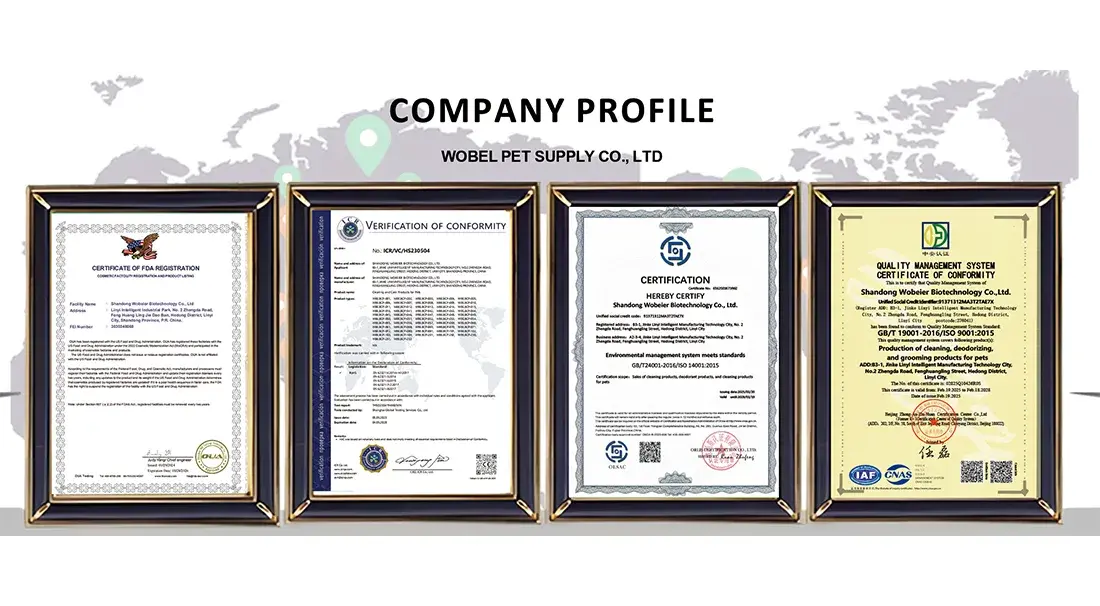
Manufacturers you can trust will send you all the detailed information you need within 48 hours of your request. Material Safety Data Sheets must have CAS numbers for all ingredients that are more than 1% concentration, as well as information on how to store them properly and get rid of them in a way that follows local waste management rules. Certificates of Analysis should show testing that was done on a particular batch, not a general template, and lot numbers should be clear and match the sample packaging. Test how well people can communicate by sending them detailed questions about the stability of the mixture, where to get the ingredients, and how to do quality control. Reliable suppliers give each customer a personal account agent who knows how B2B procurement works and can clearly explain what production capabilities they offer. Ask for building certifications like ISO 9001 and GMP paperwork, and check the times of accreditation and the areas they cover. Inquire about help after the purchase: do they offer formulation changes if the first runs don't work out? What methods are there for cleaning up packages that have been contaminated? Suppliers that have been in business for 20 years or more usually have quality assurance processes and crisis management systems that younger makers don't have. When it's possible, visiting production sites is the best way to learn about how to keep them clean, how to keep the tools in good shape, and how to train employees in ways that directly affect the consistency of the product.
Best Practices for Using Pet Fragrance Sprays on Sensitive Pets
The right way to use a product will make it work better and cause fewer side effects. This is especially important when working with clients who have animals that are easily hurt. Clear instructions that teach end users increase happiness and lower return rates.
Application Frequency and Technique
Spraying sensitive cats with medicine should only be done twice a week, using Pet Fragrance Spray so that the skin layer has time to heal between treatments. Hold the spray bottles 10 to 12 inches away from the coat to make sure the mist covers the whole area evenly without covering the skin. Apply in well-ventilated areas to avoid irritating the lungs. Focus on the back, shoulders, and behind, avoiding the face and nasal tissues. Before you spray, give the coat a good brushing to get rid of any loose hairs or other things that could trap moisture against the skin. The spray works best on clean, dry fur, preferably 24 to 48 hours after a bath, when the animal's natural oils have recovered some of their balance. When it's very hot outside, don't treat animals right before taking them outside. Wet clothes can make them more likely to get heat stress or hypothermia, based on the weather.
Demographic-Specific Recommendations
Puppies and cats younger than six months old have immune systems that aren't fully formed yet, and their skin isn't thick enough, so formulas that contain fragrances should be very diluted (no more than 0.25%). Spray it on cleaning tools or your hands instead of directly on the baby animal, and then gently stroke it all over. If your pet has a long-term illness like Cushing's disease or diabetes, skin irritations will take longer to heal. Use enzyme-based sprays that don't have any taste and focus on controlling smells instead of delivering scents. Dogs and cats with a brachycephalic shape (like Pugs and Persian cats) need scent-free options or essential oil amounts below 0.3%. To keep their skin from drying out too much, hairless breeds like Chinese Cresteds need moisturizing treatments with hyaluronic acid or glycerin. Double-coated breeds, on the other hand, do better with light solutions that get into their undercoats without matting them.
Conclusion
When choosing fragrance sprays for cats with sensitive skin, especially a Pet Fragrance Spray, it's important to look closely at the hypoallergenic ingredients, odor-neutralizing technology, and seller certifications. B2B buyers should look for formulas that are pH-balanced, don't contain alcohol, and meet international safety standards while also providing real medicinal benefits beyond just cosmetic masking. Pilot testing methods and thorough seller screening lower procurement risks and ensure long-term relationships with manufacturers who can consistently deliver high-quality goods. Distributors and sellers can better serve a wide range of customers if they know the best ways to use applications and the needs of different groups of people. More and more, the market wants things to be clear, and ingredients with clean labels and approval proof are becoming requirements for buying things.
FAQ
1. Can fragrance sprays harm pets with sensitive skin?
Animals that are easily hurt can get allergic reactions, itching, and rashes from cheap sprays that contain alcohol, artificial scents, and harsh preservatives. But versions made for animals that use hypoallergenic chemicals and natural deodorizers are made especially for people with sensitive skin. Make sure that the goods you buy have a pH level between 6.5 and 7.5, don't contain phenols or phthalates, and have been checked by dermatologists. Individual reactions can be found by doing patch tests on small areas before the full treatment.
2. What natural ingredients are safest for sensitive pets?
Chamomile, aloe vera, and colloidal oatmeal, and chamomile can help reduce inflammation without causing discomfort. At amounts below 5%, hydrosols like rose or lavender water give off a light scent. Zinc ricinoleate and enzyme combinations get rid of smells chemically instead of covering them up. Stay away from manufactured musks, citrus oils that are more than 1%, and tea tree oil. For veterinary cross-reference, look for ingredients and goods that are GRAS-certified and give the full INCI nomenclature.
3. How do I evaluate if a spray suits my pet's sensitivity level?
Ask providers for full lists of ingredients and Certificates of Analysis. Use the veterinarian's records to make sure there are no known allergens. Do 72-hour patch tests on small parts of the coat and watch for changes in behavior or redness. Check that the pH levels are within the ranges that are right for the species and that the alcohol content stays below 5%. Read reviews of products from groomers who specialize in working with clients who have sensitive skin, and give more weight to brands that have been endorsed by veterinarians and come with proof of clinical testing.
Partner with Pet Autra for Premium Pet Fragrance Spray Solutions
Pet Autra gives business buyers access to safe Pet Fragrance Spray formulas that have been tested and cleared by veterinarians for sensitive skin. Our alcohol-free, pH-balanced sprays work by neutralizing smells with zinc and refreshing them with botanicals. They meet FDA and CE approval standards and leave your skin feeling fresh for a long time without irritating it. As a well-known company that has been making Pet Fragrance Spray for over 20 years, we offer customizable OEM and ODM services with a minimum order size of 500 units. We also support private labeling with custom fragrances and bilingual packaging. Our GMP-certified plant has automatic filling lines and food-grade batch production, which makes sure that the quality of every shipment is the same. We keep an inventory on hand so that orders can be filled quickly (within 24 to 48 hours) and provide full regulatory support, including MSDS, COA paperwork, and making sure that ingredients are safe for use in foreign markets. Email our purchasing agents at sales@shampoopet.com to ask for samples, talk about bulk prices, or look into creating a unique formula.
References
1. Miller, W.H., Griffin, C.E., and Campbell, K.L. (2013). Muller and Kirk's Small Animal Dermatology, 7th Edition. Elsevier Health Sciences.
2. Vandeweerd, J.M., Cambier, C., and Gustin, P. (2012). "Nutraceuticals for Canine Liver Disease: Assessing the Evidence." Veterinary Clinics of North America: Small Animal Practice, 42(2), 122-134.
3. Nuttall, T., and Halliwell, R. (2001). "Serum immunoglobulin E and immunoglobulin G antibodies to food antigens in normal cats and cats with allergic skin disease." Veterinary Immunology and Immunopatology, 78(3), 231-237.
4. Piekutowska, A., and Pin, D. (2019). "Effects of pH on Canine Stratum Corneum: Assessment of Epidermal Permeability Barrier Function." Journal of Veterinary Dermatology, 30(1), 45-52.
5. International Fragrance Association (2021). IFRA Standards for Category 10B: Animal Care Products—Guidelines for Safe Fragrance Use. IFRA Secretariat, Brussels.
6. European Chemicals Agency (2018). REACH Compliance for Pet Care Formulations: Ingredient Safety Assessment and Restriction Guidelines. ECHA Publications Office, Helsinki.

Send Inquiry
You may like