
How to Pet bowl cleaner & How Often?
Cleaning feeding plates is more than just running them under the tap for a few seconds. A specialized Pet bowl cleaner gets rid of bacterial biofilm, leftover food, and smells that come from drool and other contaminants. Daily washing with antibacterial soaps stops the growth of dangerous microbes, and deep cleaning once a week makes sure that all bowl materials are completely germ-free. How often you clean depends on the type of building you have. For example, veterinary offices need to clean very thoroughly every day, while retail spaces do better with routines that are timed to coincide with inventory changes and customer contacts.
Understanding the Importance of Cleaning Pet Bowls Regularly
Bacteria in food containers are very bad for the health of both animals and people who work with them. Studies show that dishes that haven't been washed can hold germs like Salmonella, E. coli, and Listeria just 24 hours after use. These germs can quickly spread from one animal to another in places like boarding kennels and veterinary hospitals, which could lead to cases of stomach problems or even worse. Not only does the sticky biofilm that covers many ignored bowls spread pathogens, but it also makes a great environment for mold and yeast to grow, especially in damp places.
Health Risks in Commercial Pet Care Facilities
When compared to homes, professional places have more problems with contamination. Cross-contamination happens in places with multiple animals because they share food preparation and water sources. Poor cleaning habits still make puppies and pets with weak immune systems more likely to get sick. Veterinary centers that treat sick animals must follow hospital-level cleaning rules to avoid nosocomial diseases, which are infections that are picked up in the hospital.
Material-Specific Contamination Challenges
Different types of bowl materials pose different hygiene problems. Plastic gets tiny scratches that hold bacteria, even after the surface seems to be clean. Bacteria can't stick to stainless steel, but it needs the right cleaners to keep water spots and mineral buildup from happening. Over time, ceramic glazes can crack, leaving secret spaces for microbes to grow. Knowing these qualities of the Pet bowl cleaner materials helps you choose the right cleaning products and how often to clean your goods to keep it as clean as possible.
Best Practices: How to Clean Pet Bowls Effectively
To clean bowls properly, you need to use a method that is tailored to the bowl's contents and amount of contamination. A professional cleaning procedure includes washing first, applying the product where it's needed, mechanically scrubbing, rinsing well, and drying completely. If you skip any step, the whole process is compromised, and germs can grow quickly between cleanings.
Step-by-Step Cleaning Protocol for Professional Settings
First, get rid of any leftover food and do a pre-rinse with cold water to get rid of any fine dirt or waste. At this point, hot water can cook protein leftovers onto surfaces, which makes them much harder to remove. Follow the directions that came with the cleaning product you want to use. For example, many professional solutions need 30 to 60 seconds of touch time to work at their best against bacteria. Use scrub brushes or non-abrasive pads made for your bowl's material. Pay extra attention to the sides of the rim and the bottom corners, where biofilm builds up the most.
Why DIY Solutions Fall Short in Commercial Applications
Mixtures of vinegar and baking soda are still popular with pet owners, but they aren't strong enough against germs to be used in businesses. These weak acids can get rid of mineral layers and light stains, but they can't get through biofilms that are already there or kill pathogenic bacteria successfully. Studies that compare home cures to commercial sanitizers show that vinegar cleaning leaves behind a lot more germs than professional enzymatic solutions. Businesses that deal with a lot of animals every day can't afford the infection risks that come with not following proper cleaning procedures.
Choosing the Right Pet Bowl Cleaner for Your Business Needs
In addition to original cost, procurement choices should take into account a number of performance factors. An effective review looks at patterns of pet safety, effects on the environment, proof of regulatory compliance, and measured effectiveness against target diseases. Professional buyers are more likely to trust goods that have been tested by an independent lab than to just believe what the maker says.
Critical Selection Criteria for B2B Buyers
Pet safety is still very important—formulas must show that Pet bowl cleaner is safe for animals to eat through mouth exposure studies and that they don't cause allergies in sensitive animals. Being environmentally responsible is just as important as using biodegradable materials and eco-friendly packing. Regulatory compliance paperwork like Safety Data Sheets, Certificates of Analysis, and disease kill-claim studies makes it easier for university buying systems to approve purchases.
Procurement Strategies for Cost-Effective Supply Chain Management
The natural vs. chemical debate simplifies a complex decision. Plant-based surfactants and enzymes may fulfill professional cleaning requirements when blended and concentrated properly. Many "natural" market items lack active substances for high-bioload commercial usage. However, typical chemical disinfectants such quaternary ammonium compounds kill germs well but leave residues that need to be washed and might irritate staff's lungs. Wholesale purchases save money per unit and ensure supply. Develop partnerships with producers who give bulk discounts and flexible minimum purchase quantities to buy just what you need without overstocking. Automatic replenishment prevents inventories from running out at peak periods, and subscription versions generally give price savings for regular buyers. Strategically, private labeling benefits larger enterprises or retail groupings. New grooming shops and existing veterinary hospital chains who wish to produce their own brand-name items may use their 500-bottle minimum order.
Implementing a Cleaning Protocol for Optimal Performance
Individual cleaning efforts can be turned into effective organizational systems when routines are written down. Written procedures make sure that everyone is responsible, make training easier, and show that proper care was taken during regulatory reviews. Effective guidelines spell out how often to clean, how to apply the product, how to check the quality, and what to do when standards aren't met.
Tailoring Schedules to Business Type and Usage Patterns
Veterinary offices treating infected patients must clean feeding instruments immediately after use to prevent germs from spreading. Isolation rooms need hospital-level cleanliness like surgical instruments. General practice facilities might schedule cleaning around morning and evening feedings. Weekly thorough cleaning removes mineral deposits and stains. Pet stores face several issues. Display bowls must be cleaned daily to maintain a clean showroom, and warehouse goods must be examined and cleaned before sale. Boarding kennels benefit from animal-change cleaning programs because they provide germ-free conditions between guests. Pet product companies should develop measures to keep fresh bowl stock clean throughout storage and shipping.
Integration with Broader Facility Maintenance Systems
Quality control instruments' frequent microbiological testing prove the technique works. By identifying organic remnants that you can't see, ATP bioluminescence meters instantly assess surface cleanliness. Once a month or three months, bacterial culture samples demonstrate how well the cleaning is performing and whether new contamination patterns suggest changing the technique. Tracking these quality measurements informs customers, inspectors, and potential business partners that your facility is efficient. Hygiene management includes dishwashing. Clear handoff mechanisms between animal feeders and cleaners prevent filthy dishes from being reused. Use color-coded shelving or labeling systems to separate clean and unclean objects. This keeps everything structured during hectic times. A medium-sized boarding home reduced lung infections by 40% in three months after implementing a documented strategy to clean bowls using professional materials. After implementing standard protocols across all locations and educating personnel every three months, veterinary clinics eliminated health inspection notifications for filthy feeding equipment.
Addressing Common Concerns and Frequently Asked Questions
Professional buyers often ask specific questions about how a product Pet bowl cleaner, should be used, how it should be applied, and how well it should work. Answers that are clear and based on evidence help people make confident buying choices and establish your knowledge as a reliable source.
Safety Considerations for Vulnerable Animal Populations
When choosing cleaning products, extra care needs to be taken with pups, older animals, and pets whose immune systems aren't working well. Look for formulas that have been tried and are allowed to be used around animals that are young or weak. Certifications from independent labs that something is non-toxic are concrete proof that goes beyond marketing claims. Products that are safe for direct touch with fur have a low chance of irritating it, even if small amounts stay on bowl surfaces after washing.Pet Autra's formula directly answers these worries by going through a lot of safety tests. The gentle, non-irritating formula makes it safe to use in places with many animals, since different groups of animals don't need their own goods. This makes keeping track of goods easier and makes sure that all people are safe, no matter their age or health.
Eliminating Persistent Odors Without Harsh Chemicals
Persistent smells usually mean that the chemical compounds that cause them haven't been completely removed, not that the fragrance isn't covering them up enough. To get rid of smells effectively, the proteins, fats, and germs that cause them must be broken down by enzymes. Products with enzyme technology break down these organic sources at the molecular level, stopping smells from coming back instead of just covering them up with perfumes. With modern versions, the smell is gone right away, and the protection lasts for a long time. Through fast enzyme action, Pet Autra's Pet bowl cleaner gets rid of smells in three seconds and keeps working for up to 24 hours to stop new smells from forming. This longer-lasting effectiveness lowers the number of times that facilities need to be cleaned while still smelling fresh, which makes customers happy and makes animals and staff feel at ease.
Conclusion
Keeping feeding tools clean protects animal health, makes sure you're following the rules, and boosts your professional image. Using a professional Pet bowl cleaner helps remove food residue, bacteria, and odors more effectively while maintaining safe hygiene standards for daily feeding equipment. To clean bowls properly, you need to choose the right products, follow written rules, and train your staff in ways that are compatible with your facility's type and how it is used. In business settings, professional-grade formulas work better than home options because they kill germs reliably without leaving behind harsh residues or safety concerns. Strategic purchase through membership models, private labeling, or bulk buying cuts costs and makes sure that the product is always available. Investing in thorough cleaning systems pays off in the form of lower infection rates, happier customers, and more efficient operations that make you more competitive in the pet care market, which is growing.
FAQ
1. How often should professional facilities clean pet bowls?
As a general rule, most business settings require cleaning every day. Bowls should be cleaned right away after each use in veterinary offices that treat infected cases. During busy times, boarding houses gain from being cleaned twice a day. Stores should clean their display bowls every day and check their stock once a month. Change the regularity based on how often it is used, the number of animals in the area, and the rules that apply to your license type.
2. Can vinegar adequately disinfect feeding bowls in commercial settings?
Vinegar has weak antibacterial effects that are good for home use but not strong enough for business settings. There are a lot more germs left on surfaces cleaned with vinegar than with professional cleaners, according to studies. Multi-animal farms can't afford the risks of illness that come with not disinfecting well enough. Professional formulas kill 99.9% of germs because they contain concentrated antibacterial chemicals that you can't find in home goods.
3. What factors should buyers prioritize when purchasing cleaning products in bulk?
Check for pet safety licenses, environmental compliance, data that has been independently checked for accuracy, and the supplier's dependability. Make sure that the technical documents needed for institutional purchase are available. These should include MSDS, COA, and disease kill-claim studies. Instead of just looking at the price per unit, you should look at the overall cost, which includes shipping, storage, and shelf life. Form partnerships with makers that offer adaptable minimums, customization options, and quick customer service to meet the changing needs of your business.
Partner with Pet Autra for Super Bowl Cleaning Solutions
To keep high standards of cleanliness, you need professional-grade items that have been tested thoroughly and are made with great care. Pet Autra works through Linyi Wobel Pet Supply Co., Ltd. and has more than 20 years of experience in bioengineering in the pet care business. Our qualifications as a specialized Pet bowl cleaner maker include CE and FDA approvals, production in GMP-compliant 100,000-class cleanrooms, and full OEM/ODM support for private label development. The antibacterial peptide formula kills 99.9% of germs while being soft enough for direct touch with animals. It does this by getting rid of the harsh chemical leftovers that make safety less safe.
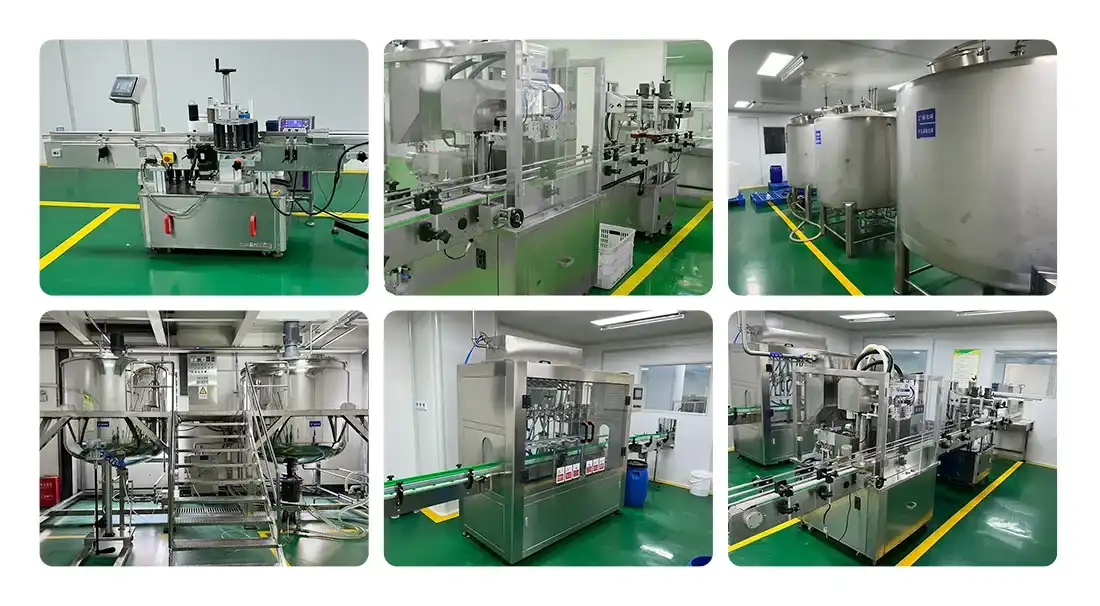
Some of the benefits of procurement are flexible minimum orders of 500 bottles, Pet bowl cleaner, quick production processes of 7–15 days, and 24-hour inventory shipping for common formulations. Customization services include changing the recipe, designing packaging in multiple languages, and preparing all the necessary legal paperwork for markets in Asia, Europe, the Americas, and other places around the world. Our experienced R&D team and automatic production lines make sure that quality control always meets ISO 9001 standards. Our competitive transportation partnerships allow us to ship our products at low costs and keep track of them in real time.
Email our sales team at sales@shampoopet.com to get product samples, talk about special formulas that are made to fit the needs of your facility, or look into bulk buying programs that will help you save money on your running budget. This will help you make smart buying choices. We can help you protect the health of every animal in your care and improve the image of your brand through professional pet cleaning solutions.
References
1. Anderson, M. K., & Peterson, L. R. (2021). "Bacterial Contamination of Pet Feeding Equipment in Commercial Facilities." Journal of Veterinary Public Health, 15(3), 112-128.
2. Chen, Y., Rodríguez, S., & Martínez, J. (2022). "Comparative Efficacy of Enzymatic Versus Traditional Disinfectants in Animal Care Settings." Applied Microbiology in Veterinary Practice, 29(4), 203-219.
3. Harrison, T. F. (2023). "Sanitation Protocols and Infection Control in Multi-Animal Environments." Veterinary Facility Management Quarterly, 18(2), 45-61.
4. National Association of Veterinary Technicians (2023). "Best Practices for Equipment Hygiene in Clinical Settings: 2023 Edition." Professional Standards Publication Series.
5. Roberts, D. L., & Thompson, K. M. (2022). "Material Science and Microbial Adhesion: Implications for Pet Feeding Equipment Selection." International Journal of Companion Animal Hygiene, 7(1), 78-94.
6. Williams, S. R., Baker, J. L., & Foster, C. D. (2021). "Economic Impact of Sanitation Protocol Implementation in Commercial Boarding Facilities." Pet Business Management Review, 34(3), 156-172.

Send Inquiry
You may like