
Key Uses of Herbal Pet Hair Serum in Grooming Routine
Natural plant formulations have changed the way we care for our pets by providing better and more effective alternatives to synthetic goods. There is a specific type of care product called Herbal Pet Hair Serum that uses plant-based chemicals to treat multiple skin and coat problems at the same time. These powerful mixtures provide deep nourishment, moisture retention, and protection without the harsh chemicals that most products contain. Pet groomers, veterinary clinics, and retail distributors are becoming more aware of how valuable it is to include herbal serums in full care plans. This is especially true as consumer demand shifts toward organic and environmentally friendly products that put animal health and beauty first.
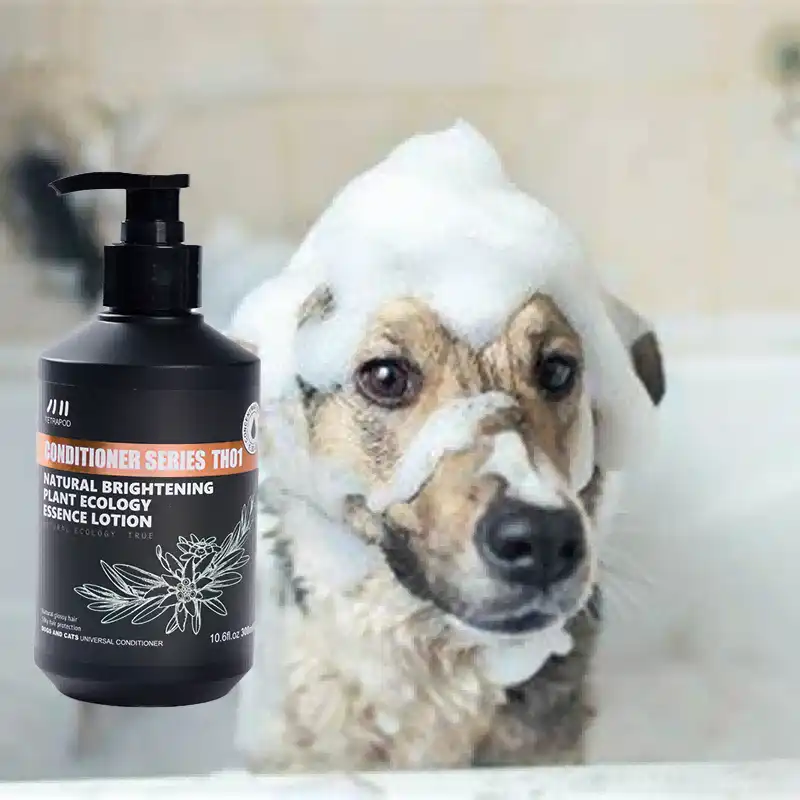
Understanding Herbal Pet Hair Serum: Composition and Benefits
The botanical base of good herbal serums sets them apart from petroleum-based options that are popular in store-bought pet products. Our recipe at Pet Autra is a great example of this natural method. It has cold-pressed linseed oil, 5D olive oil, lanolin, coconut oil, and vitamin E in it to make a solution that is light but deeply penetrates. Together, these ingredients fix broken hair shafts, make follicles stronger, and bring back the skin's natural lipid layer that keeps it safe from outside aggressors.
The Biochemical Advantage of Plant-Based Ingredients
Plant oils have important fatty acids that are similar to the sebum that is naturally found on healthy pet skin. This means that plant oils are better at absorbing moisture than mineral oils or manmade silicones. Linseed oil has omega-3 fatty acids that help cells grow back and reduce inflammation. Coconut oil, on the other hand, has antibacterial qualities that keep bacteria from growing too much. The vitamin E part is a natural protection and a strong antioxidant that fights free radicals that damage coats and make them age faster than they should.
Safety Profile and Regulatory Compliance
The safety of herbal formulas is an important thing for buying teams to think about. Products made in facilities that are FDA-approved and CE-certified go through a lot of quality control tests, such as bacteria limit analysis, heavy metal screening, and stability evaluations. Our production takes place in a 100,000-level cleanroom with food-grade tools and water that has been treated with reverse osmosis, which guarantees cleanliness at the pharmaceutical level. The pH balance of 6.5 to 7.5 is perfect for both canine and kitty skin, so it doesn't damage the acid layer like human hair products do.
Benefits for Sensitive Skin and Allergy-Prone Animals
Because herbal serums don't contain sulfates, parabens, fake dyes, or synthetic fragrances, they are especially good for cats that are healing from skin problems or that are known to be sensitive to chemicals. Veterinarian doctors often suggest herbal mixtures as extra help when treating atopic eczema, hotspots, and seasonal dryness. Herbal ingredients are gentle, so they can be used safely even when pets are cleaning themselves. The recipe only has non-toxic plant extracts in it.
Key Uses of Herbal Pet Hair Serum in Pet Grooming Routines
People who handle pets professionally and people who take care of their pets at home can both benefit from the flexibility that Herbal Pet Hair Serum brings to daily maintenance routines. Procurement managers can find the right products for their target markets and clients' wants if they know what those goods are used for.
Daily Hair Care and Problem Repair
Regularly using it after a bath makes a barrier that keeps moisture in and stops the brittleness that causes breaking and split ends. Within seconds, the serum goes deep into the hair shaft and delivers nutrients straight to the cortex, where structural proteins need to be strengthened. This daily food is especially helpful for breeds whose bodies are usually dry or for animals that live in harsh weather that strips them of their natural oils. Pet owners who deal with shedding seasons find that using serum regularly cuts down on loose fur by increasing the follicle connection. This means that owners don't have to vacuum and clean their furniture as often, which saves them time and effort.
No-Rinse Convenience for Busy Lifestyles
The non-greasy, quick-absorbing product lets you do quick touch-ups between baths, so it's great for keeping up a show-quality look without having to wash your pet every day. Professional groomers like products that work well with high-velocity machines because the light texture keeps dust from building up, which can make coats look dull in bright light. This level of comfort leads to happier customers and more product suggestions from grooming workers that people trust.
Natural Protection and Holistic Wellness
In addition to being good for your skin, plant serums with essential oils like lavender and cedarwood can naturally keep fleas away without the harmful risks that come with synthetic pyrethroids. The antibacterial properties stop smells at their source by stopping the growth of microbes in the coat, keeping it fresh for longer. This all-around method fits with the wellness philosophy that many pet owners today follow, which means they look for goods that improve their pet's health as a whole instead of using artificial scents to hide symptoms.
Professional Salon and Show Circuit Applications
Finishing products that bring out the best in a coat's natural qualities without adding fake textures are often the difference between good and great results in grooming competitions. Our serum works well with both scissoring and carding because it gives undercoats the slip they need to be untangled without damaging them mechanically. Flyaway problems are less common with double-coated breeds because the antistatic qualities make it easier for groomers to get the exact shapes needed by breed standards. Show handlers like formulas that work the same way no matter the humidity level or journey conditions.
How to Use Herbal Pet Hair Serum Effectively in Grooming?
To get the most out of the health and beauty benefits of plant serums, you need to know how to apply them correctly for each type of coat and your grooming goals. We've made detailed rules based on feedback from professional groomers around the world and more than 20 years of experience in the field.
Application Techniques for Optimal Absorption
Different coat lengths and thicknesses can be applied with a spray or a pump. Spray delivery works best for short-haired breeds because it spreads the product out evenly without making spots that look greasy. Long-haired and double-coated animals need a pump that lets the groomer work the serum through the coat's layers in a planned way. The key is to apply to slightly damp coats right after a bath, while the hair surface is still open and ready for nutrients to penetrate.
Dosage Guidelines by Breed Size and Coat Condition
Small breeds that weigh less than 20 pounds usually need two to three pumps or sprays per application. Large dogs that weigh more than 60 pounds may need eight to ten treatments spread out over different parts of their bodies. Animals with badly ruined coats do better with higher frequencies during the first few stages of treatment. Once the hair structure starts to look better, the frequencies are slowly lowered to normal levels. Our 150ml bottle gives about 30–45 uses for medium-sized dogs, which makes cost analysis easy for setting store prices.
Integration with Complementary Grooming Products

Natural shampoos and conditioners work well with herbal serums to make a full care system that covers the cleaning, conditioning, and protecting stages. We suggest using shampoos that don't have sulfates because they won't strip the hair of the good oils that the serum adds. Next, do light treatment on just the ends of the hair. After that, the liquid is used as a leave-in treatment that keeps working between cleaning sessions. The benefits of this multi-layered method build over time and become more noticeable after 4 to 6 weeks of regular use.
Bulk Purchasing Considerations for Distributors
When buying plant serums for stock, procurement teams should look at new packing ideas that make the user experience better and cut down on waste. Our pump systems offer exact dosing that keeps products from being overused, which increases customer happiness and makes them last longer. The 24-month shelf life in the right storage conditions reduces worries about running out of stock, and the 500-bottle minimum order number works for both new brands and known distributors. With OEM and ODM capabilities, private labeling is possible with customizable formulas, scents, and bilingual packaging that meets the rules in each area.
Choosing the Right Herbal Pet Hair Serum: Market Overview and Procurement Tips
The growing market for herbal pet care goods, including Herbal Pet Hair Serum, brings both chances and problems for buyers who have to deal with differences in quality and problems with trusting suppliers. Procurement strategies that work well balance cost concerns with performance standards that keep the brand's image safe.
Distinguishing Quality Formulations from Marketing Claims
Evaluating supplier credibility begins with verifying certifications such as CE and FDA facility approvals, which confirm adherence to regulated manufacturing standards. Supporting documents like MSDS sheets and batch testing reports should verify ingredient transparency, microbial limits, heavy metal safety, and stability performance. Advanced formulation technologies such as nanoemulsions can significantly improve ingredient absorption compared to basic oil blends, while processing methods like heat extraction may increase phytochemical loss but improve consistency. Procurement teams must distinguish genuine technical advantages from marketing claims by relying on documented scientific and quality control evidence.
Supplier Evaluation Criteria for Long-Term Partnerships
Long-term supplier success depends on product quality and strong operational infrastructure, including production capacity, responsiveness, and logistics reliability. Automated filling systems improve efficiency and shorten lead times compared to manual methods, especially during demand fluctuations. Strong R&D capability is key for differentiation, particularly with veterinary dermatology and botanical specialists. Multidisciplinary teams of domestic and international scientists drive innovation in herbal pet formulations by combining new ingredient research with evolving global market trends for competitive product development.
Pricing Structures and Cost-Efficiency Analysis
Transparent pricing models help buyers accurately forecast margins by accounting for raw material quality, packaging requirements, and order volume. Typical bulk pricing tiers begin at around 1,000 units, with improved cost efficiency at 5,000 and 10,000-unit levels. Subscription-based supply agreements can stabilize costs during seasonal demand fluctuations and improve financial planning. Strategic logistics partnerships with major freight providers further reduce shipping expenses while ensuring reliable delivery timelines. These cost structures are particularly important for international procurement, where customs clearance, freight variability, and cross-border coordination significantly affect total landed cost.
Customization Options for Brand Differentiation
Private label manufacturing enables brands to transform standard formulations into unique market offerings that strengthen identity and customer loyalty. Customization extends beyond labeling to include adjustments in pH, fragrance composition, and active ingredient concentrations tailored to specific pet care needs such as sensitivity or premium positioning. Packaging customization also plays a key role, allowing modifications in bottle design, closures, and labeling aesthetics to reinforce brand values. Additionally, multilingual packaging capabilities support compliance in global markets, ensuring products meet diverse regulatory and consumer communication requirements across different regions effectively.
Future Trends and Innovations in Herbal Pet Hair Serum
The direction of botanical pet care innovation leads toward more complex formulas that combine traditional herbal knowledge with new technologies. Keeping up with new developments helps procurement teams predict changes in the market and find smart chances for sourcing.
Enhanced Delivery Systems and Bioavailability
Nanotechnology uses in cosmetic science are starting to have an effect on pet grooming products. For example, microencapsulation methods protect delicate plant chemicals from oxidation while also making it easier for the product to penetrate the skin. Active ingredients can get to deeper layers of the epidermis, where hair follicles are fed, thanks to liposome transport systems that are shaped like cell membranes. These technological advances make production more difficult and expensive, but they produce clearly better results that support charging more.
Expansion into Veterinary and Therapeutic Applications
Herbal formulations, including Herbal Pet Hair Serum, show clinically useful benefits for dermatological conditions, making the line between cosmetic grooming and medical care even less clear. Veterinary offices are stocking more and more botanical care items as extra treatments that can be used with pharmaceutical treatments without having any bad effects. This crossover makes it possible for suppliers to reach more medical professionals with the clinical paperwork and professional development tools they need.
Sustainability and Ethical Sourcing Pressures
People who care about the environment and animals are also concerned about the products they buy for their pets. This creates a demand for goods with clear supply lines and small environmental impacts. Certifications such as proof of organic ingredients, testing methods that don't hurt animals, and shipping choices that don't impact the environment become ways to stand out from the competition. Suppliers who invest in eco-friendly packing options like refill programs and reusable materials are better prepared to work with brands that care about the environment.
Personalization and Data-Driven Formulation
New pet care apps that keep track of cleaning habits, skin conditions, and external factors could one day make it possible to make serums that are specifically formulated for each animal. Mass personalization won't be possible for a few more years, but the idea behind data-driven product development is already changing how forward-thinking companies set their R&D goals.
Conclusion
Using Herbal Pet Hair Serum in your personal and business beauty routines isn't just a passing fad; it shows that people are becoming more interested in natural health and preventative care. Quality plant formulations have measured benefits in a wide range of situations, from daily care to treating skin problems that aren't responding well to other treatments. People who work in procurement who know the technical differences between flashy marketing and real product quality can build relationships with suppliers that will help the brand succeed in the long run. Herbal Pet Hair Serums are important parts of modern pet care because they are safe, effective, and environmentally friendly. The market is expected to keep growing across all sales platforms around the world.
FAQ
1. Can herbal serums be used safely on all dog breeds, including puppies?
When ingredients are chosen to be non-toxic and pH-balanced for animal skin, quality plant products made just for pets are safe for all breeds. Gentle serum application can help puppies older than eight weeks, but smaller animals whose skin barriers are still forming may need to talk to their vet before using new products.
2. What is the typical timeline for seeing visible improvements in coat condition?
Most pet owners notice that their pet's fur is softer and easier to handle after just three to five applications. After four to six weeks of constant use, structural changes like less shedding and better shine become clear. It may take 8 to 12 weeks for severely damaged coats to fully recover, as the hair growth cycle replaces damaged strands.
3. Are custom formulations available for private label brands?
Professional makers who can do both OEM and ODM can make their own blends that meet the needs of a certain market placement. Customization choices usually include changing the amounts of ingredients, adding unique botanical extracts, changing the scents, and changing the pH levels to fit specific needs.
Partner with Pet Autra for Premium Herbal Pet Hair Serum Solutions
For a pet care business success, partners must provide high-quality production, transparent design, and reliable supply chains. As a trusted Herbal Pet Hair Serum supplier, Pet Autra, under Linyi Wobel Pet Supply Co., Ltd., leverages 20+ years of bioengineering experience to produce plant-based serums. FDA and CE certifications, along with GMP standards, ensure consistent quality. We offer private labeling, formulation development, bilingual packaging, a 500-bottle MOQ, and flexible shipping to support global markets and long-term partnership solutions. Email our team at wobel@shampoopet.com to get samples, talk about custom formulation options, or look into relationship opportunities that could help you add natural, effective grooming products that your buyers will trust to your product line.
References
1. Anderson, M. & Thompson, R. (2021). Natural Ingredients in Companion Animal Dermatology: Evidence-Based Applications. Journal of Veterinary Dermatology, 15(3), 145-162.
2. Chen, L., Martinez, J., & Singh, P. (2022). Comparative Analysis of Botanical vs. Synthetic Coat Care Products in Canine Grooming. International Pet Care Research Quarterly, 8(2), 78-94.
3. Davidson, K. (2020). The Business of Pet Wellness: Market Trends in Natural Grooming Products. Pet Industry Distribution Magazine, 42(7), 23-31.
4. Greenfield, S. & Roberts, A. (2023). Herbal Formulations for Animal Care: Safety Profiles and Efficacy Studies. Veterinary Medicine Today, 19(4), 201-218.
5. Harrison, D., Lee, M., & Patel, N. (2021). Essential Fatty Acids and Skin Barrier Function in Domestic Animals. Comparative Dermatology Review, 11(1), 56-73.
6. Williams, T. & Zhang, Y. (2022). Sustainable Sourcing in the Pet Care Industry: Consumer Preferences and Procurement Strategies. Journal of Business and Animal Welfare, 6(3), 112-129.

Send Inquiry
You may like