
Natural Ingredients: Choosing the Best Herbal Shampoo for Your Dog
Choosing the right shampoo for your dog goes beyond clean fur—it's about protecting their skin health, respecting their physiology, and aligning with modern demands for safer, more sustainable products. Herbal Pet Shampoo formulations have emerged as a trusted solution for businesses and pet owners alike, replacing harsh synthetic surfactants and artificial fragrances with plant-derived cleansing agents and therapeutic botanicals. Unlike conventional chemical-laden products, quality herbal options incorporate ingredients like colloidal oatmeal, neem, and aloe vera to address skin sensitivity, itching, and microbial concerns without disrupting the natural lipid barrier. This shift toward natural pet care reflects broader consumer awareness and regulatory expectations, making ingredient transparency and efficacy paramount for procurement professionals navigating this expanding market.
Understanding Herbal Pet Shampoo and Its Benefits
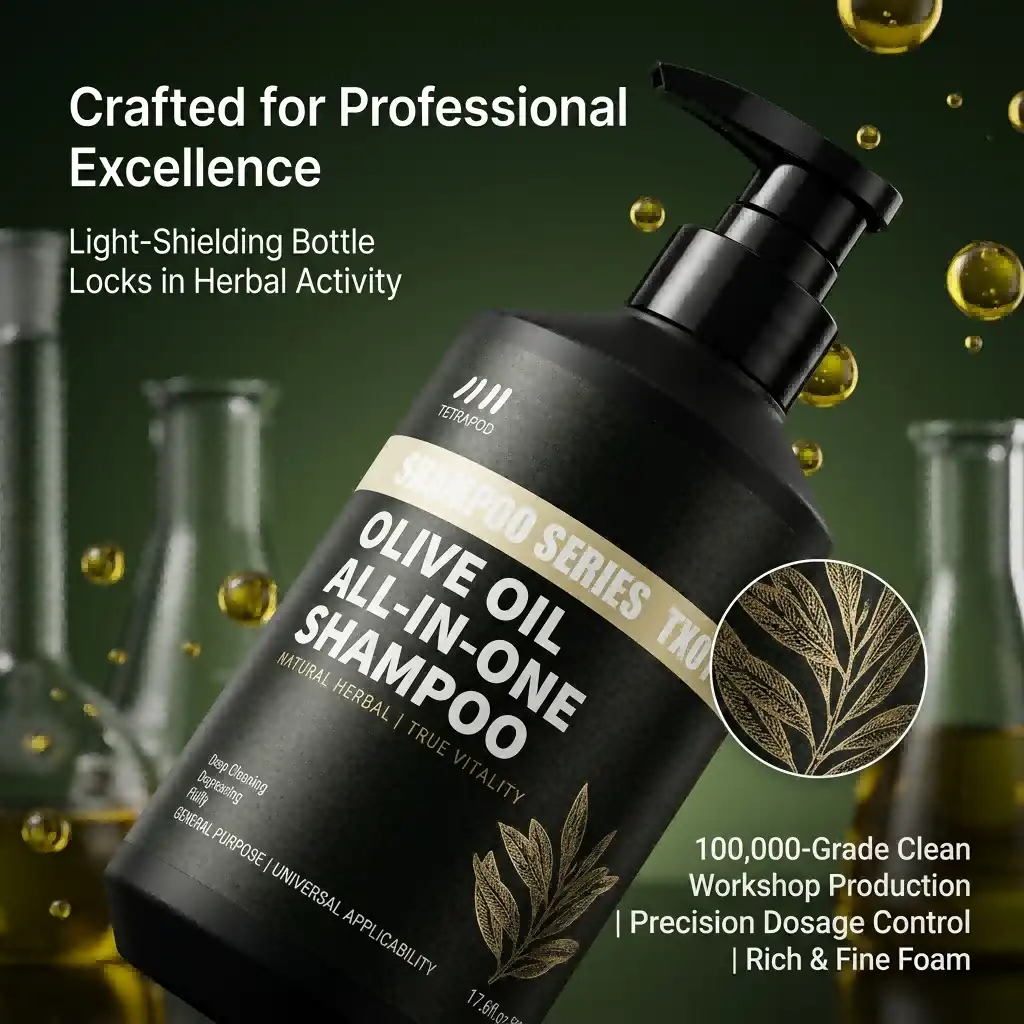
Cleansers that contain chemicals, sodium lauryl sulfate, and fake fragrances are very different from Herbal Pet Shampoo. These natural cleaners use glycosides and betaines from plants to clean gently but effectively, and herbal products offer medicinal benefits that chemical-based cleaners cannot match.
Why Plant-Derived Ingredients Matter for Canine Skin
Dog skin has a pH that stays steady between 6.5 and 7.5, while human skin is more acidic. This delicate balance is thrown off by strong chemical products that wash away important oils and make the skin less healthy. Herbal Pet Shampoo ingredients that are good for dogs don't hurt them; they help them. Aloe vera truly cleanses thanks to its polysaccharide content, and chamomile's anti-inflammatory properties ease pain without the need for medicine. Neem is a natural germ killer that can get rid of bugs and fungus. It helps with common skin problems without making bacteria resistant, which is a problem that is getting worse because manmade antimicrobials are used too much.
Dispelling Common Misconceptions
Some procurement professionals aren't sure if Herbal Pet Shampoo really gets rid of bugs and germs. To fix these issues in current recipes, plant-based actives that are concentrated and better detergent mixes are used. Herbal shampoos might not foam as much as shampoos with a lot of sulfates, but how well they clean is based on micellar action, not foam volume. Ingredients like limonene and neem oil are good at keeping pests away and keeping up with their maintenance. However, they work best when used to get rid of pests before they get too bad.
How Herbal Pet Shampoo Works: From Ingredients to Action
When buying, teams know how herbal pet shampoo plant formulas work; they can better judge what a product says about itself, and give people good direction. Each part of the plant does a certain job, but when they work together, they provide benefits that normal products cannot match.
Active Herbal Compounds and Their Functions
Aloe barbadensis gets into the skin and hair shafts to moisturize and help cells grow back. It does this through mucopolysaccharides. This makes it great for dogs whose skin is damaged and needs to heal or is dry all the time. There are chemicals in chamomile called azulene and bisabolol that make skin less red and sensitive without the bad effects of drugs. Because it has beta-glucans in it, colloidal oatmeal makes a barrier over the skin that keeps wetness in and stops itching right away. Bacteria and fungi cannot replicate themselves or grow when azadirachtin and nimbin are present in neem products. This natural ability to kill germs helps with pyoderma and Malassezia diseases that happen a lot in veterinary dermatology. Because it has terpenes, tea tree oil can kill bacteria when it is mixed correctly and diluted. Cat-safe mixes, on the other hand, cannot have this ingredient or very little of it because cats' metabolisms are different from those of dogs.
Practical Application Guidelines
Rates of dilution are very important in business. This can be anywhere from 10:1 to 30:1 for strong Herbal Pet Shampoo, but it depends on the coat condition and how hard the water is. Proper dilution maintains cleaning power while making the product last longer. How often you use it varies by the breed and lifestyle, but plant-derived formulas usually allow for more frequent cleaning without damage building up over time. This is very important for show dogs that need to be groomed often. Contact time changes how well the product works. Leave Herbal Pet Shampoo on the body for three to five minutes before washing it off. This lets the plants' active ingredients have time to do their job and help with healing. No matter what kind of blend is used, it is still important to rinse well because any product that is left behind can attract dirt or cause matting.
Market Overview: Comparing Herbal Pet Shampoo Options
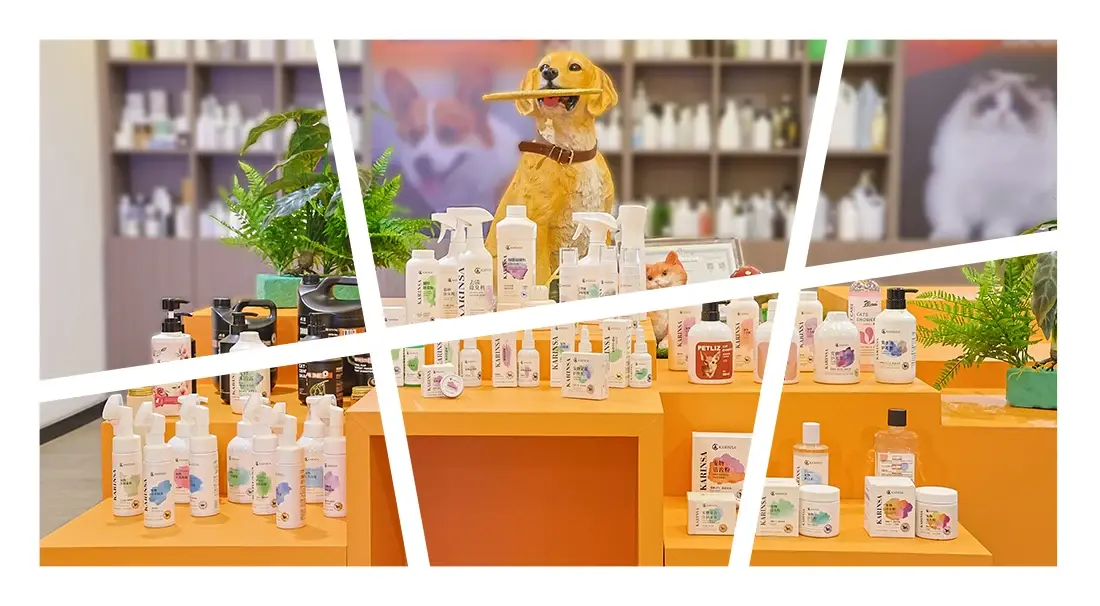
There are a lot more formulas for herbal pet care now that the market has grown. These formulas can be used to treat different skin problems and meet business needs. Procurement teams can choose items that meet customer wants and follow the rules better when they know how to position a product on the market.
Safety and Efficacy Considerations
Herbal Pet Shampoo prioritizes the health of the skin in the long run rather than how it looks right now. There are chemical choices that can quickly make the coat shine through a silicone cover. However, this fake shine can hide dry skin and hold dirt against the skin. When you nourish the hair shaft from the inside, conditioners made from plants like argan oil and ginseng extract bring out its natural luster. This makes the hair smoother and easier to style over time. The environment is getting more important to people when they decide what to buy. Herbal goods are better for the earth because they break down quickly in wastewater systems. As cities and towns make their rules about water safety stricter, this is becoming more important. Even more green efforts, herbal pet shampoo can be made with biodegradable packaging, and many shops now ask their providers to do so.
Product Performance Categories
Skin care products for sensitive skin focus on plants that are hypoallergenic and leave out common allergens, essential oils, and artificial colors. Because some dog breeds are more likely to be allergic, these things are made specifically for those dogs. Neem, eucalyptus, or citronella oils that are concentrated and used in medicinal amounts keep fleas and ticks away. They keep parasites away between regular treatments with conventional parasiticides. Coats have special care needs that can be met by formulas made just for them. Long-haired breeds benefit from silk proteins and other detangling products that work well without heavy silicones. For double-coated types, you need items that can penetrate their thick undercoats without dragging their guard hairs down. Color-enhancing versions use botanical pigments and pH optimization to bring out the deeper tones in natural coats before a show.
Buying Guide for Bulk and B2B Herbal Pet Shampoo Procurement

To be successful at procurement, you need to do more than just compare prices when you look at different sellers. Customer satisfaction and long-term relationships rely on constant quality, following the rules, and running your business in a reliable way.
Supplier Evaluation Criteria
The first step to making smart buying decisions is ingredient transparency. Companies that are known for making good products give full INCI (International Nomenclature of Cosmetic Ingredients) lists that show where the ingredients come from and how much of each there is. This ensures that all stores follow the rules for labeling and lets shops answer questions from customers with trust. Quality badges prove that a product is safe and was made according to the rules. There is a plan for managing quality if the company is approved by ISO 9001, and clean work areas are ensured by following GMP (Good Manufacturing Practices). When goods are sold in Europe, they need to be CE approved. In the U.S., goods must be registered with the FDA before they can be sold. Do not believe what the ads say; instead, ask for documentation verifying these skills are real. Production capacity and consistency have an effect on how reliable the supply is. Because well-known brands have stable ties with the companies that supply them with raw materials, formulas don't change from one batch to the next. Check with possible companies to see how they keep quality high. Leading facilities test at raw material receipt, during production, and before final packaging. This multi-stage verification cuts down on rejection rates and customer complaints.
Cost Analysis and ROI Justification
When deciding what to buy, you should think about more than just the unit cost. Herbal Pet Shampoo tends to command premium pricing compared to regular shampoos. Concerns about product liability are lessened by natural formulas, and market growth is being driven by customer tastes—sales growth in the natural pet care segment often outpaces that of the conventional herbal pet shampoo product segment. Calculate the landed cost instead of just the FOB price. This includes shipping, duties, and warehousing. Supply companies can get the best prices when they have favorable relationships with shipping companies and offer a variety of shipping options, like air freight for quick restocking and sea freight for big orders. Losses from damage or delays are less likely to happen when exports are packed professionally and tracked in real time. Volume commitments often unlock preferential pricing tiers and exclusive terms. However, balance commitment levels against inventory turnover rates to avoid capital tied up in slow-moving stock. Businesses that manage diverse product lines have more flexibility when they buy from suppliers that offer mixed container shipments.
Future Trends and Opportunities in the Herbal Pet Shampoo Market
The market keeps changing because customers are learning more about natural pet care, new ingredients are being found, and rules are evolving. If a business has buying plans that are open and look to the future, these changes can help them.
Sustainability as Competitive Advantage
More and more, both business-to-business and consumer markets value environmental stewardship. Stores that care about the earth are selling things like biodegradable products in recyclable packaging and goods that don't release any carbon when they ship. When sellers show they care by being open about how their products affect the world and running programs to always get better, they become preferred partners. Ingredient sourcing transparency is more than just getting them certified organic. It also means knowing about fair trade and the ethics of the supply chain. People and shops both pay close attention to botanical goods to see if they support fair pay for farmers and sustainable harvesting. When companies spend money on responsible sourcing, they create differentiated value propositions.
Regulatory Landscape Evolution
All over the world, ingredient restrictions are tightening. More and more limits are being put on synthetic stabilizers and surfactants by the EU's REACH rules. This is making more people want natural alternatives that are compliant and safe. Proposition 65 in California and other similar regional legislation require transparent disclosure of potentially harmful substances, creating competitive advantages for genuinely clean formulations. Proactive suppliers maintain regulatory expertise across multiple markets and make plans ahead of time to meet new requirements. You can avoid costly re-formulations and delays in getting your goods to market if you plan ahead. This protects your brand's distribution channels and methods of distribution.
Conclusion
Natural ingredients used in professional pet care have gone from being a niche choice to being the mainstream expectation. Herbal Pet Shampoo formulations deliver therapeutic benefits, safety profiles, and environmental advantages that conventional products cannot match. People who work in procurement can help businesses grow and keep customers happy by knowing how ingredients work, how the market is positioned, and what suppliers can do. As the industry continues to move toward being more sustainable, transparent, and efficacious, companies that share these values will have the chance to grow. Your product portfolio will do well in this expanding market area for a long time if you invest in quality herbal formulations from reliable manufacturers.
FAQ
1. Are herbal shampoos safe for puppies and dogs with sensitive skin?
Yes, good plant remedies are made to work especially well on sensitive skin and animals that are young. Ingredients from plants, like chamomile and colloidal oatmeal, clean gently without using harsh chemicals that can damage the skin barrier. These products do not have synthetic fragrances, sulfates, or parabens, which are known irritants. The formulation with a neutral pH respects canine skin physiology and makes them less likely to get an infection. A lot of veterinary dermatologists recommend herbal options for dogs with atopic dermatitis or chemical sensitivities.
2. Do herbal shampoos effectively control fleas and allergies naturally?
Using herbal chemicals like neem oil and limonene to keep pests away has been shown to work. These natural compounds are effective for maintenance between regular treatments. Fleas and ticks are repelled by these botanical ingredients, so they don't build up a resistance as they do with synthetic pesticides. However, to get rid of active infestations completely, you need veterinary-grade parasiticides. For allergies, natural anti-inflammatory compounds help ease symptoms by soothing irritated skin and supporting the function of the barrier, though they complement rather than replace medical treatment for severe conditions.
3. What advantages does bulk purchasing offer B2B clients?
You can save a lot of money by buying in bulk. This is because you can get volume discounts and pay less for shipping per unit. Supply stability ensures that goods are always on hand, even when companies are busy, and manufacturing capacity constraints affect smaller orders. Established suppliers offer preferential terms, including extended payment periods, priority production scheduling, and exclusive formulation access. Because of the long-term nature of the partnership, private labeling and recipe adjustments can be made to fit the needs of a specific market, creating competitive differentiation unavailable through spot purchasing.
Partner with Pet Autra: Your Trusted Herbal Pet Shampoo Supplier
Pet Autra makes natural care products that are above and beyond what the market expects. They do this by combining more than 20 years of experience making products with cutting-edge formulation skills. Our herbal pet shampoo is made from only natural plant-based chemicals that stop germs and fungus from growing and soothe itching and dandruff like medicine. The mix cleans the hair deeply without changing its appearance. It stays soft, shiny, and healthy. As a full OEM/ODM service, we help brands grow by helping them choose scents and special formulas and making packages in a number of languages. Our 500-bottle minimum order size is open for businesses that are growing, and our automated production lines promise quality that is the same every time and quick turnaround. The building we work in is ISO- and GMP-certified and has cutting-edge equipment like a 100,000-class cleanroom and specialized sterilization lines that test goods thoroughly. Global logistics capabilities include many ways to send things, low freight rates made possible by long-term partnerships with companies, and professional export packaging that makes sure the goods arrive safely. We give you all the information you need to follow FDA, CE, and other international rules, such as MSDS, COA, and ingredient lists. Our team of experts is here for local markets 24 hours a day to answer questions and provide comprehensive localized support. Ready to add more high-quality botanical solutions to your product portfolio? You can email Pet Autra at sales@shampoopet.com to talk about your procurement needs.
References
1. Campbell, K.L. (2006). "Small Animal Dermatology Secrets." Hanley & Belfus, Medical Publishing Division.
2. Miller, W.H., Griffin, C.E., and Campbell, K.L. (2013). "Muller and Kirk's Small Animal Dermatology, 7th Edition." Elsevier Health Sciences.
3. Noli, C. and Scarampella, F. (2019). "Practical Guide to Canine Dermatology." European Veterinary Dermatology Association Press.
4. Reedy, L.M., Miller, W.H., and Willemse, T. (1997). "Allergic Skin Diseases of Dogs and Cats, 2nd Edition." W.B. Saunders Company.
5. Scott, D.W., Miller, W.H., and Griffin, C.E. (2001). "Muller and Kirk's Small Animal Dermatology, 6th Edition." W.B. Saunders Company.
6. White-Weithers, N. and Medleau, L. (2006). "Organic Pet Care: Natural Health for Dogs and Cats." Lumina Media.

Send Inquiry
You may like