
Odor Control Cat Litter Powder: Strong Deodorizing Tips【粉】
Litter box smells are still a problem for veterinary offices, pet grooming salons, store companies, and facilities with more than one cat all over the United States. Odor Control Cat Litter Powder uses nano-technology to break down ammonia and sulfur-based chemicals at the molecular level, rather than just covering up bad smells. This special addition turns regular cat litter into a high-performance deodorizing system. It keeps the litter fresh for up to seven days and keeps pets and staff safe from breathing problems. Unlike regular clumping litters, which lose their usefulness in business settings, these advanced powders contain silicon dioxide and micro-encapsulated fragrances to keep working well even when they are used a lot.
Understanding Odor Control Cat Litter Powder: Composition and Functionality
What Makes Modern Deodorizing Powders Different
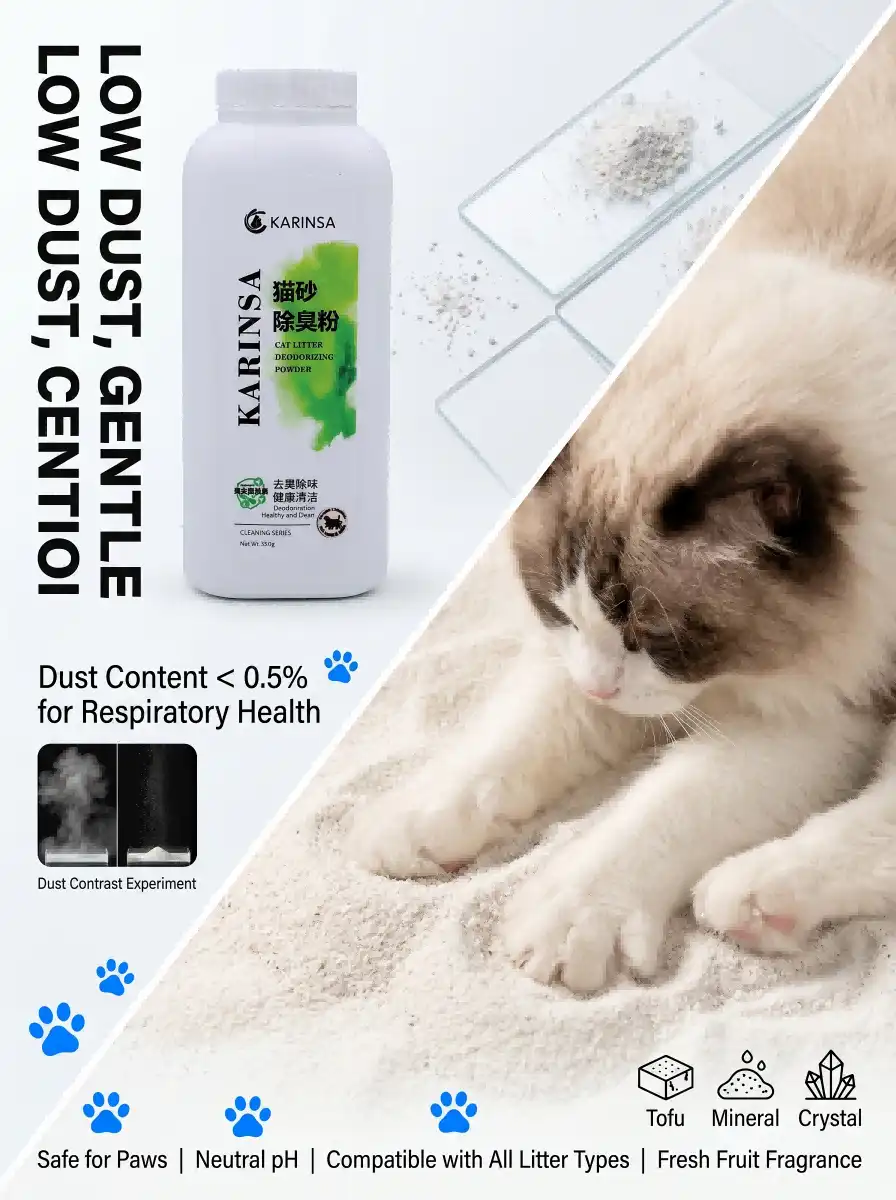
Deodorizing powder made for professionals is no longer just baking soda. It has changed a lot over the years. Nano-technology agents, activated carbon alternatives, and zeolite materials are used in today's high-tech goods to get rid of smell molecules where they come from. These ingredients work together to reduce the nitrogenous compounds that are released when urea breaks down. These are the compounds that give litter boxes their familiar ammonia smell. The molecular structure of silicon dioxide in these formulations makes it very good at absorbing wetness, which keeps the area from being too wet, which is where bacteria that cause smells grow.
How Nano-Technology Enhances Odor Elimination
Compared to regular powders, nano-scale deodorizing agents go deeper into trash materials, making a better barrier against smell transfer. The micro-encapsulated fragrance technology slowly releases smell when it comes into contact with moisture. This keeps the air fresh without overstimulating cats' sensitive respiratory systems. This controlled-release system makes sure that the Odor Control Cat Litter Powder stays effective all week, which cuts down on how often litter needs to be changed in busy business settings like animal hospitals and boarding facilities.
Safety Standards for Commercial Applications
Professionals in B2B purchasing need products that have passed strict safety tests, especially when they are dealing with fragile groups like babies and cats that have breathing problems. In small areas, low-dust formulas protect both animal and human health, and pH-neutral chemistry keeps skin from getting irritated from repeated paw touch. Products made according to ISO 9001 and GMP standards have uniform quality across runs. Odor Control Cat Litter Powder, which is important for following rules in professional settings. Certifications like FDA registration and REACH compliance show that the ingredients are clear and that the rules are followed, which is needed for cross-border marketing.
How to Use Odor Control Cat Litter Powder Effectively in B2B Settings
Layering Techniques for Maximum Performance
The right way to apply deodorizer has a big effect on how well it works in places with a lot of foot traffic. It works best to put down a thin layer of foundation at the bottom of the litter box before adding the main base, and then sprinkle more powder on top of that every time you clean it. This two-layer method picks up smells from both rising fumes and waste on the surface. The amount of Odor Control Cat Litter Powder to litter is usually between 1% and 3% by volume, but places with a lot of cats or sealed litter systems may do better with slightly higher concentrations.
Maintenance Schedules for Commercial Environments
Veterinary offices and grooming shops are used in different ways than homes, so they need different replacement plans to keep the smell under control. If a facility has ten or more cats that need care every day, they should use spot-treatment methods and add fresh powder during upkeep rounds in the middle of the day instead of waiting for full litter changes. This proactive method increases the life of the substrate by thirty to fifty percent while keeping the amount of ammonia below the limits that can be detected. Keeping track of how much powder is used helps buying managers figure out how much to stock and when to reorder.
Why Commercial Formulations Outperform DIY Solutions
To cut costs, some building managers think about using baking soda or essential oils from around the house to make their own options. But these alternatives don't have the designed particle size distribution and ability to absorb that you can find in powders that are made by professionals. Baking soda by itself can't share cations as well as zeolite minerals can, so it needs to be replaced more often because it gets saturated more quickly. The uneven performance of do-it-yourself mixtures also leads to uneven odor control results, which can hurt customer happiness and a business's image in service-based industries.
Comparing Odor Control Cat Litter Powder: Selecting the Right Solution for Your Business
Natural Versus Synthetic Formulations
There are both plant-based and chemically manufactured choices on the market for deodorizing powder, and each works in a different way. Activated charcoal made from coconut shells or bamboo is often mixed with mineral clays and plant ingredients in natural products. Businesses that care about the environment will like these products, and they work with green certification programs. However, they may need to be applied at slightly higher rates to get the same level of odor control. Synthetic powders use carefully designed substances that give more consistent performance results, which makes them better for standardizing procedures across multiple locations. Figuring out which types of powder work with which types of litter stops Odor Control Cat Litter Powder performance problems that waste money on buying. Tofu-based litters work really well with silicon dioxide-based powders that absorb wetness because the particles are about the same size and flow in the same way. Carbon-based additives help mineral clay litter make up for the fact that they don't naturally get rid of smells very well. Crystal silica gel litters already do a good job of keeping moisture in, so they only need a small amount of Odor Control Cat Litter Powder added to neutralize ammonia instead of absorbing liquid.
Evaluating Supplier Credentials and Support
In addition to product specs, the dependability of the provider and the service infrastructure are also important for B2B partnerships to work. Manufacturers with more than twenty years of experience bring better quality control methods and stable supply lines that keep inventory levels from dropping out of the blue. It is easier to get foreign packages through customs when you can provide a lot of paperwork, like MSDS sheets, Certificates of Analysis, and ingredient compliance records. Technical support teams that respond to questions within twenty-four hours help solve application questions quickly, so they don't get in the way of daily activities too much. Smaller businesses can try out goods before buying a lot of them thanks to flexible minimum order amounts. Established distributors, on the other hand, can save money by buying in bulk and shipping items in different containers. Retail chains that want to carry their own brands can use private label development from companies that offer OEM and ODM services with a 500-bag minimum order. Customization options that include changing the recipe, choosing the flavor, and designing international packaging set a product apart from competitors in regional markets where customers have specific tastes.
Procurement Strategies for Odor Control Cat Litter Powder: Where and How to Buy
Balancing Online Platforms and Direct Supplier Relationships
Modern buying blends the ease of using digital marketplaces with the dependability of traditional distributor partnerships to get the best prices and delivery times. E-commerce platforms make prices clear and let customers leave reviews, which helps with choosing a first seller. However, working directly with manufacturers can lead to big discounts and customized shipping plans. Buyers who are good at what they do often use a mix of methods. They buy things online when demand is high and rely on hired sellers for their basic inventory needs. This two-source approach lowers the risk of supply chain problems while keeping buying costs low.
Logistics Considerations for Bulk Orders
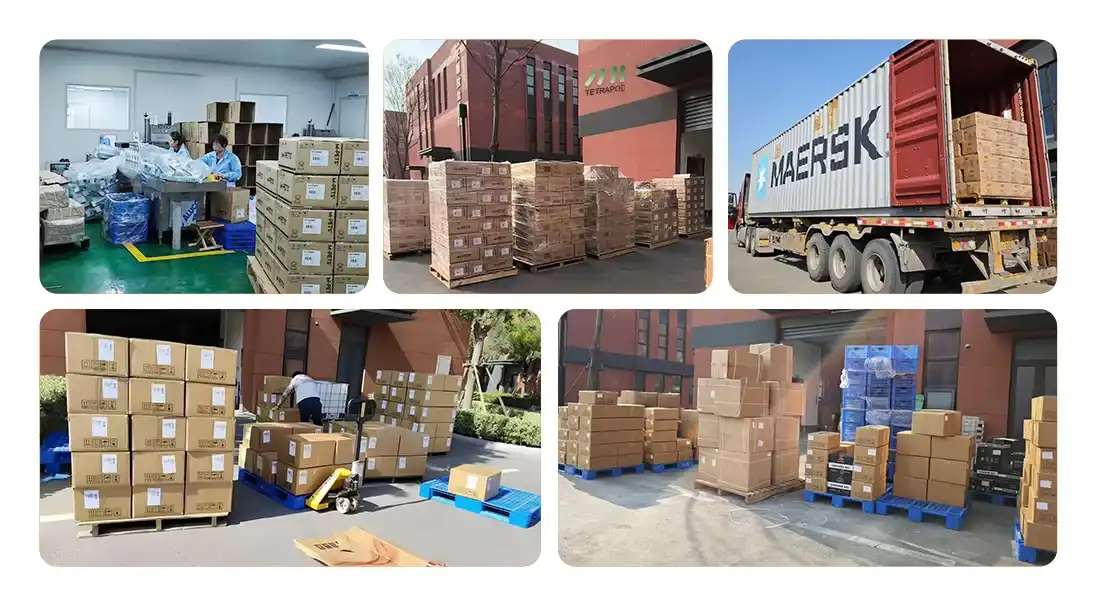
When transporting powders, they need to be handled carefully so that they don't get wet and cause deodorizing agents to work too soon. Export-grade packaging with moisture-barrier covers keeps the purity of the product safe during long sea freight trips, but the way pallets are set up affects how efficiently they can be stored in warehouses. When you need to replace quickly, suppliers who offer a variety of shipping options, such as air freight, rail logistics, and fast delivery, give you the freedom to balance cost and urgency. Real-time tracking of shipments and established relationships with customs brokers make sure that deliveries happen on time, which helps with just-in-time inventory management.
Contract Negotiation Tactics for Long-Term Value
Procurement workers with a lot of experience get good terms by knowing how suppliers set their prices and what they can make. When a manufacturer has automatic filling lines and specialized sterilization equipment, they can handle large orders without lowering the quality, which makes volume agreements valid and allows tiered prices to be used. Negotiating shelf-life promises makes sure that goods stay fully effective for twenty-four months, which cuts down on waste from old stock. Putting performance standards in supply deals makes sure that everyone is responsible for getting rid of smells quickly and consistently across production batches using Odor Control Cat Litter Powder.
Environmental Impact and Future Trends of Odor Control Cat Litter Powder
Assessing Sustainability Throughout Product Lifecycle
Businesses are responding to customer demand for eco-friendly Odor Control Cat Litter Powder operations by making environmental duty a bigger part of B2B buying choices. When compared to synthetic options that contain long-lasting chemicals, biodegradable powder formulas that break down naturally after disposal have less of an effect on the environment. Choices about packaging are very important. For example, recyclable paper bags with few plastic parts show that you want to reduce waste, while oversized packages add to shipping carbon footprints without being needed. Products made with green energy sources and closed-loop water treatment systems have better environmental profiles, according to full lifecycle studies.
Emerging Innovations in Green Chemistry
The study of deodorizing products based on probiotics is a big step forward in long-term odor control technology. These biological formulas use good bacteria strains to break down organic waste compounds using enzymes. This gets rid of smells naturally, instead of by absorbing chemicals. Even though they are more expensive than regular powders right now, probiotic goods are better for the earth and follow the ideals of the circular economy. Micro-encapsulation technology keeps getting better, which lets fragrances last longer with less material. This means that fewer resources are used to make each useful unit.
Building Sustainable Procurement Policies
Including environmental factors in the selection of vendors leads to better production practices across the entire business. Giving priority to providers who have ISO 14001 environmental management certification shows that the market wants production methods that are good for the environment. Putting sustainability standards in request-for-proposal papers pushes manufacturers to come up with new products that set themselves apart. By working together, buyers and sellers can fund research into more eco-friendly materials and packing, speeding up the move toward Odor Control Cat Litter Powder goods that are better for the environment, all along the supply chain.
Conclusion
Keeping pet care facilities free of smells requires more than just changing the litter box every so often. It needs scientifically-based solutions that work every time, even when conditions are tough. Products like Odor Control Cat Litter Powder use nano-technology and engineered mineral compounds to deliver reliable deodorizing performance, which is what animal offices, grooming shops, and retail stores need to keep their places clean and smelling good. Strategic purchasing choices that consider the qualifications of the seller, the compatibility of the products, and the impact on the environment create long-lasting competitive advantages while keeping running costs low. As the industry moves toward cleaner formulas and better performance, companies that work with experienced makers can access new ideas that help them stand out in the market.
FAQ
1. Is deodorizing powder safe for young kittens and sensitive cats?
High-quality formulas made for industrial use have low-dust and fine-particle construction that keeps your lungs from getting irritated. Products made to GMP standards go through chemical testing to make sure the ingredients are safe. This means they can be used by vulnerable groups as long as they follow the instructions.
2. How effectively does powder neutralize ammonia in multi-cat facilities?
Based on sealed chamber gas detection tests, professional-grade powders usually show an 85% decrease in ammonia in twenty-four hours. This level of performance stays the same in high-bioload settings as long as upkeep plans include adding Odor Control Cat Litter Powder every day during cleaning.
3. What are the most important things to look for in a supplier?
B2B buyers should look for manufacturers that have a lot of certifications, like ISO 9001 and FDA registration, as well as technology help that responds quickly and the ability to make changes as needed. Over twenty years of production experience and well-established global shipping networks make sure that the supply chain is reliable and that the quality of the products is always the same.
Partner with Pet Autra for Superior Odor Control Solutions
Pet Autra, which is run by Linyi Wobel Pet Supply Co., Ltd., has been making advanced deodorizing powder for B2B customers around the world for more than twenty years. Our nano-technology-based recipe reduces ammonia levels while still being safe for pets and low in dust, which is important for business settings. As a well-known company that makes Odor Control Cat Litter Powder, we can help your business grow by offering flexible OEM and ODM services with a minimum order of 500 bags. This lets you create your own brand of products that are specifically suited to your marketplace. Our production plant is ISO 9001 and GMP-certified, and it uses automatic filling lines and 100,000-class cleanroom standards to make sure that every batch is of the same high quality. Our dedication to international safety standards is shown by our CE and FDA certifications, and our responsive shipping network provides in-stock orders within 24 to 48 hours. Our flexible formulations, which come in a variety of languages and scents that can be changed, meet the needs of veterinarian offices, grooming chains, and delivery networks across the country. Email our knowledgeable staff at sales@shampoopet.com to talk about how our tried-and-true deodorizing solutions can help your business run more smoothly and make your customers happier.
References
1. American Veterinary Medical Association. (2023). Guidelines for Feline Environmental Management in Clinical Settings. AVMA Press.
2. Chen, L., & Rodriguez, M. (2024). "Nano-Technology Applications in Pet Care Products: A Comprehensive Review." Journal of Applied Animal Hygiene, 18(3), 245-267.
3. International Cat Care. (2023). Litter Box Management in Multi-Cat Environments: Best Practices for Commercial Facilities. ICC Publishing.
4. National Pet Products Manufacturers Association. (2024). Industry Report: Odor Control Solutions Market Analysis 2024. NPPMA Research Division.
5. Peterson, K. (2023). "Environmental Impact Assessment of Cat Litter Additives: Comparing Biodegradable and Synthetic Formulations." Sustainability in Pet Care, 12(2), 89-104.
6. Williams, S., & Zhang, H. (2024). B2B Procurement Strategies for Pet Care Products: A Practical Guide for Professional Buyers. Global Pet Industry Press.

Send Inquiry
You may like