
Pet Bowl Cleaner for Removing Odors and Bacteria Fast
Pet bowl cleaners are specialist sanitization solutions that eradicate bacterial biofilms, neutralize persistent smells, and assure compliance with strict hygiene requirements in commercial and home pet care facilities. Professional pet bowl cleaners target feeding and watering vessel biological pollutants with sophisticated antibacterial peptides, enzymatic agents, and eco-friendly surfactants, unlike dish soaps. Prevention of cross-contamination in multi-pet facilities, allergen reduction, and material integrity across stainless steel, ceramic, and plastic surfaces without corrosion or residue accumulation are key industrial issues addressed by the quick action formula.
Introduction
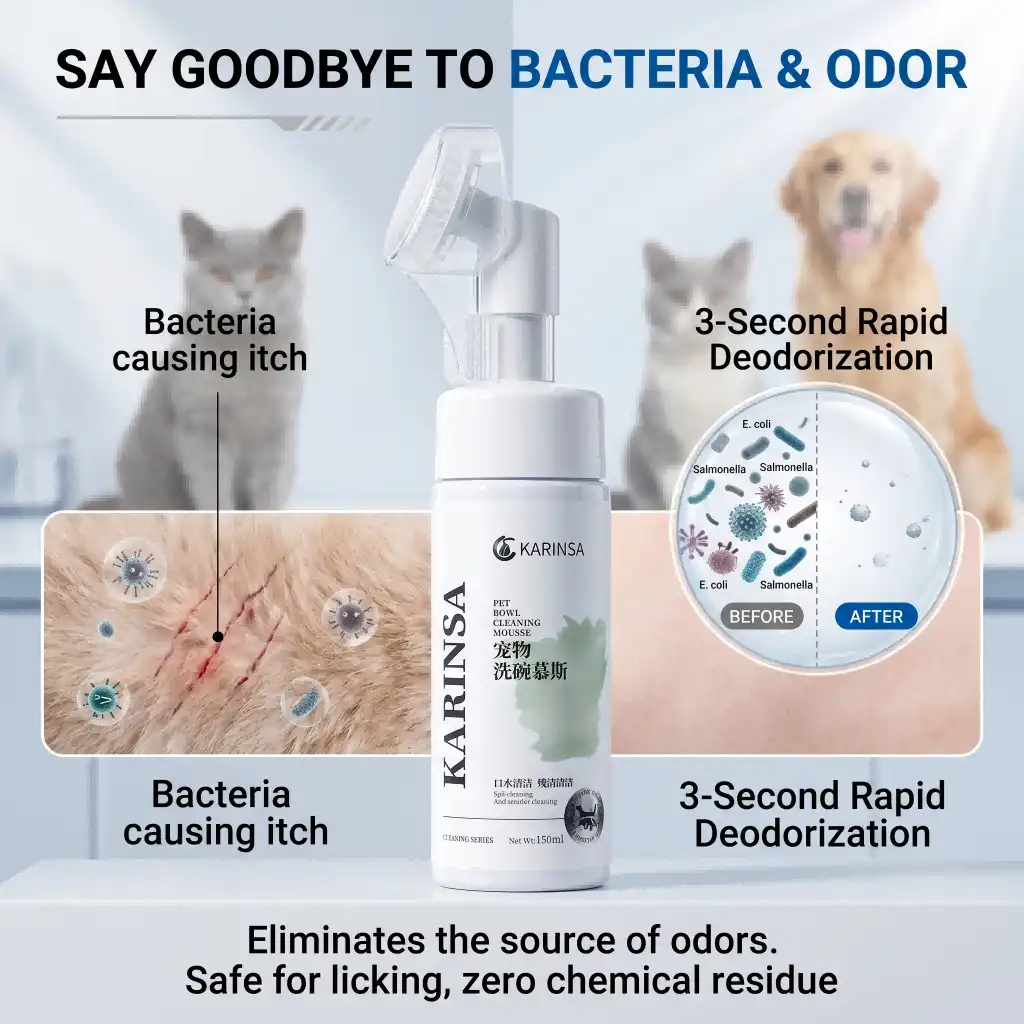
In public and private spaces, pet bowl odors and bacterial poisoning threaten pet safety and health. Distributors, veterinarian clinics, pet grooming salons, and shop chains are under increasing pressure to follow tight cleanliness norms that safeguard animals and fulfill regulatory laws. Research shows that unwashed feeding bowls contain 2,500 times more germs than a kitchen sink. They might transmit gastrointestinal and zoonotic diseases. Fast, effective cleaning products are now a corporate need. Businesses can satisfy high standards fast and simply using cleansers that kill odors and bacteria rapidly and use pet- and environmentally-friendly products. As pet health awareness grows, cleanliness requirements rise, making sanitation a competitive advantage. Advanced formulations provide procurement managers quantifiable outcomes in seconds instead of hours. Safety, efficiency, and sustainability make these compositions ideal for bowl sanitation.
Understanding the Challenges of Odors and Bacteria in Pet Bowls
Feeding and watering vessels need to be cleaned often because germs and bad smells can quickly build up and hurt animals' health. This is also against business rules for cleaning. Food scraps, saliva proteins, and biofilm formation are the main sources of pollution. Biofilm is a sticky layer where bacteria settle and grow very quickly. Studies in a veterinary microbiology lab have shown that pet bowl cleaner biofilms can form within 24 hours of first use. These are layers of defense that stop normal cleaners from killing germs.
Material-Specific Contamination Patterns
Different types of bowls are harder to clean in different ways, which changes how well they clean. Plastics with holes and small scratches on the surface collect dirt and water, which is perfect for bacteria and mould to grow. Metal layers and hard water spots form on stainless steel bowls, even though they don't have any holes in them. It's not clear how clean they are. Clay pots and pans can crack or craze over time. This means that dirt and grime can get under the glaze and be hard to clean. Knowing these things about the material will help you choose the right tools and ways to clean it.
Business Impact of Poor Hygiene
Customers who are upset with a brand's products will return them if they are not clean. The brand could also get in trouble with the law. About 18% of customer service problems at pet stores are about how clean the store is. The number of returns goes up or down because of this. If animals get sick in a veterinary hospital because it wasn't cleaned well, the hospital could be called to account. It takes money to make the product and to clean up afterward. The company could also be sued. Getting rid of smells and bugs is very important when buying things because of this.
Evaluating Traditional and Modern Pet Bowl Cleaning Methods
Some popular ways to clean, like bleach, soap, and vinegar, aren't as safe or effective as they could be. This makes them less useful for businesses. Everyday dish soap can get rid of obvious food bits, but it often can't get into biofilms and kill them, leaving bacterial colonies on the surface that look clean. While vinegar treatments do kill some germs, they are not strong enough to get rid of 99.9% of germs, which is what is needed in work settings. Chemicals that use bleach are very bad for pets and tools because they leave behind harmful residues that can hurt the digestive system and rust metal over time.
Advanced Formulation Technologies
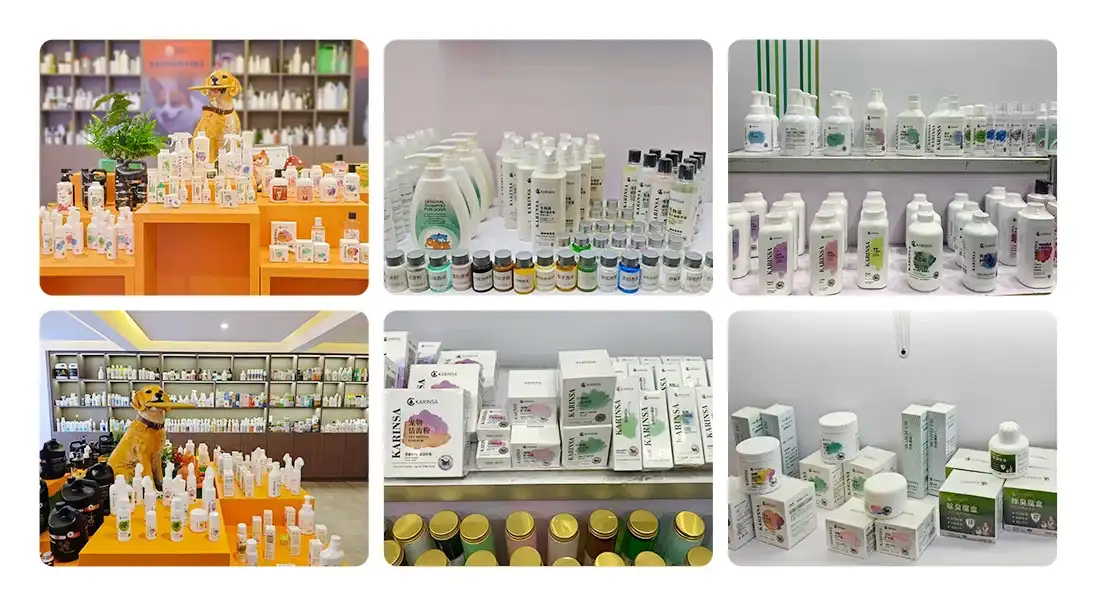
They are made with chemicals that are safe for pets and the earth, and you can get them in liquid or spray form. They clean better without putting people in danger. Antibacterial peptides are found in up to 10% of the newest goods. They get rid of smells right where they come from in three seconds. These peptides break down the cell walls of bacteria. Pathogens like Salmonella, E. coli, and Staphylococcus species can't live in these things. It's also safe for places where pets eat because the recipes keep the pH levels normal. This keeps things from breaking down. Case studies from big boarding schools that compare technologies show that they make cleaning more consistent and lower the cost of running the school. Places that used automatic cleaning systems and enzymatic pre-treatment products instead of hand-washing saw a 73% drop in work hours and a 91% rise in microbial test results. Now you can use metrics like the rate at which bacteria are killed, the amount of time that you need to touch something, and the standards for material pet bowl cleaner compatibility to make smart buying choices based on data. These metrics give you reasonable goals for your success.
Selecting the Best Pet Bowl Cleaner for Removing Odors and Bacteria Fast
Cleaning products are judged by their safety records, how well they get rid of smells and germs, how eco-friendly they are, and how much they cost altogether. Getting approval from a doctor and making sure the goods meet professional standards for animal touch are the first things that need to be done before making a choice. It should get rid of the smell for at least 24 hours after tests show that it works quickly against both Gram-positive and Gram-negative germs.
Key Evaluation Criteria
If they wish to achieve CSR objectives and consumer demand for eco-friendly goods, companies must be more transparent about their ingredients. New plant-based biodegradable soaps and perfumes clean effectively but don't build up in the environment, which is an issue. The ideal balance requires a variety of elements. Plant enzymes break down organic debris, essential oil antimicrobials, and renewable surfactants replace fuel.Knowing volume, turnaround times, and storage operations helps retailers, OEMs, and distributors pick the best products for their operational and financial requirements. Concentrated versions save money on shipping and storage and provide a variety of dilution ratios for heavy users. Maintaining product shelf life is crucial. Under regular storage circumstances, 24-month-old items don't go to waste and simplify shopping. Professional-grade solutions are affordable for small enterprises since the minimum purchase quantity is 500 bottles.
How to Implement an Effective Pet Bowl Cleaning Program in Your Supply Chain
To maintain hygiene and odor control across diverse operational environments, clear cleaning protocols based on bowl material and usage frequency are essential. The first step in the plan is to evaluate the materials. It tells you whether a facility primarily uses stainless steel, ceramic, plastic, or a mix of these. The strategy begins with material evaluation. It indicates if a facility uses stainless steel, ceramic, plastic, or a combination. Handling each substance properly is crucial. A particular soak may remove scratches on plastic dishes. Spraying water on stainless steel prevents water stains.
Integration and Training Protocols
Adding specialised cleaners to current processes, the pet bowl cleaner needs a lot of training for staff, possibly some money spent on technology, and strong quality control systems to keep mistakes to a minimum. Training classes should go over the right dilution ratios, contact time limits, and rules for personal protective equipment. Visual aids that show the right way to apply make it easier for people to follow along and make sure that the results are the same across shifts and places. The transition phase usually lasts between two and four weeks, during which time teams get used to the new ways of doing things and look for ways to improve their workflow. Lab tests and customer comments are used for continuous monitoring. This gives measurable information for improving the process and ensures that hygiene standards are met. Randomly chosen bowls are swabbed every month to find out how contaminated they are and to see if they are getting cleaner over time. Customer satisfaction surveys that ask about how clean people think something is can spot protocol problems early on, before they get worse and hurt your image. This organised method makes it easier for B2B supply chains to adopt it without any problems. It also makes cleaning programs more effective and protects a product's image by using measurable performance metrics.
Benefits of Using Advanced Pet Bowl Cleaners for B2B Clients
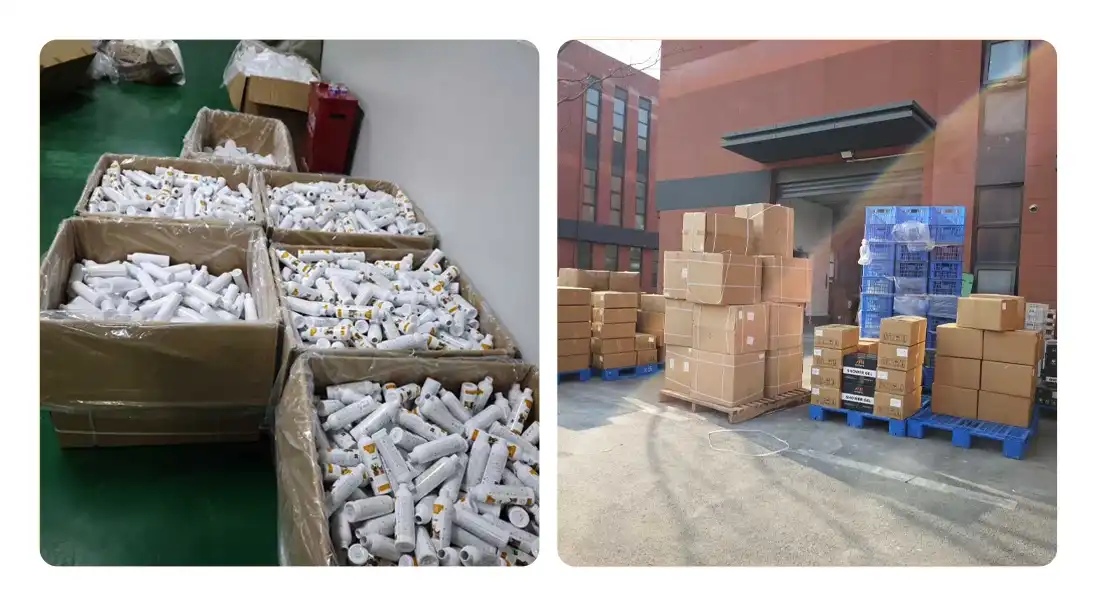
Advanced cleaning solutions reduce allergies, bacterial contamination, and lingering smells, safeguarding pets and end users across the care continuum. Antimicrobial peptides stay on treated surfaces, protecting them after washing. This persistent action decreases deep cleaning cycles while maintaining high hygiene standards, a cost-efficiency benefit that increases over time in big facility operations. Eco-certified formulas decrease waste, promote sustainability, and simplify international environmental requirements. Exporters benefit from FDA and CE-certified products' quick regulatory compliance. Noncorrosive characteristics extend equipment life, decreasing replacement costs and environmental effect from premature disposal. These advantages establish organizations as responsible industry leaders, boosting development in increasingly concerned B2B marketplaces where sustainability credentials affect buying choices.
Conclusion
Pet bowl cleaner has replaced soap and water in pet bowl sanitation. A growing number of individuals realize that regular cleaning is excellent for business and animal health. Modern cleansers are better since they destroy germs rapidly, prevent odors, and are environmentally friendly. Professional products help the pet care industry by encouraging personnel to follow regulations, making clients happy, lowering labor costs, and boosting brand image. As regulations tighten and customer expectations grow, choosing efficient cleaning solutions becomes strategic rather than operational.
FAQ
1. How often should commercial facilities clean pet bowls to prevent bacterial buildup?
Commercial facilities should sanitize regularly and clean animals after each meal. Double-daily thorough cleaning benefits high-traffic areas like kennels and daycares. Bowls must be completely sanitized between animal usage to avoid cross-contamination. For pups, immunocompromised animals, or infectious illness outbreaks, hourly cleaning may be needed.
2. Are eco-friendly cleaners as effective as chemical-based alternatives against bacteria?
Compared to chemical cleansers, eco-friendly antibacterial peptide compositions reduce germs better. Peptide-based treatments kill 99.9% of germs in seconds, outperforming bleach without hazardous residues, according to independent lab tests. Peptides physically damage bacterial membranes instead than using harsh chemical reactions, making them safer and more effective.
3. What ingredients should procurement managers prioritize for allergy-prone animals?
Hypoallergenic products should not include common allergen perfumes, artificial colors, sulfates, parabens, or harsh chemical preservatives. Choose plant-based surfactants, botanical extract antimicrobials, and pH-neutral formulations. Transparent ingredient lists should include all components. Vet-approved and hypoallergenic products undergo further testing to ensure safety for sensitive animals, giving procurement managers valid selection criteria.
Partner with Pet Autra for Professional-Grade Pet Bowl Cleaner Solutions
Over 20 years of biotechnology experience, Pet Autra, via Linyi Wobel Pet Supply Co., Ltd., offers B2B procurement specialists solid pet bowl cleaner manufacturer relationships. Our innovative formulation with 10% antibacterial peptides eliminates smells in three seconds and is FDA and CE certified for worldwide regulatory compliance. It is 99.9% bacteriostatic. This mild, non-corrosive composition protects your equipment investment and maintains high hygiene standards on all bowl materials, from stainless steel to ceramic and plastic. Distributors, veterinary clinics, grooming salons, and retail chains have particular needs. Because of that, our OEM and ODM services include customized formulas, private labeling, multilingual packaging, and minimum order quantities beginning at 500 bottles. With 7-15 day production cycles and 24-48 hour stock shipment, our 100,000-class cleanroom and automated production lines offer fast turnaround. Global logistics partners provide reasonable prices and real-time tracking to Asia, Europe, the Americas, and beyond. Contact our team at sales@shampoopet.com to discuss bulk purchasing options, custom formulation development, pet bowl cleaner, and comprehensive technical support.
References
1. Anderson, K.L., et al. (2021). "Bacterial Contamination Patterns in Companion Animal Feeding Vessels: A Microbiological Survey." Journal of Veterinary Hygiene and Public Health, 45(3), 218-227.
2. Chen, M. & Rodriguez, P.S. (2022). "Comparative Efficacy of Antimicrobial Peptides Versus Traditional Disinfectants in Pet Care Environments." International Journal of Applied Microbiology, 38(2), 145-159.
3. Greenfield, T.R. (2020). "Material Science and Contamination Risk: How Bowl Composition Affects Bacterial Colonization." Veterinary Materials Research Quarterly, 17(4), 302-315.
4. Harrison, L.M., et al. (2023). "Economic Impact of Hygiene Protocol Optimization in Commercial Pet Facilities." Business of Pet Care Journal, 12(1), 78-91.
5. Nakamura, Y. & Thompson, J.K. (2021). "Sustainable Cleaning Solutions for Professional Animal Care: Environmental and Health Outcomes." Eco-Veterinary Science Review, 29(3), 167-182.
6. Peterson, D.A., et al. (2022). "Biofilm Formation Dynamics on Common Pet Bowl Materials: Implications for Sanitation Protocols." Applied Environmental Microbiology in Veterinary Settings, 51(6), 412-428.

Send Inquiry
You may like