
Pet Den Deodorizer Spray That Eliminates Odors in Seconds
A Pet Den Deodorizer spray is a special mixture that is made to get rid of biological smells at the molecular level in pet areas that are small, like cages, crates, beds, and litter boxes. Advanced deodorizing sprays are different from traditional masking agents because they use antibacterial peptides, enzymes, and natural plant extracts to break down the chemical structure of volatile substances made by bacteria, sweat, urine, and feces. This instant neutralization makes the environment healthier and supports infection control measures in both business and home settings. It is essential for professional pet care facilities to keep up with hygiene standards and keep customers happy.
Introduction
Commercial places like kennels, veterinary offices, pet product sellers, and industrial pet facilities have a hard time getting rid of pet smells. Bad smells from urine, hair, and bugs can make customers unhappy and make your business less clean, so you need to be able to control smells well. Our guide talks about how professional Pet Den Deodorizer sprays can help with these problems and shows businesses how to choose and use effective solutions. It gives B2B buyers useful information about product features, safety concerns, and the best ways to buy things. This helps them make smart choices about how to handle smells in high-density animal living environments that protect brand image and improve operational excellence.
Understanding Pet Den Odors and Their Causes
Biological Sources of Persistent Odors
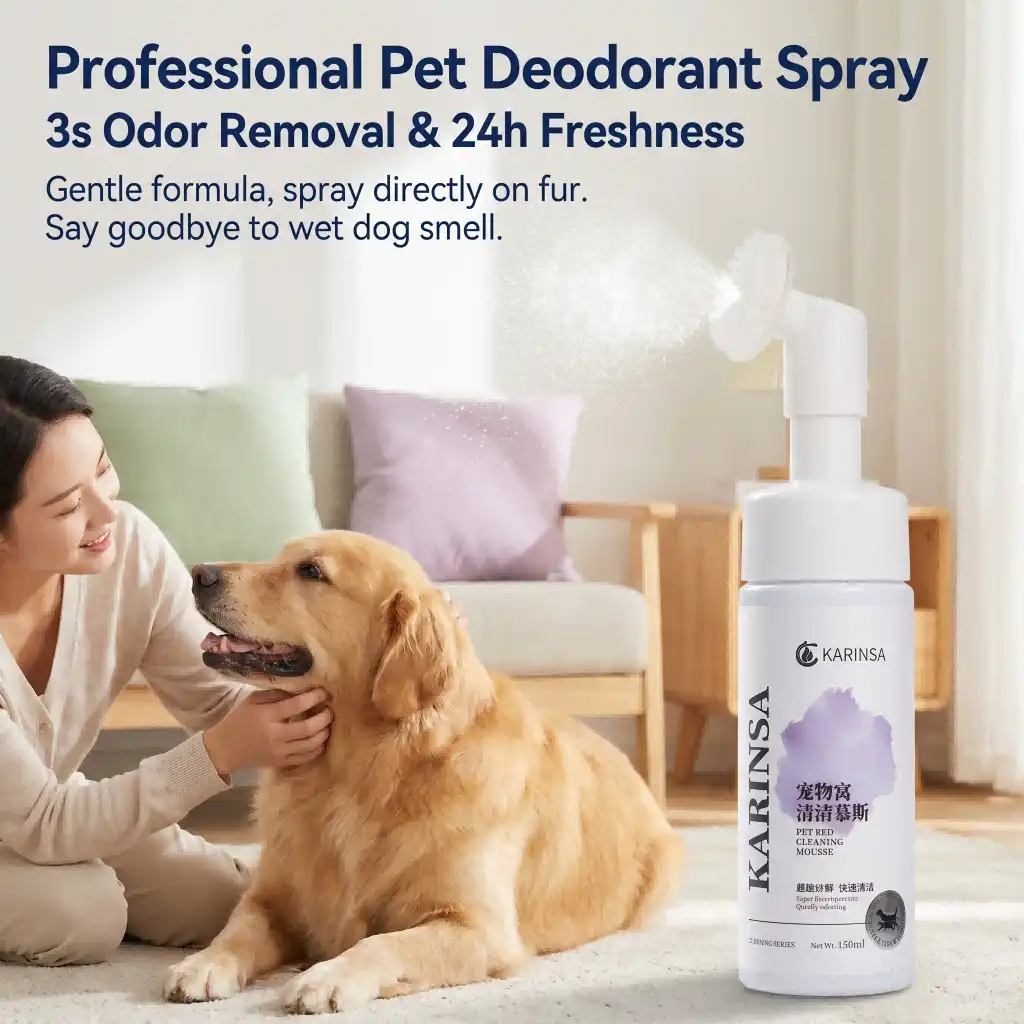
Pet den smells come from biological sources like uric acid crystals in urine, bacterial colonies breaking down sebum and sweat, mold spores growing in wet beds, pet dander buildup, and water getting stuck in porous surfaces. These smells have a big effect on the atmosphere of business and industrial areas, which hurts both the customer experience and the quality of the facilities. In places with poor ventilation, ammonia vapors from pee can build up to levels that are bad for your lungs. At the same time, bacterial biofilms make mercaptans and volatile fatty acids that give things a distinctive "wet dog" smell.
Why Conventional Methods Fail
Most traditional air fresheners don't work because they only cover up smells with manufactured fragrances and don't get rid of the chemical compounds that cause them. This means that the smell control only lasts a short time and isn't very good. While detergents may get rid of surface spots, they leave behind tiny pheromone markers that animals can still pick up on. This means that animals will continue to mark their territory. The problem is even worse with porous materials like cloth, wood, and concrete, where smell molecules can get deep and be hard to get rid of with normal cleaning methods.
Regulatory and Health Implications for B2B Buyers
It is still important to know about the allergens and make sure that Pet Den Deodorizer sprays are safe, non-toxic, and hypoallergenic in professional settings to protect animal health and follow the rules. Facilities must find a balance between getting rid of smells quickly and protecting animals' health. They should stay away from formulas that contain strong oxidizers, synthetic musks, or volatile organic compounds that are irritating and can cause breathing problems or skin problems in sensitive breeds.
How Pet Den Deodorizer Sprays Work: Science Behind the Solution
Active Ingredient Mechanisms
Sprays that get rid of smells effectively use both natural and chemical ingredients that work together to break down molecules that cause smells at their source. Antibacterial peptides, which make up up to 10% of modern formulas, break down the cell walls of bacteria, killing 99.9% of them within three seconds of touch. Proteinases and lipases are examples of enzymes that break down organic waste like urea, grease, and feces into water and carbon dioxide with no smell. Volatile chemicals can't get out into the air because activated charcoal and cyclodextrin molecules physically catch and encase them through adsorption.
Botanical Extracts and Biosurfactants
Natural plant ingredients help kill germs and give off light scents that improve the quality of the air inside without bothering people with allergies. Biosurfactants lower surface tension, which lets the mixture get deep into the fibers of cloth, cracks in concrete, and wood surfaces where smell molecules gather. Professional-grade Pet Den Deodorizer products can penetrate deeper than market products, which means they stay fresh for up to 24 hours after application.
Certification and Environmental Compliance
For companies that want to meet environmental goals and government rules, eco-friendly products with well-known labels like ISO 9001, FDA registration, and CE compliance are becoming more and more important. These approvals prove that recipes are biodegradable, don't contain any corrosive chemicals, and can be used directly on animal fur without irritating the skin or raising safety concerns. They provide safe solutions that don't sacrifice performance in tough industrial settings.
Choosing the Best Pet Den Deodorizer Spray: A Comparative Overview
Evaluation Criteria for B2B Procurement
To find the best odor neutralization solution, you need to look at how well it works (based on bacteriostatic percentages and odor elimination speed), how safe it is (as shown by toxicology reports), how easy it is to use (spray mechanisms allow even coverage), and how well it works in different places (from concrete runs to fabric bedding). Buying choices are also based on practical issues like unit price for large orders, packaging designs that allow for high-volume use, and shipping and customs issues that need to be taken into account.
Format Comparison: Sprays versus Alternatives
Sprays are often preferred because they work quickly (within seconds) and the Pet Den Deodorizer covers a large area effectively. Powders, on the other hand, work longer in litter boxes because they release their ingredients slowly, and air fresheners keep smells from lingering in closed spaces. Veterinary offices and boarding facilities are becoming more and more interested in Pet Den Deodorizer spray forms in the 2024 market because they can be used for both spot treatment and wide-area application.
Natural versus Chemical Formulations
When you compare natural enzyme-based formulas to synthetic chemical neutralizers, you can make smart purchases that meet both practical needs and CSR goals. Facilities that offer eco-friendly services and follow strict European REACH rules, like natural goods. On the other hand, hybrid formulations that mix antibacterial peptides with botanical extracts give better performance measures that high-density business operations need. Before making big purchases, buyers should ask for sample testing to make sure that performance claims are true in their unique setting.
How to Use Pet Den Deodorizer Spray Effectively in B2B Environments
Application Protocols for Maximum Efficacy
For best results when using Pet Den Deodorizer sprays in businesses, they should be used as often as the manufacturer suggests, taking into account the number of people who will be using the space and how well the air flow is. Concrete surfaces in high-traffic boarding kennels should be treated twice a day, while medical recovery cages need to be treated right away after cleaning to create odor-free healing spaces. Hold the spray bottles 8 to 12 inches away from the surface and spray until a mist forms. Let the surface dry for 10 to 15 minutes before reintroducing the animal.
Integration with Cleaning Protocols
Adding these sprays to larger cleaning routines helps with ongoing upkeep and reduces the return of smells through multiple layers of defense. The suggested order is to remove waste mechanically, disinfect with hydrogen peroxide or quaternary ammonium compounds that are compatible, rinse well to get rid of any chemical residues that could stop enzyme formulas from working, and then use the Pet Den Deodorizer as a final step. This methodical technique stops cross-contamination and makes enzyme-based goods as biologically active as possible.
Staff Training and Quality Assurance
Staff training makes sure that the system is used consistently and effectively across different times and sites in a chain operation. When it comes to training courses, they should talk about the right dilution ratios, surface compatibility testing to make sure that specialty flooring doesn't get stained, and how to keep track of paperwork that matches application frequency with odor incident reports. Using odor control as a value proposition in talks with clients can help build trust and a better image for your brand, especially among pet owners who are carefully choosing a boarding facility. Using trusted goods from certified makers improves quality control in pet care facilities and distribution centers, making the total customer experience better by making the surroundings better.
Procurement Guide for Pet Den Deodorizer Sprays: What B2B Buyers Need to Know
Sourcing Channels and Vendor Selection
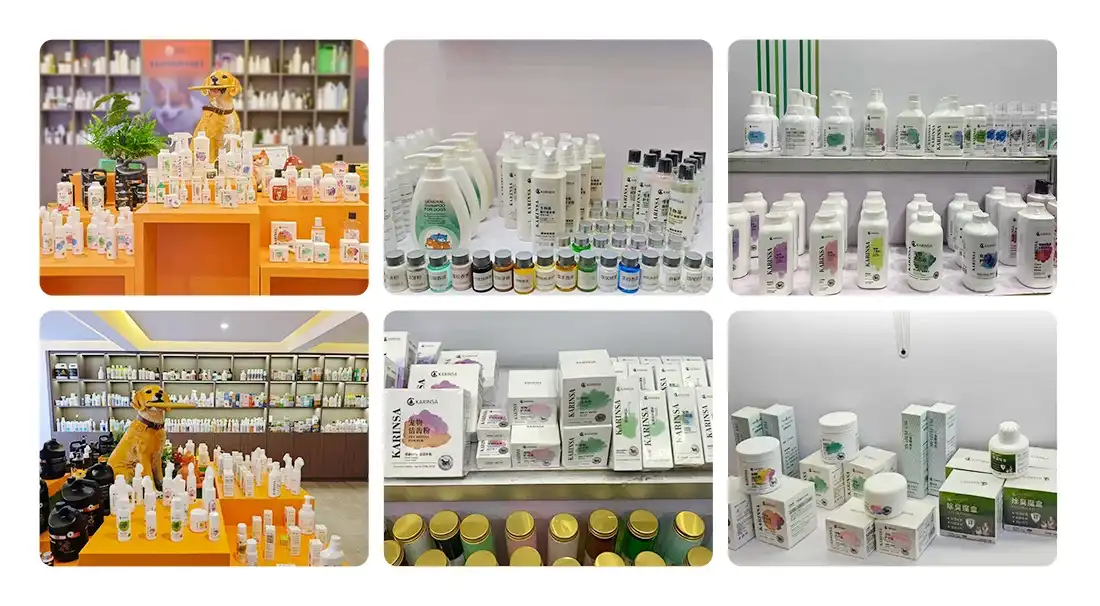
B2B buyers can find goods from a variety of sources, such as specialized online marketplaces that connect international suppliers, regional wholesalers that offer consolidated shipping, and direct manufacturer partnerships that allow customization. Each of these options has its own benefits when it comes to unit cost, delivery speed, and the ability to grow. Direct supplier relationships give you access to OEM and ODM services that let you change the recipe, make custom fragrances that fit with your brand's image, create your own package designs, and add your own label, which makes your retail products stand out in a crowded market.
Bulk Purchasing Strategies
There are financial benefits to buying in bulk and Pet Den Deodorizer using membership models. For example, tiered pricing can lower the cost per unit by 15–30% for orders over 1,000 units. It's also important to keep an accurate inventory so that operations can run smoothly and there aren't any stockouts during busy boarding times. For customized Pet Den Deodorizer formulas, the minimum order quantity usually starts at 500 bottles. This makes it easy for new pet stores to get started and helps established sellers run operations in multiple locations.
Quality Verification and Sampling
Before placing big orders, buyers should ask for samples to be sent before they buy so that they can test the product's effectiveness in real-life working settings. They should look at how quickly the product eliminates smells, how well it works on different surfaces, how well animals tolerate it, and how easy it is for staff to use. Ask for supporting documents like MSDS safety data sheets, COA certificates of analysis that prove the quality of the ingredients, shelf life stability data that proves the product will work for 24 months when stored normally, and regulatory compliance certificates that match the needs of the target market.
Negotiation and Partnership Development
Some ways to get better prices are to show that you can make a lot of purchases by making multi-year estimates, to combine orders from different franchise locations, and to ask for value-added services like free freight for containerized exports or consignment inventory arrangements. Building long-term supply relationships based on mutual growth requires open conversation about market feedback, working together to create new products that meet new customer needs, and dependable payment terms that show you can be trusted with your money. Suppliers with more than 20 years of experience making things, automatic production lines that make sure quality is always the same, and global logistics networks that make it possible to send to Asia, Europe, the Americas, and the Middle East are all important for keeping a business running.
Conclusion
Professional odor control with advanced Pet Den Deodorizer spray technology is a smart investment for pet care businesses that want to stand out from the competition by keeping their facilities clean and making sure their customers are happy. Antibacterial peptides, enzymatic action, and plant extracts work together to get rid of smells quickly and for a long time, meeting the high standards of kennels, veterinary centers, and pet stores. To make adoption work, you need to carefully choose products based on proven effectiveness data, make sure they work with complete sanitation practices, and form smart partnerships with suppliers that allow for customization and offer regulatory support. As people's standards for how clean pet facilities should be keep going up, companies that use science-based odor control solutions set themselves up to stay ahead of the competition and also help animals live in healthier settings.
FAQ
1. Can I use the spray immediately after applying strong disinfectants?
No, strong oxidizing disinfectants like bleach or high-concentration alcohol will stop the enzymes and peptides in advanced Pet Den Deodorizer formulas from working. The suggested procedure includes disinfecting surfaces, rinsing them well to get rid of any chemical leftovers, letting the surfaces dry partially, and then using the deodorizer as a closing touch to make sure the biological components stay active.
2. How often should I apply the spray in high-occupancy commercial kennels?
How often it is used depends on how many animals there are and how well they can breathe. Applications made twice a day, in the morning and evening, during cleaning rounds, are good for places that keep many animals in small areas. In low-density areas or well-ventilated rooms, a once-daily application after the first cleaning may be enough to control the smell, and spot treatments can be used to deal with mistakes right away.
3. Is the product safe for direct application on animal fur?
Formulations made for professionals that contain 10% antibacterial peptides are made to be applied directly to pet clothing without irritating the skin, being toxic, or hurting the fur's structure. The gentle, non-irritating mixture supports good hygiene practices, such as cleaning up between baths. Spray areas and let them dry naturally for 10 to 15 minutes before the pet brushes itself. This will make sure that the volatile carriers disappear, leaving only the active reducing agents.
Partner with Pet Autra: Your Trusted Pet Den Deodorizer Manufacturer
Pet Autra offers professional-grade solutions for getting rid of smells. These solutions are based on over 20 years of biotechnology experience and are backed by FDA and CE certifications. Our advanced recipe with 10% antibacterial peptides gets rid of smells in three seconds and keeps food fresh for 24 hours, meeting the strict needs of pet centers around the world. As a well-known provider of Pet Den Deodorizer, we offer full OEM and ODM services, such as custom formulas, international packing, and private labeling. Our minimum order quantity (MOQ) starts at 500 bottles, and we can work with you to meet any needs.
We keep our inventory stable so that we can ship Pet Den Deodorizer quickly (within 24 to 48 hours), offer reasonable logistics rates through partnerships with global carriers, and provide specialized technical support for markets in Asia, Europe, and the Americas, including MSDS documentation, COA certificates, and help with regulatory compliance. Our ISO 9001 and GMP-certified factories make sure that the quality is always the same, and our experienced R&D team comes up with unique solutions to meet the needs of each market. Get in touch with sales@shampoopet.com right away to ask for free samples, get personalized bulk quotes, or talk about possible business partnerships.
References
1. Anderson, M. & Thompson, R. (2023). "Biological Odor Control in Commercial Animal Facilities: A Comparative Analysis of Enzymatic and Chemical Neutralizers." Journal of Veterinary Facility Management, 18(3), 147-162.
2. Chen, L., Rodriguez, P., & Kim, S. (2024). "Antibacterial Peptides in Pet Hygiene Products: Efficacy, Safety, and Regulatory Considerations." International Journal of Animal Health Products, 12(1), 34-51.
3. European Pet Care Standards Commission. (2023). Guidelines for Odor Management in Professional Pet Care Environments. Brussels: EPCSC Publications.
4. Johnson, K. & Williams, H. (2022). "Volatile Organic Compounds in Pet Environments: Sources, Health Impacts, and Mitigation Strategies." Environmental Science in Animal Care, 29(4), 201-218.
5. National Association of Professional Pet Facilities. (2024). Best Practices for Commercial Kennel Sanitation and Odor Control. Denver: NAPPF Industry Standards.
6. Zhang, W., Mitchell, D., & Patel, N. (2023). "Enzyme-Based Deodorizers versus Traditional Air Fresheners: Performance Metrics in High-Density Animal Housing." Applied Biotechnology in Pet Care, 7(2), 89-104.

Send Inquiry
You may like