
Pet Ear Cleaning Solution for Otitis and Ear Inflammation
Millions of dogs and cats in the US get otitis, or ear infection, every year. It's possible that your pet has this disease if they scratch or shake their head all the time. As soon as you notice these painful and maybe even dangerous ear problems, you should use a special Pet Ear Cleaning Solution. These solutions for animals break down earwax, get rid of dirt and debris, and create a space where harmful germs can't live. Ear cleaners made by professionals are different from simple water rinses because they have carefully chosen ingredients that get rid of the things that cause ear infections while still protecting the delicate balance of the environment inside the ear canal. Clean your pet's ears the right way to keep them healthy and happy. Illnesses that last a long time and cost a lot of money to treat can be avoided.
Understanding Otitis and Ear Inflammation in Pets
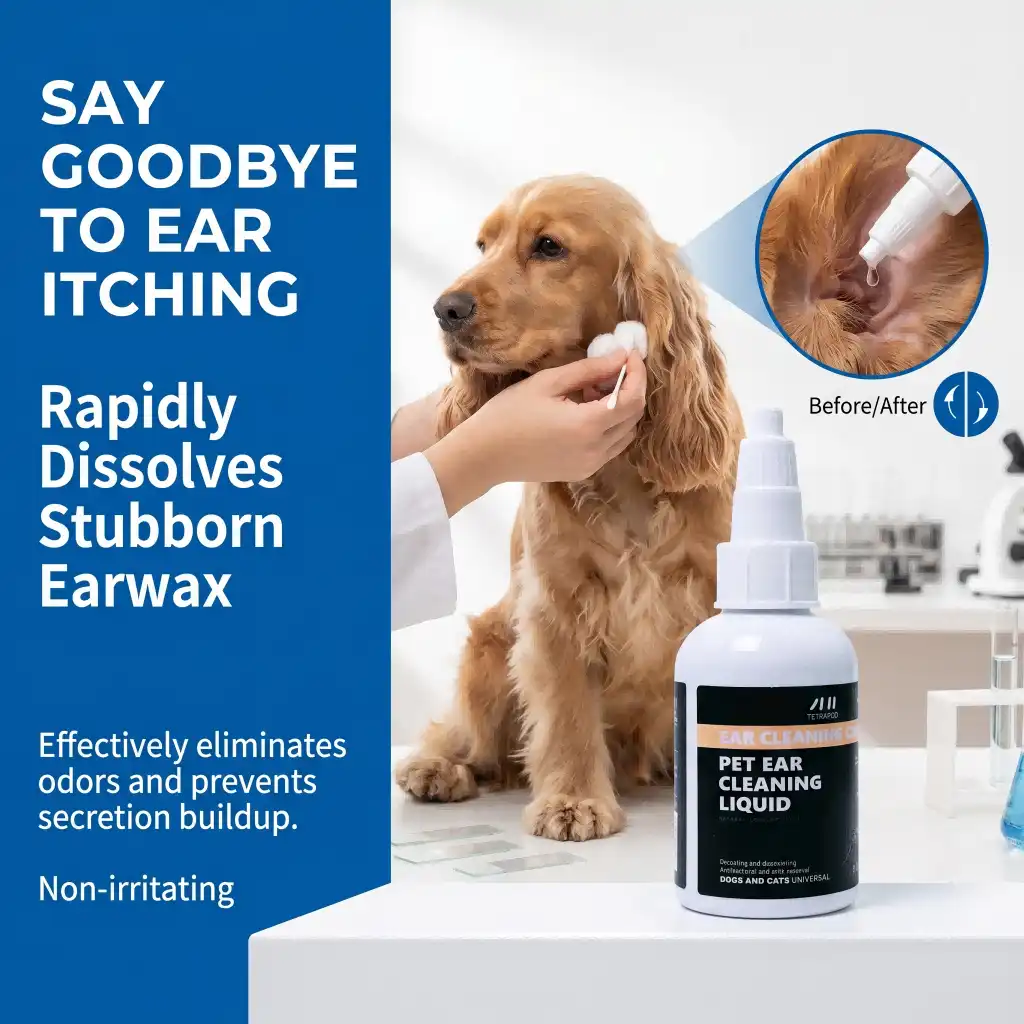
The Scope of Ear Health Issues in Companion Animals
Ear infections are one of the top ten reasons people take their pets to the vet every year. About 20% of dogs and 6–7% of cats will get otitis externa at some point in their lives. This is inflammation of the external ear canal. Ear health management is important for everyone in the pet care supply chain because some breeds are more likely to get it because of how their bodies are built. The ear tubes of cats and dogs are shaped like an L. Being warm and damp, these canals are great for germs and yeast to grow. When there is an imbalance in the body, pathogens like Staphylococcus pseudintermedius and Malassezia pachydermatis quickly spread. They hurt and make things swell up. When people who work in procurement know this biological fact, they can better understand why daily Pet Ear Cleaning Solution goods are needed and not just extras.
Common Causes and Risk Factors
A lot of the time, otitis is caused by a bacterial or fungal infection, but the real reasons are very different. About half of all long-term ear problems in dogs are caused by allergies, which can be to food or things in the environment. When cats have allergic reactions, the cerumen in their ears builds up too much and turns red. This makes it easy for other infections to spread. The way Labrador Retrievers, Cocker Spaniels, and Basset Hounds' ears are built makes it hard for air to flow through them. This makes them more likely to get sick. The ears of dogs with a lot of hair, like Poodles and Shih Tzus, are also better at keeping dirt and water inside. Things in the environment are also important. Water is more likely to hurt pets' ears if they swim a lot or live in wet places. These risks have a direct effect on the goods that B2B buyers who work with many different types of clients pick out.
How Pet Ear Cleaning Solutions Help Manage Otitis and Inflammation
Active Ingredient Profiles and Therapeutic Mechanisms
Formulas used by professionals to clean ears stand out because they use specific mixes of ingredients that work on different parts of ear health at the same time. Our plant-based Pet Ear Cleaning Solution has witch hazel extract in it. This extract is known to be astringent, which means it helps tighten muscles and reduce swelling. This ingredient comes from plants and has been used in traditional medicine for hundreds of years. It still works well in modern medicine. Natural antibiotics, like garlic extract, can break down the cell walls of bacteria and stop fungi from growing. They don't have the bad side effects that come with man-made drugs. There are two good things about using mint extract: it cools the body and soothes sore muscles, and it kills germs, which makes the recipe even better at fighting infections. All of these plant-based actives clean more than 99% of the time. They get rid of smelly chemicals, earwax, grease, and dirt. The absence of alcohol and other harsh chemicals makes these solutions suitable for sensitive ear canals that might react negatively to aggressive formulations. This gentleness doesn't compromise effectiveness; rather, it allows for regular use without damaging the delicate epithelial lining of the ear canal.
Clinical Application and Superior Performance
Studies on animals have shown over and over that having a professional clean your ears is better than using vinegar-and-water mixes or simple salt solutions at home. Earwax is made up of lipids that are hard for water-based cleaners to break down. This means that they can't get rid of the sticky buildup that traps germs against the walls of the ear canal. The way our solution is made breaks down these lipid walls with surfactants. This makes it easy to get rid of dirt with light rubbing and washing. The drying properties keep water from building up, which helps bacteria grow. It is very important to do this after swimming or washing. For upkeep, it's best to use it twice a week. This will help you keep up with regular cleaning, which will keep small problems from getting worse and needing medical help. Clinical case studies done by vet offices show that pets whose ears are cleaned regularly get up to 60% fewer infections than pets whose ears are only cleaned when they get sick. People who run clinics or work as groomers and want to make their preventive care packages more useful will really find this informative.
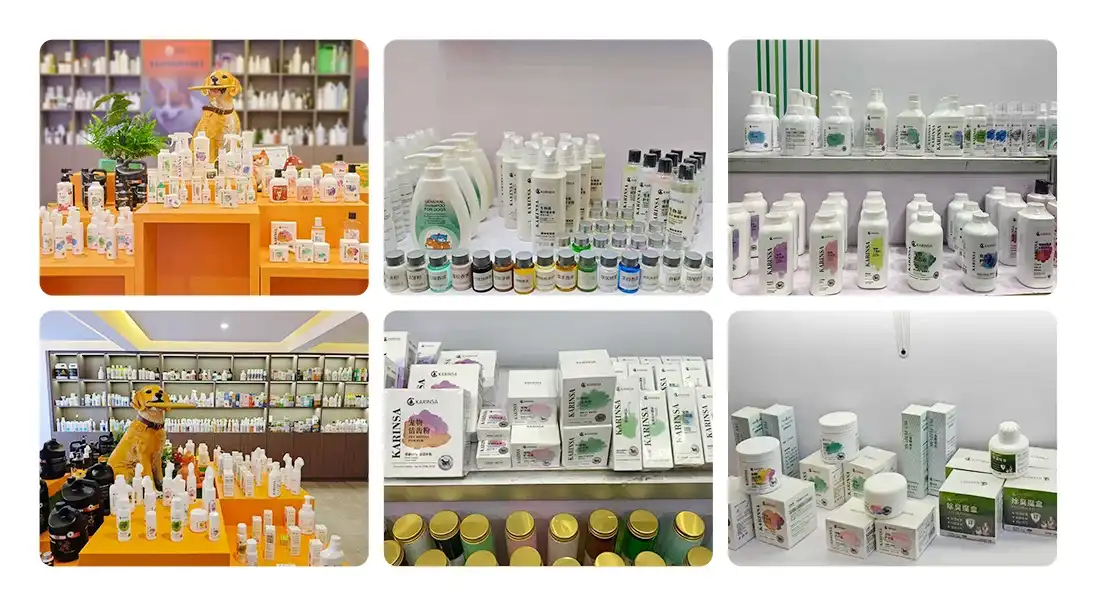
Comparing Top Pet Ear Cleaning Solutions for Otitis Treatment
Market Landscape and Leading Formulations
There are both well-known brands and new, specialized solutions on the market for cat ear care. When lactoperoxidase, lysozyme, and lactoferrin work together, they break down the cell walls of bacteria. This is what Zymox Otic is known for. This method is very well liked by vets and works especially well for yeast diseases. Vet's Best is in the natural goods market and makes things like our recipe with plant-based products. People who want better choices will like it because of this. Epi-Otic Advanced from Virbac is all about keeping the pH level right, and it has anti-adhesive glycotechnology that stops germs from sticking together. Each product is made for a different group of people based on how it is made, how much it costs, and how much skilled help it requires. Managers in charge of buying things need to know these differences in order to match goods to the customers they have and their market strategy.
Formulation Safety and Allergy Compatibility
It is important to pay extra attention to ototoxicity, which is the risk of hurting hearing if the tympanic membrane tears. Each product has its own safety profile. Our plant-based Pet Ear Cleaning Solution doesn't have any strong alcohols or chemicals made in a lab that are bad for your ears. This makes it safer for cases where the membranes might not be strong enough. It is safe for pets that have sensitive skin or are likely to have allergic responses. Certification standards play a crucial role in B2B procurement decisions. Products that are registered with the FDA demonstrate compliance with U.S. market requirements, while CE certification indicates adherence to European safety standards. These credentials provide assurance to international distributors managing complex regulatory landscapes across multiple markets. Recent veterinary surveys from 2024 indicate a growing preference for alcohol-free formulations among clinicians treating chronic ear conditions. This trend reflects increased awareness of long-term tissue health and the cumulative effects of repeated cleaning protocols over a pet's lifetime.
Procurement Guide: How to Source the Best Pet Ear Cleaning Solutions
Defining Volume Requirements and Business Specifications
Successful procurement starts with accurate demand forecasting based on sales history, market trends, and growth projections. E-commerce sellers might begin with smaller trial volumes to test market reception before committing to larger inventories, while established retail chains require consistent supply volumes to maintain shelf presence across multiple locations. Veterinary clinics typically prefer medical-grade packaging in sizes appropriate for in-clinic use and retail resale. Packaging preferences extend beyond aesthetics to functional considerations—dropper tips versus squeeze bottles, tamper-evident seals, and information label comprehensiveness all influence user experience and regulatory compliance. International shipments require special attention to packaging durability to withstand extended transit times and handling conditions.
Supplier Evaluation and Quality Assurance
Selecting the right manufacturing partner involves rigorous assessment across multiple dimensions. Certification authenticity verification represents the foundation—confirming ISO 9001 quality management systems, GMP compliance, and product-specific certifications like FDA registration. At Linyi Wobel Pet Supply Co., Ltd, our facilities maintain a 100,000-class cleanroom, reverse osmosis water treatment systems, and fully automated filling lines that ensure consistent batch quality. Manufacturing knowledge is very important in the pet care business because it takes a lot of technical know-how to keep formulations stable and understand how chemicals interact with each other. Our 20+ years of production experience translates into reliable Pet Ear Cleaning Solution formulations, efficient problem-solving when customization challenges arise, and proactive quality control that catches potential issues before products leave the facility. After-sales support encompasses technical assistance, regulatory documentation for export markets, and responsive communication when questions or concerns emerge. The ability to receive MSDS, COA, and ingredient lists in multiple languages streamlines customs clearance and satisfies local regulatory requirements across diverse markets.
Best Practices and Tips for Effective Use of Pet Ear Cleaning Solutions
Frequency Recommendations Based on Condition Severity
Maintenance cleaning for healthy ears typically requires application twice weekly to prevent wax buildup and maintain an optimal canal environment. This frequency keeps the ear canal inhospitable to opportunistic pathogens without over-cleaning, which can disrupt the natural protective barrier and cause irritation. Pets with floppy ears or those prone to moisture retention may benefit from increased frequency, particularly after swimming or bathing. During active infection treatment under veterinary supervision, daily cleaning may be prescribed to remove purulent discharge and enhance topical medication effectiveness. The cleaning solution prepares the ear canal surface, allowing antimicrobial medications to contact infected tissues rather than sitting atop debris layers. This synergistic approach accelerates resolution and reduces recurrence rates. Species-specific considerations matter too—cats generally produce less cerumen than dogs and may require less frequent cleaning. Breed anatomy influences recommendations significantly, with Cocker Spaniels and Basset Hounds requiring more vigilant ear care than breeds with erect, well-ventilated ears like German Shepherds.
Professional Products Versus Homemade Remedies
It's easy to clean your ears at home with vinegar, hydrogen peroxide, or witch hazel recipes found online. While these may provide minimal cleaning action, they lack the carefully balanced pH, appropriate surfactant concentrations, and antimicrobial efficacy of professional Pet Ear Cleaning Solutions. Vinegar solutions, while acidic, can sting damaged tissue and fail to adequately dissolve lipid-based earwax. Hydrogen peroxide may cause tissue irritation with repeated use and doesn't address fungal organisms effectively. Professional formulations undergo stability testing, safety evaluations, and efficacy verification that homemade mixtures cannot match. The investment in commercially produced solutions delivers superior results while minimizing risks associated with improper ingredient ratios or contaminated preparation methods. This quality differential justifies the price premium for end consumers and represents genuine value addition for B2B buyers serving quality-conscious markets.
Conclusion
To take care of otitis and ear inflammation, you need to be careful and clean your pet's ears regularly using tested cleaning products. The healing effects of a professional Pet Ear Cleaning Solution are much greater than those of solutions made at home. They clean gently enough for sensitive skin and kill germs. The market has a lot of different goods, and each one is made differently and is meant to be used in different ways. Before you buy something, you should carefully look at the seller, make sure the certifications are real, and plan your supplies in a smart way. Our plant-based formula exemplifies the next generation of ear care products—effective, safe, and user-friendly for both professional and home applications. By partnering with experienced manufacturers offering comprehensive customization capabilities and reliable supply chains, B2B buyers position themselves to meet growing market demand for premium pet wellness products.
FAQ
1. What distinguishes ear cleaning solutions from medicated ear drops?
Pet Ear Cleaning Solutions primarily remove debris, wax, and discharge while creating an unfavorable environment for microbial growth through pH adjustment and mild antimicrobial ingredients. Medicated ear drops contain prescription-strength antibiotics or antifungals targeting specific pathogens and require veterinary diagnosis. Cleaning solutions serve as preventive maintenance and treatment preparation, while drops provide pharmaceutical intervention. Many treatment protocols use cleaning solutions first to clear the canal, followed by medicated drops that then contact infected tissues directly.
2. Can the same product be used for both dogs and cats?
Most professionally formulated ear cleaners suit both species, as the basic ear canal anatomy and common pathogens are similar. Dosage adjustments account for size differences—cats require fewer drops than large dogs. Cats may show more sensitivity to strong fragrances, making gentle formulations preferable. Our solution's hypoallergenic, plant-based composition works effectively across all breeds and species, with application instructions tailored to individual pet size and ear condition severity.
3. What certifications should procurement managers prioritize?
FDA registration demonstrates U.S. market compliance, while CE certification indicates European standard adherence. ISO 9001 verifies quality management systems, and GMP certification confirms sanitary manufacturing practices. MSDS documentation proves chemical safety transparency, and COA certificates validate batch-specific quality parameters. These certifications collectively reduce regulatory risk and facilitate smooth customs clearance across international markets, making them essential evaluation criteria for global distributors and import wholesalers.
Partner with Pet Autra for Premium Ear Care Solutions
Linyi Wobel Pet Supply Co., Ltd, operating as Pet Autra, stands ready to support your business with veterinary-grade Pet Ear Cleaning Solution manufactured to the highest industry standards. As a trusted supplier with over 20 years of production expertise, we deliver consistent quality backed by FDA registration, CE certification, and ISO 9001 compliance. Our advanced 100,000-class cleanroom facilities and automated production lines ensure every batch meets strict specifications. We offer flexible OEM and ODM services with MOQ starting at just 500 bottles, accommodating both emerging brands and established distributors. Our competitive pricing, rapid 7-15 day production cycles, and multiple shipping options—including express, air, and sea freight—guarantee reliable supply to markets across North America, Europe, Asia, and beyond. Benefit from comprehensive support, including multilingual labeling, regulatory documentation, and technical consultation. Contact our team at sales@shampoopet.com to discuss your specific requirements and discover how our plant-based, 99%+ efficacy formulation can enhance your product portfolio while delivering genuine value to your customers.
References
1. Miller, W. H., Griffin, C. E., & Campbell, K. L. (2021). Muller and Kirk's Small Animal Dermatology (8th ed.). Elsevier Health Sciences.
2. Paterson, S. (2020). "Topical Ear Treatment: Options, Indications, and Limitations of Current Therapy." Veterinary Dermatology, 31(4), 235-248.
3. Bajwa, J. (2019). "Canine Otitis Externa: Treatment and Complications." Canadian Veterinary Journal, 60(1), 97-99.
4. Angus, J. C. (2022). "Otic Cytology in Health and Disease." Veterinary Clinics of North America: Small Animal Practice, 52(1), 39-53.
5. Rosser, E. J. (2021). "Evaluation of Ear Cleaning Solutions in Veterinary Practice." Journal of the American Veterinary Medical Association, 258(9), 982-989.
6. Nuttall, T., & Cole, L. K. (2023). "Evidence-Based Veterinary Dermatology: A Systematic Review of Interventions for Canine Otitis Externa." Veterinary Dermatology, 34(2), 156-171.

Send Inquiry
You may like