
Pet ear cleaning wipes for Dogs | Sooths & Deodorizes
Many dog owners find that using Pet ear cleaning wipes to clean their dog's ears every day is simple and effective. Because they are made from natural plants, these wipes gently get rid of earwax and extra oil while keeping your ears clean and healthy. Because they are light, you can clean your ears with them every day without hurting the delicate skin inside your ears. Having these is very helpful for dogs whose ears hang down or have small ear tubes because they keep smells, pain, and illnesses out.
Understanding Pet Ear Cleaning Wipes: Benefits and Safety
Ear health is often overlooked in daily pet grooming. Dogs naturally accumulate earwax, excess oil, trapped moisture, dust, and pollen. Thick fur, narrow ear canals, and floppy ears (Basset Hounds, Cocker Spaniels) increase risks. Bacteria and fungi thrive in warm, moist environments where wax and oil build up, causing itching, odor, swelling, head shaking, and painful infections. Regular cleaning prevents these issues before they become serious health problems requiring veterinary intervention.
What Makes Ear Wipes Different from Traditional Methods?

Liquid ear cleaners are messy, hard to apply, and stressful for dogs. Many contain harsh chemicals or alcohol that irritate sensitive ear canals. Cotton balls can leave lint behind. Pet ear cleaning wipes offer controlled, gentle mechanical debridement. The pre-moistened format prevents spills, making ear care quick and stress-free. Quality wipes feature pH-balanced formulas between 6.5 and 7.5, closely matching pet skin pH to avoid irritation. They enable consistent application without mess.
Core Safety Features That Build Trust
Safety is paramount when selecting ear care products. Premium ear wipes use hypoallergenic, alcohol-free ingredients gentle on sensitive ear tissue. They contain no harsh chemicals, artificial fragrances, dyes, or environmentally harmful substances. Natural cleansing ingredients like witch hazel and aloe vera provide soothing anti-inflammatory benefits while removing debris. Some formulations include mild antimicrobials like chlorhexidine and ketoconazole to control Staphylococcus and Malassezia. These ingredients maintain ear health without disrupting beneficial flora.
Benefits That Address Real-World Grooming Challenges
Regular ear wipe use reduces discomfort and may prevent expensive veterinary visits. Wipes eliminate odors by removing organic matter, leaving ears clean and fresh. Gentle, painless application prevents head shaking and negative reactions. Spunlace non-woven fabric (45–60 GSM polyester/viscose blend) with pearl or honeycomb patterns traps debris effectively without tearing. Proper ear cleaning with appropriate wipes can reduce otitis externa by up to 40% in susceptible breeds according to veterinary dermatology journals. Prevention costs less than treatment.
How to Choose the Best Pet Ear Cleaning Wipes for Dogs: A Procurement Guide
Clear criteria are needed for people who work in buying and business buyers to properly rate Pet ear cleaning wipes. To make a decision, the safety standards, the quality of the ingredients, the specs of the base, and how well they meet the needs of the target customer are all looked at. If you know these things, you can pick goods that work well for you and keep customers coming back.
Essential Ingredient Considerations
Ingredient transparency directly affects product safety and efficacy. Procurement should seek formulas clearly listing all active and inactive ingredients—avoid "proprietary blends" without justification. Beneficial botanicals include chamomile, marigold, and green tea for soothing and antioxidant benefits. Avoid harsh detergents, artificial fragrances, and phenols. Tea tree oil can severely irritate cats. Veterinary-based formulations meet professional care standards for routine cleaning and therapeutic support during recovery, suitable for both preventive and maintenance care.
Evaluating Substrate Quality and Performance
Wipe substrate characteristics significantly impact cleaning effectiveness and user experience. Premium substrates feature three-dimensionally textured surfaces that trap and lift heavy debris and cerumen more effectively than flat surfaces. Studies show textured spunlace improves cleaning effectiveness approximately 40% versus smooth substrates. Tensile strength is critical for professional use—wipes must hold together when wet without tearing or leaving lint. Soft, thick material ensures comfortable application even on sensitive skin. These features determine both cleaning performance and user satisfaction.
Competitive Market Overview and Brand Comparison
North America features several well-known ear care brands with distinct positioning. Vet's Best offers clinically proven veterinary solutions. Burt's Bees focuses on natural ingredients. Understanding differences enables matching products to customer preferences. Economy wipes cost 0.08–0.12each;premiumveterinary−gradewipescost0.08–0.12each;premiumveterinary−gradewipescost0.20–0.35 each. Bulk purchasing saves 25–40% per unit. Private label options provide greater profit margins. Industry polls show 68% of pet owners follow veterinary product recommendations, giving clinically validated products competitive advantage.
Matching Products to Dog Life Stages and Special Needs
Puppies need extra-gentle formulas without strong antimicrobials that could disrupt developing microbiomes. Adult dogs benefit from routine products providing thorough cleaning with gentle daily-use safety. Seniors have reduced immunity and chronic conditions requiring enhanced soothing benefits and mild antifungal ingredients. Allergy-prone breeds need safe products addressing atopic dermatitis-related debris. Drop-eared breeds need astringent wipes for chemical moisture control. Hairy-eared breeds need wipes that clean around hair shafts without tangling. Life stage matching ensures optimal safety and efficacy.
Bulk Procurement and Supply Solutions for Pet Ear Cleaning Wipes
Wholesalers, store chains, and private label brands are all examples of big buyers that need dependable supply partnerships that offer consistent quality, fair prices, and consistent operations. You can protect your business and meet customer needs by making smart decisions when you know about evaluation standards and buying strategies for Pet ear cleaning wipes.
Cost Benefits of Volume Purchasing
Volume purchasing delivers significant savings with tiered discounts: base price for 500 packs; 15–20% off for 5,000 packs; 30–35% off for 20,000+ packs. Subscription models provide 5–10% volume discounts plus priority production scheduling and dedicated account management—reducing workload and stock-out risk. OEM/ODM arrangements enable proprietary formulas, packaging, and labeling. Private label minimum orders range 500–1,000 packs with significantly higher margins than branded products. Custom formulations allow precise market positioning for natural, clinical, or hypoallergenic segments.
Supplier Evaluation and Quality Assurance
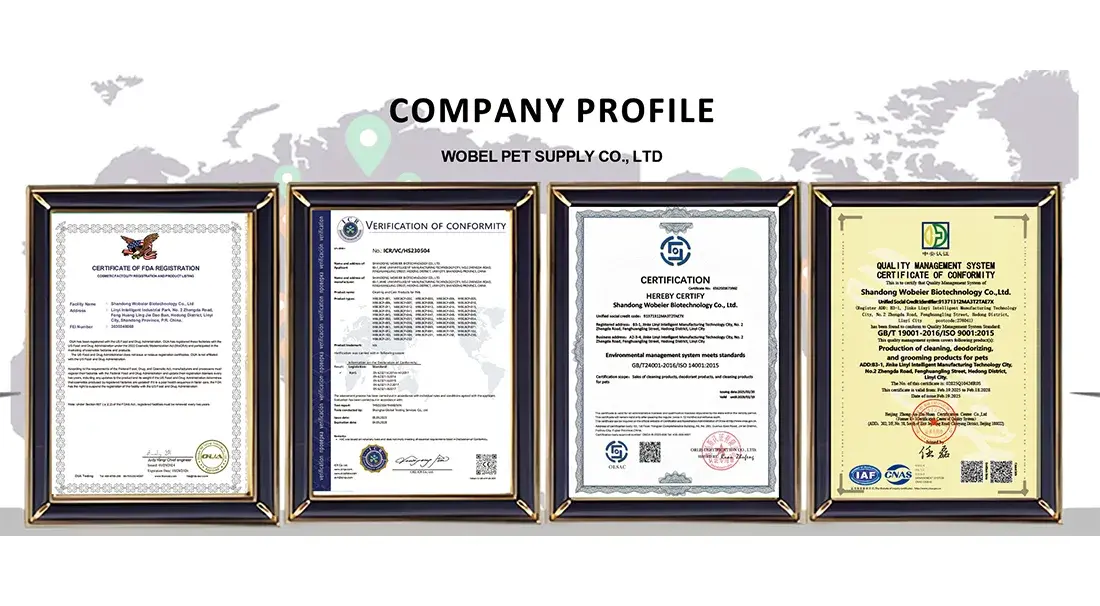
Reliable suppliers maintain modern facilities with advanced labs, ISO Class 100,000+ cleanrooms, reverse osmosis water systems, and automated filling lines. ISO 9001 ensures production consistency; GMP ensures clean, safe processing. FDA registration meets US market standards; CE certification meets EU safety requirements. Trusted suppliers provide comprehensive documentation: MSDS, COA, properly formatted ingredient lists, and test results for antimicrobial effectiveness, pH, and preservative efficacy. This paperwork expedites customs clearance and retailer onboarding across multiple regulatory frameworks.
Logistics Considerations and Lead Time Management
Effective logistics distinguish great suppliers. Transport options include air freight, sea freight, express delivery, and rail—enabling partners to meet varying urgency levels. Stock standard formulas ship within 24–48 hours. Custom orders require 7–15 days depending on formulation and packaging complexity. Global shipping expertise covers North America, Europe, Asia, Middle East, and Latin America with proper customs documentation. Export-grade packaging ensures product integrity throughout the supply chain. Real-time tracking provides visibility from dispatch to delivery, demonstrating supplier competence.
Practical Tips on Using Pet Ear Cleaning Wipes for Dogs Effectively
If you use Pet ear cleaning wipes the right way, they will work better and keep your pet safe and comfy. Any company that sells to end users needs to have useful information that they can share with customers through product instructions, training materials, or content that teaches them.
Optimal Timing and Frequency Guidelines
Proper timing prevents over-cleaning that irritates healthy ears. Indicators include redness, scratching, head shaking, discharge, wax buildup, or odor. Erect-eared breeds (GSDs, Huskies) need weekly cleaning; drop-eared breeds require 2–3 times weekly. Swimming dogs need post-swim cleaning regardless of breed. Humid environments require more frequent cleaning. During allergy season, gentle daily cleaning helps manage inflammation. Educating retail customers on these factors establishes healthy routines preventing product misuse while encouraging consistent purchasing habits.
Step-by-Step Application Technique
Set up a calm area with treats and praise. Inspect inner ear for infection signs—seek veterinary care if present. Gently pull ear flap. Use clean wipe to clean visible outer canal and inner flap. Wipe from inside outward to remove debris without pushing deeper. Never insert wipe beyond visible depth—the L-shaped canine canal makes this dangerous. Use separate wipe per ear. Allow ears to air dry. Cotton swabs push debris deeper and injure tissues. Positive reinforcement builds future cooperation for regular ear cleaning.
Recognizing When Professional Care Becomes Necessary
Seek veterinary care when symptoms persist despite home cleaning: hearing changes, pain on ear touch, thick or bloody discharge, pronounced head shaking, or head tilt. Recurrent infections may indicate underlying issues requiring diagnostic testing. Veterinary otoscopic examination visualizes the entire canal and tympanic membrane for targeted treatment. Brands honestly communicating product limitations—when home care suffices versus when professional care is needed—are viewed as responsible pet health partners. This transparency builds long-term customer trust and loyalty.
Future Trends and Innovations in Pet Ear Cleaning Wipes
That's because people want natural products, care about the earth, and want things that are easy to use. The pet care business is still changing quickly. By keeping up with new trends, procurement experts can guess how the market will change and carefully place their product lines for Pet ear cleaning wipes.
Natural and Sustainable Ingredient Innovation
Market research shows 72% of US pet owners actively seek natural options. Emerging ingredients include plant-based surfactants, herbal extracts, and stabilizers that perform effectively without synthetic toxins. Colloidal silver, manuka honey, and fermented botanicals with probiotics are gaining popularity. Biodegradability is increasingly important—bamboo, organic cotton, and renewable cellulose blends offer comparable performance with reduced environmental impact. Compostable or biodegradable products (90–180 day breakdown) resonate strongly in environmentally conscious markets, meeting both pet health and sustainability demands.
Advanced Formulation Technologies
Encapsulation technologies protect sensitive active ingredients, extending shelf life and improving delivery effectiveness. Sustained-release mechanisms provide prolonged antimicrobial activity, reducing cleaning frequency. Microbiome-friendly products selectively target pathogens while preserving beneficial bacteria—paralleling human skincare trends. Advanced deodorizing technology traps and neutralizes odor-causing molecules using activated charcoal and cyclodextrin combinations. This eliminates odors without harsh artificial fragrances that may irritate sensitive pets. These innovations provide effective cleaning without chemical exposure concerns, meeting demands of health-conscious pet owners.
Market Dynamics Shaping Procurement Decisions
The growth of online shopping has completely changed how pet supplies are sent to people. About 38% of the U.S. cat care market will be done online by 2023. Because of this change, people want packing that is easy to ship, forms for products that are easy to subscribe to, and digital marketing help from providers. Suppliers who offer full e-commerce partnerships and help with marketing material, product shots, and marketplace optimization are ahead of their rivals. More and more pet products are being sold online through recurring buy programs, and membership models are still gaining market share. Customers want ease of use and automatic restocking, which is why boxes and prices for monthly delivery are set up the way they are. People who want to buy things can join this growing route if sellers offer a range of package sizes and low minimum order quantities for subscriptions. There are always new rules and regulations, and people are paying more attention to chemicals, manufacturing methods, and environmental claims. It's safe for buyers to do business with providers who follow FDA rules, EU REACH rules, and new state-level rules. Buyers find it easier and faster to get into a market when documentation tools are made to fit the needs of that market.
Conclusion
Pet ear cleaning wipes are crucial for maintaining the health of your dog's ears because they are safe, simple to use, and effective in a way that other methods cannot. Business buyers can choose the best goods to meet customer needs and build long-term competitive benefits if they know about a product's features, how to buy it, how to use it, and market trends. Good quality wipes with sensitive recipes, natural plant extracts, and high-quality materials always get rid of smells, stop infections, and calm itching. In the fast-paced pet care market, businesses can do well by working with dependable providers who offer full support, open customization, and on-time delivery.
FAQ
1. Can ear wipes treat active yeast infections?
Most of the time, ear wipes are used for routine upkeep and to get rid of waste from machines. They're not meant to treat illnesses that are already there. Even though good wipes often contain weak antifungal drugs like ketoconazole, they are not as effective as the medicines your vet gives for severe middle ear infections. You can use wipes to clean the outside of your ear and pinna while you are following your treatment plan. They are good for the ear's health in general and don't take the place of medical care.
2. How do I determine the right cleaning frequency for my inventory customers?
How much time you spend cleaning depends on the type of pet, where it lives, and how healthy it is. If your dog's ears hang down, you should clean them twice or three times a week. If your dog's ears are straight, you should only clean them once a week. After a bath, most pets need to be cleaned up, no matter what kind they are. When you teach store customers about these things, they form good habits that keep products from being abused and encourage regular buying habits that help the store's stock turn over.
3. What certifications should I prioritize when evaluating suppliers?
Pay attention to papers that show the work was done correctly and to the rules. The ISO 9001 Quality Management System certification makes sure that standards for production are always met, and the GMP certification makes sure that the way the factory works is clean. The product can be sold in the U.S. if it is registered with the FDA, and it is easier to sell ingredients in other countries if they are approved by the EU REACH. It's easier for sellers to get their goods into different markets and through customs when suppliers give them all the information they need, like an MSDS, a COA, and test results.
Partner with Pet Autra for Premium Pet Ear Cleaning Wipes Supply
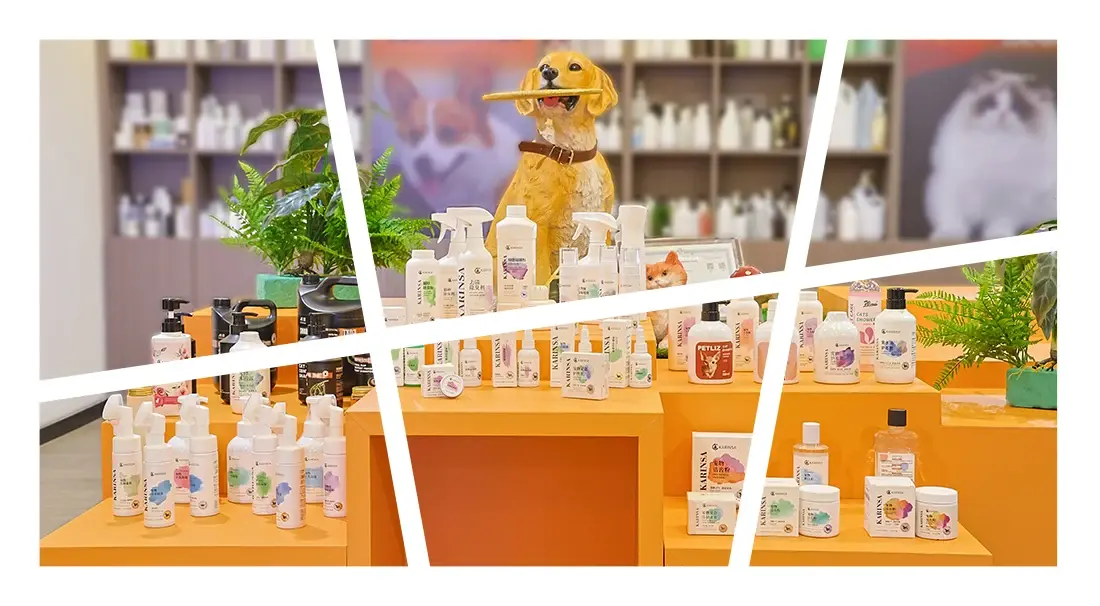
Pet Autra is made by Linyi Wobel Pet Supply Co., Ltd., which is great for businesses that need to find reliable Pet ear cleaning wipes. Since more than 20 years ago, we've been making things. To make sure the quality of our goods stays the same, we have 100,000-class cleanrooms, automatic filling lines, and high-standard labs. Our ear wipes are safe, don't contain alcohol, and are made of soft spunlace fabric. They contain natural plant extracts that soothe and deodorize while still being gentle on sensitive ears. There is no minimum order size for our OEM and ODM services, and you can order as few as 500 packs. No matter how long a company has been around, we can help it. You can be sure that our products are safe because they have been approved by both the FDA and the CE. With custom formulation, private labeling, and bilingual box design, it's possible to put goods on the market just right for a lot of different types of customers. We can meet your inventory needs quickly and safely because we offer reasonable bulk prices, make things in 7–15 days, and ship them all over the world through reliable logistics partners. You can talk to our team at sales@shampoopet.com about how Pet Autra can help you sell more products by giving you high-quality ear wipes that make customers happy and make them want to buy from you again.
References
1. Miller, W. H., Griffin, C. E., & Campbell, K. L. (2013). Muller and Kirk's Small Animal Dermatology (7th ed.). Elsevier Health Sciences.
2. Paterson, S. (2016). "Topical ear treatment: Options, indications, and limitations of current therapy." Journal of Small Animal Practice, 57(12), 668-678.
3. Angus, J. C. (2004). "Otic cytology in health and disease." Veterinary Clinics of North America: Small Animal Practice, 34(2), 411-424.
4. Colombini, S., Merchant, S. R., & Hosgood, G. (2000). "Microbial flora and antimicrobial susceptibility patterns from dogs with otitis media." Veterinary Dermatology, 11(4), 235-239.
5. Gotthelf, L. N. (2005). Small Animal Ear Diseases: An Illustrated Guide (2nd ed.). Saunders Elsevier.
6. Bajwa, J. (2019). "Canine otitis externa: Treatment and complications." Canadian Veterinary Journal, 60(1), 97-99.

Send Inquiry
You may like