
Pet Eye Care Wipes vs Eye Drops: Which Is Better?
When it comes to keeping pets' eyes healthy, the debate over whether to use eye care wipes or eye drops continues to affect how the pet care business buys things. Pet Eye Care Wipes are the best choice for daily upkeep and preventing tear stains because they are safe, convenient, and good at keeping your pet's eyes clean. Eye drops need to be put in very carefully and can be painful. Wipes, on the other hand, clean gently and effectively with little training needed. Because they are hypoallergenic, easy to use, and last a long time on the shelf, they are the best choice for wholesalers, grooming shops, and veterinarian offices that need stable, low-cost eye hygiene products.
Understanding Pet Eye Care Needs and Common Challenges
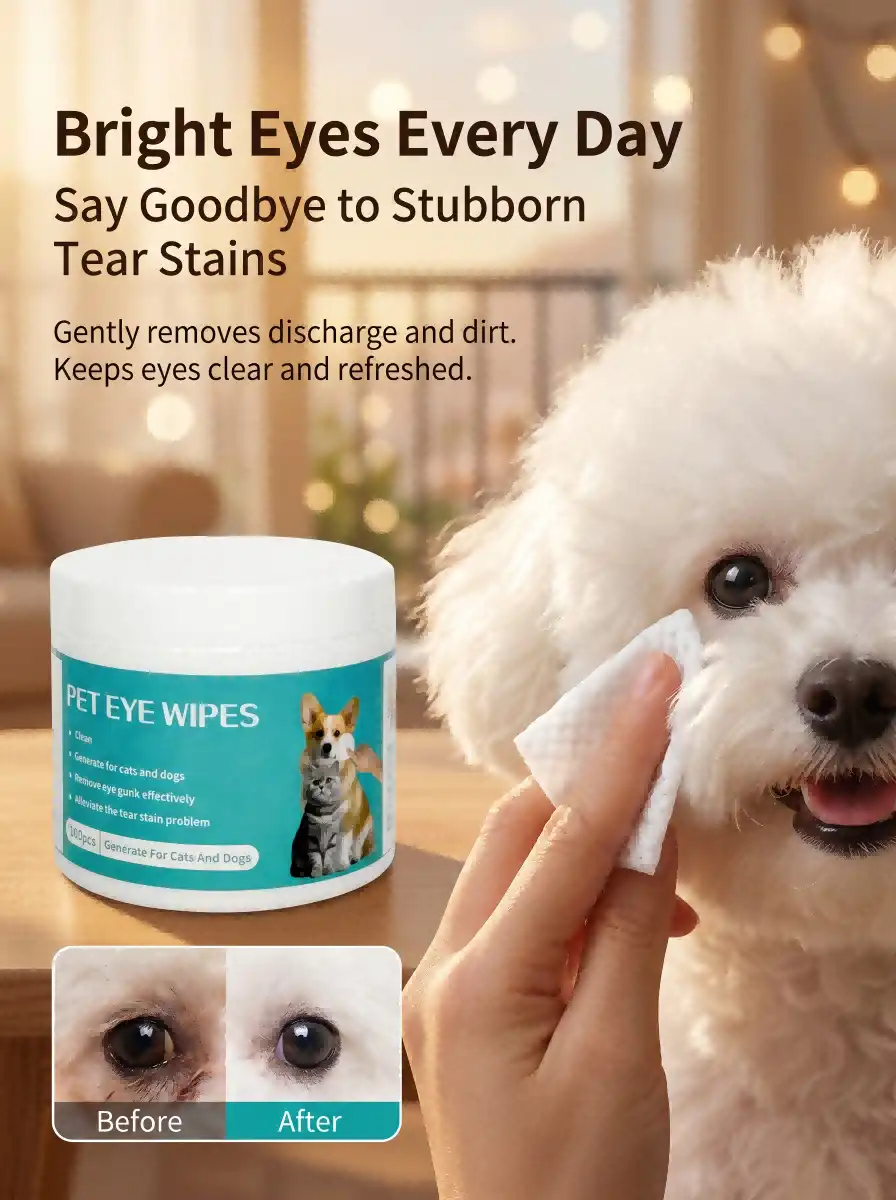
The health of a dog or cat's eyes is a key part of their general health. Veterinary experts and pet owners often worry about things like chronic tear staining, bacterial growth around the periorbital area, and allergic responses to external irritants. Brachycephalic breeds, like Pugs and Persian cats, are more likely to have excessive lacrimation and moisture buildup in their face folds, which makes it easy for yeast and germs to grow. Procurement managers need to understand that good eye care isn't just for looks; it's also a way to keep eyes healthy. If you don't treat tear stains, they can turn into dermatitis, follicular inflammation, and secondary illnesses that need medical help. Retailers and distributors can boost brand reputation and lower long-term healthcare costs for end customers by adding high-quality eye hygiene products to their product lines. There has never been a greater need for products that are both effective and safe, especially as pet owners learn more about chemical openness and non-toxic formulas.
Species-Specific Eye Care Requirements
When it comes to their bodies, dogs' and cats' tears and eye perception are very different. Porphyrins are molecules that contain iron and cause reddish-brown stains when they are oxidized. Canine tears have higher amounts of these molecules. Cats' eyes, on the other hand, are more likely to get conjunctivitis caused by the herpes virus and need stronger antibiotics. By understanding these differences, business-to-business buyers can Pet Eye Care Wipes choose goods that are best for a wide range of customers, such as those who have multiple pets or need cleaning services for specific breeds.
The Cost of Inadequate Eye Hygiene
Not getting regular eye care has real-world effects on the economy. In the US, the average cost of a visit to a vet is between $100 and $300, which does not include prescription drugs or follow-up care. Grooming shops say that customers are expecting tear stain removal to be a normal part of all services. This means that they can sell more expensive hygiene products. Distributors who teach their customers about their products in addition to selling them do a better job of keeping customers and getting them to buy from them again.
Pet Eye Care Wipes vs Eye Drops: Key Differences and Use Cases
The different functions of Pet Eye Care Wipes and drops decide how they should be used in professional and everyday care settings. Wipes for eye care are designed to mechanically remove dirt, discharge, and oxidized porphyrins from the skin and fur around the eyes. Their pre-moistened, one-time use format removes the risk of cross-contamination and doesn't need any extra tools or special handling techniques. Because of this, they work great in places with a lot of people, like shelters and grooming chains, where cleanliness and speed are very important. Eye drops have a different role in medicine. Veterinary doctors prescribe medicines with antibiotics, antivirals, or corticosteroids to treat sudden illnesses and inflammatory conditions. Lubricating drops can help with the symptoms of dry eye disease (keratoconjunctivitis sicca), but they need to be used correctly, and the owner has to follow the directions. Because it takes some practice to learn how to use drops correctly, people often waste medicine, give too little, or get the syringe tip dirty by mistake.
Ease of Application and User Compliance
Wipes are the easiest thing to use. Eye cleaning can be done while groomers are working, so the animal doesn't have to be stopped or restrained. Pet owners like how wipes give them tactile feedback and obvious results, which helps them stick to their daily cleaning habits. Drops, on the other hand, often make pets blink automatically, which flushes out the medicine before it can be absorbed. Studies on how well owners follow through with eye medicines show that as few as 60% of people do what they're supposed to do in the first week of treatment.
Safety Profiles and Ingredient Considerations
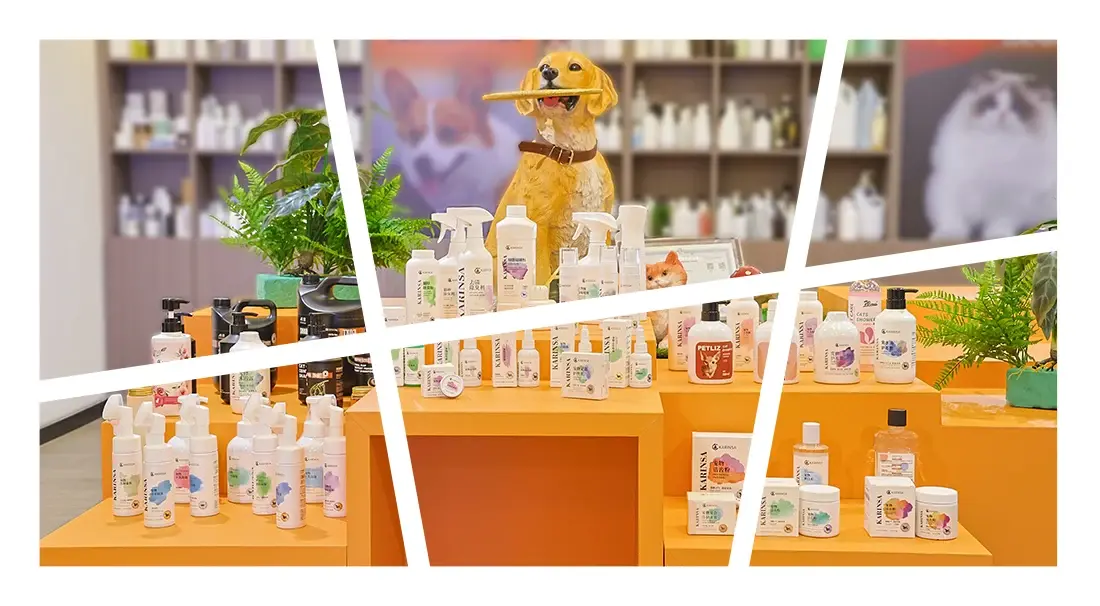
Today's eye wipes use pH-balanced liquids that are made to match the natural lacrimal fluid of pets. Formulations that contain polyhexamethylene biguanide hydrochloride kill germs without the stinging feeling that comes with alcohol-based products. Botanical products like Aloe Vera, Chamomile, and Honeysuckle help reduce inflammation and are safe, which means they are good for dogs with sensitive skin. The strength of eye drops sold for dogs varies a lot. Some over-the-counter lubricating drops may have stabilizers in them, like benzalkonium chloride, Pet Eye Care Wipes which can damage the eye if used for a long time. Prescription drugs have specific side effects and need to be supervised by a vet, which makes it harder for store buyers to keep track of their inventory.
Comparative Analysis: Advantages and Limitations for B2B Buyers
Looking at eye care goods through the lens of buying means balancing how well they work in the clinic, how easy they are to use, and how well they follow the rules. When you buy and distribute Pet Eye Care Wipes in bulk, you get clear benefits. Their solid base format means there are no worries about leaks during shipping, and they can be stored in a variety of ways without needing to be refrigerated. Unlike eye drops, which may go bad within 12 months or need to be refrigerated after opening, wipes usually have a shelf life of 24 months if they are properly packed. This means that there is less pressure to keep selling them. Another strategic benefit is that packaging can be used in a variety of ways. Wipes come in a variety of container types, such as resealable bags, flip-top canisters, and single sachets. This means that sellers can serve a wide range of customers, from people who want travel-sized packs to people who want to buy in bulk for professional groomers. This area has a lot of OEM and private label options, and the minimum order quantity is only 500 units, which makes it easy for new names to get started.
Cost-Effectiveness Across Supply Chains
When looking at the total cost of ownership, wipes are a better deal. Their one-time use design means that they don't waste product because of dirty bottles or wrong doses. Retailers gain from lower return rates because the rules for use are clear and people rarely apply them incorrectly. Having both antimicrobial and washing properties in one product makes it easier to keep track of SKUs than keeping different stocks of cleaning liquids and treatment drops.
Limitations and Contextual Considerations

Wipes can't take the place of prescription eye drops for infections or inflammatory diseases that have already been identified. To meet all of their clients' eye needs, procurement teams that work with veterinary centers should keep both types of products in stock. Wipes also need the right way to get rid of them, since most bases can't be flushed away, even though they say they are recyclable. If a buyer wants to reach eco-friendly customers, they should look for sellers that offer non-woven fabrics that can be composted or recycled packing materials. Medicated eye drops are very helpful for healing, but they need to be used by people who know what they're doing and are supervised by vets. By selling prescription-grade eye care goods along with maintenance items, distributors who market themselves as specialty medical suppliers can create complete care environments that keep customers coming back.
How to Choose the Best Pet Eye Care Product for Your Business Needs
Choosing the right products for your business starts with clearly dividing your customers into groups. When selling things online, e-commerce sellers like products that look good and have clear ingredient lists and certificates that can be seen in the product listings. Professional-grade products that work quickly and have nice scents are needed in grooming shops and pet spas to make the service experience better. Veterinary centers care about clinical proof, being able to track down ingredients, and making sure that products work with medical procedures. Evaluating the skills of the seller turns out to be just as important as formulating the product. Manufacturers who are certified by ISO 9001 and GMP can guarantee that quality control will be maintained throughout production. Having access to MSDS documents, Certificates of Analysis, and reports on ingredient compliance makes regulatory files for foreign marketing easier. Pet Autra is an experienced seller with over 20 years of production experience. They offer technical support for target markets in North America, Europe, and Asia, such as custom formulations, language package design, and legal advice.
Ingredient Transparency and Market Trends
Clean-label products that don't contain parabens, sulfates, fake scents, or harsh solvents are becoming more and more popular with customers. Botanical actives like Witch Hazel and Calendula are popular with pet owners who care about their pets' health and also have practical uses. Adding vitamin E meets a growing need for protecting against free radicals and conditioning the skin. To back up marketing claims and limit risk, procurement managers should ask for full ingredient lists and proof of allergy testing. Sustainability issues now play a role in how institutions decide what to buy. Retailers who care about the environment like biodegradable bases made from bamboo or organic cotton. When sellers are bidding against each other, those with recyclable packaging and carbon-neutral shipping choices stand out. As part of a full vendor review, buyers should look at a supplier's environmental certifications and efforts to cut down on waste.
Procurement Best Practices and Partnership Models
Getting samples of a product lets you try it out before you commit to Pet Eye Care Wipes buying a lot of it. Reputable companies offer free samples within 48 hours and want to hear what you think about the texture, smell, and cleaning power of the samples. Once the quality meets standards, it's possible to negotiate bulk discounts, and tiered pricing structures reward customers who stay loyal and keep placing the same orders. Subscription-based purchasing models are becoming more popular among buyers who buy a lot of goods and want to be sure that their prices will stay the same. Automated restocking systems work with ERP platforms to cut down on routine work and keep supplies from running out during times of high demand. MOQ setups that are flexible can adapt to changes in the seasons and marketing campaigns without keeping too much capital in backup stock.
Future Trends and Innovations in Pet Eye Care Products
The cat care business is moving toward formulations based on science and environmentally friendly ways of making products. The next big thing in getting rid of tear stains is enzyme-based cleaners that can break down protein-based tear deposits. Probiotic-enhanced wipes add good bacteria to the periorbital microbiome, which might make it less likely for infections to happen through processes of competitive exclusion.
Innovations in packaging are made to be both useful and good for the earth. Without using artificial stabilizers, airless pump containers keep products from being exposed to oxygen as much as possible. Water-soluble wrapping films make it easy to get rid of waste and keep products safe while they are being stored and shipped. Smart packaging with QR codes gives customers testing results and how-to videos for each batch, which increases openness and user trust.
Digital procurement platforms change business-to-business deals by using AI to predict product needs and blockchain technology to make the supply chain more transparent. Distributors use predictive analytics to make sure they have the right amount of stock based on regional tastes and regular demand trends. Direct manufacturer integration cuts down on markups for middlemen while keeping quality control high with approved production sites.
Harmonization of regulations across countries makes foreign distribution easier. Working together, the FDA, the European Commission, and Asian governing bodies have set uniform safety standards for pet hygiene products. This cuts down on the need for duplicate testing and speeds up the time it takes for new formulations to reach the market. When suppliers put money into safety systems, they make themselves more attractive as partners for global growth projects.
Conclusion
The choice between eye drops and Pet Eye Care Wipes for pet eyes depends on the situation, the user's skills, and the goals. Wipes are the best way to keep yourself clean and healthy every day because they are so convenient, safe, and cheap. Because they are hypoallergenic, last longer on the shelf, and don't need much training, they are perfect for business-to-business purchases in retail, grooming, and educational outlets. Eye drops are still very important for therapy, but they need to be supervised by a vet and users need to be taught how to use them. Distributors who are ahead of the curve build complete product lines that meet both medical and upkeep needs. They do this with the help of relationships with suppliers that offer customization, regulatory knowledge, and reliable services.
FAQ
1. What makes pet eye wipes different from regular cleaning wipes?
Pet eye wipes are pH-balanced to match the tears of both dogs and cats, which keeps the lens from getting irritated. They have low-lint surfaces that keep fibers from getting into the eye and gentle antimicrobials that are safe for use around the eye. Regular wipes might have strong cleansers or scents that aren't good for eyes that are sensitive.
2. Can eye care wipes treat active infections?
Wipes can help with personal cleanliness, but they can't take the place of prescription medicines for bacterial or viral infections that have been identified. They get rid of waste and other things that make infections worse, and when used with veterinary-prescribed medicines, they help with medical treatment plans.
3. How do I evaluate supplier reliability for bulk orders?
Ask for proof of certifications like ISO 9001, GMP compliance, and proof of product liability insurance. Check the amount of work that can be done by using building audits or inspection records from a third party. Before committing to big orders, make sure that the company is easy to get in touch with and ready to provide samples, MSDS, and COA paperwork.
Partner with Pet Autra for Premium Eye Care Solutions
Pet Autra specializes in making eye hygiene products that are safe and efficient. Distributors and retailers in all five countries trust their goods. Our advanced research and development labs, 100,000-class cleanrooms, and fully automatic finishing lines make sure that the quality of every batch of Pet Eye Care Wipes is the same. With FDA and CE approvals, we meet strict international standards and offer a wide range of customization options, such as changing the formulation or private marking in multiple languages. Our cheap MOQ of 500 packs, 24-month shelf life, and quick 7–15 day production runs give your business the dependability it needs. Our OEM/ODM services offer custom solutions backed by more than 20 years of export experience. This is true whether you're an online store owner starting a new brand or a dealer growing your business. Contact our team at sales@shampoopet.com to get samples and learn more about how our Pet Eye Care Wipes can help your products stand out while also meeting the changing needs of pet care workers around the world.
References
1. Smith, J.L., & Martinez, R.K. (2021). Comparative Efficacy of Ocular Hygiene Methods in Companion Animals. Journal of Veterinary Dermatology, 34(2), 145-159.
2. Thompson, A.E. (2020). Tear Staining in Canines: Pathophysiology and Management Strategies. Veterinary Clinics of North America: Small Animal Practice, 50(4), 823-841.
3. Chen, W., & Rodriguez, P. (2022). Regulatory Compliance in International Pet Care Product Distribution. Global Pet Industry Standards Review, 17(3), 211-228.
4. Anderson, K.M., et al. (2023). Consumer Preferences in Pet Hygiene Products: A Market Analysis. Pet Product Marketing Quarterly, 29(1), 67-84.
5. Wilson, D.R., & Foster, L.J. (2021). Antimicrobial Efficacy of Polyhexamethylene Biguanide in Veterinary Applications. Veterinary Microbiology and Infectious Diseases, 45(6), 432-447.
6. Lee, S.H., & Park, J.Y. (2022). Sustainability Trends in Pet Care Manufacturing: Environmental Impact Assessment. Journal of Sustainable Pet Industry Practices, 12(4), 301-318.

Send Inquiry
You may like