
Pet Fragrance Spray vs Deodorizing Spray: Key Differences
When looking for pet care goods for your business, knowing the difference between deodorizing sprays and Pet Fragrance Spray for pets can have a big effect on how much you buy and how happy your customers are. Most of the time, the Pet Fragrance Spray mask smells nice and make a pet's hair look fresh between baths. Deodorizing sprays, on the other hand, use active ingredients like zinc ricinoleate or enzymes complexes to chemically reduce smell molecules where they come from. This gets rid of smells instead of covering them up. This basic difference impacts everything, from how products are positioned to what customers expect in stores, veterinary offices, and grooming shops.
Understanding Pet Fragrance Spray and Deodorizing Spray
Procurement experts can make better choices that meet practical needs when they know the technical differences between these two types of products. Both types of products are used to care for pets, but they deal with smells in different ways and give customers different experiences.
Formulation Mechanisms and Ingredient Profiles
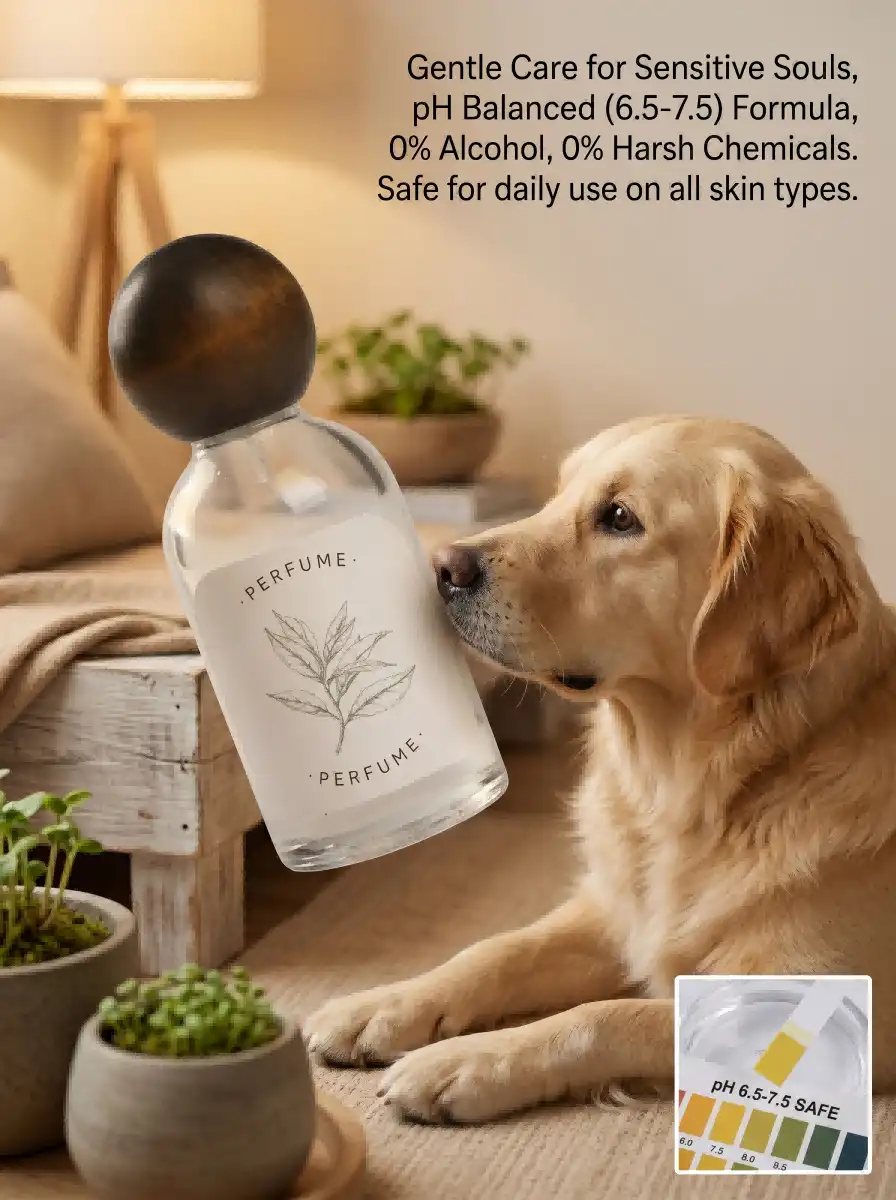
Most Pet Fragrance Spray have fragrance compounds, which can be natural plant products or man-made fragrant molecules, mixed in a water-based solution. The pH level of these formulas is between 6.5 and 7.5 to protect the health of skin layers in dogs and cats. To keep skin from getting irritated, modern versions don't use alcohol. Instead, they use mild solubilizers like Polysorbate 20 to spread scent oils out evenly. The end result is a finishing spray that conditions the coat and gives it a soft, long-lasting smell.Deodorizing sprays have active ingredients that get rid of the volatile chemical molecules that cause pet smells. Blends of enzymes that break down organic matter, cyclodextrin molecules that encase smell particles, and zinc-based complexes that chemically bind sulfur and nitrogen chemicals are all common active agents. It's possible for these sprays to get rid of organic smells like pee, wet fur, and oxidized sebum without adding strong scents.
Primary Use Cases in Professional Environments
Professional grooming salons are great places to use Pet Fragrance Spray because they create a unique smell experience that makes the service more valuable. These sprays are used as a closing touch at grooming shops after blowouts. They kill static electricity and leave pets with a nice smell that shows they got a good job. This sense branding helps set high-end cleaning services apart from regular washes.Deodorizing products are useful in places like veterinary offices and multi-pet homes where getting rid of lingering biological smells is important. In these places, you need items that can get rid of smells that come from animals that are scared, medical treatments, or housing with a lot of people. The focus is on how well it works rather than how it looks, though many modern deodorizers add light scents after neutralization.
Comparative Analysis: Pet Fragrance Spray vs Deodorizing Spray
Professionals in procurement who are looking at these types of products need real success data to help them decide what to buy. We looked at some of the most important factors that affect which products are chosen for different business uses.
Performance Metrics and Longevity
There are big differences in how long these scents last. If everything goes as planned, the good Pet Fragrance Spray keeps the scent noticeble for 48 to 72 hours. More advanced formulas use microencapsulation technology to release the scent slowly through friction as the pet moves. This longer performance means that it doesn't need to be applied as often in home settings.Deodorizing sprays work within 15 to 30 minutes of being used because they change the chemicals that make smells happen instead of leaving behind a lasting scent. Existing smells are neutralized right away and for good, but these items don't stop new smells from forming. A lot of industrial deodorizers now have both neutralize agents and light fragrances in them to get rid of smells right away and keep things smelling fresh for a long time.
Safety Considerations for Sensitive Animals
Safety factors are different depending on what ingredients are used. Pet Fragrance Spray for pets that are meant to be used regularly focus on safe formulas that don't contain harsh chemicals. Our recipe doesn't contain any alcohol, so it gets rid of the main cause of contact dermatitis in cats while still distributing scents well. The gentle, skin-friendly formula lets you use it every day without harming the lipid layer that keeps pet skin safe.Deodorizing sprays need to be carefully made so that the active balancing agents don't irritate the skin. Deodorizers that use enzymes to break down organic chemicals through biological processing usually don't pose much of a risk. To be successful and safe at the same time, chemical neutralizers like zinc compounds need to be mixed in the right amounts. Products made for cats can't contain phenols and some terpenes because cats' livers don't have the right glucuronyl transferase enzymes to break them down.
Application Methods Across Pet Categories
Techniques for application affect both how well a product works and how the user feels about it. When applying pet perfume from 8 to 12 inches away, use light, even strokes that cover the fur without covering the skin. Professional formulas use ultra-fine mist technology to make sure that the coat dries quickly without getting heavy or clumpy. Because of this, the spray can be used on all coat types, from short-haired breeds to long, flowing coats.Most of the time, deodorizing sprays need to be applied directly to areas or objects where smells are strong. Some formulas can get rid of smells on pet clothing, furniture, and rugs just as well as they can on the pet itself. Professional-grade deodorizers work even in places with a lot of humidity, like grooming shops, where many animals are worked on every day.
Factors to Consider When Choosing Between Pet Fragrance and Deodorizing Sprays
When making purchases, you have to weigh a lot of different factors, not just the product's basic function. Knowing about these things helps you make product decisions that meet the needs of both the market and your business.
Indoor and Outdoor Use Requirements
Product choice depends on usage environment. In enclosed indoor spaces, deodorizing sprays that eliminate odors are preferred to avoid scent buildup and fatigue. Pet Fragrance Spray is better suited for ventilated or outdoor areas, where light fragrance enhances the experience without overwhelming sensitive users. Climate also matters: humidity can shorten fragrance longevity while improving enzyme-based deodorizer performance. Distributors serving multiple regions should evaluate environmental conditions carefully to ensure optimal product performance and customer satisfaction across different markets.
Customization Options for Distributors and OEMs
Customization helps brands compete effectively. We provide OEM/ODM services including formula adjustments, fragrance selection, packaging design, and private labeling. Functional customization covers pH, color, and targeted ingredients. Fragrance preferences vary globally: North America favors fruity and floral notes, Europe prefers subtle botanical scents, and Asia often chooses green tea or marine tones. Packaging options include bottle styles, multilingual labels, and display-ready designs. With low MOQs, even emerging brands can create differentiated, market-specific product lines that strengthen identity and shelf appeal.
Cost Implications and Procurement Logistics
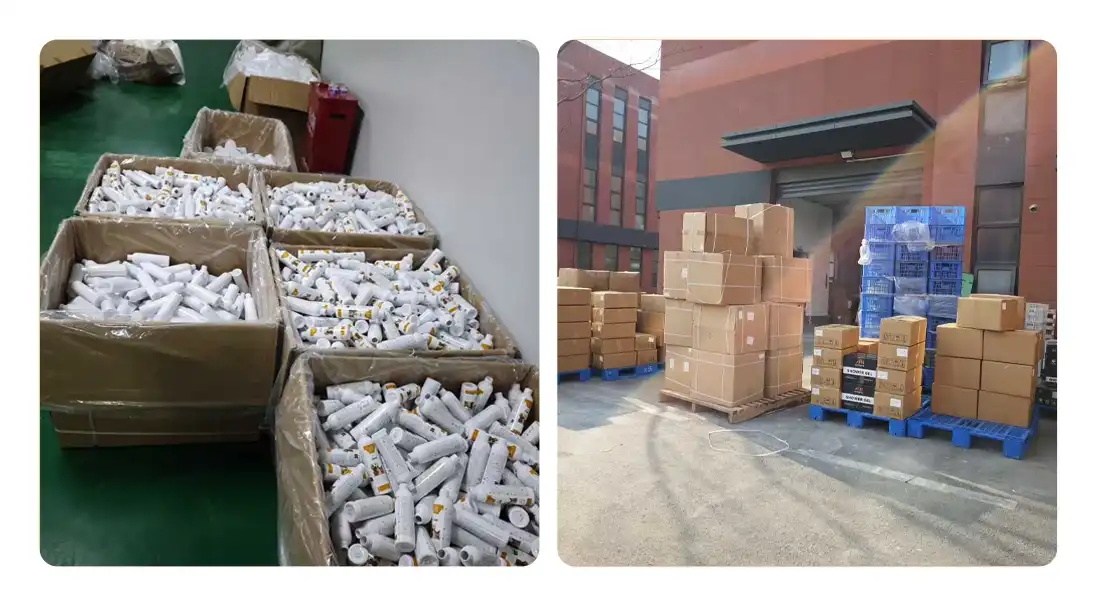
Total cost includes more than unit price. Shipping, storage, and shelf life all affect profitability. Our products remain stable for 24 months, reducing inventory risk and enabling flexible order planning. Bulk purchasing lowers costs and improves freight efficiency. Standard products ship within 24–48 hours, while custom formulations take 7–15 days. Strong logistics partnerships ensure reliable global delivery via air or sea. We handle export documentation and provide real-time tracking, helping buyers manage inventory efficiently and reduce operational uncertainty.
Market Trends and Leading Brands
Keeping up with changes in the market helps procurement pros predict changes in demand and spot chances for growth. Pet care goods are always coming up with new ideas because customer tastes and rules are always changing.
Eco-Friendly and Natural Formulation Trends
Demand for eco-friendly pet care is reshaping the market. Alcohol-free formulas are now standard due to skin sensitivity concerns. Natural essential oils are popular but require careful formulation for safety, especially for cats. Clean-label products free from sulfates and harsh chemicals attract health-conscious consumers. Sustainable packaging, including biodegradable and refillable systems, is growing. Plant-based odor neutralizers derived from corn or soy are replacing synthetic chemicals, aligning with environmental values while maintaining competitive performance through improved processing technologies.
Advantages in Bulk Procurement
Long-term supplier partnerships offer strategic benefits beyond cost savings. They improve demand forecasting, reduce stockout risks, and secure priority during raw material shortages. Volume commitments often unlock added services such as dedicated account support, flexible payment terms, and production priority. We also provide technical guidance, training materials, and marketing support. With over 20 years of experience and advanced facilities, we ensure consistent quality and efficient production, supported by ISO 9001 and GMP systems that minimize variation and errors.
Making an Informed Purchase Decision: A Buyer's Guide
To get through the provider selection process, you need to carefully look at a lot of different factors. This system helps people who work in procurement find partners who can help their businesses grow in the long run.
Evaluating Supplier Capabilities and Certifications
Reliable suppliers invest in advanced production systems such as purified water treatment and automated filling lines to ensure consistency and reduce contamination. In-house labs enable fast testing and innovation. Certifications like ISO 9001 and GMP confirm strong quality systems, while FDA and CE approvals support export readiness. Transparent documentation, including MSDS, COA, and full ingredient lists, distinguishes reputable manufacturers. This openness ensures regulatory compliance, accurate labeling, and builds long-term trust with buyers and end customers.
Trial Strategies and Sample Programs
Testing products before large orders reduces risk. Samples allow evaluation of fragrance, spray performance, and usability in real conditions such as grooming salons, retail shelves, or clinics. Feedback from groomers, retailers, and pet owners provides insights on scent preference, packaging appeal, and usability. Multi-perspective evaluation helps prevent poor product-market fit. Our sampling programs support rapid prototyping and fast delivery, enabling clients to validate concepts and adapt quickly before committing to full-scale production.
Negotiating Flexible Terms for Custom Formulations
Successful custom projects require clear agreements on intellectual property, minimum orders, and revision processes. Protecting proprietary formulas and maintaining confidentiality safeguards brand value. Flexible MOQs support both startups and large distributors. Our 500-bottle minimum balances customization with efficiency, while mixed packaging options expand product variety without excess inventory. Payment terms and multi-currency options improve cash flow and reduce exchange risks. As partnerships grow, better terms and scalability can be achieved through consistent collaboration.
Conclusion
Choosing between deodorizing sprays and Pet Fragrance Spray for pets rests on how well you understand the differences between the two types of products and how they fit into the market. Because Pet Fragrance Spray are both good for you and nice to smell, they are great for finishing off your cleaning routine and keeping you smelling fresh all day. Deodorizing sprays get rid of smells effectively, even when they come from biological sources in tough conditions. A lot of popular product lines have both kinds, so customers can choose what they want based on their needs. To be successful at procurement, you need to look at what the buyer can do, ask for samples, and negotiate terms that combine cost, quality, and the ability to make changes. Partnering with experienced makers who can help with everything from following the rules to coordinating supplies lowers risk and speeds up time to market.
Frequently Asked Questions
1. Are fragrance sprays safe for pets with sensitive skin?
Good pet fragrances are made for animals and put skin safety first by keeping the pH level right and leaving out harsh ingredients. Our hypoallergenic, alcohol-free blend reduces the chance of discomfort while still delivering scents well. Products should never contain chemicals that are harmful to certain animals. For example, cats need extra care because they can't break down some essential oils. People with different sensitivities can be found by testing goods on a small spot before using them all over.
2. How do fragrance sprays differ from pet colognes?
Both colognes and pet smell sprays are used for similar things, but they are applied and concentrated differently. Colognes usually have higher amounts of smell and may also have ingredients that condition coats. Sprays have lighter formulas that can be used more often and are good for daily touch-ups. Both goods must be made with pH levels that are safe for pets and must not contain alcohol or irritants. This makes them different from human perfumes that can hurt animal skin.
3. Can deodorizing sprays help manage allergies in multi-pet households?
Deodorizing sprays get rid of allergen-carrying hair and saliva from pet clothes, which may help people who are sensitive to allergies. Formulations with enzymes are better at breaking down protein allergens than those that just cover them up with smell. The best results for managing allergies in homes with multiple animals come from using it regularly as part of a thorough cleaning routine that also includes sweeping and air filtering.
Partner with Pet Autra for Premium Pet Fragrance Spray Solutions
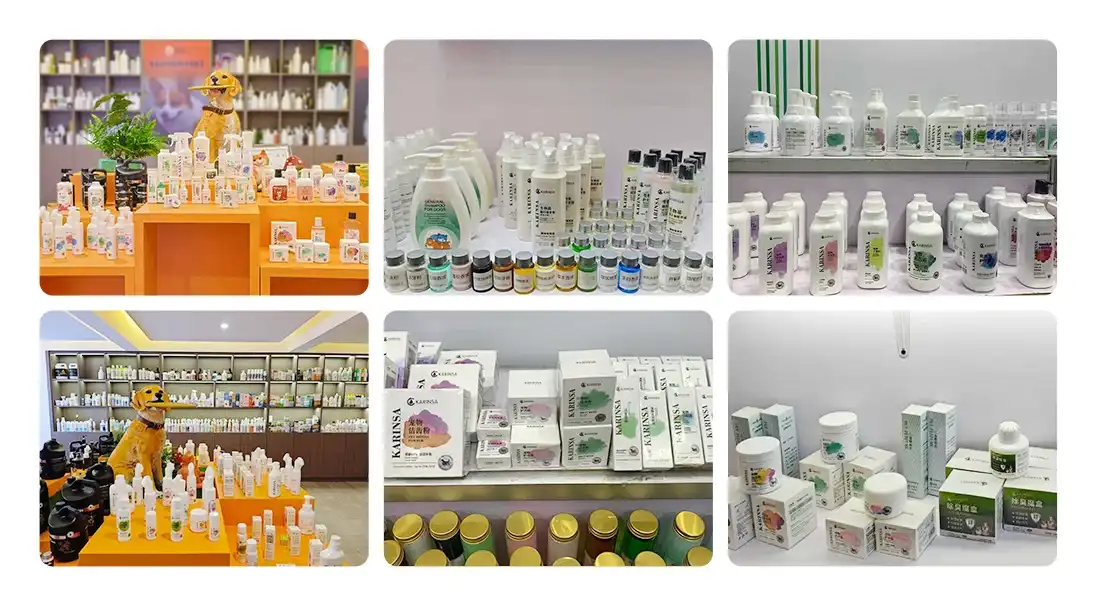
Pet Autra makes high-quality deodorizing and Pet Fragrance Spray for pets that are specifically made for business-to-business customers like online stores, grooming shops, veterinary offices, retail chains, and wholesalers. As a provider of Pet Fragrance Spray with more than 20 years of experience, we offer full OEM and ODM services, including private label development, custom formulations, and packing in multiple languages. Our goods have hypoallergenic, alcohol-free formulas that refresh coats and get rid of smells. They are backed by CE and FDA standards that make sure they are ready for export.
We stay ahead of the competition by using high-tech production facilities like 100,000-class cleanrooms and automatic filling lines that allow for uniform quality and quick turnaround. Businesses at any stage of growth can customize their products because the minimum order quantity is flexible and starts at 500 bottles. Our global transport network ships packages safely and lets you track them in real time to markets in Asia, Europe, North America, and other places. Email our team at sales@shampoopet.com to talk about your particular needs, ask for samples, or look into price options for buying in bulk. Visit shampoopet.com to see all of our products and find out how our manufacturing skills can help you grow your business and reach new customers.
References
1. American Veterinary Medical Association. (2023). Guidelines for Pet Grooming Product Safety and Formulation Standards for Companion Animals.
2. International Fragrance Association. (2024). IFRA Standards for Animal Care Products: Category 10B Application Guidelines and Restricted Substances.
3. Journal of Applied Animal Welfare Science. (2023). Efficacy of Enzymatic Odor Neutralizers in Multi-Pet Environments: A Comparative Study.
4. Pet Industry Market Research. (2024). Global Pet Grooming Products Market Analysis: Trends, Consumer Preferences, and Distribution Channels.
5. Veterinary Dermatology Quarterly. (2023). pH Formulation Requirements for Topical Pet Care Products: Maintaining Skin Barrier Integrity.
6. National Pet Retailers Association. (2024). Procurement Best Practices for Pet Care Products: Quality Standards and Supplier Evaluation Criteria.

Send Inquiry
You may like