
Pet Herbal Shampoo for Itchy Skin Relief
Dogs and cats whose skin hurts, itches, or scratches all the time can use Pet Herbal Shampoo to feel better. It gets rid of the things that are making the problem happen and helps pets right away. Plant extracts that heal are mixed with soft cleansers to make these unique blends. They are a safe option to harsh chemical treatments. Pet Herbal Shampoos, on the other hand, use the anti-inflammatory properties of plant-based chemicals to calm irritated skin, stop the growth of germs, and restore your pet's hair and skin to their natural balance. Regular shampoos contain man-made detergents and parabens. Because these products are made to work with the pH level of dog and cat skin, they give pets the benefits of a medicated bath without the risks that come with using strong chemicals.
Understanding Pet Herbal Shampoo and Itchy Skin Problems.
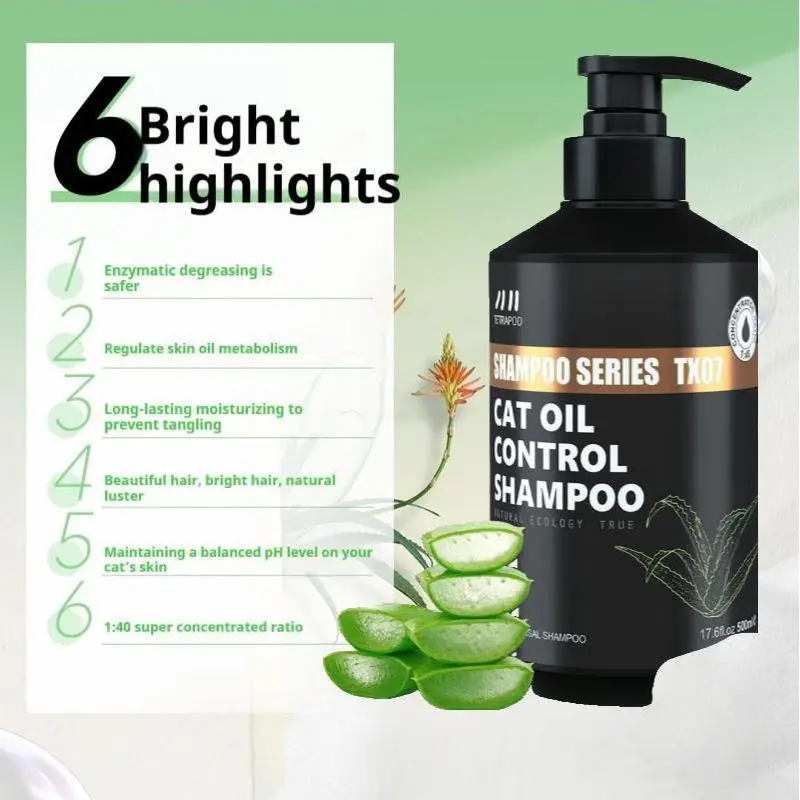
Why Pets Develop Itchy Skin?
Pet owners frequently visit vets or groomers due to itchy skin. Causes include environmental allergens, food sensitivities, parasites, and bacterial or fungal infections. French Bulldogs, Retrievers, and Terriers face higher risk. Chronic inflammation damages the skin barrier, accelerating transepidermal water loss and worsening dryness and itching. Cats also experience sensitivities leading to excessive scratching and hair loss.
How Herbal Ingredients Target Skin Irritation?
Plant bioactives offer superior relief. Neem oil’s azadirachtin fights Staphylococcus and Malassezia. Aloe vera polysaccharides penetrate the stratum corneum, soothing and accelerating healing. Colloidal oatmeal forms a protective barrier with beta-glucans calming itch-inducing nerve endings. Chamomile’s apigenin and bisabolol reduce inflammation. These ingredients work synergistically to treat root causes of skin irritation without harsh side effects.
The Difference Between Herbal and Conventional Shampoos
Both sodium lauryl sulfate and sodium laureth sulfate are harsh cleaners that are often found in regular soaps for cats. They hurt the skin's protection layer and take away important oils from the hair. Getting angry about it can make things worse, starting a cycle of pain and harm. In Pet Herbal Shampoos, glycosides or betaines, which come from plants and clean well without hurting the skin's structure, are used instead of these harsh chemicals. This condition is even less likely to happen if there are no fake fragrances with phthalates or preservatives like parabens. This kinder way works great for cats whose immune systems aren't working well or who have long-term skin problems that need to be taken care of.
Evaluating Pet Herbal Shampoo Solutions for Itchy Skin
Critical Ingredients to Prioritize
Tea tree oil terpenes offer antimicrobial action against bacterial and fungal infections—formulations must ensure feline-safe concentrations. Calendula extract with flavonoids and triterpenoids accelerates wound healing and reduces inflammation. Lavender provides natural cleansing and calming aromatherapy. Coconut oil’s cleansers maintain pH 6.0–7.5, optimal for pet skin. These ingredients deliver therapeutic benefits without harsh side effects.
Certifications That Signal Quality and Compliance
People who buy things for pet hospitals, cleaning salons, and stores need to make sure that service providers meet high quality standards. Having ISO 9001 approval means that the steps used for quality control are written down and the manufacturing method is the same every time. For drugs, GMP compliance makes sure that work places are clean and up to code. Products that are going to be sold in other countries need to have the right paperwork, such as MSDS safety data sheets and Certificates of Analysis that show the quality of the ingredients. They also need to follow local rules, such as EU REACH standards or FDA guidelines. Organic certifications from trustworthy groups show that plant products don't have any chemicals left over, and cruelty-free certifications are appealing to people who want to do the right thing.
Comparing Efficacy and Safety Profiles
Pet Herbal Shampoos can help with health problems in the same way that drugs can, but they don't have as many side effects. Studies have shown that using botanical-based cleaners every day cuts down on the number of times pets need to go to the vet for skin problems that come back. The active chemicals in plants stop bacteria from taking over and fungi from growing. They do this without making bacteria immune to medicines, which is a problem that is getting worse with standard treatments. For dogs that like to lick themselves during and after baths, products that use food-grade ingredients instead of chemicals made in a lab are safer. The bigger safety cushion lets people with long-term illnesses take more baths, which helps them handle their diseases better over time.
How to Choose the Best Pet Herbal Shampoo for Your Business Needs?
Aligning Product Features with Target Markets
The people who sell and make private label names need to make sure that the recipe qualities are right for the people who buy their goods. If an online shop wants to sell healthy items for pets, it should stress that the goods are organically approved and have clear ingredient lists. Shops that do grooming need strong solutions that work well at 10:1 to 30:1 dilution ratios. The cost of each bath must go down while these recipes keep foam stable in hard water. A vet's office needs medical-grade supplies that work with the treatments that are suggested and don't interact with drugs or external medicines. Store chains benefit from packaging that looks good and has signs that are written in more than one language so that a lot of customers can understand what the value is.
Evaluating Supplier Capabilities
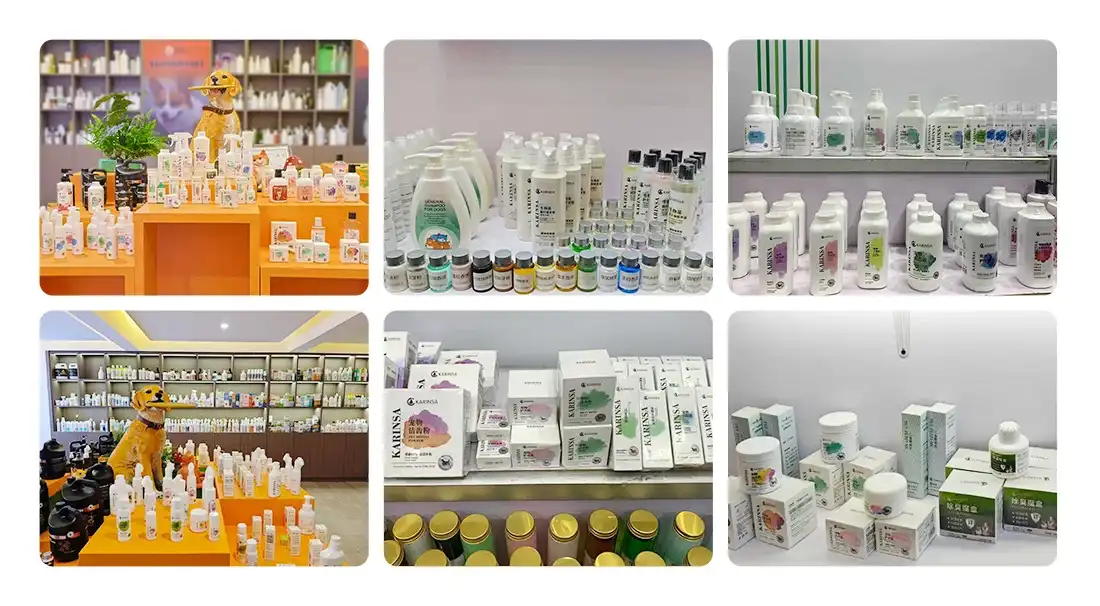
Products will always be available and of good quality if you work with makers whose system is strong. Minerals that can cause rashes are not found in shampoos made in plants with reverse osmosis water treatment systems. In cleanrooms that meet medical standards, microbes don't get into the products while they're being made. With automatic filling lines, dosing is more exact and less likely to go wrong. The product is also safe because it is cleaned in a strict way. Tests for stability, microbial challenge, and pH testing can be done by suppliers with up-to-date labs. These results can be used as support for regulatory applications in target markets.
Cost Optimization Through Strategic Procurement
With volume-based price methods, companies that can guess how much demand there will be can save a lot of money. A minimum order quantity of 500 units strikes a good mix between how much it costs to store things and how much it costs to sell each one. Getting longer payment terms is a good way to better control your cash flow, especially for businesses whose sales depend on the seasons. When you work with the same suppliers for a long time, you can often get better deals, get your products earlier, and work together on product growth. To get a good idea of how much money they will make, buyers should add up all the costs of owning the item, such as shipping, import fees, and storage.
Procurement Strategies for Pet Herbal Shampoo: Buying and Distribution Insights
Direct Manufacturer Partnerships Versus Marketplace Sourcing
There are more perks to working directly with well-known companies like Linyi Wobel Pet Supply Co., Ltd. than just getting the best deals. For more than 20 years, a company has been making Pet Herbal Shampoo, so they can help with things like customizing recipes, dealing with regulations, and planning a market launch. People who buy directly from a company can do facility surveys, check certificates, and set up quality control routines, like checking goods before they are shipped. When a company is listed with the FDA and has CE certification, it means that it follows foreign rules. This makes it easy for sellers to get into controlled markets without having to worry about following the rules. When market trends call for new formulas or package ideas, being able to talk to R&D teams right away speeds up the process of making new goods.
Inventory Management and Supply Chain Reliability

To keep the right amount of stock on hand, you need to find the best mix between guessing how much demand there will be and having limited storage room. Suppliers with flexible MOQs can work with businesses at all stages of growth, from those that are just starting out in the market to established distributors that handle a lot of SKUs. Standard production times are 7 to 15 days, and sellers who keep popular formulas in stock can fill regular orders in 24 to 48 hours. This makes it easy to reorder. You won't run out of stock during busy times if you use automatic restocking systems that are based on how fast things are selling. People who can ship their goods in mixed packages will save you money on freight costs when you buy a lot of different things at once.
Quality Assurance and Compliance Verification
Tough quality control keeps customers safe and keeps the brand's reputation safe. Samples that have already been shipped can be tested by a separate lab to make sure that the right amounts of chemicals, microbes, and pH are present. You can show that the goods were made on the given date and meet the agreed-upon standards by asking for Certificates of Analysis that are unique to each batch. When providers provide full regulatory support, such as ingredient lists made for target markets, safety data sheets, and stability studies, the approval process with regulatory bodies goes faster. Customs delays can be avoided by companies that know how to handle export paperwork. They do this by making sure that all the necessary classification codes, country-of-origin certificates, and phytosanitary papers are filled out properly.
Case Studies & Success Stories: Effective Use of Pet Herbal Shampoo for Itch Relief
European Distribution Success
A small German company that sells pet supplies teamed up with an Asian business to make a line of Pet Herbal Shampoos for pets with sensitive skin. Europeans are used to using chamomile and marigold oils in makeup, which is what the recipe was mostly about. At first, they were well received because they were placed strategically in natural pet stores and organic veterinary offices. 87% of people who answered customer surveys said they could tell a difference in their pet's skin within three weeks. Their pet would scratch less and have a better hair structure. The distributor added breed-specific types to the line, which helped them take market share away from well-known brands by being more open about what was in the food and having lower prices because they had direct relationships with the makers.
Professional Grooming Salon Adoption
The grooming company had 15 locations in the southeast of the United States. Regular baths were giving the groomers hand dermatitis, and customers were saying their skin hurt after washing. People didn't get sick at work after the company moved to a herbal mix with plant-based lubricants. They also kept more customers. This product was 40% cheaper when it came in powder form than when it was ready to use. Groomers saw that drying times were faster and static was lower, which helped them get more done in less time. Customers said the coat looked better and smelled better after a while, which led to more rebookings and good reviews online that brought in new customers.
Veterinary Clinical Application
Pet Herbal Shampoos were used by a specialty dermatology office to treat dogs with pyoderma and other skin problems that kept coming back. It took people less time to get better and less often they needed to take antibiotics when the gentle versions were used as maintenance therapy between drug treatments. The business made learning materials for clients that showed how plant-based products can help the skin's barrier work. This helped people stay with their treatments longer. People who owned pets liked the natural way because it fit with how they thought about health. This made the relationship between the vet and client better. The office began selling the items, which made extra cash and made sure that patients could get the care items that were recommended.
Conclusion
Pet Herbal Shampoo represents a convergence of traditional knowledge about plants and current skin science to make it safe and effective at reducing itching. More and more people want to care for their pets in a natural way. This is great news for stores, groomers, medical offices, and people who sell these things because they know how important they are. A good buying plan strikes a mix between how good the ingredients are, how reliable the sellers are, how much they cost, and how well they follow the rules. Working with skilled manufacturers who have strong quality systems and can customize goods in many ways is a great way for businesses to meet the needs of a wide range of customers and stay ahead of the competition. Herbal pet care items will continue to grow in both professional and retail stores as more people learn about chemical allergies and as natural pet care becomes more common.
FAQ
1. Can herbal shampoos be used alongside flea and tick treatments?
Yes, Pet Herbal Shampoos that are made properly and don't use soap can clean the hair shaft without taking away the lipid layer, which is where the protective oils on the outside live. In order for spot treatments to work fully, they shouldn't be used for at least 48 hours before a bath. Before giving an item to your pet, you should always check with your vet to make sure it is safe. This is because the amount of essential oils can change how well a treatment works.
2. Are these shampoos safe for puppies and kittens?
Normal items might have essential oils that aren't good for little pets, but recipes made just for them are safe. Most types with chamomile or lavender are safe for cats over 12 weeks old. Peppermint and tea tree oils are tough for cats to break down, so don't give them to them. Always pick out things that are the right size for the animal, and if it's less than three months old, talk to a vet first.
3. How often should pets with chronic itching be bathed?
It depends on what you're using and how bad things are for you how often you wash. It's easier to wash your hair more often with herbal shampoos than with hard chemical shampoos. For maintenance, you should wash your hair every two weeks, instead of once a week during flare-ups. Natural oils can be washed away if you wash your face too often, so use both cleaning and hydrating products in moderation. Veterinary doctors may suggest certain plans based on the needs of each patient and any other treatments that are being used at the same time.
Partner with Pet Autra for Premium Pet Herbal Shampoo Supply
When businesses need to find Pet Herbal Shampoo supplies for their pets, they can turn to Linyi Wobel Pet Supply Co., Ltd., a trustworthy company that has been making good products for more than twenty years. Our all-natural recipes use medical plants and herbal baths to take care of your skin and hair in a way that meets the needs of both professional and retail customers. Not only do we keep our CE and FDA certifications up to date, but our buildings are also ISO 9001 approved. We also offer full OEM/ODM customization, which includes making formulas, choosing scents, designing packages, and adding private labels. The supply chain works well because you have to buy at least 500 bottles of wine, our production schedules are open enough that deliveries can happen anywhere between 7 and 15 days, and we offer cheap international shipping through established logistics partnerships. Our expert team can help you with legal issues, translate papers into multiple languages, and make changes to formulations that are right for each market. You can get samples, talk about bulk prices, or look for ways to work together by emailing sales@shampoopet.com.
References
1. Miller, W.H., Griffin, C.E., & Campbell, K.L. (2020). Muller and Kirk's Small Animal Dermatology (8th ed.). Elsevier Health Sciences.
2. Linder, K.E. & Olivry, T. (2018). "Dermatoses responsive to food allergens in dogs and cats: A systematic review." Veterinary Dermatology, 29(5), 346-e124.
3. Paterson, S. (2019). Skin Diseases of Exotic Pets. Wiley-Blackwell Publishing.
4. Marsella, R. & De Benedetto, A. (2017). "Atopic Dermatitis in Animals and People: An Update and Comparative Review." Veterinary Sciences, 4(3), 37.
5. Hill, P.B., Lo, A., Eden, C.A., et al. (2021). "Survey of the prevalence and management of pruritus in dogs and cats in general practice." Journal of Small Animal Practice, 62(4), 245-253.
6. Noli, C. & Scarampella, F. (2019). Practical Veterinary Dermatology. Edra Publishing Solutions.

Send Inquiry
You may like