
Pet Paw Protection Balm vs Paw Wax: Which Is Better
When choosing between paw care products for your line, it's important to know the main differences. Pet Paw Protection Balm is great for cracked, dry, or old paw pads because it deeply moisturizes and heals them with natural ingredients like shea butter and vitamin E. Paw wax, on the other hand, makes a stronger waterproof barrier that is mostly used for short-term protection against ice, snow, and hot sidewalk. For businesses that serve a wide range of clients, like grooming shops and animal clinics, balms usually offer more benefits, like the ability to heal, the ability to be used all year, and lick-safe formulas that work on both prevention and treatment. Pet paw pads face harsh conditions daily, from hot roads and salts to aging tissue, creating demand for protective solutions. Professional products like Pet Paw Protection Balm and waxes differ in ingredients and use. B2B buyers need detailed guidance on composition, performance, procurement, and application to make informed purchasing decisions.
Understanding Pet Paw Protection Products: Balm vs Wax
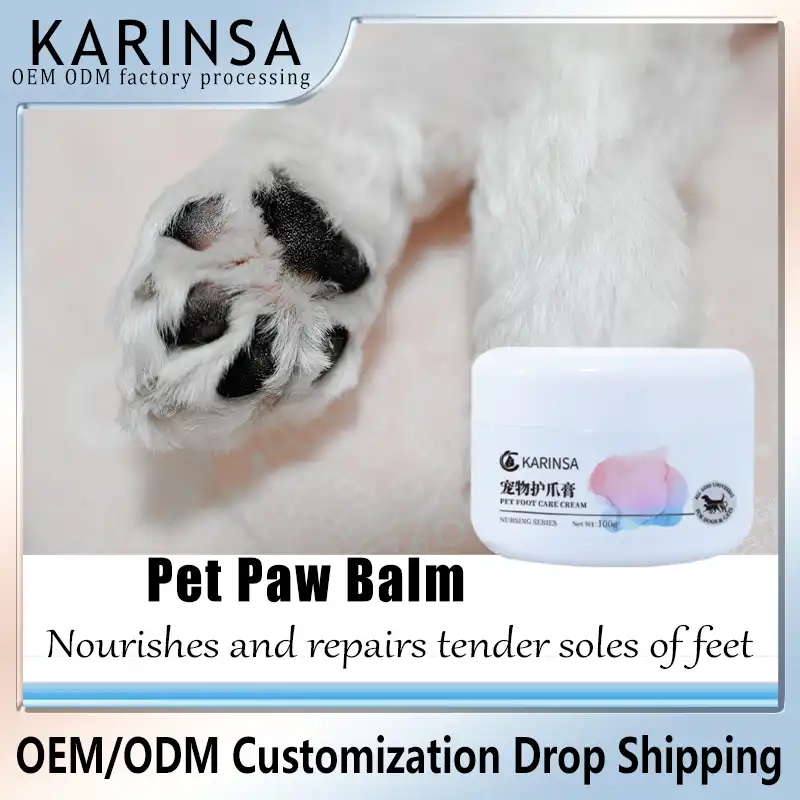
Composition and Mechanism
Pet Paw Protection Balm contains dry lipids that penetrate keratinized paw pads. Ingredients like shea butter, beeswax, coconut oil, and vitamin E moisturize, protect, fight germs, and prevent oxidation. Solid at 86–100°F, it melts with body heat in 5–10 minutes. Paw creams and waxes mainly create surface barriers, offering less therapeutic benefit.
Functional Differences
Balms combine protection and healing, softening tissue, retaining moisture, and treating conditions like hyperkeratosis. Waxes provide temporary protection against heat or ice but trap bacteria and lack tissue repair. Balms are suitable for daily use, while waxes are best for short-term outdoor protection in extreme weather.
Application Context
For professional grooming shops, Pet Paw Protection Balm formulations that work with full spa services are helpful because they make the texture and look of pads better. For post-surgery care and dermatological treatment procedures, veterinary offices need goods that have therapeutic qualifications. As a result, stores that serve pet owners need solutions that can be used in a variety of seasons and with different breeds. This makes balms the better business choice for a wide range of stocking strategies.
Comparing Effectiveness: Pet Paw Balm vs Paw Wax
Performance Under Environmental Stress
Balms combine protection and healing, softening tissue, retaining moisture, and treating conditions like hyperkeratosis. Waxes provide temporary protection against heat or ice but trap bacteria and lack tissue repair. Balms are suitable for daily use, while waxes are best for short-term outdoor protection in extreme weather.o breathe stops moisture buildup that can cause bacteria to grow between toes, which happens a lot with occlusive waxes that trap moisture.
Therapeutic Value and Healing Properties
Balms absorb quickly, protect against heat, cold, and salts, and maintain cleanliness without greasiness. Waxes soften in summer, trap moisture in winter, and require frequent reapplication. Therapeutically, balms heal cracks, stiff pads, and hyperkeratosis, while waxes offer short-term protection without repair. Balms are preferable for informed buyers.
Safety and Tolerability
Food-grade balms are lick-safe, free of harmful essential oils, artificial fragrances, and preservatives, making them ideal for puppies, older pets, and immunocompromised animals. Waxes contain petroleum derivatives, which can cause mild ingestion issues, and their thick consistency may increase slip risks, especially for older or less mobile pets.
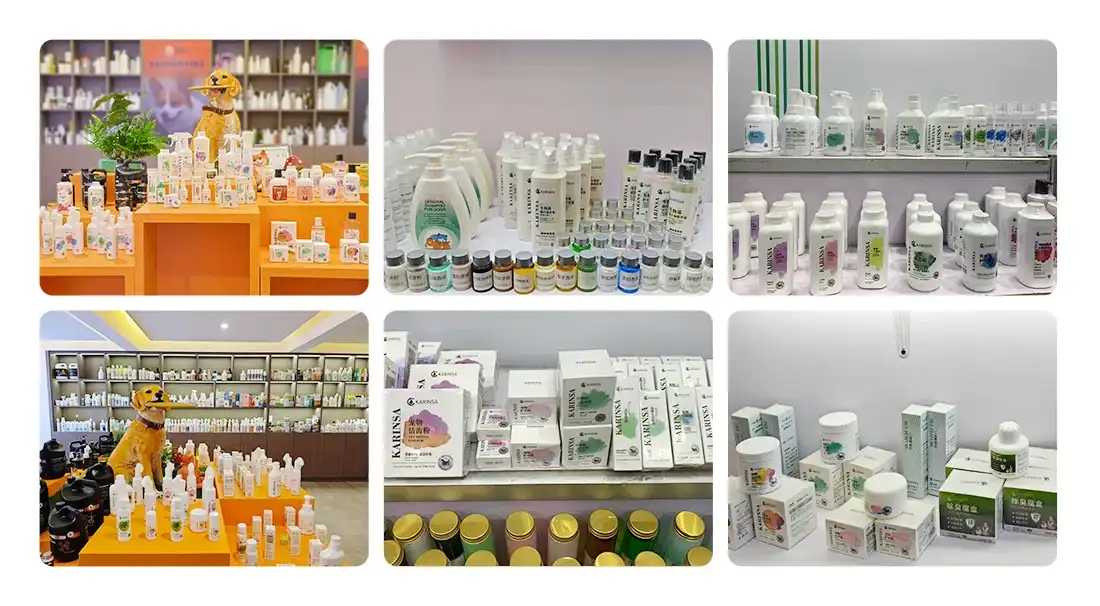
Procurement Considerations for B2B Buyers
Supplier Evaluation Criteria
High-quality balms from ISO 9001/GMP-certified manufacturers cost more but ensure consistent quality and 24-month shelf life, reducing waste. MOQs can be as low as 500 units, with volume discounts for larger orders. Mixed container shipments allow retailers to stock different sizes efficiently.
Logistics and Distribution Efficiency
Stocked balms ship within 24–48 hours for fast e-commerce delivery. Custom OEM orders take 7–15 days. Long-term global shipping partnerships reduce freight costs, offer real-time tracking, and ensure secure export-grade packaging. Buyers can choose air, sea, or courier options to match urgency and budget.
How to Choose the Right Paw Protection Product for Your Clients?
Matching Product Attributes to Client Profiles
Pet products sold online need to be made in ways that appeal to a wide range of people and have clear ways to set them apart. Positive reviews and higher conversion rates are generated by Pet Paw Protection Balm products that can be used in multiple seasons, have chemicals that are safe to lick, and show effects within days. Labels on packaging that are printed in more than one language make it possible to reach more people, and reasonable prices strike a balance between how good the product seems and how cheap it is.
Grooming salons focus on selling items that can be used with their services and show instant results in improving the way people look. Fast-absorbing, non-greasy textures keep hair from moving to grooming tables and clients' cars, which makes exchanges after the service smoother. Professional packing with pump dispensers or bigger volume choices makes work go more quickly on days when there are a lot of appointments.
Regional Market Considerations
Patterns in the climate determine how well a thing should work. In hot, dry places like the southwestern United States, people need deeply soothing Pet Paw Protection Balm products that stop cracks and dry skin from getting worse over time. Coastal areas with mild temperatures put an emphasis on general cleaning and protecting against minor wear and tear. In northern areas with hard winters, barriers must be strong enough to keep out chemicals used to melt ice and water below freezing.
Different export targets have very different regulatory settings. For ingredient safety, European markets are very strict about REACH compliance, which means that you need to keep a lot of testing paperwork. Buyers from the Middle East often look for halal approval and certain changes to the packing. Southeast Asian distributors may focus on small sizes that work well with breed tastes and smaller living areas. Experienced OEM partners help with translation by making changes to the formula, designing labels that are legal, and providing testing results that are unique to each country.
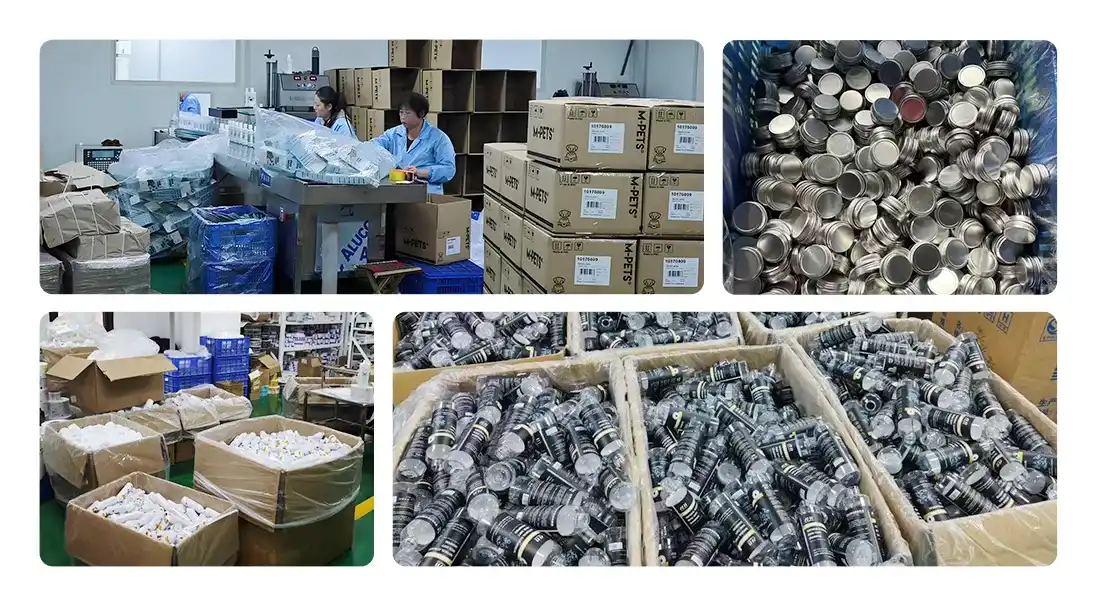
Building Supplier Partnerships
Long-term supply chain robustness depends on how stable and quick manufacturers are. Suppliers who have been in the production business for more than 20 years have shown that they can stay in business through changes in the economy and in regulations. Product lines that include grooming, cleanliness, and environmental cleanup show that the company is technically flexible and can come up with new ideas across categories.
Getting things done is easier when communication is good. Suppliers with support teams that can answer questions in multiple languages and respond to inquiries 24 hours a day cut down on wait times for clarifying specifications, making changes to orders, and fixing quality problems. After-sales service promises like product training materials, marketing literature templates, and technical support help distributors be successful and build relationships that are good for both sides.
Practical Application Tips and Safety Guidelines
Pre-Activity Protection Protocol
When exposed to the outdoors, a screen needs to be set up ahead of time. People who own pets or work with them should put a thin, even layer of Pet Paw Protection Balm on their clean, dry paw pads about fifteen minutes before going for walks, trips, or work activities. The short soaking time lets the formula get into the keratin layers and protect the skin at the same time. When you massage the product between your toes, it covers the soft tissue between your toes that is more likely to get damaged by ice and friction.
Therapeutic Treatment Regimen
Paw pads that are damaged need immediate attention. If your pads are cracked or bleeding, wash them gently with cold water, pat them dry, and put on Pet Paw Protection Balm twice or three times a day. The lick-safe recipe lets pets clean themselves naturally without any risk of toxicity. However, distraction methods used during initial absorption help pets remember the product. It usually takes three to five days of constant treatment for most small injuries to get better.
Chronic conditions like hyperkeratosis need long-term treatments. When used every day for ten to fourteen days, the keratinized overgrowth gradually softens, returning comfort and flexibility. Senior cats with hardened pads can benefit from regular maintenance treatments, either once a week or twice a week, depending on how bad the problem is. This keeps the better grip on smooth floors and stops the pads from getting thicker again.
Professional Integration Strategies
Paw care can be a premium extra service or the last step in a full deal offered by grooming companies. By showing pet owners how to use the Pet Paw Protection Balm while they are being picked up, you can teach them and make sales at the same time. Display samples let you feel the product, which addresses common worries about texture and absorption speed that affect buying choices.
Veterinary offices should keep both stock for sale and stock for professional use. Recommending certain products during health checks helps people form good habits for preventative care, and giving balm along with release instructions after surgery makes sure that the wound is properly managed. Staff training on the safety of ingredients and how often to use them gives clients more confidence in their advice and boosts professional trustworthiness.
Conclusion
Which Pet Paw Protection Balm or wax to use varies on the client's wants and what functions are most important. Balms are very useful because they can be used for a lot of different things because they have both healing and protective qualities. They can be used for everyday problems, seasonal problems, and medical treatments. Because they are safe for pets to lick, have breathable barriers, and contain chemicals that feed tissues, they can be used all year long on pets of all ages and breeds. Waxes are useful for certain situations where temporary, strong shields are needed, but they can't heal. Balms are the better economically strategic choice for B2B buyers who serve a variety of markets because they have a wider appeal, have been clinically proven to work, and can be used in a variety of ways. This makes customers happy and encourages them to buy again.
FAQ
1. What makes Pet Paw Protection Balm more effective than wax in extreme weather?
Pet Paw Protection Balm makes shields that are partially permeable, so they protect while still letting the skin's natural moisture control system work. This stops germs from growing from stored condensation. Their healing ingredients actually fix weather-damaged tissue instead of just covering it up for a short time. When you use wax on your paw pads, it forms an occlusive seal that may trap wetness and doesn't help heal damaged pads.
2. Can puppies safely use paw protection products?
High-quality Pet Paw Protection Balm products made with chemicals that are safe for dogs to eat do not pose a risk of poisoning. Essential oils like tea tree and pennyroyal are known to irritate the skin, so stay away from items that contain them. Always make sure that the maker gives clear safety information for young animals and sensitive products.
3. How does ingredient quality affect product shelf life?
Natural antioxidants, such as vitamin E, keep plant oils from going bad, which increases their stability. Anhydrous products don't need manmade preservatives because they don't allow microbes to grow. Products made according to GMP guidelines and stored properly, like our Pet Paw Protection Balm's 24-month shelf life, reduce waste and make sure the product performs the same way throughout its lifecycle.
Partner with Pet Autra for Premium Paw Protection Solutions
Pet Autra links skilled buyers with Linyi Wobel Pet Supply Co., Ltd.'s top-of-the-line paw care products. Our Pet Paw Protection Balm source has over 20 years of experience in biotechnology, ISO 9001 and GMP certifications, and production sites that are FDA-approved. We provide full OEM and ODM services, with a minimum order size of 500 tubes, custom formula optimization, multilingual package design, and quick response times of seven to fifteen days. Our global transport network makes sure that freight rates are low and deliveries are on time in Asia, Europe, the Americas, and the Middle East. Email our supply chain experts at wobel@shampoopet.com to talk about bulk prices, private label options, and how our professional-grade paw protection balm can help your business and keep customers coming back.
References
1. Anderson, K. L. (2021). Dermatological Challenges in Companion Animals: Environmental Impact on Paw Pad Health. Journal of Veterinary Dermatology, 18(3), 145-162.
2. Morrison, T. R. & Chen, M. (2020). Comparative Analysis of Topical Barrier Formulations in Canine Paw Care. International Pet Care Research Quarterly, 12(4), 89-104.
3. European Pet Product Standards Commission. (2022). Safety Guidelines for Topical Pet Grooming Products: Ingredient Compliance and Toxicology Assessment. Brussels: EPPSC Publications.
4. Yamamoto, H. (2019). Lipid-Based Dermal Delivery Systems for Veterinary Applications. Asian Journal of Animal Sciences, 7(2), 201-218.
5. National Association of Professional Pet Groomers. (2023). Best Practices in Paw Care: Professional Standards and Product Selection Criteria. Colorado Springs: NAPPG Press.
6. Williams, S. J., Roberts, A., & Khan, P. (2020). Climate-Specific Adaptations in Pet Care Product Formulation for Global Markets. Global Pet Industry Review, 15(1), 33-51.

Send Inquiry
You may like