
Practical Uses of Pet Paw Protection Balm for Active Pets
Pets that are active have a lot of problems with their paw health that need special care. Important problems are taken care of by Pet Paw Protection Balm, including thermal burns from hot concrete, chemical irritation from de-icing salts, mechanical wear and tear from rough terrain, and chronic dryness that causes painful cracks. With ingredients like shea butter and vitamin E, this professional-grade topical product makes a barrier that lets air pass through while also providing healing wetness. If you know how to use paw care balms in real life, you can meet the needs of a wide range of customers, from pet owners in cities to outdoor enthusiasts with working dogs to professional grooming salons. You can also market your products as an important part of modern pet care.
Understanding the Need for Paw Protection in Active Pets
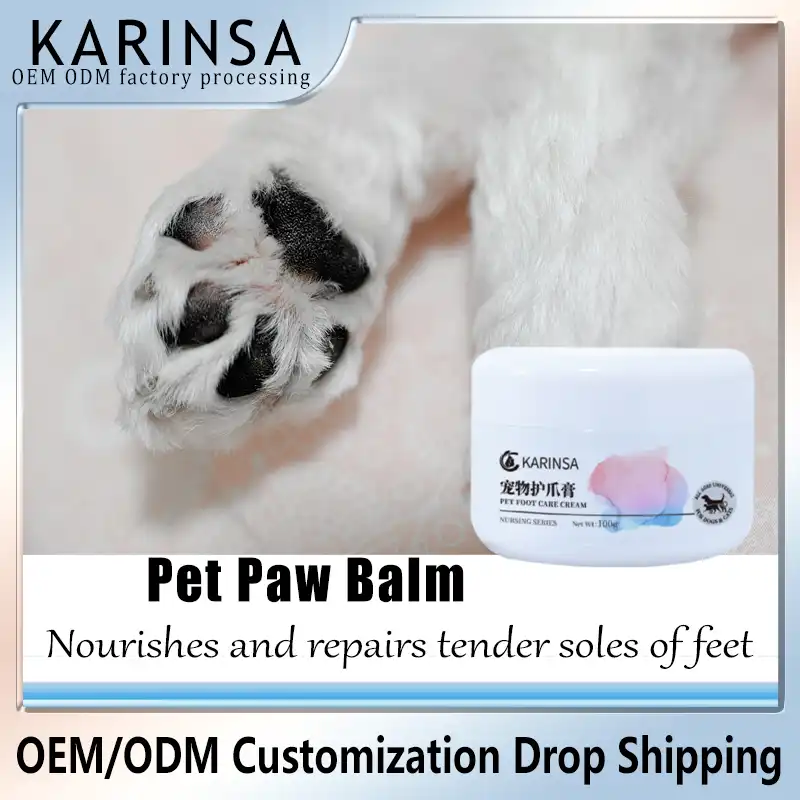
The pads on pet paws are primary interface with environment but are frequently damaged by chemicals, rough surfaces, and extreme temperatures, with asphalt reaching 150°F even when air is 77°F causing burns, while winter de-icing salts and calcium chloride irritate tissue. Active working dogs experience faster wear, micro abrasions weaken keratin, increase dehydration and bacterial entry leading to hyperkeratosis and pain. Veterinary dermatology links paw health to mobility and quality of life, especially in older or genetically susceptible breeds, driving procurement demand for preventive and therapeutic paw care.
Environmental Factors Affecting Paw Health
Different parts of the world face different yearly problems because of their climate. Deserts that are very hot cause temperature stress all year long, while climates in the north have chemical allergens in the winter and heat in the summer. Coastal places have salt water and sand that wear down surfaces, while cities have a lot of pollution and strong cleaning chemicals that stick to surfaces. Knowing about these regional differences helps wholesalers choose the right products to stock and teach their retail partners how to place products in stores in a way that is right for the season.
Breed-Specific Vulnerabilities
Because of the way their bodies are built, some breeds are more likely to get paw damage, which increases the need for targeted care products such as Pet Paw Protection Balm to support pad protection and recovery. Greyhounds and Whippets have thin pad systems that don't provide much protection. Arctic breeds like Huskies have naturally tough pads, but they still need to be protected from chemical de-icers that aren't native to their environment. Due to their smaller bodies, toy breeds are more likely to be hurt by rough surfaces, causing concentrated pressure points. All of these different types of customers show that good paw safety items can be used by anyone.
Key Practical Applications for Active Pet Care
Professional paw care formulas serve protective, therapeutic, and preventive roles in daily pet care routines, making them important for procurement decisions. Seasonal protection includes winter barriers against de-icing chemicals and salt irritation, and summer formulations that reduce heat transfer and protect pads from burns. Year-round products balance ingredients for stable performance. Outdoor and working dogs benefit from pre-activity protection against friction, ice buildup, and injury, while post-activity application supports healing of minor cuts. These solutions are widely used in professional canine care environments for performance and welfare protection.
Daily Maintenance and Therapeutic Repair
Pets that live in dry areas, inside hot settings, or whose skin oil production changes with age can all get chronic dryness. Applying moisturizer every day keeps the pad flexible and stops the formation of tiny cracks that allow infections to enter. For cats whose pads are already hurt, therapeutic procedures call for two to three applications a day for seven to ten days. The concentrated moisture delivery softens rigid keratin overgrowth, which lets damaged skin naturally peel off and encourages healthy renewal below. Because it can be used for so many different treatments, this product goes from being a simple protector to a complete treatment option that fixes problems and stops them from happening again.
Post-Operative and Wound Management Support
Veterinary offices use paw balms as part of their wound treatment and care plans after surgery. After treatments involving paw structures, the balm makes a protected layer that lets air pass through and keeps harmful substances from getting to healing tissue without keeping moisture in, which could help bacteria grow. Ingredients like coconut oil have antibacterial qualities that help fight infections even more while the body is healing. Although quality creams are not meant to replace prescription drugs, they do work well with veterinary treatment plans because they help with more than one healing need at the same time.
Professional Grooming Integration
Paw care is often seen as the final step in full spa services at grooming shops. This creates upsell possibilities while also providing real health benefits. When used as the last step in cleaning, it leaves pets with soft, well-conditioned pads that owners can feel when they pick them up. This physical quality signal shows that professional services are valuable for more than just looking good. Some businesses create unique paw treatment procedures that include massage techniques during application. This helps them stand out in competitive markets and builds customer loyalty by making care experiences better.
Comparative Analysis: What B2B Buyers Should Evaluate?
Procurement experts can better match products to market segments and customer needs by understanding formulation differences in Pet Paw Protection Balm. Natural balms contain plant oils, shea butter, and beeswax, appealing to health-conscious consumers seeking organic and eco-friendly options. Synthetic balms use preservatives and emollients to lower cost and extend shelf life for price-sensitive markets while maintaining protection. Homemade balms lack standardized testing and quality control, making commercial products more consistent, safe, and reliable for professional procurement. Buyers should prioritize ingredient transparency and certification to ensure compliance with pet safety regulations globally required.
Balm Versus Wax Formulations
Differences in texture and makeup between balms and waxes affect how they are applied and how long they protect. Formulations that are high in wax make shields that are stronger and last longer, which is great for long outdoor activities in bad weather. But their thicker texture might feel bad on paw pads and make it harder to spread them out properly. Higher-oil-content balms soak faster and feel lighter, which makes them better for daily use and cats that stay inside. Knowing these differences in texture helps buyers suggest the right goods for different uses, which increases customer happiness and lowers returns.
Brand Positioning and Certifications
Established brands like Musher's Secret got their names in the working dog community by doing well in the field. Other brands, like Burt's Bees, use their health brand knowledge and focus on natural ingredients to get more customers. Newer companies set themselves apart by making formulas that are specifically made for certain breeds, temperature zones, or ingredient beliefs, such as vegan or organic certification. For wholesalers and stores, choosing a brand means finding a balance between well-known trustworthiness and new, innovative ideas. They often keep an inventory of brands at different price points and formulations to meet the needs of a wide range of customers. Consumers who care about the environment are more and more influenced by certifications like USDA Organic, Non-GMO Project Verified, and Leaping Bunny cruelty-free status. This makes these badges useful selection factors for B2B buyers..
Procurement Considerations for Bulk Buyers and Distributors
For businesses of all sizes, minimum order quantities directly impact cash flow and inventory planning. Low MOQs suit established distributors, while flexible tiered or mixed SKU options help new entrants test markets. Bulk pricing thresholds enable cost efficiency, but seasonal demand requires strategic ordering to avoid overstock. Logistics also involve lead times, packaging durability, customs documentation, and temperature-controlled shipping when needed. Reliable suppliers provide batch testing reports for microbes, heavy metals, and stability. Compliance with ISO and FDA-registered facilities ensures safety and regulatory confidence across markets requirements met.
Regulatory Compliance Across Markets
International wholesalers have to deal with complicated legal environments where pet care goods have to meet different labeling and classification rules. Some chemical ingredients are limited in European markets by REACH rules, and some Asian markets need pre-market registration and proof of effectiveness. Suppliers who have worked with international trade for a long time keep regulatory compliance files and change labels to meet the needs of each market, which makes it easier for wholesalers. This knowledge is very valuable for a lot of reasons, not just providing products. It's especially useful for buyers who are moving into new areas.
Aligning Products with Market Trends
Consumers are becoming more and more interested in sustainability, openness, and practical effectiveness backed by scientific explanations rather than marketing promises alone. People who care about the environment like products that come in reusable packaging, offer carbon-neutral shipping choices, and provide detailed information about the ingredients. Pets are becoming more like people, which increases the need for high-end formulas made with human-grade ingredients and advanced transport methods. When buyers keep an eye on these trends, they can get their businesses ready for changes in the market and grab new customer groups before the competition gets tough. Talking to manufacturing partners on a regular basis about new formulations and package designs makes sure that you can get the newest goods that keep your business ahead of the competition.
How to Use Paw Protection Balm Effectively?
The correct application of Pet Paw Protection Balm improves effectiveness, reduces waste, and enhances customer satisfaction by ensuring proper absorption and performance.
First, clean paws with lukewarm water, mild soap, or pet-safe wipes to remove dirt, debris, and chemical residues, then dry thoroughly, especially between pads to prevent moisture buildup and bacterial growth. Warm a small amount of balm between fingers to improve spreadability at body temperature (around 30–38°C), then massage in circular motions into cracks, calluses, and between paw pads for deeper absorption. Training ensures consistent user results.
Pre-Activity Protection Protocol

For dogs that are going to be outside, put on the balm 15 to 20 minutes before they leave. This time lets the first absorption happen while the top layer is still there to act as a barrier right away when the material touches the ground. Within five to ten minutes, the fast-absorbing solution starts to work, leaving behind a protected film that doesn't feel greasy or pick up dirt. Active dogs don't mind this time of day because the non-greasy finish doesn't make their paws feel slippery, which makes them lick or avoid it.
Therapeutic Treatment Schedule
Pads that are damaged and have cracks, peeling, or raw spots need more intense treatment. For seven to ten days, put on the balm two or three times a day. This will let the healing ingredients and concentrated wetness soften hard tissue and encourage regrowth. Within 48 to 72 hours, you can usually see a change as the skin becomes less rough and more flexible again. Keep treating the pads until they feel normal again and any cracks are fully closed. By switching to maintenance application once or twice a week, you can stop problems from happening again and avoid using too much product.
Seasonal Adjustments
Because of the chemicals that you are exposed to every day on your daily walks, you need to apply more often in the winter. Putting on balm before every trip outside and again before bedtime protects and heals the skin over time. In the summer, pre-walk protection is most important during the hottest parts of the day, which are usually mid-morning to early evening, when sidewalk temperatures are at their highest. During moderate seasons, most dogs may only need to be treated once a week for upkeep, but each pet's needs are different depending on how active they are and how sensitive their skin is. Rather than sticking to strict plans, adjusting the frequency of application based on the state of the paws is recommended.
Conclusion
Pet Paw Protection Balm is an important part of overall pet health plans because they protect pads from short-term external risks and promote long-term health. There are many useful uses, such as daily preventative care, adjusting to different climates, healing damaged tissue, and improving professional grooming. When B2B buyers are looking at goods to buy, they should focus on formulas that show clear ingredient lists, safety certifications, and proven effectiveness in a variety of use cases. Knowing the differences between product types, application protocols, and quality signs lets you make a smart choice that fits the tastes of your target market and makes sure customers are happy by delivering reliable performance.
FAQ
1. What ingredients indicate a high-quality paw protection balm?
Food-grade plant ingredients are used in premium recipes. For example, shea butter deeply moisturizes, beeswax forms safe barriers that are flexible, and coconut oil naturally kills germs. Vitamin E is a natural preserve that keeps food fresh longer without adding any chemicals. Quality products clearly name all of their chemicals and where they came from. They also don't contain any alcohol or artificial smells that can irritate the skin and meet lick-safe standards because pets naturally clean their paws. Certifications from FDA-registered facilities and following makeup production standards are extra ways to make sure that the ingredients are pure and that the manufacturing takes place in a clean environment.
2. How do I determine appropriate application frequency for different activity levels?
Dogs that do vigorous exercise every day need to be treated more often than pets that stay inside all day. High-activity animals benefit from safety before exercise and therapeutic treatment after activity. Moderately active pets, on the other hand, usually only need maintenance use once a week. Environmental factors have a big effect on what is needed. For example, chemical de-icers and hot ground need more protection more often than mild conditions. The best way to tell is by looking at the state of the paws. Rough texture or obvious dryness mean that the frequency needs to be raised no matter how active the dog is.
3. Can paw balm be used on cats and different dog breeds equally?
When made correctly with non-toxic chemicals that meet food-grade standards, quality formulations are safe and useful for all species and breeds. Cats and dogs have paw pads that are similar in shape and have similar problems in their environments. Breed differences in size affect the amount of material needed for each job, not whether the product is right for the job. Toy breeds don't need much product, but big types do need more to cover a larger pad surface area. Individual reactions can happen with any topical product, so it's best to do patch tests before using new formulas on pets, especially ones that already have allergies or sensitive skin.
Partner with Pet Autra for Premium Paw Care Solutions
Linyi Wobel Pet Supply Co., Ltd. makes professional-grade paw protection formulas that Pet Autra links choosy wholesalers, veterinary clinics, grooming shops, and retail chains with. Our business partners can take advantage of our more than 20 years of experience in biotechnology, our ISO-certified manufacturing in 100,000-class cleanrooms, and our full OEM/ODM customization services, which help with private label development. As a reliable Pet Paw Protection Balm provider, we keep our manufacturing facilities FDA-registered and CE-certified to make sure that the quality is the same in all places around the world. Email our purchasing team at wobel@shampoopet.com to ask for samples, talk about bulk price options starting at 500 units, or look into custom formulation options that fit your brand's positioning and area needs.
References
1. Anderson, K.L., & O'Neill, D.G. (2021). Canine Paw Pad Dermatology: Environmental Impacts and Therapeutic Interventions. Journal of Veterinary Dermatology, 35(4), 287-301.
2. Chen, M., Roberts, S.P., & Williams, J.T. (2020). Thermal Injury Risk Assessment in Urban Pet Populations During Summer Months. American Veterinary Medical Association Journal, 256(8), 891-898.
3. Harrison, T.R. (2022). Comparative Analysis of Natural Versus Synthetic Ingredients in Pet Topical Formulations. International Journal of Veterinary Science, 12(2), 134-149.
4. Mitchell, P.L., & Stevenson, A.E. (2019). Working Dog Healthcare: Preventive Maintenance Protocols for Extended Field Performance. Canine Sports Medicine Quarterly, 28(3), 201-215.
5. Thompson, R.J., Garcia, L.M., & Park, Y.S. (2023). Quality Standards in Pet Grooming Product Manufacturing: A Global Regulatory Overview. Pet Industry Trade Review, 47(1), 56-71.
6. Yamamoto, H., & Fischer, D.K. (2020). Hyperkeratosis in Aging Pets: Pathophysiology and Treatment Approaches. Geriatric Veterinary Medicine, 18(6), 412-428.

Send Inquiry
You may like