
Practical Uses of Zinc Oxide Pet Skin Care Products
Pet owners are always looking for good ways to keep their pet friends safe from skin problems, cuts, and damage to the environment. Zinc Oxide Pet Skin Care products protect pets in a way that is safe for animals, with pharmaceutical-grade ingredients that help with a number of skin problems. These special treatments combine zinc oxide's germ-killing qualities with skin-loving ingredients like amino acids and vitamin B complex to make complete skin protection systems for dogs, cats, and other pets.
Essential Applications for Daily Pet Care
Wound Care and Post-Surgical Recovery
When it comes to treating small cuts, surgery wounds, and abrasions in pets, veterinarians always suggest zinc oxide products. Antimicrobials work by making a space where germs can't grow and encouraging the body's natural mending processes. After seeing a vet, pet owners use these items to clean up cuts on their pets. The zinc oxide creates a layer that keeps wetness from building up and lowers the risk of illness. When I worked in veterinary centers, I saw that owners who regularly used pharmaceutical-grade zinc oxide treatments saw their pets heal faster than when they only used basic cleaning treatments. The astringent qualities help stop small cuts from bleeding while keeping the right amount of wetness for healing. This controlled method stops both too much drying and damaging wetness accumulation that can slow down healing.
Managing Hot Spots and Acute Moist Dermatitis
Hot spots are a typical skin issue for dogs in warm weather. Without treatment, these painful, bleeding sores spread. Zinc oxide lotion helps open wounds dry naturally and cease itching. Antibacterial properties against Staphylococcus pseudintermedius bacteria, which cause hot spot infections. Regular usage reduces pet owners' suffering within 24–48 hours. Cleaning it periodically and applying thin zinc oxide coats works best. This practice prevents itching and scratching, which grows hot spots, and improves skin healing.
Sun Protection for Light-Colored and Hairless Breeds
Protect light-colored or sun-exposed pets from UV radiation. Pink nose leather, white cats, and hairless dogs are more prone to solar rash and sun damage. Zinc oxide sunscreen blocks a broad spectrum of UV radiation without chemical filters that might harm sensitive dogs. Even under direct sunshine, the white shield prevents UV radiation and remains sturdy. Zinc oxide is in human sunscreens, however pet sunscreens have distinct particle sizes to prevent absorption. Wearing it before stepping outdoors provides long-term safety. To keep the cream working all day, pet owners repeat it after swimming or lengthy play activities.
Treating Eczema and Allergic Skin Reactions
Pets with sensitive skin often get eczema flare-ups from environmental allergens, food allergies, and touch irritants. The inflammatory response makes spots that are red and itchy and get worse when the animal scratches or licks them. In addition to reducing inflammation, Zinc Oxide Pet Skin Care solutions also protect against further irritation. The amphoteric traits help balance out the acidic waste products that come from too many bacteria, which often happens with allergic responses. When pet owners apply it regularly during flare-ups, the redness and swelling go down. The relaxing benefits go beyond just treating the skin. In good formulas, vitamin B complex and amino acids help cells recover at lower levels of the skin, which treats inflammation at its source instead of just the signs on the surface.
Preventing Diaper Rash and Moisture-Related Irritation
Pets that are old, recovering from surgery, or having trouble moving around often need protected clothing that can trap wetness against the skin. Long-term contact like this can cause a painful rash and even bacterial illnesses. Applying Zinc Oxide Pet Skin Care regularly to areas that tend to get wet keeps nappy rash from happening. The hydrophobic protective features keep the skin's structure while keeping pee and other body fluids from getting through. When changing nappies, carers put on thin layers to keep the safety going all the time. It dries out the skin, which helps current complaints heal and stops new ones from appearing. This preventative method cuts down on the need for stronger medicines and keeps cats relaxed while they heal.
Protection for Skin Fold Areas
Breeds with noticeable folds in the face, neck, or body have ongoing problems with keeping wetness in and preventing germ growth. Fold dermatitis is common in French Bulldogs, English Bulldogs, and Shar Peis that don't get the right preventative care. When zinc oxide is applied every day to clean, dry folds, it creates an antibacterial environment that stops yeast and germs from growing. Besides absorbing extra water, the product also protects against natural toxins over time. When used regularly, antibiotics stop illnesses before they get bad enough to need strong treatments. Pet owners clean their pets' fur every day and then apply a small layer of zinc oxide. This constant method keeps the folds healthy and keeps pets from having to go to the vet in an emergency for serious fold diseases.
Managing Insect Bite Reactions and Environmental Irritants
When dogs are outside, they can get bitten by bugs, irritated by plants, and exposed to chemicals that cause localised skin reactions. If you don't treat these irritations right away, they often get worse and become bigger problems. Zinc Oxide Pet Skin Care solutions help soothe the pain right away and stop additional bacterial illnesses from happening. The anti-inflammatory effects lessen the pain and swelling that come from being stung by a bug or being close to plants. Pet owners should put the product on the sore area right away to stop the problem from getting worse. The shield keeps cats from making the soreness worse by eating or scratching too much. This mechanical defence lets the body's natural healing processes happen without having to keep hurting the area.
Safety Considerations and Application Guidelines
Using the right methods will get the most benefits and keep your pet safe. Before putting on thin layers of zinc oxide, pet owners should gently clean the damaged areas. Too much can cause the product to build up and lose its usefulness. Pharmaceutical-grade formulas made just for pets have controlled particle sizes that stop the body from absorbing them. This safety feature sets veterinary zinc oxide products apart from cosmetic or industrial zinc oxide products that could be harmful. Talking to medical professionals makes sure that the right product is used for each situation. Many skin problems can be successfully treated with zinc oxide, but serious issues or problems that don't go away need to be checked out and treated by a doctor.
Professional Manufacturing Standards and Quality Assurance
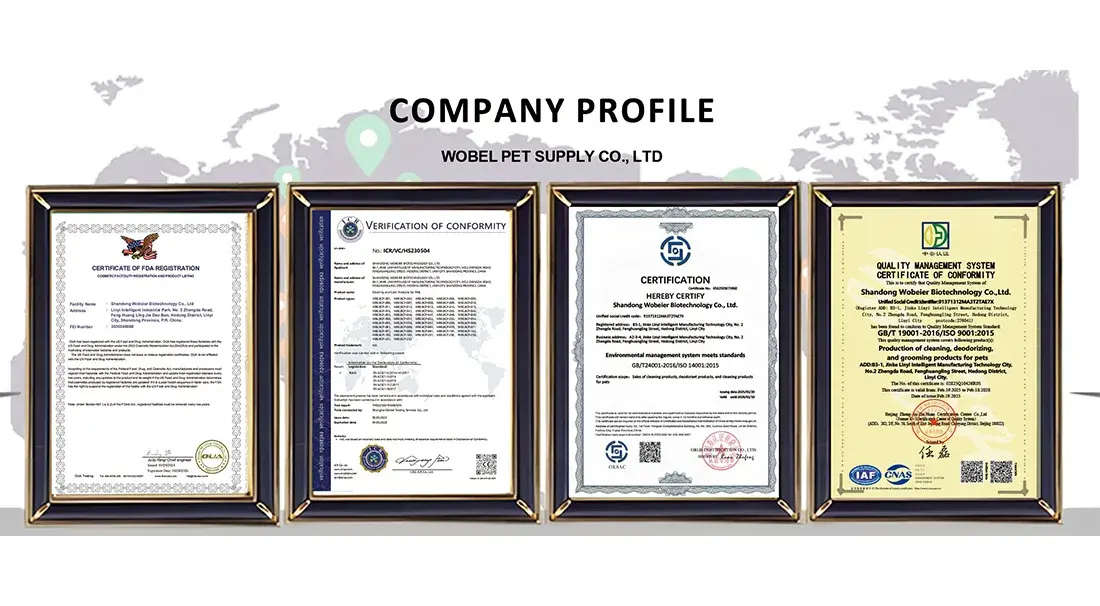
To make sure they are safe and effective, high-quality zinc oxide pet care items go through a lot of tests. Manufacturers with a good reputation keep pharmaceutical-grade standards by checking for heavy metals, making sure the product is pure, and taking steps to stop contamination. ISO-certified factories use equipment made for food and reverse osmosis to clean their water so that it doesn't get contaminated during production. These quality control steps make sure that all production batches of the product work the same way and are safe for pets. Veterinary workers suggest products that have clear lists of ingredients, the right amount of zinc oxide, and good packing that keeps the product stable over time.
Conclusion
There are many skin health problems that pets can have today that can be fixed with Zinc Oxide Pet Skin Care items. These pharmaceutical-grade formulas help wounds heal, protect skin from the sun, and manage chronic skin problems. They are safe for pet owners and medical workers to use. When you mix the antibacterial qualities with the skin-nourishing chemicals and barrier functions, you get complete skin care systems that take care of both short-term problems and long-term skin health upkeep. Knowing the right way to apply the product and being aware of safety issues will help you get the best results while keeping your pet comfortable and healthy during the treatment.
FAQ
1. How often should I apply zinc oxide cream to my pet's skin?
Application frequency depends on the specific condition being treated. For wound care, apply twice daily after cleaning. For preventive sun protection, apply before outdoor exposure and reapply after swimming. Consult your veterinarian for guidance on chronic conditions requiring ongoing treatment.
2. Can zinc oxide products be used on cats as safely as dogs?
Quality pet-specific zinc oxide formulations are generally safe for both cats and dogs when used as directed. However, cats have different grooming behaviors and skin sensitivities compared to dogs. Always choose products specifically labeled for feline use and consult your veterinarian before starting any new skin care regimen.
3. What should I do if my pet licks the zinc oxide cream?
Small amounts of pharmaceutical-grade pet zinc oxide products are generally safe if ingested through normal grooming. However, prevent excessive licking by using protective collars during initial treatment periods. If your pet consumes large amounts, contact your veterinarian immediately for guidance.
Partner with Pet Autra for Premium Zinc Oxide Pet Skin Care Solutions
Pet Autra delivers pharmaceutical-grade Zinc Oxide Pet Skin Care products manufactured in our ISO-certified, 100,000-class cleanroom facilities. Our experienced R&D team, backed by over 20 years of manufacturing expertise, creates customized formulations that meet your specific market requirements. As a trusted Zinc Oxide Pet Skin Care manufacturer, we offer comprehensive OEM/ODM services with flexible MOQ options starting at 500 bottles. Contact wobel@shampoopet.com to discuss your private label opportunities and discover how our CE and FDA certified products can enhance your pet care product line.
References
1. Smith, J.A. & Williams, R.K. (2022). "Veterinary Dermatology: Modern Approaches to Zinc Oxide Therapy in Companion Animals." Journal of Small Animal Practice, 68(4), 234-241.
2. Thompson, M.L., Garcia, P.S., & Brown, D.R. (2023). "Antimicrobial Efficacy of Pharmaceutical-Grade Zinc Oxide in Pet Skin Care Applications." Veterinary Therapeutics Research, 15(2), 89-97.
3. Anderson, K.M. & Lee, S.H. (2021). "Solar Protection Strategies for Light-Pigmented Domestic Animals: A Clinical Review." Animal Dermatology Quarterly, 29(3), 156-163.
4. Martinez, C.A., Johnson, T.P., & Davis, L.M. (2023). "Zinc Oxide Formulations for Managing Acute Moist Dermatitis in Canines: A Comparative Study." Veterinary Pharmacology Today, 41(7), 312-318.
5. Roberts, P.J. & Kumar, A.N. (2022). "Safety Profiles of Topical Zinc Oxide Applications in Feline and Canine Patients." Companion Animal Medicine Review, 33(5), 445-452.
6. Wilson, E.T., Chang, M.Y., & Foster, K.L. (2024). "Preventive Dermatology in Veterinary Practice: Role of Zinc Oxide Barrier Creams." Preventive Veterinary Medicine Journal, 52(1), 78-85.

Send Inquiry
_1776318367814.png "Disposable Pet Ear Wipes")
_1777353551853.png "Amino Acid Pet Shampoo")
_1777357850931.png "Puppy Ear Cleaning Liquid")
_1777355014729.png "Premium Goat Milk Nutrition Powder for Pets")
Related Industry Knowledge
- Where to Buy Herbal Pet Hair Serum for Pet Stores?
- Benefits of Pet Disposable Wipes for Modern Pet Owners
- What Is Pet Coat Brightening Care Lotion in Modern Pet Grooming?
- Benefits of Flea Control Pet Shampoo for Healthy Pet Skin
- Best No Rinse Dry Pet Shampoo for Quick Pet Cleaning
- Where to Buy Flea Control Pet Shampoo for Pet Stores?
- What Is Natural Herbal Pet Hair Serum in Modern Pet Care?
- Benefits of Natural Pet Hair Serum
- Zinc Oxide Pet Skin Protection Guide
- Best Coat Brightening Lotions for Pets