
The Benefits of Herbal Dog Shampoo for Skin and Coat
Herbal Pet Shampoo is one of the most important cleaning items that can really change the way you care for your pet. Unlike regular products that are full of chemicals, these botanical-based ones clean well and have healing benefits that help with everything from itchy skin to dull coats. More and more veterinary offices, grooming shops, and store chains are realizing that plant-based ingredients like neem, aloe vera, and chamomile work well without putting patients at risk. The move toward natural solutions is a response to the need in the market for long-lasting, hypoallergenic choices that protect sensitive skin and keep coats healthy. This method is good for both pets and the businesses that serve them, giving them an edge in today's health-conscious market.
Understanding Herbal Dog Shampoo and Its Key Ingredients
What Makes Herbal Formulations Different
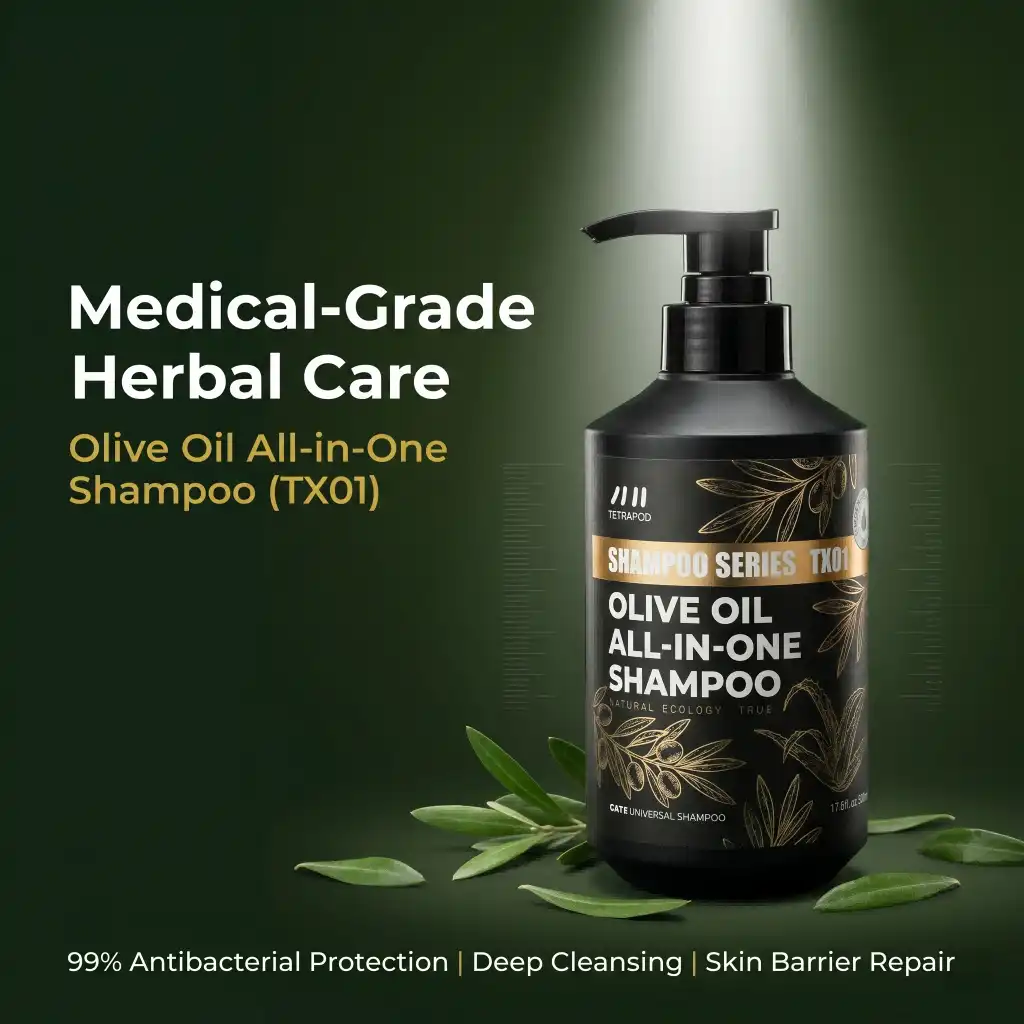
Herbal Pet Shampoos are different because of the ingredients they use. Instead of using man-made detergents like sodium lauryl sulfate (SLS), these goods use glycosides and betaines that come from plants. These clean well without taking away natural oils. This is especially important for cats with weak skin defenses or allergies, as harsh chemicals can cause inflammation. Botanical products are useful for things other than just cleaning, which makes them useful in professional care settings and veterinary settings.
Core Botanical Ingredients and Their Functions
A few key herbs are used to make most quality products. Neem has antimicrobial properties that stop the growth of germs and fungi. This lowers the risk of getting an illness in places like skin folds and between paw pads. Tea tree has natural antiseptic properties, but amounts must stay low enough that cats can safely use them in places with other animals. After an episode of eczema, chamomile is great for dogs because it reduces swelling and soothes inflammation. Aloe vera keeps the skin layer moist and helps small cuts and scrapes heal faster. Colloidal oatmeal helps with pruritus by creating a protective layer that stops itching without using medicine. Each of these parts works with the others instead of by itself, making complete care systems that deal with many issues at once. For B2B buying, it's very important that the source of ingredients is clear. Distributors who work with veterinary centers need to know that the plant products they sell are pure and don't contain any impurities. Pet Autra's formulas use plant-based extracts that have been checked for quality through strict testing, which makes sure that all production runs are the same. This dependability is very important for grooming shops that build their image on products that Herbal Pet Shampoo works as promised.
The Core Benefits of Herbal Dog Shampoo for Skin and Coat Health
Comprehensive Skin Protection and Inflammation Control
The general quality of the coat depends on how healthy the skin is. The anti-inflammatory chemicals in chamomile and marigold make Herbal Pet Shampoos great at treating inflammation. These plants calm agitated tissues and reduce erythema (redness) without the side effects of corticosteroids. Regular use is especially helpful for dogs with atopic dermatitis because the gentle recipes keep the skin clean without making the situation worse. Herbs that kill germs stop secondary infections that often happen with allergic skin diseases. This stops the loop of itching and scratching that causes self-harm. Clinical observations show that bathing with plant mixtures on a daily basis helps veterinary treatment plans. Dermatology centers use these items as extra treatment, in between medicated bath visits, to keep patients getting better. Topical medicines can be used with a variety of other treatments because they don't interact with them.
Addressing Common Skin Conditions Naturally

A lot of dogs have problems with dandruff, hot spots, and seasonal allergies. Herbal Pet Shampoos deal with these problems by using specific plant-based ingredients. Malassezia yeast buildup is a common cause of seborrhea and bad smells. Neem and tea tree have antifungal traits that stop it. The antipruritic properties of oatmeal relieve itching right away, stopping the loop of scratching that makes inflammation worse. When mixed correctly, the flea-repelling properties of some essential oils can help keep fleas away without using strong chemicals like those in regular flea baths. Pet hospitals like how it can be used with all types and ages of animals. Herbal Pet Shampoos are better tolerated by puppies than medicinal washes, so skin problems can be treated early on without exposing the puppies to drugs. Senior dogs whose skin is getting thinner can benefit from gentle cleaning that keeps them clean without irritating their skin. Some dog breeds, like Whippets with their thin skin or Bulldogs with fold dermatitis, need special care, which plant products can provide through formulas that can be changed to fit the needs of the dog.
Comparing Herbal Dog Shampoo to Conventional Options: A Rational Choice Approach
Health Risk Reduction and Long-Term Safety
Most regular shampoos have chemicals that are linked to long-term health problems. Synthetic smells can make pets and cleaning staff more sensitive, which can cause breathing problems and contact dermatitis. Even though parabens work well as protectors, long-term use may cause problems with hormones. SLS makes a great foam, but it also removes protective sebum, which makes the skin make more oils to make up for it. This makes skin oilier and smellier between baths. Herbal options don't have these problems because they use organic lubricants that come from sugar or coconut. Using potassium sorbate and vitamin E as natural preservatives keeps food fresh without using any questionable chemicals. Under normal store conditions, the 24-month shelf life is enough for market settings without the need for synthetic stabilizers. When groomers move to plant-based products, they get fewer complaints about their health at work, which lowers absence and raises job happiness.
Certification Standards and Procurement Confidence
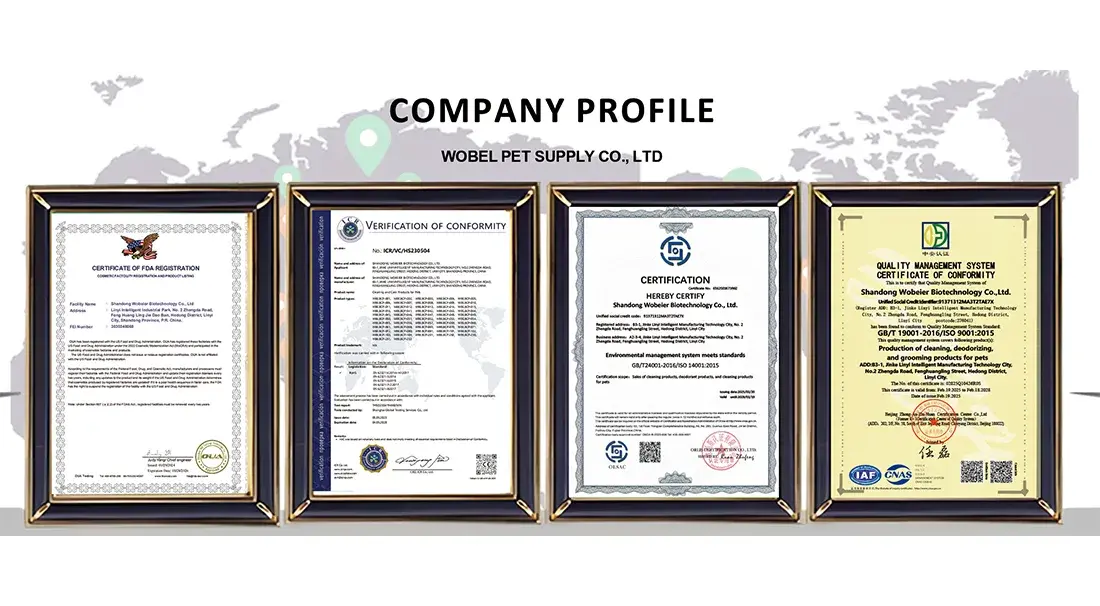
Quality checks tell the difference between Herbal Pet Shampoo's high-end goods and cheaper options. Pet Autra keeps its ISO 9001 Quality Management certification and follows good manufacturing practices (GMPs), which makes sure that output standards are always met. For entry to the U.S. market, FDA registration proves compliance with regulations, while CE certification meets standards in Europe. Every batch comes with MSDS and COA paperwork, which makes it easier for foreign wholesalers to clear customs. These qualifications are very important for buying managers who have to balance making sure quality with staying within budget. A cheap seller who doesn't have any certifications can cause problems like product recalls, pollution, or fines from the government that are much higher than the initial savings. Reliable makers with well-documented quality systems are what make relationships last for a long time. Pet Autra has been making things for more than 20 years, which means that their formulas are stable and their products are always the same. This is something that their younger rivals can't do.
How to Select and Procure the Best Herbal Dog Shampoo for Your Business
Evaluating Ingredient Transparency and Formula Quality
Checking the ingredients is the first step in procurement. Labels that are easy to read show if "herbal" really means plant products or just extra chemicals added to a base. Quality formulas name specific plant extracts with concentrations instead of vague terms like "natural fragrance." Therapeutic goods are different from marketing stunts because they contain useful herbs like neem, chamomile, and oatmeal in meaningful amounts. Veterinary offices need this level of detail to safely recommend products, and grooming shops need proof that the benefits promised actually happen. Pet Autra gives you full information about the ingredients it uses and how it's made. Our research and development team changes the ratios based on the markets they want to reach. For example, areas with fungal skin problems get more neem, and allergy-prone areas get more oatmeal. Because OEM/ODM services are flexible, wholesalers can make their products stand out without having to learn how to make them themselves. Starting at 500 bottles, the minimum order quantity can be met by both new names testing the market and established chains that need to sell big amounts.
Supply Chain Reliability and Logistics Considerations
Purchasing managers give more weight to sellers who have strong logistics skills. Because Pet Autra works with major companies, they can offer a variety of shipping choices, such as air freight for pressing orders, sea freight for cost-effective bulk packages, and express services for sample requests. Customers can stay informed about their packages while they're in transit thanks to real-time tracking, which also makes it easier to plan for accurate delivery. Professional export-grade packing can handle the rough conditions of foreign shipping, keeping items from breaking and causing customers to be unhappy. Pet Autra is a one-stop shop for international wholesalers because it has offices in Asia, Europe, the Americas, Africa, and the Middle East. Because we've dealt with customs standards before, we don't have to deal with the problems that smaller exporters do. Getting certificates of analysis, ingredient lists, and records of regulatory compliance ready speeds up the clearance process. When supply continuity affects business operations and customer promises, this level of organizational expertise is very important.
Best Practices for Using Herbal Dog Shampoo to Maximize Benefits
Application Techniques for Optimal Results
When used correctly, a product works even better. Wetting the coat well before adding shampoo makes sure that the shampoo is spread out evenly and keeps the concentrated product from sitting on the skin. Herbal Pet Shampoos last longer and clean better if you dilute them according to the manufacturer's instructions (usually 10:1 for professional cleaning). Massage methods that lather up to the skin's surface instead of just covering hair help get rid of dirt and let plant actives reach areas that need it. For healing chemicals, contact time is very important. Leaving shampoo on the coat for 5 to 10 minutes lets the herbs work and the antimicrobials do their job. This is different from regular quick washes, which only clean mechanically. Rinsing well keeps dust from building up, which can make the surface look dull or attract dirt. When it comes to dogs, cool or cold water keeps natural oils better than hot water, especially Herbal Pet Shampoo for dogs with dry skin.
Integrating Herbal Shampoos into Grooming Regimens
How often you bathe depends on your skin state and how you live. Active dogs that go outside may need to be washed once a week, while house pets only need to be washed every two weeks to stay clean. Because Herbal Pet Shampoos are gentler than strong chemical shampoos, they can be used more often without irritating the skin. Switching between deep-cleansing and moisturizing versions meets the needs of the season: more cleaning in the spring when it's wet, and better conditioning in the winter when it's dry. Using herbal soaps with other items that work well together gets the best results. Using herbal conditioners after washing makes the coat easier to handle and gives it more moisture. Leave-in sprays with aloe or chamomile work better than baths between uses. This step-by-step method creates complete grooming plans that grooming shops use and that veterinary practices suggest. Teaching end users the right way to use a product improves their happiness and makes them more likely to buy it again.
Monitoring for Adverse Reactions and Professional Consultation
Even though herbal goods usually have great safety ratings, some people are sensitive to them. If you notice any changes in skin color, burning, or behavior while swimming, that could be a sign of a reaction that needs the product to be stopped. Sensitivities can be found ahead of time by patching, trying new formulations on small parts of the body before applying them all over. This is especially important for cats, because their digestion is different from that of dogs', so some essential oils can be harmful to them even at levels that are okay for dogs. Seeing a vet is still necessary for skin problems that won't go away. For major skin problems, Herbal Pet Shampoos can help with professional treatment, but they can't take the place of evaluation and focused therapy. By being clear about the limitations of a product, you can keep people's expectations in check and place herbal choices correctly within larger care settings. Being honest like this builds trust, which is good for both long-term business relationships and professional identities.
Conclusion
Herbal Pet Shampoo products are more than just a trend; they are part of a larger movement toward better, more environmentally friendly pet care. The healing powers of plant ingredients meet real medical needs while lowering the risks of chemical exposure that pet owners and experts worry about. When businesses add these goods to their inventory, they put themselves in a better place in markets that are becoming more health-conscious and environmentally conscious. Quality formulas backed by the right approvals, dependable supply lines, and full support make it possible to get into new markets and keep growing. The strategic value goes beyond instant sales and includes long-term brand identity in competitive markets where success is increasingly based on product performance and ethical concerns.
FAQ
1. Are herbal shampoos safe for puppies and sensitive skin?
Herbal Pet Shampoo formulations that use gentle surfactants derived from plants work better on puppies and pets with sensitive skin than regular products. Because there are no harsh sulfates or artificial smells, there is less chance of discomfort. Some forms made just for puppies have even lower amounts of essential oils, so they are safe for immune systems that are still growing. Hypoallergenic research shows that it is safe for dogs who are known to be sensitive. Veterinary approval gives more trust in the use in hospital settings.
2. How do herbal and natural pet shampoos differ?
"Natural" is not regulated, so it can mean any ingredient that comes from plants, no matter how concentrated or processed it is. Herbal Pet Shampoos use plant products that have been shown to have health benefits, like neem, which kills germs, chamomile, which calms inflammation, and aloe, which moisturizes. Herbal items that are of good quality have the right amount of herbs to work, not just a few extras for marketing purposes. Real plant products are different from generic "natural" brands because they are certified and make their ingredients clear.
3. Can herbal formulas control fleas as effectively as chemical options?
Herbal ingredients like neem and some essential oils keep fleas away rather than getting rid of them right away. They keep animals from reproducing by making the coat less friendly and messing up their sexual processes. Active infestations need treatments suggested by a vet, and Herbal Pet Shampoos can be used in between treatments to keep the problem from coming back. This method lowers exposure to chemicals and supports integrated pest control techniques, which are becoming more and more popular in holistic veterinary offices.
Partner with Pet Autra for Premium Herbal Pet Shampoo Supply
Pet Autra has been making high-quality Herbal Pet Shampoo for over 20 years and is a trusted source for businesses that need one. Our ISO 9001 and GMP-certified factories make formulas that meet both therapeutic effectiveness standards and safety standards needed by the market. Our OEM/ODM services can help you whether you run a veterinary center that needs clinical-grade goods, a grooming salon that needs constant performance, or a store company that wants to make its own brands. You can test the market with as few as 500 bottles, and production can be scaled up to support growth into high-volume sales. Our all-around method includes packaging that can be read in multiple languages, regulatory paperwork for global markets, and relationships with logistics companies that guarantee reliable delivery across countries. Email our team at sales@shampoopet.com to talk about your unique needs, get product samples, or find out how our herbal blends can help your business stand out in the pet care market today.
References
1. Miller, W.H., Griffin, C.E., & Campbell, K.L. (2013). Muller and Kirk's Small Animal Dermatology (7th ed.). Elsevier Health Sciences.
2. Reedy, L.M., Miller, W.H., & Willemse, T. (2012). Allergic Skin Diseases of Dogs and Cats (2nd ed.). W.B. Saunders Company.
3. Noli, C., & Scarampella, F. (2019). Practical Dermatology for Veterinary Nurses and Technicians. Wiley-Blackwell.
4. American Kennel Club Canine Health Foundation. (2021). Advances in Veterinary Dermatology: Natural and Botanical Therapies. AKC CHF Research Reports.
5. Bonvehí, J.S., & Gutiérrez, A.L. (2014). "The antimicrobial effects of essential oils in canine dermatology." Journal of Veterinary Science & Animal Husbandry, 2(3), 204-211.
6. Foster, A.P., & Foil, C.S. (2018). BSAVA Manual of Canine and Feline Dermatology (4th ed.). British Small Animal Veterinary Association.

Send Inquiry
You may like