
The Best Pet Den Deodorizers For A Clean Home
Commercial pet facilities need more than just regular air fresheners to keep their spaces clean and smelling fresh. Professional Pet Den Deodorizers get rid of smells that won't go away, which are caused by pee, feces, saliva, and germs that build up in cages, crates, beds, and areas where pets are often present. Unlike products that just cover up smells for a short time, these special formulations get rid of the chemicals that cause smells, leaving the area clean and comfortable for good. Choosing the right deodorizing option has a direct effect on customer happiness, staff morale, and the effectiveness of your business, no matter what type of business you run (grooming salon, veterinary clinic, retail chain, or wholesale distribution).
Understanding Pet Den Deodorizers: How They Work and Why They Matter
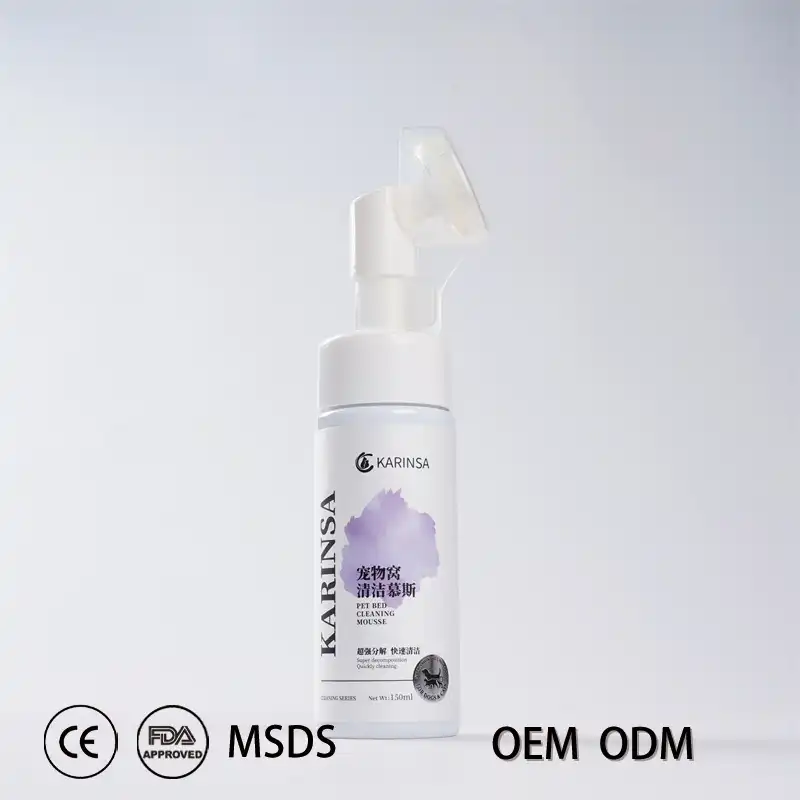
Pet smells in businesses come from complicated biological processes. Uric acid crystals get stuck in porous materials like wood, concrete, and cloth when cats pee. Then, bacteria break down the organic waste, releasing ammonia, volatile fatty acids, and mercaptans, which are the smelly chemicals that stay in the air. General air fresheners only cover up the smell by adding a scent; they don't get rid of the cause of the smell.
Professional deodorizers deal with this problem by using scientifically designed tools. Good bacteria are added by enzyme formulas to break down biological waste at its source, turning urea and proteins into leftovers that don't smell bad. Antimicrobial peptides stop bacteria from multiplying, which stops new smells from forming. Advanced formulas also use cyclodextrin packaging technology to trap and eliminate volatile odor molecules, which makes the food fresh right away and for a long time.
In B2B settings, safety is still the most important thing. Animal-safe, staff-safe, and environmentally friendly standards are met by commercial-grade goods after they go through a lot of tests. Deodorizers that won't get in the way of medical treatments or irritate the lungs are needed in places that care for vulnerable people, like animal hospitals' resting areas after surgery. Picking an answer that is both effective and safe is good for both animal care and following the rules.
Key Factors in Choosing the Best Pet Den Deodorizer for Your Business
Procurement decisions should be in line with how things work in the business when selecting a Pet Den Deodorizer. Which product works best depends on the size of the facility, the number of pets, and the quality of the air. Large boarding houses with a lot of dogs may benefit from concentrated recipes that can be watered down to save money, while grooming shops may like ready-to-use spray bottles that can be used quickly in between visits.
Formulation type is very important. Natural deodorizers made from plants are liked by brands that care about the environment and fit with green certification goals, but they may need to be used more often. Chemical-based treatments usually work faster and last longer, which is good for places with a lot of activity, like animal kennels or training grounds. Bio-enzymes and soft antimicrobials are mixed in hybrid recipes to provide a balanced approach that quickly gets rid of smells without leaving behind harsh residues.
Regulatory compliance is important and can't be ignored. For example, products going to the US market must be registered with the FDA, while products going to Europe must be compliant with REACH. They must also have the right safety paperwork, such as MSDS and COA certificates. Working with makers who give clear lists of ingredients and reports from third-party testers lowers your risk and makes sure that customs clearance goes smoothly.
Top-Rated Pet Den Deodorizers in 2026: Market Comparison and Brand Highlights
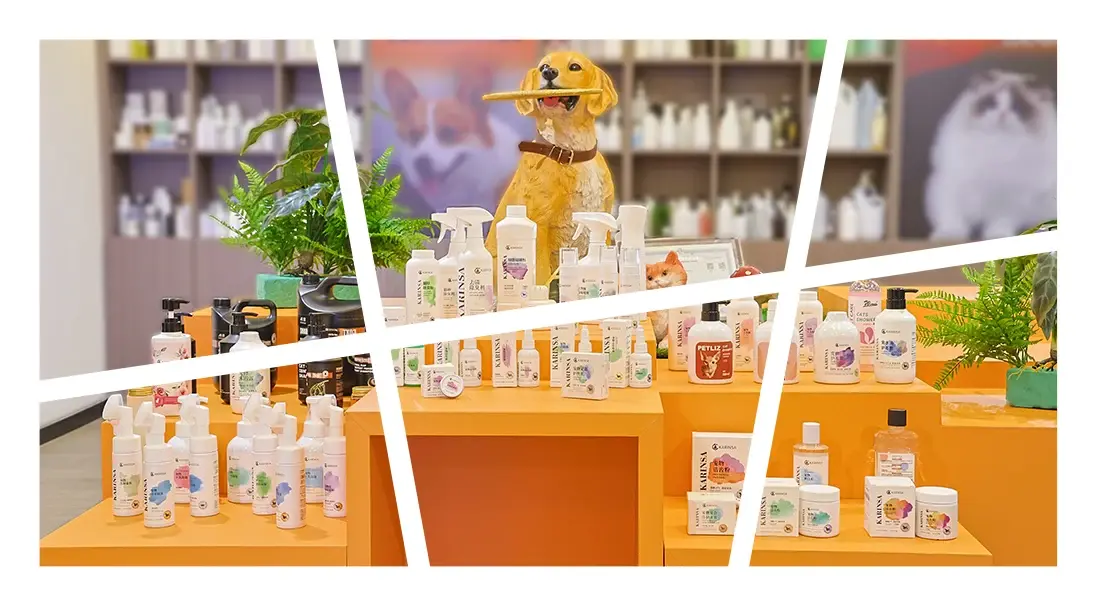
The market today has a wide range of options that can be used for different business needs. Leading makers set themselves apart by coming up with new formulations, manufacturing standards, and customer service after the sale. By evaluating these factors, buying workers can find partners they can trust.
Performance Metrics That Matter
How quickly and for how long a product gets rid of smells determines how well it works. Formulas that work well get rid of smells in seconds and keep things fresh for 24 hours or longer, so you don't have to use them as often. Products with 10% antibiotic peptides can kill up to 99.9% of bacteria, which helps with both smell problems right away and long-term germ control. This dual motion is especially useful in small areas with little airflow, like airplane crates or recovery cages. Commercial-grade goods last longer than individual versions even when they are used a lot. Facilities that house a lot of animals need deodorizers that can handle getting dirty a lot and still work well even when there is a lot of organic matter in the air. Bio-enzymatic solutions work for 12 to 72 hours while good bacteria break down waste substrates. They are better for homes with multiple pets than chemical neutralizers that only work once.
Manufacturing Quality and Certification
Suppliers with a good reputation run factories with high-tech equipment like quality control systems that are ISO 9001-certified, cleanrooms that follow good manufacturing practices, and automatic filling lines. These standards make sure that each batch is the same, which is very important when you have clients with strict buying requirements. Products with CE and FDA certifications show that they meet foreign safety standards. This lowers the legal risk for importers and dealers. Pet Autra is a great example of this dedication to quality. Linyi Wobel Pet Supply Co., Ltd makes its Pet Den Deodorizer, which is tested thoroughly in high-quality labs before it gets to customers. The company has been making things for more than 20 years and keeps its stock stable so that orders can be sent out quickly. Standard orders are sent out within 24 to 48 hours, and special recipes are usually finished within 7 to 15 days. Businesses that use Pet Den Deodorizer need reliable supply lines, and regular product performance can be ensured through this.
Implementing Pet Den Deodorizers Effectively: Best Practices for Optimal Results

Application Techniques for Maximum Efficacy
When used correctly, a product works better and lasts longer. Get rid of any trash and garbage that you can see on the surface first. Enzymatic formulas work best when they can directly touch organic material instead of having to work around layers of dirt. Spray deodorizers should be spread out evenly from 6 to 8 inches away so that the solution can get into porous materials without being too wet. The best way to spread powders is to sprinkle them lightly and use a brush to work them into carpet fibers or litter. Timing affects what happens. Using deodorizers right away after cleaning keeps things smelling fresh and stops smells from coming back. Scheduled applications are helpful for places with a lot of people coming and going, like every morning before they open, between client meetings, and during closing processes. Extra care needs to be taken in enclosed areas like cages; after cleaning, surfaces should be left to dry before adding enzymes, because any bleach or alcohol left on them will kill any good bacteria and make the formula less effective.
Maintenance Frequencies and Quantities
Regular upkeep keeps things clean without wasting time or money. Areas with moderate traffic, like greeting areas and store displays, usually need to be cleaned once a week. When used every day, high-density living and litter box stations work best. Accidental soiling during transport or training accidents is an example of an emergency situations that need quick spot treatment to keep the smell from spreading to floors and furniture. Figuring out numbers stops gaps and costs from going over. A 500ml spray bottle usually covers about 50 square meters of surface area, which makes it easy to figure out how much you'll need each month based on the size of your building. When you buy in bulk, the price per unit goes down. Businesses that order 500 bottles or more often can get big savings and different packaging choices.
Purchasing and Procurement Strategies for B2B Clients
Reliable Sourcing Channels
Finding reliable sources cuts down on problems and makes sure that quality stays the same. Direct ties with manufacturers let you see how things are made, which lets you make changes and solve problems more quickly. Distributors and dealers that have been around for a while can make things easier by storing goods in one place and sending them all at once, which cuts down on freight costs and delivery times. Online platforms let you compare prices and look at product specifications, but trade shows and industry exhibitions in person let you try out products and negotiate in person. Using both channels together makes buying strategies stronger—first checking online, then checking in person before placing big orders.
Cost-Saving Strategies
Volume savings cut costs per unit by a large amount. You can get better prices if you buy 500 bottles or more, and you can get even more value by buying deodorizers with cleaning supplies or grooming tools. Subscription plans make sure that you always have what you need, and they often protect your prices against changes in the market. This keeps your budget stable and makes it easier to reorder. Businesses at different stages of growth can benefit from flexible minimum order numbers. Low-minimum-order (MOQ) choices are good for startups that are testing the market fit, while established chains use their large-scale production powers to get exclusive formulas made just for their brand. Private labeling turns common goods into unique ones that set them apart, which builds customer trust and lets businesses charge more for their goods.
Compliance and Certification Verification
Doing your research ahead of time can help you avoid fines and damage to your image. Before signing a deal, make sure you have copies of the ISO 9001, GMP, and any other safety certifications that are needed. Make sure that goods come with all the necessary paperwork, like an MSDS for warning people about risks, a COA for quality control, and an ingredient list that fits the needs of the market where the product will be sold. Suppliers who have worked in international trade prepare customs paperwork ahead of time, which makes cross-border deals go more smoothly and cuts down on clearance delays.
Conclusion
Choosing the right Pet Den Deodorizer can make business pet environments more efficient and make customers happier. Professional deodorizers get rid of smells at the molecular level, which is different from air fresheners and makes the smell last longer. Formulation type, application method, legal compliance, and supplier dependability are some of the most important things to think about. Antimicrobial peptides and bio-enzymatic action are used in products that work better in tough places, like veterinary healing areas and high-density boarding facilities. By using volume discounts, direct maker partnerships, and custom branding, strategic buying helps businesses stay within their budgets and still meet their sustainability goals. Businesses can improve cleanliness, protect animal welfare, and build long-lasting customer trust by following best practices and picking certified solutions backed by experienced makers.
FAQ
1. Can enzymatic deodorizers be used immediately after disinfecting?
Not at all. Strong disinfectants, such as bleach and high-concentration alcohol, kill the good bacteria that are in enzyme solutions, making them useless. Before using bio-enzymatic deodorizers, make sure the surfaces are clean and germ-free, rinse them well, and let them dry completely to get the best results.
2. How do these products differ from regular air fresheners?
Air fresheners briefly cover up smells with scents, but professional deodorizers get rid of the molecules that cause smells by breaking them down with enzymes or chemicals. This gets rid of smells where they come from instead of covering them up, which gives more reliable and long-lasting effects in business settings.
3. Are these products safe for sensitive animals and post-operative patients?
Formulations of high quality use GRAS chemicals and are tested for safety. Products made for veterinarians are safe for animals that have just had surgery because they are not poisonous or irritating. The best way to make sure pet surfaces are safe and effective is to let them dry for 10 to 15 minutes.
Partner with Pet Autra for Superior Odor Control Solutions
A full called Pet Autra, made by Linyi Wobel Pet Supply Co., Ltd, includes 10% antibacterial peptides, quick 3-second odor removal, and freshness for 24 hours. Our recipe is mild enough to be used directly on pet fur, but strong enough to get rid of ammonia, urine crystals, and bacterial buildup on beds, cages, and facilities. With more than 20 years of experience making Pet Den Deodorizer, we offer OEM and ODM services, which let you change the recipes, scents, and packaging with as few as 500 bottles needed. Our production plant is ISO 9001 and GMP certified, which means the standard is always the same. FDA and CE certifications make sure that we follow the rules for the US and European markets. We offer reasonable rates, real-time tracking, and skilled export packaging for shipping all over the world. You can email us at sales@shampoopet.com to learn about buying in bulk, get samples, and talk about private labeling choices that are perfect for your brand.
References
1. American Veterinary Medical Association. "Odor Control in Veterinary Facilities: Best Practices for Health and Safety." Journal of Veterinary Practice Management, 2023.
2. Pet Industry Federation. "Commercial Pet Care Hygiene Standards: A Comprehensive Guide for Boarding and Grooming Facilities." London: Pet Industry Federation Publications, 2024.
3. National Animal Care and Control Association. "Effective Sanitation Protocols in Animal Housing Environments." NACA White Paper Series, 2023.
4. Environmental Protection Agency. "Green Cleaning Products for Animal Care Facilities: Efficacy and Safety Standards." EPA Commercial Cleaning Guidelines, 2024.
5. International Journal of Applied Microbiology. "Bio-Enzymatic Deodorization: Mechanisms and Applications in Animal Housing." Volume 47, Issue 3, 2023, pp. 215-230.
6. World Pet Association. "Trends in Commercial Pet Product Procurement: Quality, Safety, and Sustainability." WPA Annual Industry Report, 2024.

Send Inquiry
You may like