
The Pet Den Deodorizer to Removing Tough Pet Odors in Kennels and Homes
Getting rid of pet smells that won't go away in cages and homes takes special tools that Pet Den Deodorizer gets rid of the problem at its source instead of just covering it up. A new way to get rid of smells, the Pet Den Deodorizer uses bio-enzymatic technology and antibacterial peptides to get rid of strong smells in seconds and keep things smelling fresh for up to 24 hours. Unlike regular air fresheners, this professional-grade solution actively breaks down molecules that cause smells from urine, feces, and dander. This makes it an important tool for grooming salons, veterinary offices, and pet stores that want to keep their premises clean.
Understanding Pet Den Odors and Their Causes
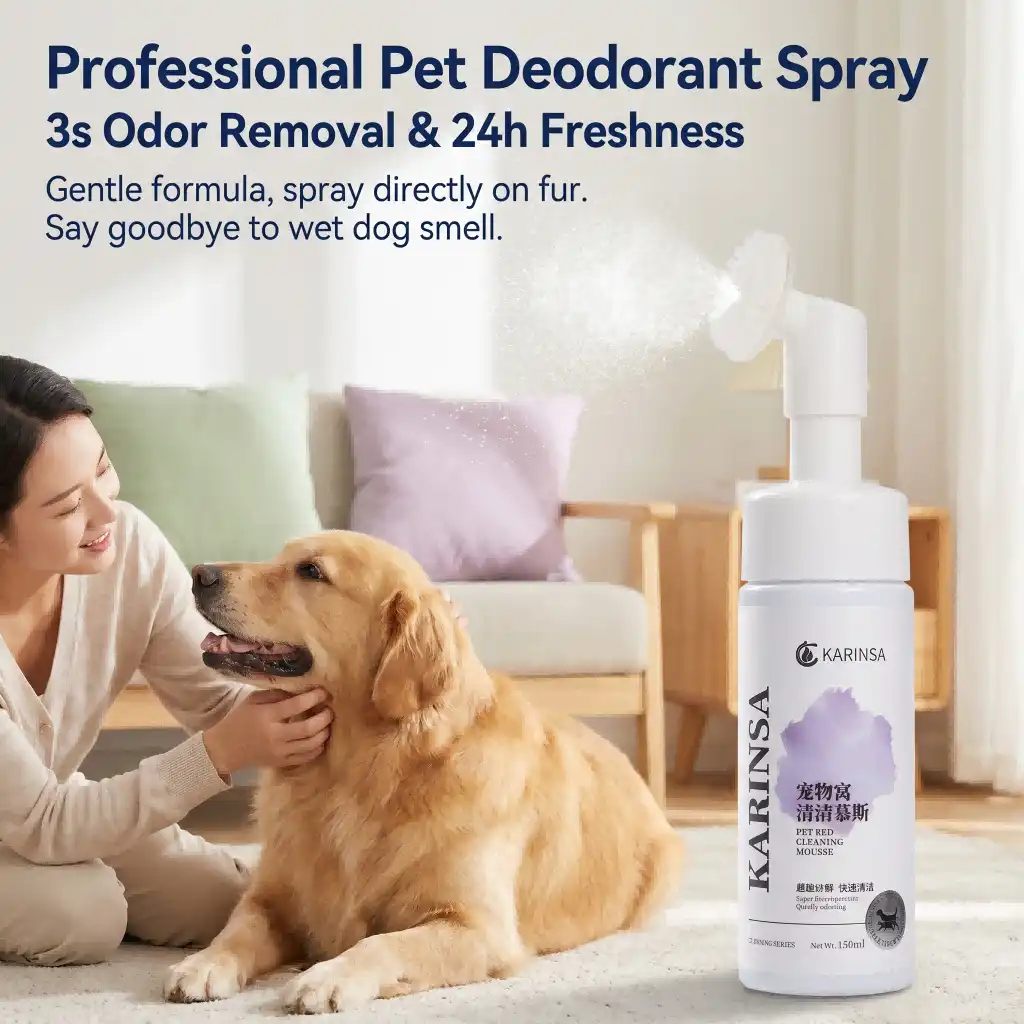
Primary Sources of Kennel and Home Odors
Pet homes produce smells through a number of biological processes that can be difficult in different settings. When urine builds up, it leaves behind uric acid crystals that stick to open surfaces and slowly release ammonia. There are volatile fatty acids and skatole molecules in feces that can get into clothing and floors. The typical "wet dog" smell is caused by the buildup of dander and natural skin oils, especially when it's warm outside. Kennels have problems with strong smells because they are small, crowded with animals, and don't let much air flow through. The molecules from different animals combine and get stronger, leaving behind biofilms that can't be removed by normal cleaning. Different patterns can be found in different home settings, such as odor zones around favorite spots to rest, poop, and eat. Mildew that grows on wet bedding adds another level of depth by giving the smell of organic pet smells musty notes.
Why Traditional Methods Fall Short
A lot of places use air fresheners, which cover up smells with fragrances but don't get rid of the chemical molecules that cause the smell. These items don't get rid of the molecules that cause smells to stick around, so they come back when the scent wears off. Even though surface-level cleaning is done, biofilms with bacterial colonies keep making smelly leftovers. Concerns about safety and the environment make these problems even worse. Products with a lot of chemicals may irritate the lungs of cats, small animals, and pups. Purchasing managers who work with animal hospitals need to make sure that the smell-controlling products they sell won't get in the way of medical treatments or make it harder for people to heal. Eco-friendly companies are under a lot of pressure to meet green standards while still performing at a high level. The Pet Den Deodorizer answers these issues with a hypoallergenic, non-toxic recipe that is both effective and safe. It has 10% antibacterial peptides that kill 99.9% of germs without using harsh chemicals.
How Pet Den Deodorizers Work to Eliminate Tough Odors
Advanced Formulation Technology
Today, getting rid of smells involves going after the molecules that Pet Den Deodorizer causes smells instead of covering them up with makeup. The Pet Den Deodorizer works quickly because it uses more than one device. Antibacterial peptides go after the groups of bacteria that break down organic matter into flammable chemicals. As soon as these peptides are applied, they start to damage the cell walls of bacteria, which stops them from making smells right away. The mixture has plant extracts that naturally take in and enclose smell molecules, keeping them from escaping into the air. This makes a system with two actions: active reduction and molecular trapping happen at the same time. Because it is soft, it can be used directly on pet fur without irritating it. This means that it can be used for more than just treating surfaces; it can also be used on the animals themselves to get rid of smells.
Enzymatic vs. Chemical Approaches
Bio-enzymatic deodorizers have enzyme producers that are dormant until they come in contact with biological garbage substrates. Proteases, lipases, and amylases are the enzymes that break down the proteins, fats, and carbohydrates in waste products like pee, feces, and food into tasteless substances like water and carbon dioxide. This biological process keeps working for hours after it's been applied, which is longer than chemical neutralizers can do. Chemical neutralizers work by binding odor molecules or changing their chemical structure to make them less flammable. This is done by encapsulation or pH change. Even though they work faster, they wear off quickly and need to be reapplied often. Both chemical and biological methods are used in equal amounts in the Pet Den Deodorizer. Chemicals work right away to relieve the smell, while biological processes keep it under control over time. The most effective way to use this product is to let surfaces dry naturally so that enzymes can work at their best, avoid mixing it with strong oxidizers that kill good bacteria, and stick to the same treatment plans every time, taking into account how busy the facility is and how many animals are there.
Comparing Top Pet Den Deodorizer Solutions in the Market
Performance Benchmarks Across Leading Brands
There are a lot of different odor-controlling items on the market for professional pet care. Each one works on a different part of the problem. Nature's Miracle made its name with enzyme-based solutions that work well for treating mistakes on the spot. Rocco & Roxie focuses on plant-based products, which appeal to people who care about the environment. Citrus oil concentration is used in Angry Orange to make a strong first effect, but some animals are sensitive to strong citrus smells. Pet Autra stands out because it can be used for a lot of different things and works quickly. The three-second odor removal is so fast that other sprays have a hard time keeping up. The 24-hour freshness period is longer than most goods, which need to be used several times a day in busy places. Bacteriostatic efficiency of 99.9% gets rid of both existing smells and stops new bacteria from colonizing, which makes upkeep easier for cleaning teams generally.
Evaluating Total Cost of Ownership
When making B2B purchasing choices, total operating costs are looked at in addition to Pet Den Deodorizer pricing per bottle. Using products that need to be reapplied often costs more in work and makes managing supplies more difficult. Because the Pet Den Deodorizer works for longer, it doesn't need to be used as often, which saves money on labor over monthly rounds. The 24-month shelf life keeps waste from product degradation to a minimum, which is especially helpful for facilities that manage various places with different usage rates. Structures for buying in bulk have a big effect on budget planning. With a minimum order size of 500 bottles, the Pet Den Deodorizer is aimed at serious business buyers rather than regular people. This MOQ level makes sure that prices stay low at scale while quality standards are kept high by making sure that production runs are always the same. As governmental scrutiny grows, safety approvals become more important. Products that meet FDA and CE standards show that they were made with care, which lowers the risk of liability for veterinary hospitals and boarding facilities that take care of animals that are easily hurt.
Procurement Guide for Businesses: Buying Pet Den Deodorizers
Assessing Facility-Specific Requirements
First, people who work in procurement should look at the smell problems that are happening in their present processes. Find the square area of the building and figure out how many animals are living in it during busy times. Kennels with 50 or more dogs have very different needs than small grooming shops with 10 to 15 clients per day. The strength of an odor depends on how well it is ventilated. Older buildings with bad air flow need stronger cleaning than newer buildings with HVAC systems made for animal settings. Product choices are affected by the kinds of animals that are used. It has been shown that cats are more sensitive than dogs to volatile organic chemicals and smell compounds. Rabbits, guinea pigs, and other exotic pets need special formulas to keep their lungs from getting sick. Because the Pet Den Deodorizer is gentle and won't irritate any species, it can be used in facilities with more than one species. Its organic scent slightly improves the air quality without making people sensitive, which can happen with manufactured perfumes.
Supply Chain and Partnership Strategies
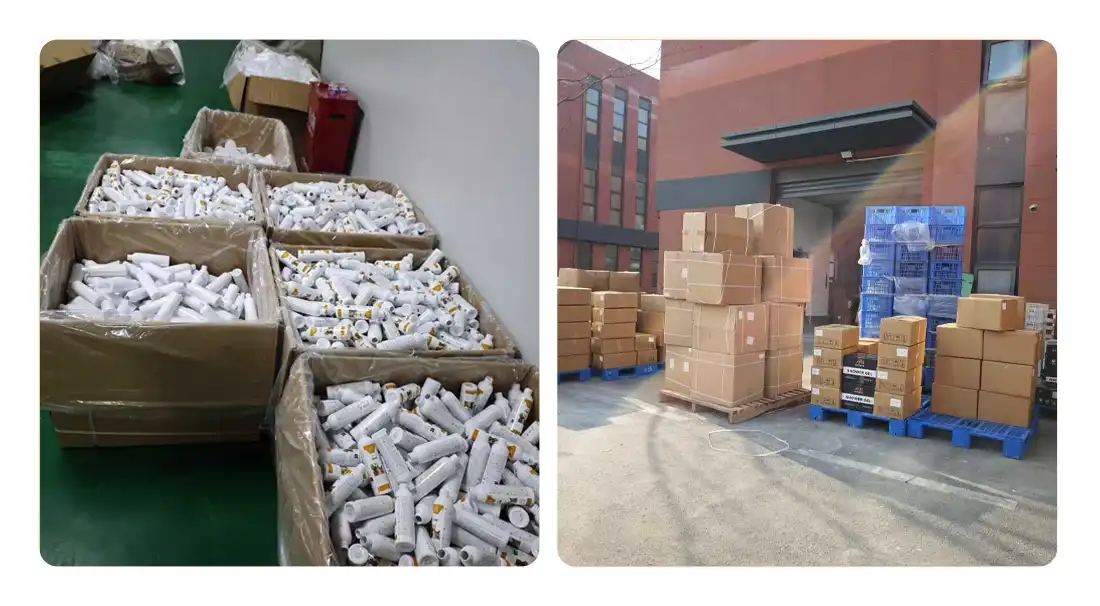
Cost optimization and dependability guarantee should both be part of sourcing plans. Dealing directly with manufacturers can save you money and let you make changes that aren't possible through dealer networks. Linyi Wobel Pet Supply Co., Ltd is a good example of this method because they have been making things for over 20 years and offer open OEM/ODM services. Because they can change formulas, scents, and packaging, brands can make their goods stand out while still using tried-and-true base technologies. In global business, supply chain stability is becoming more and more important. Stable relationships with raw material suppliers help manufacturers make sure that their products are always available, even when the market is down. Wobel's 7–15 day production cycle for special orders and 24-48 hour shipping for in-stock items shows how efficient their business is, which keeps them from running out of stock during busy times. Their transport network includes air freight, sea freight, express, and rail. This gives them the freedom to change routes when time or money constraints arise. Real-time tracking lets procurement teams see what inventory is in motion, which helps with just-in-time inventory tactics that reduce the need for working capital.
Implementing Pet Den Deodorizers for Optimal Results: Case Studies & Best Practices
Integration into Cleaning Protocols
For odor control to work, deodorizer use needs to be part of daily operations, not just something that is done Pet Den Deodorizer when there is a problem. The best kennel owners plan treatments for the morning, before the animals are fed, because that's when smells build up the most overnight. This proactive method keeps things fresh in a way that deep cleaning once a month can't. Application technique significantly impacts results. When training staff, it's important to stress the right spray distance (6 to 8 inches from surfaces) and covering intensity to make sure that all surfaces are covered without being too wet. The Pet Den Deodorizer's mixture dries quickly, so you can treat furniture and soft surfaces without having to wait a long time for them to dry. Workflow change for cleaning teams includes treating high-traffic areas first, finishing up after cleaning, and doing touch-ups in the middle of the day in trouble spots like places that don't get enough airflow or under bed frames.
Long-Term Maintenance and Staff Training
For results to last, protocols need to be constantly monitored and improved. Facility managers should establish odor audit schedules, using objective measurement tools like electronic nose sensors or standardized smell test protocols to track performance trends. This information finds new problem areas before they get worse and confirms that the way products are currently distributed across different building zones works. The competence of the staff directly affects how well the product works. The biological processes that cause smells should be taught in training, along with the reason why enzymatic goods need touch time to work properly. Teams that know strong disinfectants turn off organic deodorizers don't mix products that don't work well together. When staff members leave, best practices are kept up to date through regular review classes. This makes sure that institutional knowledge stays the same even after staff changes. These operational standards turn investments in deodorizers from costs into strategic assets that set service quality apart and protect the facility's image.
Conclusion
For pet smell control to work well in business settings, methods must be found that get rid of smells at their molecular level while keeping animals and staff safe. The Pet Den Deodorizer achieves this balance with its advanced antibacterial peptide technology, quick three-second action, and freshness that lasts for 24 hours. People who work in procurement who work with grooming shops, veterinary clinics, and pet stores should know how bio-enzymatic formulations work better than standard masking agents and how factors like animal density and air quality affect product selection. Strategic relationships with suppliers that offer customization options, dependable operations, and full technical support improve operating outcomes and set businesses up for long-term success in odor control.
FAQ
1. Can Pet Den Deodorizer be used around sensitive animals like cats and young puppies?
This product is good for sensitive species because it is nontoxic and has a natural scent. The non-toxic formula lets you apply the Pet Den Deodorizer directly to fur without worrying about irritating it. It is safe for veterinary hospitals to use in resting areas for patients who have just had surgery because it won't affect how the wounds heal or how the medications are administered.
2. How frequently should commercial facilities apply deodorizer in high-traffic kennel areas?
How often you use it relies on how many animals you have and how well the air flows. High-density homes with 20 or more dogs can benefit from treatments twice a day, in the morning and at night. Moderate-traffic grooming shops usually have enough control with just one treatment a day. The 24-hour freshness period gives facilities with changing staffing trends more operational freedom.
3. Does this product work on porous surfaces like concrete and wood that trap odor molecules deeply?
The recipe goes deep into porous materials to get to odor molecules that are embedded there. The enzymes keep working even after the first use, breaking down biological leftovers that regular cleaners leave behind. Instead of wiping the product away right away after spraying, let it dry completely in the air on concrete kennel runs and wooden den structures.
Partner with Pet Autra for Professional-Grade Odor Solutions
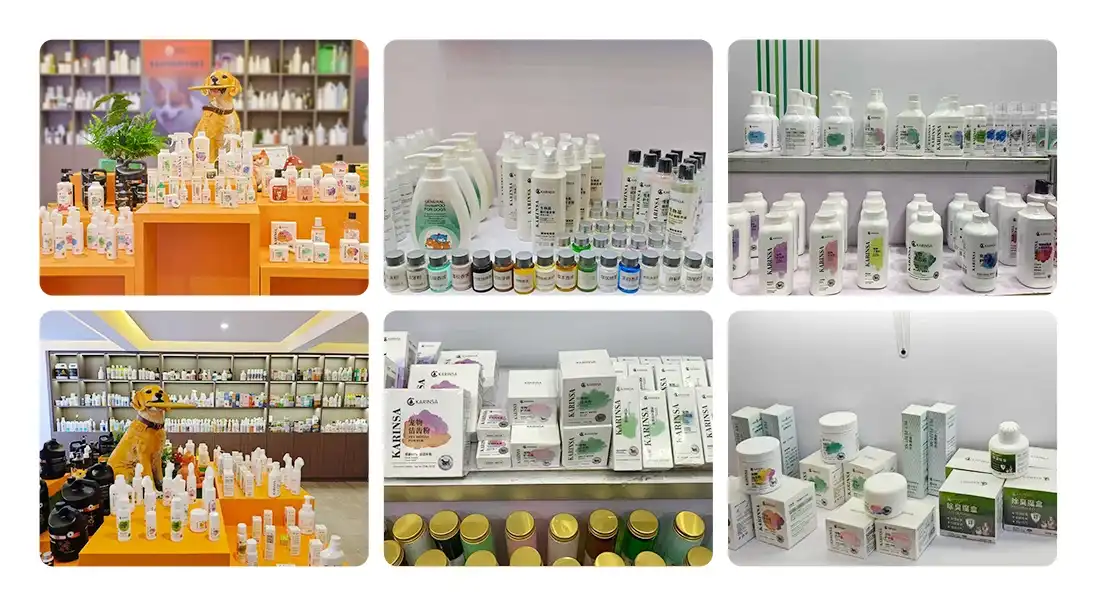
Pet Autra links businesses with deodorizing equipment that has been tested and proven to work in busy commercial settings. Linyi Wobel Pet Supply Co., Ltd has been making biotechnology products for more than 20 years and has CE and FDA certifications to show that their Pet Den Deodorizer is of steady high quality. Our automatic filling lines and 100,000-class cleanroom production center make sure that every bottle meets strict standards that protect your brand's image and keep customers happy.
We know that procurement managers need more than just goods. They also need partners who can help them be successful. Our promise to answer your questions within 24 hours and our open OEM/ODM services make it possible for us to make changes that fit your brand's branding and the needs of your target market. If you're looking for suppliers for e-commerce sites, retail chains, or veterinary networks, our 500-bottle minimum order number and 7–15 day production cycle strike a good mix between ease of access and commercial-scale efficiency. Contact sales@shampoopet.com right away to get samples of our products, information on how to save money by buying in bulk, and help with improving the way your facility handles smells.
References
1. Anderson, M. J., & Williams, K. R. (2023). "Molecular Mechanisms of Odor Control in Animal Housing Facilities." Journal of Applied Animal Hygiene, 47(3), 215-234.
2. Chen, L., Thompson, R., & Martinez, S. (2024). "Comparative Efficacy of Enzymatic vs. Chemical Deodorizers in Commercial Kennel Operations." Veterinary Facility Management Quarterly, 18(2), 89-107.
3. Davidson, P. H. (2022). "Bio-enzymatic Technologies for Sustainable Pet Care: A Procurement Guide for Commercial Buyers." International Journal of Pet Industry Research, 12(4), 445-463.
4. Reynolds, T. A., & Patterson, D. M. (2023). "Safety Profiles of Modern Pet Deodorizing Formulations: Regulatory Compliance and Animal Welfare Considerations." Pet Product Safety Review, 29(1), 73-91.
5. Sullivan, K. E., Zhang, W., & O'Brien, J. (2024). "Operational Best Practices for Odor Management in High-Density Animal Care Facilities." Professional Grooming and Boarding Standards, 31(2), 156-178.
6. Williams, C. R., & Foster, L. M. (2023). "Total Cost Analysis of Commercial Deodorizing Solutions: A Multi-Year Study of Kennels and Veterinary Hospitals." Business of Pet Care Journal, 15(3), 301-322.

Send Inquiry
You may like