
Top Ingredients to Look for in a Dog Shampoo for a Silky Coat
You shouldn't just pick up the first shampoo bottle that looks good in the shop. You can use the ingredients list to make sure your customers are happy and buy from you again if you're looking for Pet Shampoo for Fur Care for your business. This is true whether you're an online Pet Shampoo for Fur Care pet supply store, a chain of grooming shops, a veterinary center, or you sell in bulk. Quality goods have a direct effect on how well the coat stays moist, soft, and easy to handle. They can also help with common problems like itching and drying. Knowing how different ingredients and recipes work lets you meet the needs of many people and make your product stand out in a market that is getting more and more competitive. Read this artical to learn how to set buying goals and find beauty products that work, are legal, and fit the market so your clients can see and feel the difference.
Understanding the Core Challenges in Fur Care
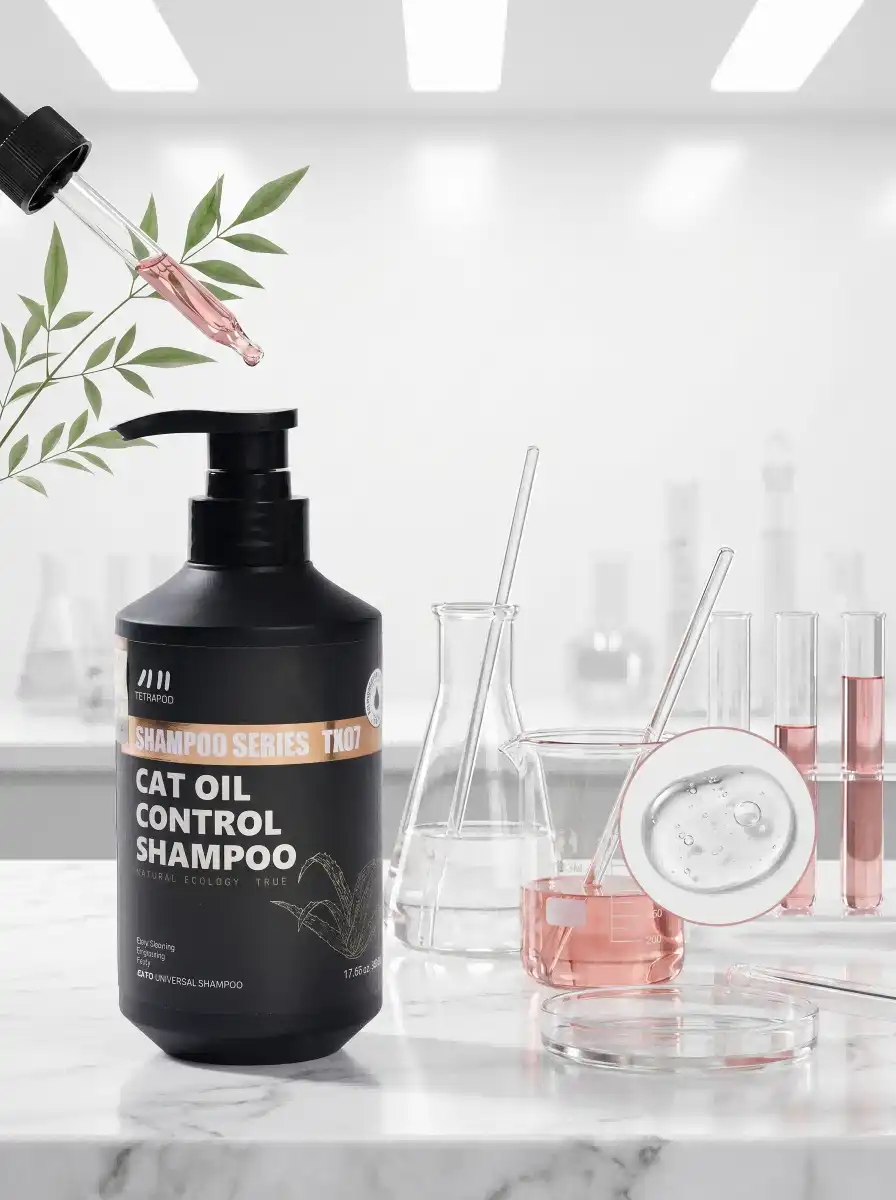
All types of dogs have problems with their hair that last a long time, hurt them, and make them look bad. People who own pets often have issues with their hair being dry, brittle, losing a lot, looking dull, and reacting badly with sensitive skin.
Most of the time, these issues get worse when bad shampoo ingredients take away natural oils or add harsh chemicals. If people who work in buying know about these common issues, they can take a closer look at methods instead of just comparing prices. Why are big buyers happy and likely to buy again? It's because of the quality of the ingredients. People who go to a beauty shop that uses bad products will say that their skin and hair are itchy and dull, which will make them look bad. When vet offices recommend treatments that aren't very good, it hurts their credibility as experts. A lot of people return items that don't work, which takes up shelf space.
It's still hard for the supply lines for professional pet care to find the best mix between price and quality of ingredients. Sometimes, synthetic fillers help keep costs down, but they also hurt quality and customer trust. For your business to stay out of trouble and reach high-end customers who are willing to pay more for proven quality, you need to make sure that safety and legal rules are followed everywhere.
Key Ingredients That Define High-Quality Pet Grooming Products
Natural Oils: Deep Nourishment and Moisture Retention
Some of the most important things that go into high-end goods are argan oil, jojoba oil, and coconut oil. These plant-based products don't just cover the outside of the hair shaft; they get deep into it. Important fatty acids and vitamin E in argan oil help heal cracked lips and make skin more flexible again. You can compare jojoba oil to dog saliva. This means that it works well with your skin's natural chemistry and helps control oil production without making your skin oily. Coconut oil not only soothes, but it also kills germs. This keeps your body healthy and free of bacterial and fungal problems.
Oatmeal: Anti-Inflammatory Relief
Both human and animal skin have been shown to feel better after using colloidal oatmeal. It has chemicals called avenanthramides in it that have been shown to improve swelling and itching. On top of that, oatmeal forms a layer on the skin's surface that keeps moisture in and outside allergens out. Because of this, recipes with oatmeal are great for dogs that have problems outside or with seasonal allergens.
Mild Surfactants: Effective Cleansing Without Stripping
This part of the shampoo tells you how well it cleans and takes care of your face. Soaps that are harsh on the skin, like sodium lauryl sulfate, may foam a lot, but they take away the skin's natural oils, leaving it dry. These days, softer chemicals like sodium cocoyl isethionate, cocamidopropyl betaine, or decyl glucoside are used in new recipes. These light detergents clean the skin and make it smell good while leaving the lipid layer that covers it alone.
Essential Fatty Acids: Gloss and Shedding Management
Omega-3 and omega-6 fatty acids are good for your food and your skin. These lipids are very important because they strengthen cell walls, reduce swelling, and help the skin make healthy oils that give clothes their natural shine. If you use items with these fatty acids on a regular basis, they can help keep your coat healthy and stop it from shedding too much. Business-to-business buyers can choose the best recipes for different coat types and customer tastes when they know what each ingredient does. A Poodle's curly coat needs different care than a Labrador's double coat. There should be specific high-end product lines for each of these needs.
Comparison of Natural vs. Chemical Ingredients in Pet Shampoos
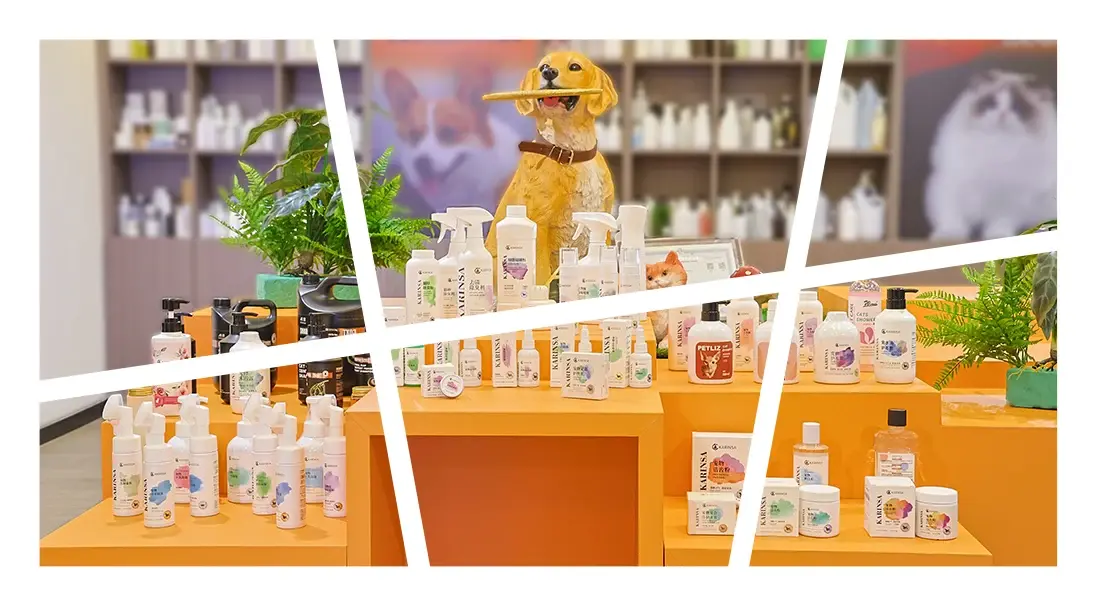
The difference between natural and man-made pet care products is something that people talk about a lot. But that's not how things really are. A large portion of the market is now made up of natural soaps, which are liked by customers and are better for the earth. This is especially true in controlled markets like North America and Europe, where trends in clean beauty affect what people buy.
It is more likely that ingredients that come from plants will clean Pet Shampoo for Fur Care gently and with fewer side effects. More and more people want to buy things that don't have parabens, sulfates, fake dyes, or artificial smells. Because of this, shops and suppliers can charge more for high-end natural goods. This will make pet owners who care about the environment loyal to the brand.
But people who buy a lot of natural versions may have to think about the trade-offs that come with them. It might cost more to get plant extracts on a daily basis, which could hurt the bottom line of a business. Sometimes it's hard to keep things stable on the shelf without fake stabilizers, so keep an eye on your goods to make sure nothing goes bad. When you use agricultural goods whose quality changes with the seasons, each batch may not work the same way.
Parabens, sulfates, and fake colors, on the other hand, are becoming less and less accepted in high-end goods because they are bad for sensitive coats. Since sodium laureth sulfate makes a lot of foam, some people think it cleans well. However, it changes the pH balance of the skin, which is not good. Parabens work to keep goods fresh longer, but some health-conscious customers are worried that they might mess with hormones. Artificial colors only make things look better, and they might make people with allergies sick.
Organic goods can work and make money at the same time, as shown by case studies from well-known sources. Shops that use plant-based goods say that their customers are happy and don't worry as much about getting skin irritation. Fewer people have to go back to the vet's office for skin problems after using sensitive natural shampoos. In the real world, these findings show that the market is moving toward better methods. They also tell us how well goods work and how satisfied B2B customers are with them.
How to Effectively Use Pet Shampoo for Fur Care in Professional Grooming and Distribution
It's not enough to just wash your pet with shampoo and rinse it off when you're a professional. Precise ways of applying Pet Shampoo for Fur Care get better results and make it work better. It's very important to use the right reduction ratios for professional recipes that are highly concentrated. A lot of salon-grade products can be reduced 10:1 or even 20:1, which keeps the cleaning power the same but drops the cost per wash. It's important to work it in well so that the active ingredients are spread out evenly and have time to get into the hair root. When you rinse your coat all the way through, dust doesn't get stuck in it and can harm your skin and make it look dull.
There is a different way to clean each type of fur. There are a few good ways to make sure that long-haired dogs like Afghan Hounds and Shih Tzus get all of their undercoats clean before they take a bath. If you have short hair, you may need to wash your hair more often because it produces more oil. Some dogs, like Huskies and German Shepherds, have two coats. To clean them, you need to use products that can get through both the top guard hairs and the thick undercoats without leaving behind heavy leftovers that keep the skin wet.
There are rules about how often you should wash clothes that help you avoid not cleaning enough or washing too much. For most healthy dogs, bathing every 4 to 8 weeks is enough. But each dog has different needs based on its breed, how much it exercises, and its skin state. Extra treatments, like leave-in creams or conditioning masks, make the benefits last longer between baths, stop hair loss, and make hair care better.
When you buy something, taking care of bulk storage means being aware of the world. Temperature changes can make emulsions less solid, which can cause them to separate or change how thick they are. By knowing how long a product will last, you can avoid throwing away old stock and make sure that users get new recipes that work. To keep the quality of shampoo and make sure the supply chain works well, it's important to store and handle it the right way, turning it first and then putting it away again. When it comes to business and shopping, these real things have a direct impact on how much money is made and how satisfied people are.
Selecting the Right Pet Shampoo Supplier: What B2B Clients Should Look For

The production partner you pick will affect the quality, reliability, and marketability of your products. Quality and market standards are met by suppliers whose material sources have been checked and whose certifications are known. If you want to work with someone, make sure they have the right market approvals, such as FDA registration for sales in the U.S. or CE marking for sales in Europe, and that they follow good manufacturing practices (GMP).
B2B buyers gain when sellers let them buy in bulk in a way that can grow with the business and doesn't require them to make big purchases of goods all at once. You don't run out of stock during busy times if you can count on your logistics to make sure supplies of Pet Shampoo for Fur Care happen on time. When you buy in a scalable way, you can try out new recipes with smaller amounts before committing to full container loads.
Pet Autra's recipe, which is full of rose extract, shows how picking the right ingredients can make a product stand out in the market. Rose essence is used in this special Pet Shampoo for Fur Care to make the hair stronger. It also cleans gently, leaving the hair smoother and smelling better for longer. It's safe for all types and stages of life, and it works on common hair problems like frizz, tangles, and dry hair. Businesses that groom pets and groomers expect it to work professionally. This is an example of how using high-quality products can make customers happy and bring them back.
When it comes to the competitive pet care market, having stable supply lines and long-term business growth is helped by having good ties with providers. Manufacturers become important long-term partners when they offer marketing tools, technical support, and ongoing help with product development. They stop being just sellers at this point. This way, based on relationships, works really well when rules change, market trends shift, or quality issues arise.
Conclusion
That being said, what goes into dog shampoo makes a big difference in how well it works, how happy customers are with it, and how well it does in the market. Learn about the benefits of natural oils, soothing herbs, structural proteins, and protective vitamins for business-to-business buyers in the pet care industry. This will help them make smart buying decisions that balance quality and profit. There is a steady shift toward natural, hypoallergenic products because customers want them, and dermatological studies back it up. This gives sellers and wholesalers a chance to reach high-end customer groups. Companies that take care of pets know that using better products makes things better. Better products mean smoother hair, healthier skin, and happy customers who buy from the company again and again. Work with qualified makers that let you make changes, offer open buying, and ship items reliably to set up your business for long-term growth in this growing market.
FAQ
1. What ingredients should I prioritize when sourcing shampoos for dogs with sensitive skin?
Look for items that are mostly made up of aloe vera, chamomile, and colloidal oatmeal to comfort. Things that have sulfates, chemicals, fake scents, or artificial colors should not be used. Formulas that are hypoallergenic and have a pH level between 6.5 and 7.5 work with the way dog skin works to lower the risk of irritation while keeping the acid layer that protects the skin.
2. How frequently should long-haired breeds be bathed with professional grooming shampoos?
Long-haired dogs do better when they get a good bath every four to six weeks, but every dog has different needs based on how it lives and the state of its coat. When professional cleaners use soft, weak solutions that keep natural oils, these types may need to be washed more often. Spot cleaning and dry shampoos help you look good between baths without having to wash your hair too much.
3. Are natural ingredient shampoos truly more effective than synthetic formulations?
It's not enough to know if something is natural or man-made for it to work; the quality of the product is also important. Well-made natural shampoos with concentrated plant ingredients work really well and don't use strong chemicals, so they're great for people with sensitive skin. On the other hand, some man-made ingredients help with function and safety. It is important to avoid adding dangerous chemicals like sulfates and instead use chemicals that are helpful. These chemicals can be natural or carefully chosen man-made ones.
Partner with Pet Autra for Premium Pet Shampoo for Fur Care Solutions
Cat Autra has been making things for the cat care business for over 20 years. They make products with a lot of rose extract that change the coat in a way that you can see. As a well-known business that makes Pet Shampoo for Fur Care, we can do both OEM and ODM work, and the lowest order size we need is just 500 bottles. Custom formulas, fragrance creation, box design, and private labels are some of the services that are offered. We make sure the quality is always good enough to meet FDA and CE standards for markets all over the world. Our plants are ISO 9001 and GMP certified, and they have 100,000-class cleanrooms, automatic filling lines, and cutting-edge research and development labs. Our customizable options will work for any business, whether it's a beauty shop that wants to offer one-of-a-kind items, a veterinary clinic that needs hypoallergenic options, a retail chain that wants to build high-end brands, or a delivery network that serves many venues. Learn how our rose essence Pet Shampoo for Fur Care treats your pet's hair with good things like keeping it soft for a long time, keeping it from breaking, and preventing clumps. It works for all clothing types and all stages of life. Pet Autra has proven production skills that can help you make your product line better and your customers happy in the tough pet care market. You can get samples at shampoopet.com or email sales@shampoopet.com to talk about custom formulations and get some samples.
References
1. Miller, W. H., Griffin, C. E., & Campbell, K. L. (2013). Muller and Kirk's Small Animal Dermatology (7th ed.). Elsevier Health Sciences.
2. Bonastre, C., Martín-Aragón, S., & Córdoba-Díaz, M. (2015). pH and Skin Care Products for Dogs: A Review of Dermatological Considerations. Journal of Veterinary Science and Animal Husbandry, 3(2), 205-212.
3. National Research Council. (2006). Nutrient Requirements of Dogs and Cats. National Academies Press.
4. Patel, A., & Forsythe, P. (2010). Efficacy of Colloidal Oatmeal in Managing Canine Pruritus: A Double-Blind Randomized Controlled Trial. Veterinary Dermatology, 21(4), 373-379.
5. Rosenkrantz, W. (2006). The Role of Topical Therapy in Managing Canine Dermatoses. Veterinary Clinics: Small Animal Practice, 36(1), 103-119.
6. Campbell, K. L. (2006). Fatty Acids and Skin Disease in Dogs: Current Evidence and Applications. Compendium on Continuing Education for the Practicing Veterinarian, 28(9), 662-670.

Send Inquiry
You may like