
Top Pet Eye Care Wipes for Tear Stain Removal
Eye care is often the first thing that comes to mind Pet Eye Care Wipes when we talk about keeping pets healthy and looking good. Pet Eye Care Wipes are a special kind of ophthalmic-grade cleaning product made to safely get rid of tear stains, eye discharge, and other waste from the area around the eyes. Unlike regular grooming wipes, these have pH-balanced solutions that are similar to the natural tear makeup of dogs and cats. This keeps the skin from getting irritated and effectively removes porphyrin oxidation, which is what causes those tough reddish-brown stains. These wipes have antibacterial ingredients and soothing plant extracts. They are a non-invasive way to take care of pets every day and for professional grooming in veterinary offices, pet salons, and stores.
Introduction
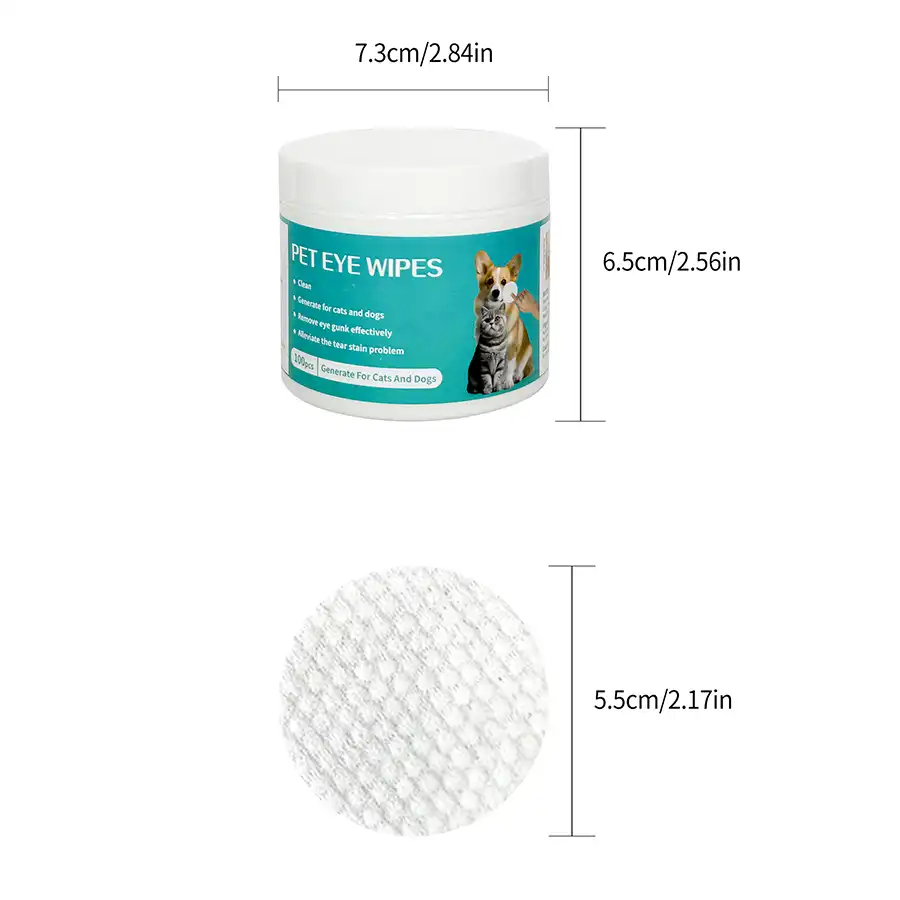
Eye care for pets is an important part of keeping them healthy overall, and getting rid of tear stains is quickly becoming one of the most popular services in the grooming business. Too much lacrimation, bacterial activity, and oxidation can cause tear stains, which are ugly discolourations that are bad for both pet comfort and appearance. There is a lot more demand for specialized eye hygiene products around the world because more people have pets, more people are aware of the health needs of different breeds, and professional grooming services are getting better. To navigate this growing market, B2B procurement professionals need to know about product specifications, formulation science, and supplier credentials. Whether you're a distributor looking at export-ready stock, a grooming chain looking for reliable daily-use products, or a veterinary hospital needing clinical-grade solutions, choosing the right eye care solution can affect your customers' happiness and your business's image. Within this guide, we will talk about the technical aspects, real-world applications, and sourcing methods that make up good purchasing choices in this specific area.
Understanding Tear Stains and Pet Eye Care Wipes
What Causes Tear Stains in Pets?
This happens because of a complicated interaction between genes, body shape, and environmental factors. Brachycephalic breeds, like Persian cats and French Bulldogs, have eyes that stick out and tear ducts that are too shallow, which causes recurrent epiphora. Some light-coated dog breeds, like Maltese, Poodles, and Bichon Frises, have more noticeable stains because of porphyrin molecules in their tears that turn rust-coloured when exposed to air. Allergies, infections, food sensitivities, and blocked nasolacrimal ducts can also cause excessive tearing. When tears overflow, they create a warm, wet environment that is perfect for bacteria and yeast to grow, especially Portunus species, which do well in facial folds. Getting rid of Pet Eye Care Wipes these stains isn't just a matter of cosmetics; good eye care also stops secondary dermatitis and keeps the eyes healthy.
How Eye Care Wipes Differ from Regular Grooming Products
Standard facial wipes don't have the special ingredients needed to protect the eyes. Pet Eye Care Wipes have a few elements that make them stand out. Their pH balance is usually between 6.8 and 7.4, which is the same as the osmotic pressure of the lacrimal fluid in dogs and cats. This stops the stinging feeling that comes from using acidic baby wipes (pH 5.5) or alkaline cleaning for the house. The substrate material is very important. Professional wipes are made of spunlace non-woven cloth that is rated at 45–60 GSM and has low-linting properties (Lint Grade < 3), which keeps microfibres from touching the cornea. Chemical formulation focuses on non-ionic surfactants like Polysorbate 20 to gently dissolve lipids without interfering with the natural oil production of the meibomian glands. Good eye hygiene products don't contain alcohol, parabens, sulphates, or bleaching agents, which are all things that break down the hydrolipidic barrier and cause conjunctival hyperemia. There are instead enzymes that break down proteins and weak antimicrobials that come from plants. This makes sure that they clean well without harming cells.
Top Pet Eye Care Wipes for Tear Stain Removal in 2026
Key Ingredients for Safe and Effective Formulations
The best products for getting rid of tear stains are antibacterial and gentle on the face. Polyhexamethylene biguanide hydrochloride is a very useful antimicrobial agent because it can kill a wide range of germs at levels that are safe for daily use around the eyes. This chemical breaks down the cell membranes of bacteria without being as harsh as traditional disinfectants. Botanical extracts have benefits that work with this substance. The anti-inflammatory effects of aloe vera help tissues grow back. Apigenin and luteolin are chemicals found in chamomile extract that calm inflammation and make the skin less red. Honeysuckle ingredient helps keep the skin's moisture balance and has natural antimicrobial properties. Vitamin E is an antioxidant and skin conditioner that protects against free radical damage from UV light and environmental pollutants. These ingredients work together to take care of many aspects of eye care, including getting rid of discharge, stopping the growth of bacteria, soothing inflamed tissue, and keeping the protective barrier of skin around the eyes. This balance must be reached while the formula stays hypoallergenic and non-cytotoxic, so it can be used every day on all types and stages of a dog's life.
Comparing Wipes to Liquid Eye Wash Solutions
When making a purchase decision, people often have to pick between wipe formats and liquid options. Each has its own benefits that depend on the use case and operating situation. For mobile grooming services, home care apps, and high-throughput salons, wipes are the most convenient way to clean up. The single-use, pre-moistened format eliminates the risk of cross-contamination that comes with reusable applicators and makes it easier for people who aren't skilled enough to use them correctly. Liquid eye washes work great in clinical settings that need sterile irrigation or when treating active infections in animals while being supervised by a vet. But they need to be carefully applied to keep the solution from running off, and they need extra cotton pads or gauze, which raises the cost of materials and makes handling more difficult. From a purchasing point of view, wipes are easier to keep track of because Pet Eye Care Wipes last longer (24–36 months unopened) and don't need to be stored as carefully. The fact that they are disposable fits with infection control rules that veterinary accreditation groups are requiring more and more. Cost analysis shows that even though the price per unit may seem higher, the total cost of the application is often cheaper because of fewer materials needed and less time spent on labour. This is especially helpful for chains that manage multiple locations.
How to Use Pet Eye Care Wipes Effectively for Tear Stain Removal
Step-by-Step Application Protocol
The right way to use a product makes it work better and keeps animals safe and comfortable. Start by taking one wipe out of the package and putting it back right away so that the other wipes don't dry out. Hold the wipe folded to make a soft edge, never using corners that could scratch, and gently restrain the pet in a calm area while speaking soothingly to reduce stress reactions that can cause more tearing. Follow the natural shape under the eye as you wipe from the inner corner (medial canthus) outward. For each pass, use a new piece of the wipe so that the dirt you remove doesn't get spread again. Pay special attention to the deep folds of your face where sweat and germs tend to gather. For stains that are already there, applying it every day for two to three weeks will help lighten them as new, unstain hair grows in to replace the oxidised fur. The wipes are mostly preventative tools that get rid of tear overflow before porphyrin oxidation happens. It's more important to focus on stopping new stains than getting rid of old ones right away, though enzymatic products do speed up the breakdown of existing pigmentation.
Frequency Recommendations for Different Scenarios
How often to apply depends on the breed, the environment, and the needs of Pet Eye Care Wipes each unique pet. To keep germs from taking over, brachycephalic breeds and dogs with chronic epiphora should be cleaned twice a day, in the morning and at night. Light-coated types that are easily stained need daily care, even if they normally make a lot of tears. Seasonal changes are needed because allergen exposure changes. Because of pollen and other environmental irritants, cleaning needs to be done more often in the spring and fall. Particulate matter from air pollution affects indoor pets in cities, so they need daily care no matter what time of year it is. Professional groomers clean pets' eyes as part of their bathing routine, and they clean spots between visits. Veterinary offices use wipes to clean animals before and after procedures. When people buy something in a store to use at home, they should be told to apply it every day and to stop using it and see a vet if any redness, swelling, or excessive discharge appears.
Procurement Insights: Buying Pet Eye Care Wipes for Your Business
Identifying Reliable Suppliers and Manufacturers
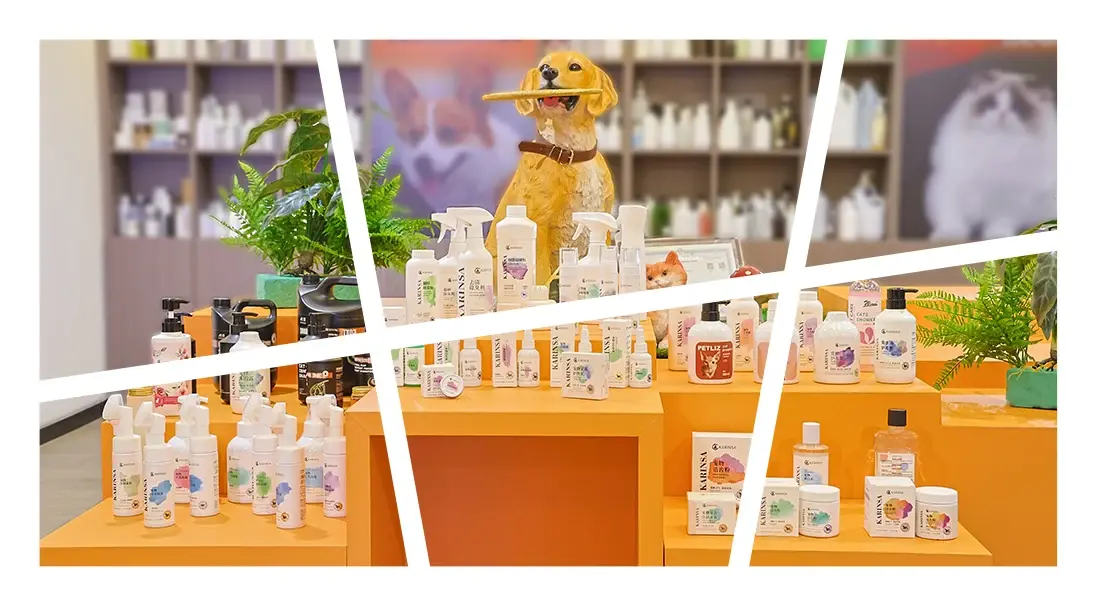
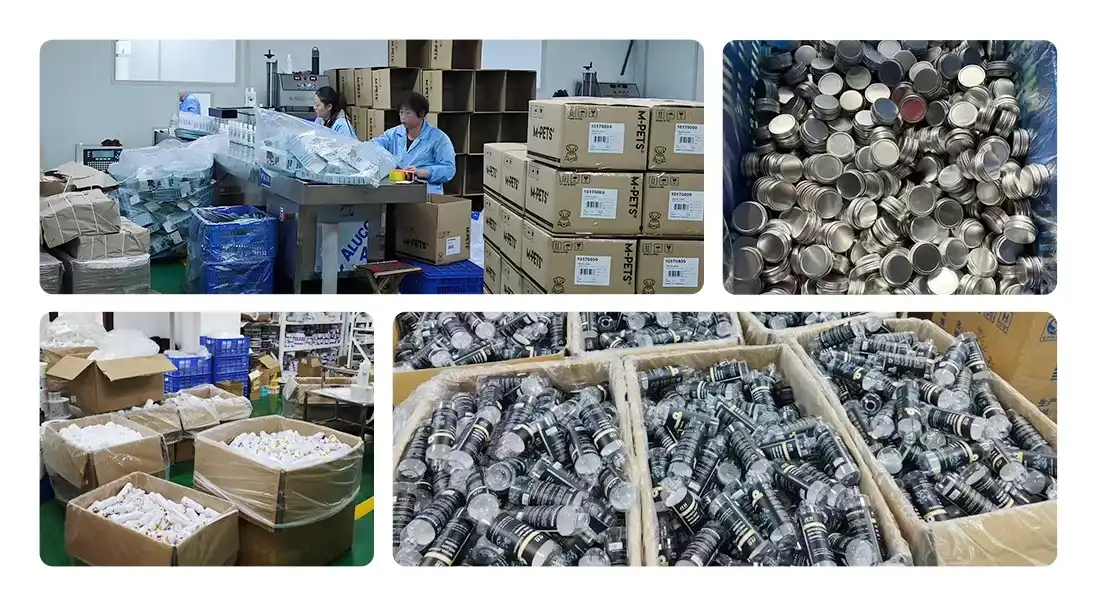
For B2B partnerships to work, suppliers must first be carefully checked out. Generic contract packagers aren't as good as established makers with facilities just for making pet care products. Companies like Linyi Wobel Pet Supply Co., Ltd have been making grooming products for pets for more than 20 years and have experience running 100,000-class cleanrooms and keeping up with automated filling lines that make sure quality is consistent across large production runs. Key evaluation criteria include checking the production capacity, following quality control protocols, and showing that the company is in compliance with all regulations. Suppliers should easily give you records of facility audits, batch testing, and third-party approval checks. Having stable partnerships with raw material suppliers shows that a company's supply chain is resilient, which is very important during global disruptions that affect the availability of chemical ingredients. Communication infrastructure is very important for foreign procurement. Suppliers that offer 24-hour response times, help in multiple languages, and dedicated account management make it easier to coordinate orders and solve problems. If someone has experience exporting, they will know what paperwork is needed (commercial invoices, certificates of origin, and, if necessary, phytosanitary certificates) and will already have relationships with foreign logistics providers.
Understanding MOQ and Customization Options
When it comes to customization, the minimum order numbers range a lot from one supplier to the next. They can be anywhere from 500 to 5,000 units. MOQs are usually smaller for standard formulations that can be used with existing packaging. Private label programs, on the other hand, need bigger first orders to cover the costs of tooling and formula development. These programs may need custom package design, unique scents, or proprietary ingredient blends. Being able to do OEM and ODM helps retailers and distributors make their own product lines by giving them a way to set their companies apart. Full customization means changing the formula (pH levels, fragrance profiles, botanical extract concentrations), the design of the package (bottle shapes, label artwork, multilingual text), and the paperwork needed to make sure the product is legal in different export markets. Manufacturers who are willing to be creative can take small test orders to see how the market reacts before starting to make more of the product. If a new brand wants to know what people in a certain area like, this is very helpful. It also helps known marketers find new markets in other areas. Sampling programs that give people early versions of products help people make decisions faster and lower the financial risk that comes with putting out products that haven't been tried.
Troubleshooting and FAQs for Pet Eye Care Wipes Usage
Are Pet Eye Care Wipes Safe for Daily Use?
No matter what age, anyone can use Pet Eye Care Wipes with a hypoallergenic, pH-balanced formula every day without any problems. The mild recipe doesn't hurt the skin around the eyes' natural defences. Even if they use them twice a day, sensitive cats are less likely to get sick from products that don't have alcohol, parabens, or harsh detergents in them. That being said, if the area stays hot, swollen, or drains a lot, the animal should see a vet to make sure there aren't any infections or structural issues that need medical care instead of just cosmetic care.
Can These Wipes Remove Established Stains Completely?
Instead of getting rid of deeply set spots, the main goal is to keep stains from happening. As new hair comes in to cover the stained fur, enzyme-based solutions slowly lighten the oxidation over the course of a few weeks of regular use. Before the porphyrin molecules oxidize, the wipes get rid of the daily tear film. This stops new spots from forming. To get rid of tough stains for good, you might need professional grooming methods, like having your stained hair carefully cut and getting regular maintenance. Realistic goals focus on making big changes for the better and avoiding problems instead of fixing things right away. This is especially true for cases that will last a long time and have been stained for years.
What Makes These Different from Baby Wipes?
The pH levels in baby wipes are generally 5.5, which is best for human baby skin but not for pet eyes, which need a pH balance of 7.0 to 7.4. Because of this difference in pH, putting baby wipes on pet eyes can sting and maybe even hurt the conjunctiva. Also, baby wipes have smells and preservatives that are safe for people to use, but could be bad for animals that are very allergic to chemicals. Antimicrobials that have been cleared by vets and plant extracts that have been chosen for their safety profiles are used in formulas that are just for pets. Ingredients that could be harmful to pets are not used.
Conclusion
You should think about how safe the ingredients are, how stable the supplier is, and how well the products follow the rules in your market before you buy them. Good wipes have pH-balanced solutions with antimicrobials that work and plant extracts that soothe the skin. These wipes clean right away and are good for your skin in the long run. What makes normal grooming wipes different from specialized eye care products is a big difference in how well they work and how safe they are. Companies that want to do business with other businesses (B2B) should work with skilled makers who offer clear quality documentation, a variety of customization options, and helpful customer service. Setting realistic goals for how long it will take to get rid of stains and storing the product in the right way all help it work better and make customers happy. Vet clinics, grooming salons, stores, and wholesalers can make smart decisions that protect animal health and help their businesses grow in the long run by learning about these technical and operational problems.
Partner with Pet Autra for Premium Pet Eye Care Wipes Supply
Pet Autra, through our manufacturing partner Linyi Wobel Pet Supply Co., Ltd, offers professional-grade Pet Eye Care Wipes backed by over 20 years of biotechnology expertise and international quality certifications, including FDA registration and CE compliance. Our hypoallergenic formulation combines polyhexamethylene biguanide hydrochloride with Aloe Vera, Chamomile, and Honeysuckle extracts, delivering gentle yet effective tear stain management suitable for daily professional and home use.
As a dedicated Pet Eye Care Wipes supplier, we provide comprehensive OEM and ODM services with flexible MOQs starting at 500 packs, supporting both emerging brands and established distributors. Our 100,000-class cleanroom facility and automated production lines ensure consistent quality, while our experienced formulation team accommodates custom ingredient profiles, multilingual packaging, and market-specific regulatory documentation. With inventory-backed rapid fulfillment (24-48 hour shipping for stock items) and competitive logistics rates covering global destinations, we streamline your supply chain from inquiry to delivery.
Contact our team at sales@shampoopet.com to request product samples, discuss custom formulation requirements, or explore exclusive B2B partnership benefits.
References
1. Smith, J. & Anderson, K. (2023). Canine and Feline Dermatology: Clinical Management of Periorbital Conditions. Veterinary Medicine Publishing.
2. Thompson, R. (2024). "Porphyrin Oxidation and Tear Staining: Biochemical Mechanisms and Prevention Strategies." Journal of Veterinary Dermatology, 45(2), 112-128.
3. Martinez, L. (2023). Professional Pet Grooming: Standards and Best Practices for Eye Care. Animal Care Institute Press.
4. Chen, W. & Roberts, M. (2024). "Antimicrobial Efficacy of Polyhexamethylene Biguanide in Veterinary Hygiene Products." International Journal of Applied Veterinary Science, 18(1), 67-83.
5. Davidson, P. (2023). B2B Procurement in the Pet Care Industry: Quality Assessment and Supplier Evaluation. Business Publishing International.
6. Williams, S. (2024). "pH Balance and Ocular Safety in Companion Animal Hygiene Products." Veterinary Ophthalmology Quarterly, 31(3), 245-260.

Send Inquiry
You may like