
Top Pet Fragrance Spray Options for Odor Control
Finding a pleasant-smelling cat odour control product isn't enough; you also need to know about the science behind neutralisation, safety rules, and whether the product can be sold. Pet Fragrance Spray is a high-tech way to get rid of biological smells in places like grooming salons, veterinary clinics, stores, and routes of distribution. Enzymatic neutralisers and pH-balanced ingredients are used in these special recipes to get rid of bad smells at the molecular level instead of just covering them up. Professional pet care is looking for more and more products that are both safe and effective, that are gentle but strong enough to keep coats healthy and meet customer standards. In this in-depth guide, we'll look at the best options for B2B buying, how to evaluate them based on business needs, and the best ways to use them in commercial settings.
Understanding Pet Fragrance Sprays and Their Benefits
What Makes Pet Fragrance Sprays Different from Regular Products
Pet scent sprays are topical solutions that are scientifically made to get rid of biogenic smells like wet fur, urine traces, and sebum oxidation. Professional pet deodorising sprays keep the pH level between 6.5 and 7.5 to protect the animal's acid layer and lipid barrier. Human perfumes, on the other hand, have 60–80% alcohol and work at pH 5.5. This difference is very important because pets' skin is chemically different from ours, which means that regular perfumes could be irritating or dangerous.
The Science Behind Odour Neutralisation
Formulations that work include zinc ricinoleate complexes or enzymatic substances that bind to sulphur and nitrogen-based smell molecules chemically and stop them from working. Molecular masking is very different from standard masking, where strong fragrances just cover up bad smells, often making unpleasant combinations. Cyclodextrin encapsulation technology is used in advanced water-based microemulsions to make scents last longer without needing a lot of volatile material. The result stays fresh for a long time thanks to time-release systems that are set off by pet movement and friction.
Safety Considerations Across Species
When making B2B purchasing choices, it's important to know the safety requirements for each species. Cats don't have glucuronyl transferase enzymes in their livers, which means they can't break down phenols and some monoterpenes that are in tea tree oil or citrus extracts. Quality makers make versions that are safe for cats by leaving out these chemicals and replacing them with other botanical extracts that still work. Formulas made just for dogs may have a wider range of ingredients, but hypoallergenic Pet Fragrance Spray standards are still very important for all uses to avoid dermatitis and touch sensitivity.
Top Pet Fragrance Spray Options for Odour Control in 2026
Criteria for Evaluating Professional-Grade Options
To choose the best goods for business settings, you need to carefully look at them from a number of different angles. Instead of subjective assessments, effectiveness tests should show how much of an odour is reduced. Safety profiles must have hypoallergenic approval, pH verification, and ingredient screening for the right species. When figuring out how cost-effective something is, you should look at how concentrated it is, how often you use it, and how long a bottle lasts. Different scents help businesses stand out in the market, and dependable suppliers keep stock levels steady for stores and salons.
Alcohol-Free Hypoallergenic Formulations
Modern expert formulas put skin health first by using alcohol-free ingredients that keep the skin from drying out or getting irritated. Solubilisers from plants, like Polysorbate 20, are used in these gentle but effective sprays to make stable emulsions without using hard chemicals. They are safe for sensitive pets and animals that are prone to allergies because they don't contain sulphates, parabens, or formaldehyde. Water-based delivery methods make very fine mists that clean coats without leaving behind any residue or clumps. Conditioning agents in the formula make the hair softer and easier to handle. They also lower static electricity and make brushing easier. This area is great for veterinary clinics that take care of pets after treatment and grooming salons that want high-quality finishing products that fit with current trends in holistic pet care.
Dual-Action Deodorising and Conditioning Solutions
High-performance choices get rid of smells and improve coats at the same time, giving you more value than single-function products. These formulas combine complexes that get rid of smells with moisturising ingredients that make fur look and feel better. Professional groomers like this because it saves time, as one product does several steps in the finishing process. The conditioning properties help keep the hair healthy between full grooming sessions. This means that baths can be skipped longer without lowering the standard of cleanliness. The multipurpose positioning is helpful in retail Pet Fragrance Spray settings because it makes managing merchandise easier and raises the value that customers see in the item. It's easier for distribution partners to sell these goods to a wide range of customers, from pet owners to professional facilities.
How to Choose the Right Pet Fragrance Spray for Your Business
Defining Your Specific Business Requirements
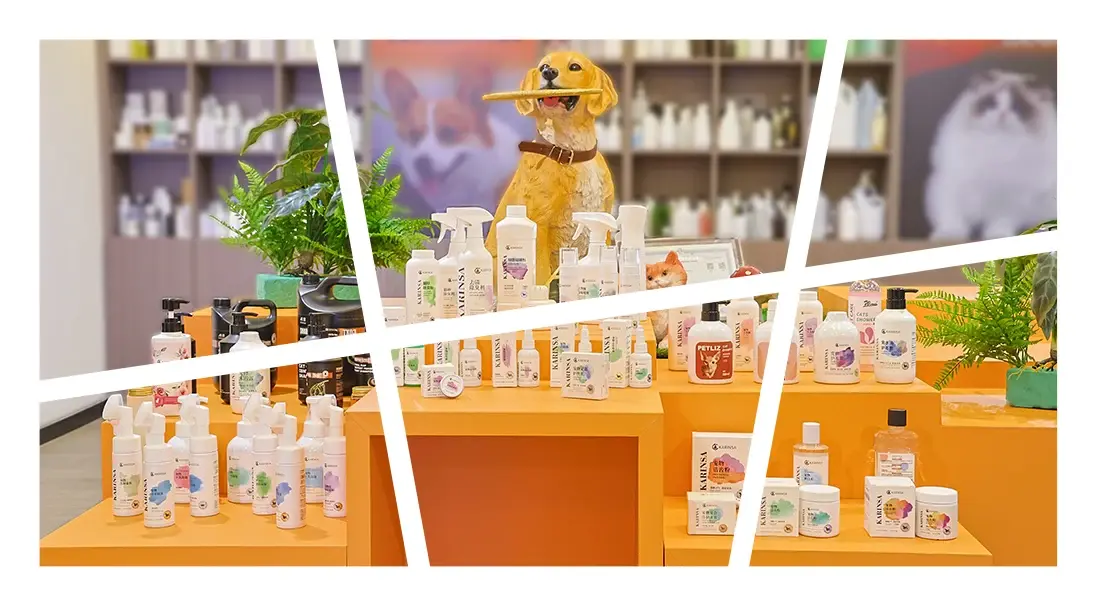
To be successful in procurement, you need to know exactly what the operational situation is and what the customer wants. Grooming shops need products that dry quickly and can be used with high-velocity dryers. Veterinary clinics, on the other hand, care more about hypoallergenic properties and therapeutic compatibility. Distributors focus on keeping items stable on shelves and offering competitive bulk prices, while retailers need packaging that looks good and lets customers know what they're getting. Knowing these different needs keeps you from making the wrong purchases and makes sure that the goods you choose really solve the problems your business faces every day.
Evaluating Ingredient Safety and Regulatory Compliance
Paying close attention to the details of the formula protects both the animals and the company's image. Check to see if the items don't have any ingredients that aren't good for certain species, like essential oils that are harmful to cats or high alcohol levels that hurt skin barriers. Ask for proof that the product meets the necessary standards, such as the IFRA Category 10B rules for animal sprays and the GRAS status for surfactants. Manufacturers should easily be able to give test results that confirm pH levels, stability through freeze-thaw cycles, and safety for microbes. Companies that have both ISO 9001 certification and GMP facilities show that they have a method for quality control that will likely lead to consistent batch performance.
Balancing Cost, Performance, and Sustainability
The total cost of ownership must be looked at as part of financial research, not just the unit price. More uses per bottle of concentrated formulations may be worth the higher original cost because they require less reordering and shipping, which saves money. When you buy in bulk, you can usually get discounts, but the best order amounts depend on things like storage space and shelf life. As more downstream customers expect environmentally friendly products, sustainability credentials become more important in business-to-business purchases. Formulations that break down naturally, packaging that can be recycled, and manufacturing processes that leave less of a carbon footprint all support corporate responsibility l Pet Fragrance Spray efforts and meet customer standards.
Best Practices for Using Pet Fragrance Sprays in Commercial Settings
Application Techniques for Different Pet Types
When used correctly, a product works better and keeps animals safe and comfortable. Hold the spray bottle 6 to 8 inches away from the coat and make light, even passes instead of a heavy coating. Instead of spraying directly on faces, focus on body parts that tend to hold smells, like the back, sides, and hindquarters. After applying the coat, brush it through to make sure the product is spread out evenly and doesn't build up in one place. When grooming different coat types, you need to use different methods. For example, short-haired breeds only need a small amount of product, while long-haired animals benefit from working the spray through the layers. By teaching staff these procedures, regular results can be achieved, and products won't go to waste.
Storage and Handling for Bulk Inventory

For a product to stay intact for its 24-month shelf life, it needs to be stored in the right way. Keep stock in temperature-controlled areas between 15°C and 25°C. Keep away from direct sunlight and weather changes that can make emulsions less stable. Store bottles straight to keep labels from getting damaged and to keep them from leaking. Use older stock before newer batches by putting in place first-in, first-out rotation methods. People who buy in bulk should set aside specific storage areas with spill containment equipment because a lot of inventory can be expensive and could be a risk if it's not handled properly. Inventory checks done on a regular basis find old goods before they get to customers.
Managing Allergies and Sensitivities in Client Animals
Active management of allergies saves client relationships and the well-being of animals. Keep thorough records of any bad reactions to specific products so that problematic formulations can be found quickly. For animals that are known to be sensitive, offer hypoallergenic or unscented options. Frame this as premium care rather than a hassle. Staff should be able to spot the first signs of contact sensitivity, such as scratching too much, redness, or changes in behaviour during and after treatment. Having more than one product choice lets you change the formulation if reactions happen while keeping the service offering the same. Being clear with clients about materials and safety tests builds trust and shows that you are a professional.
Conclusion
The professional pet care business needs odour control products that are safe, effective, and profitable, including Pet Fragrance Spray as a practical solution. Quality formulas that use enzyme neutralisation and pH-balanced chemistry get rid of smells for good, not just cover them up for a short time. For B2B purchasing to go well, products need to be evaluated based on their specific operational situations. For example, grooming salons need finishes that dry quickly, veterinary clinics want hypoallergenic properties, and stores want products that look good for customers. Supplier partnerships with well-known makers that offer customisation options, documentation for regulatory compliance, and dependable delivery systems give businesses a competitive edge. Knowing the right way to use, store, and deal with allergies will make sure that goods work at their best throughout their entire lifecycle. Investing in professional-grade pet deodorising products will directly lead to happier customers, more efficient operations, and a better position in the market.
FAQ
1. Are pet fragrance sprays safe for both dogs and cats?
Safety depends entirely on formulation specifics rather than product category. Dog-safe sprays may contain ingredients that cats cannot metabolise due to missing liver enzymes. Always verify that products explicitly state cat-safe certification if using on felines. Quality manufacturers clearly label species suitability and exclude problematic compounds like phenols, certain terpenes, and high essential oil concentrations in formulations intended for cats.
2. How long does the fragrance typically last after application?
Duration varies based on formulation technology, application environment, and pet activity level. Standard sprays provide 3-5 days of noticeable fragrance under normal conditions. Advanced formulations utilising microencapsulation technology can extend this to 7-10 days by releasing scent gradually through friction and movement. High-humidity environments and frequent outdoor activity reduce longevity, while indoor pets in climate-controlled settings experience longer-lasting results.
3. What distinguishes pet fragrance spray from pet cologne?
Pet cologne typically contains higher fragrance concentrations designed for special occasions with a shorter-term impact. These sprays focus on functional daily odour management with lighter, more sustained scent profiles suitable for regular use. Cologne formulations may include slightly higher alcohol content for intensified fragrance throw, whereas everyday sprays prioritise alcohol-free compositions, protecting skin health during frequent application. Both should maintain species-appropriate pH levels and exclude harmful ingredients.
Partner with Pet Autra for Premium Pet Fragrance Spray Solutions
Pet Autra, powered by Linyi Wobel Pet Supply Co., Ltd., brings over two decades of specialised manufacturing excellence to the pet grooming industry. Our alcohol-free, hypoallergenic formulations deliver genuine odour neutralisation through advanced enzymatic technology, Pet Fragrance Spray, while conditioning coats for enhanced softness and manageability. As an experienced Pet Fragrance Spray supplier, we offer comprehensive OEM and ODM services with customizable formulas, fragrances, and multilingual packaging tailored to your specific market requirements. Our FDA-registered and CE-certified production facility features 100,000-class cleanrooms and fully automated filling lines, ensuring consistent quality across every batch. With flexible minimum orders starting at 500 bottles, competitive global shipping rates, and 24-hour response times, we support businesses from startups to established distributors. Our technical team provides complete documentation, including MSDS, COA, and regulatory compliance support for seamless international distribution. Contact our procurement specialists at sales@shampoopet.com to request product samples, discuss custom formulations, or obtain detailed quotations.
References
1. International Fragrance Association. (2023). IFRA Standards for Animal Care Products: Category 10B Guidelines and Safety Protocols.
2. American Veterinary Medical Association. (2023). Topical Product Safety in Companion Animals: Dermatological Considerations and pH Balance Requirements.
3. Pet Industry Federation. (2024). Global Pet Grooming Market Analysis: Product Innovation Trends and B2B Procurement Patterns.
4. Journal of Applied Animal Welfare Science. (2023). Enzymatic Odour Neutralisation in Pet Care: Efficacy Comparison with Traditional Masking Approaches.
5. European Pet Product Standards Committee. (2023). Regulatory Compliance for Pet Cosmetics: Ingredient Restrictions and Export Requirements.
6. National Association of Professional Pet Groomers. (2024). Best Practices for Finishing Sprays in Commercial Grooming Environments: Application Techniques and Client Satisfaction Metrics.

Send Inquiry
You may like