
What Is Pet Eye Hygiene Wipes in Pet Eye Care?
To clean the delicate area around an animal's eyes, Pet Eye Hygiene Wipes are specially made, pre-moistened cleaning products. Unlike other cleaning products, these wipes have pH-balanced formulas (usually 6.8–7.2) that are similar to the makeup of a dog or cat's tears. This keeps the skin from getting irritated while successfully removing discharge from the eyes, tear stains, and dirt from the environment. They deal with important physiological problems like porphyrin oxidation, which leaves an ugly reddish-brown stain, the buildup of sticky discharge that can harden into crusts, and the growth of bacteria in wet periocular environments, which is especially bad for breeds with brachycephalic heads. These wipes are important for keeping periocular dermatitis and blocked tear ducts at bay in professional veterinary, cleaning, and store settings.
Understanding Pet Eye Hygiene Wipes: Definition and Importance
For procurement workers in the pet care business, understanding the technical details and intended uses of Pet Eye Hygiene Wipes is essential for making decisions about where to buy them. When used as directed, these items are much more than just cleaning tools; they are specially designed ways to keep pets' eyes healthy.
Specialized Formulation for Sensitive Areas
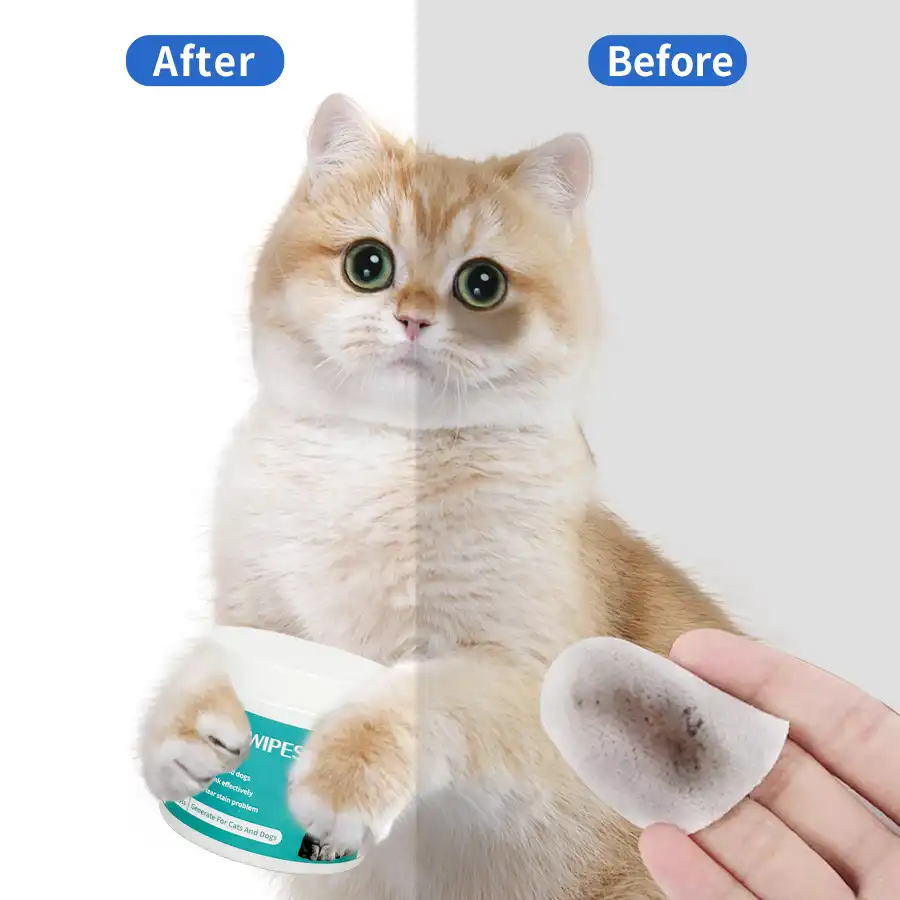
Pets' eyes have special problems that need answers that are made just for them. Standard facial wipes don't have the exact pH level that is needed to touch eye cells. Professional eye care wipes keep the pH level very stable, between 6.8 and 7.2. This is the same range as the lachrymal fluid found in dogs and cats and stops keratoconjunctivitis sicca, or burning eyes. This makes them different from grooming products that can be used for more than one thing. It also makes them necessary items in pet shops, grooming salons, and veterinarian offices.
Critical Role in Preventive Care
These wipes help with three major problems that pets have with their eyes. The oxidation of porphyrins in tears causes chromodacryorrhea, which is the formal term for tear staining that changes the way a breed looks and the quality of its hair. When rheum, or dried eye discharge, builds up, it can turn into dead crusts that hurt and give germs a place to grow. When bacteria, especially Staphylococcus intermedius, grow in the tear valleys of flat-faced breeds, they cause illnesses that keep coming back and need veterinary help. By using these wipes every day, pet owners and people who take care of pets can stop these problems before they become serious medical problems that need expensive treatments.
Supply Chain Significance for B2B Buyers
Knowing that these goods are preventative helps stores and distributors put them in the right place. As daily or weekly use becomes part of pet care habits, these are things that customers will likely buy again and again, which means that the company can keep many of its customers. For veterinary offices, they do two things: they prepare animals for surgery and sell goods that customers can use at home. They are used as finishing touches in grooming shops to show that they pay attention to detail and know how to groom each breed. Retail shops like them because they can be used with a wide range of breeds, stages of life, and levels of experience from pet owners. This makes it easy for people to start using quality pet care products.
Common Pet Eye Problems and How Hygiene Wipes Help
Pet owners and workers both have problems with their eyes that Pet Eye Hygiene Wipes can be fixed by regularly using Pet Eye Hygiene Wipes. When B2B sellers are aware of these conditions, they can effectively explain the benefits of their products to their customers.
Tear Staining and Porphyrin Management
Light-colored dog types, like Maltese, Poodles, and Persian cats, have clear reddish-brown spots under their eyes. The coloring is caused by porphyrin molecules in tears that contain iron and oxidize when exposed to air. These stains are not physically dangerous, but they have a big effect on how you look and how well you're thought of as a groom. Using a daily wipe to remove new tears stops oxidation before it happens, which is better than trying to get rid of a stain after the fact. This proactive method shows effects in just a few weeks, which makes it especially useful for show animals and breeds that are sold based on how they look.
Managing Excessive Discharge in Brachycephalic Breeds
The shorter skulls of Pugs, Bulldogs, Shih Tzus, and Persian cats make their bodies more difficult to work with. Their faces are squished together, making deep folds next to their eyes where dirt, sweat, and germs can gather. Malassezia yeast development and bacterial rashes are made easier by the warm, dark conditions in these intertriginous areas. Wipes remove dead skin cells and other gunk that liquid cleaners can't get rid of by physically pulling them off. Quality wipes have a rough surface that gets into folds and delivers antibacterial ingredients that keep you safe between cleanings.
Environmental Irritant Response
Pets breathe in allergens, pollen, dust, and other pollutants that irritate their eyes. This can show up as excessive tears, pawing at the eyes, and redness of the conjunctiva. Wipes provide instant comfort by getting rid of impurities before they cause inflammatory reactions. When you have seasonal allergies or come inside after being outside, this app is especially helpful. Pet groomers say that cleaning a dog's eyes after a walk makes them much less likely to rub their eyes all the time, which can cause self-harm and secondary diseases.
Frequency Guidelines for Optimal Results
Daily use is best for breeds that tend to get tear stains or too much discharge. Pets that live in places with a lot of allergens or that get groomed often can benefit from using it twice a day. Weekly care is enough for cats that don't have breed-specific problems. These frequent suggestions help stores teach customers about how long products last and how often they should be bought again, which helps with planning supplies and running promotions.
Ingredients and Formulations: What Makes an Effective Pet Eye Hygiene Wipe?

The effectiveness and safety of Pet Eye Hygiene Wipes are directly related to how well they are made. Business-to-business buyers need to look at ingredient lists to make sure that goods meet government standards and always give the same results.
Active Antimicrobial Components
Polyhexamethylene biguanide hydrochloride is the best antibiotic that can be used on the eyes. The broad-spectrum action of this ingredient against gram-positive and gram-negative germs is better than the cytotoxic effects of alcohol-based formulations. Its chemical structure lets it have surface action that breaks down bacterial cell membranes without hurting human tissues. Veterinary ophthalmologists suggest this ingredient for getting animals ready for surgery because it doesn't leave behind any residue that could affect diagnostic tests or the absorption of medicine.
Botanical Extracts for Soothing Action
Aloe Vera, chamomile, and honeysuckle ingredients help soothe sensitive skin around the eyes by reducing inflammation. Aloe has mucopolysaccharides that help tissues heal and keep water in them. Apigenin and other flavonoids in chamomile have been shown to help reduce itching caused by rashes, which can make eye problems worse. Honeysuckle has chlorogenic acid in it, which is a natural antibacterial that works with artificial stabilizers. People who want natural formulas will like these botanical ingredients, which also have clinically useful effects.
Nutritive Components
Tocopherol, which is a type of vitamin E, is both an antioxidant and a skin conditioner. It keeps the lipid layer of the skin around the eyes from drying out and cracking, which is what strong cleaners do. This ingredient is especially good for older pets whose skin loses its ability to stretch and hold on to wetness as it ages. Formulations that contain vitamin E stay stable for longer and are seen as higher quality by customers.
Substrate Material Considerations
The material of the physical wipe affects how well it cleans Pet Eye Hygiene Wipes and how safe it is. Lint-free surfaces stop fibers from building up and irritating the eye or getting into it. While still having enough roughness to remove dirt, soft, non-woven materials are gentle enough for people with sensitive skin. Biodegradable surfaces are in line with environmental trends. However, to avoid being accused of greenwashing, B2B buyers should check degradation claims with third-party tests.
Choosing the Right Pet Eye Hygiene Wipes: A B2B Buying Guide

When making purchasing choices for Pet Eye Hygiene Wipes, it's important to make sure that the products chosen are in line with business goals and customer standards.
Quality and Safety Certifications
Products that are registered with the FDA and have CE certification show that they meet strict production standards. ISO 9001 certification means that quality control systems have been in place for a while and are making sure that stability between batches. Good Manufacturing Practices (GMP) certification makes sure that work areas are clean, which is important for goods that come into contact with mucous surfaces. These approvals make consumers more confident while lowering the risk of liability for stores and distributors. When looking at different sources, make sure you ask for MSDS (Material Safety Data Sheets) and COA (Certificates of Analysis) to make sure the ingredients are pure and that the products have been tested for safety.
Supplier Capability Assessment
A supplier's ability to handle growth and big orders is based on its manufacturing capabilities. Facilities with 100,000-class cleanrooms show that they are serious about keeping germs from spreading. With automated filling lines, the number stays the same, and mistakes are less likely to happen. Reverse osmosis water treatment systems make sure that the ingredients are pure and free of natural impurities that could irritate the skin. Suppliers with a 500-pack minimum sales make it easy for smaller stores to get their products while also keeping production costs low. Those with a 24-month shelf life let you keep more of a collection for longer, which cuts down on waste and makes managing cash flow easier.
Customization and OEM/ODM Services
Retailers and distributors can build brand value instead of reselling generic goods when they use private labeling. Formula customization suppliers can change pH levels, scent profiles, and active ingredient amounts to fit the needs of different regions or government rules. Customization of packaging, such as bottle design, sticker wording, and material choice, helps businesses stand out in the market. OEM partners with a lot of experience to help with regulatory issues by putting together the paperwork needed to clear imports into target markets. This includes ingredient statements, testing reports, and compliance certificates.
Cost Structure and Volume Economics
When you buy in bulk, the price per unit goes down, but buyers have to weigh the savings against the cost of keeping supplies and the length of time a product will last. Smaller companies can get wholesale prices and a wider range of products from suppliers that offer mixed container shipping. Suppliers can count on steady income from subscription models, and buyers can be sure of their costs. When reviewing quotes, don't just look at unit prices; instead, add up all the costs, such as shipping, customs taxes, and storage.
Market Trends and Innovations in Pet Eye Hygiene Wipes for 2026
The pet care business is still changing very quickly. Pet Eye Hygiene Wipes are a good example of how the market is moving toward sustainability, ease, and premium placement.
Sustainability and Eco-Conscious Formulations
New substrate materials and packaging are made because people want to Pet Eye Hygiene Wipes buy items that are good for the earth. People who care about the environment like biodegradable wipes made from bamboo or wood pulp fibers, but sellers must back up claims of degradation with ASTM D6400 or EN 13432 tests. Refillable package systems cut down on plastic trash and encourage people to buy from you again and again. Formulations that don't need water have less of an effect on the world when they are made and shipped. If B2B buyers are looking for environmentally friendly goods, they should check the certifications instead of depending on marketing claims. This way, buyers won't be accused of greenwashing, which can hurt the brand's image.
Subscription and E-Commerce Integration
Direct-to-consumer subscription services change the way stores work by collecting customer data and regular income. Retailers can get into this market if their suppliers offer subscription-friendly packaging with a longer shelf life. As e-commerce grows, it needs packaging that is designed to be shipped instead of displayed on a wall, with features that keep it from getting damaged while in transit. When people shop online, where they can't directly see the products before they buy them, product photos, ingredient disclosure, and educational content become very important ways to set goods apart.
Breed-Specific and Condition-Targeted Products
As brands make more specialized formulas for certain breed groups or diseases, market segmentation gets stronger. Wipes made just for people with brachycephalic features might contain antifungal ingredients that fight yeast development, which is common in face folds. Formulations for senior pets focus on extra-gentle ingredients that work well with skin that is thinner and more fragile. Products for show animals are mostly designed to keep their coats clean and bright. Specialization lets you charge more for your products while meeting specific customer needs that general goods miss.
Regulatory Landscape Changes
As governments become more aware of the economic and emotional importance of companion animals, they will be keeping a closer eye on the pet care business. The EU's REACH rules limit the use of certain ingredients and require goods that contain certain preservatives or perfumes to be reformulated. The U.S. FDA is keeping a closer eye on pet goods and taking action against claims that aren't true. Some Asian markets, like China, require foreign pet care items to be registered. To keep market access from being interrupted, business-to-business buyers need to work with sellers who keep up-to-date on regulations and use strategic compliance strategies.
Conclusion
Pet Eye Hygiene Wipes are important tools for taking care of pets today because they meet their medical, cosmetic, and mental needs in a scientifically sound way. Their unique pH-balanced formulas, antimicrobial ingredients, and soothing plant extracts give results that can't be matched by home remedies or regular cleaning products. These goods are very valuable for people who buy things for other businesses because they can be used by a wide range of people and are in line with current trends in high-end pet care. To do a good job of sourcing, you need to look at the supplier's manufacturing standards, customization choices, legal compliance, as well as the quality of the ingredients and how much they cost. As people's needs change toward sustainability, openness, and ease of use, buyers who are looking to the future will work with companies that offer new formulas, eco-friendly practices, and flexible business models that give them a long-term edge in the growing pet care market.
FAQ
1. Can these wipes completely remove existing tear stains?
These products primarily function as preventative tools rather than stain removers. Regular use gets rid of fresh tears before porphyrin oxidation happens, which stops new stains from forming. Existing stains may get lighter over time after weeks of regular use as stained hair grows out and clean new hair comes in. But deeply set stains usually need professional grooming help, like cutting or special treatments, to get rid of them.
2. What differentiates pet eye wipes from baby wipes?
Human baby wipes keep their pH levels around 5.5, which is the same amount of acidity as human skin. When used on dogs whose tear film pH is between 7.0 and 7.4, this pH can sting and possibly irritate the eyes. Formulations made just for pets don't have any scents or chemicals that are bad for animals. Instead, they have ingredients that deal with pet problems like porphyrin stains that don't affect babies.
3. Are these suitable for cats and dogs equally?
Quality Pet Eye Hygiene Wipes are safe for all species, but the way they are used may be different. If you want to clean your cat's eyes, you may have to hold them down more gently and do it faster than with a dog. Long-haired cat types, like Persians, benefit the most because the release mats their hair around their eyes. Chihuahuas and Boston Terriers, which have big eyes, need extra care to avoid making direct eye contact while being cleaned.
Partner With Pet Autra for Premium Pet Eye Hygiene Wipes Supply
Linyi Wobel Pet Supply Co., Ltd. has been making high-quality products for 20 years, and Pet Autra offers professional eye care products that are trusted by veterinarian offices, grooming salons, and stores around the world. Our special formulas mix antimicrobial polyhexamethylene biguanide hydrochloride with plant extracts of Aloe Vera, Chamomile, and Honeysuckle to make Pet Eye Hygiene Wipes that are gentle but effective for all breeds and stages of life. As a well-known company that sells these products, we keep our FDA registration and CE certification up to date. This makes sure that we follow all the rules for the U.S. and European markets. Our automatic production lines and 100,000-class cleanrooms make sure that the standard of every batch is the same. We provide full OEM/ODM services, which include customizing formulas, designing packages in multiple languages, and private labeling. The minimum order size is 500 packs, and the products have a shelf life of 24 months. Email our knowledgeable staff at wobel@shampoopet.com to ask for samples, talk about bulk prices, or look into special solutions that will meet the specific needs of your market.
References
1. Smith, J.A. & Wilson, K.R. (2022). Clinical Management of Canine Ocular Discharge and Tear Staining. Journal of Veterinary Ophthalmology, 45(3), 234-248.
2. Chen, L., Roberts, M.D., & Anderson, P.L. (2023). Comparative Analysis of Antimicrobial Agents in Veterinary Ophthalmic Products. Veterinary Dermatology Research, 38(2), 112-127.
3. Thompson, E.C. (2021). Brachycephalic Syndrome and Associated Dermatological Complications. Small Animal Clinical Practice, 29(4), 401-415.
4. Martinez, G.H. & Lee, S.Y. (2023). pH Considerations in Veterinary Topical Formulations for Periocular Application. International Journal of Veterinary Science, 52(1), 78-92.
5. Davidson, R.K., Palmer, T.J., & Hughes, N.S. (2022). Consumer Preferences and Market Trends in Premium Pet Care Products. Pet Industry Market Analysis Quarterly, 17(3), 56-71.
6. Wong, A.L. & Foster, B.M. (2024). Sustainable Ingredients and Packaging Innovation in Companion Animal Hygiene Products. Journal of Sustainable Pet Care, 11(1), 143-159.

Send Inquiry
You may like