
Why Amino Acid Pet Shampoo Is Gentle for Pets
Amino Acid Pet Shampoo is a new way to groom pets gently because it uses naturally-derived detergents that work with the skin's natural needs. Unlike products that are based on sulfate, these have normal pH levels that work with cats' and dogs' thinner skin layers. The softness comes from amino acid detergents like sodium lauroyl glutamate and sodium cocoyl glycinate. These clean without taking away important oils that keep skin from getting dermatitis and pruritus. Because of this, they are great for pets that are sensitive, babies, and types that tend to get skin problems.
Introduction
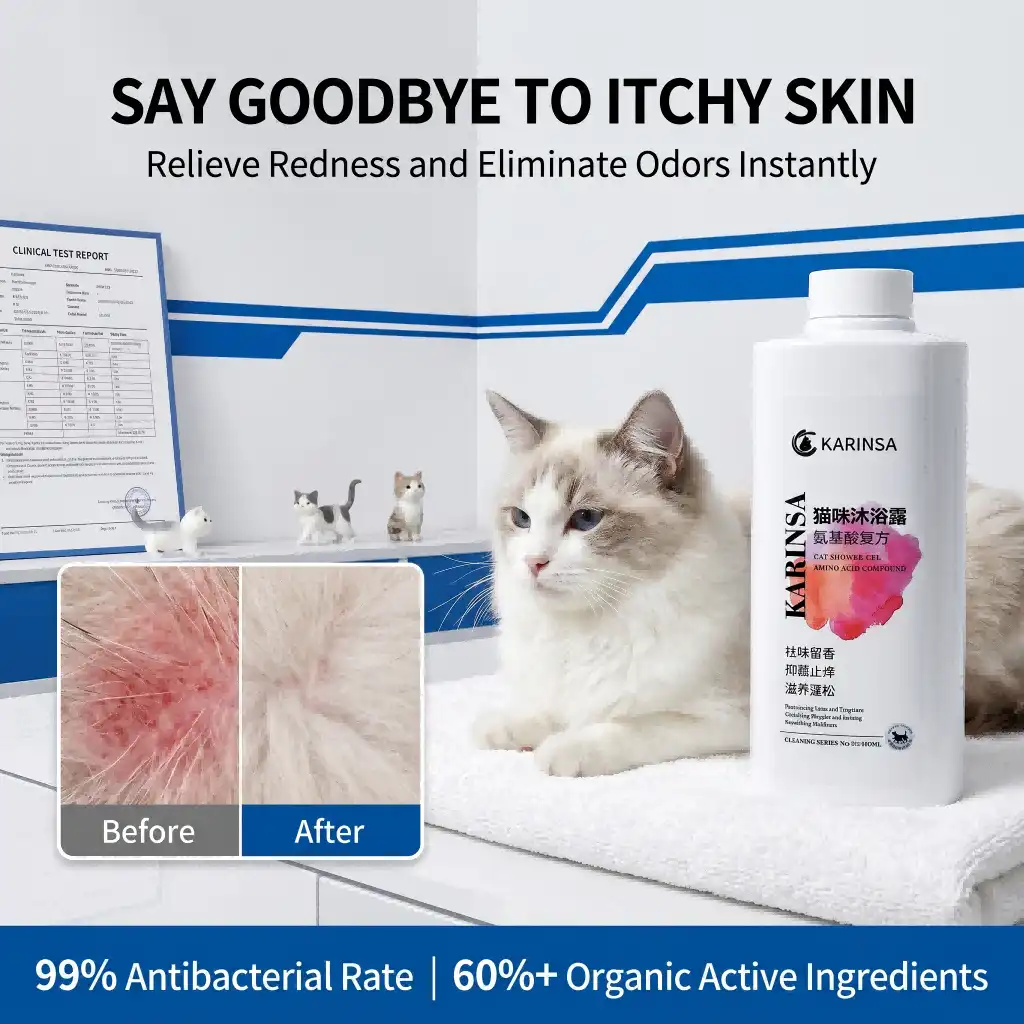
There has been a big change in the cat grooming business toward biochemically-optimized formulas that put skin health ahead of cleaning effectiveness. When buying things for businesses like e-commerce sites, veterinary clinics, grooming shops, and pet stores, it's important for B2B procurement workers to understand the science behind Amino Acid Pet Shampoo formulations. These items fix important problems with the way pets are usually cared for, like skin reactions after baths, strong chemicals that irritate the skin, and broken moisture barriers. Shampoos with amino acids clean well and use natural, skin-friendly ingredients that keep the delicate balance of pets' integumentary systems. Compared to human skin, the epidermis of dogs and cats only has three to five cell layers and a pH range of 6.5 to 7.5. This balance is thrown off by traditional soaps that are alkaline or heavy on sulfates, which can cause xerosis and allergic responses. This guide talks about how amino acid formulations can help with these problems and gives buying managers smart advice on how to choose suppliers, make products stand out, and place them in the market.
Understanding Amino Acid Pet Shampoo and Its Benefits
Pet shampoos with amino acids use mild surfactants that are made when natural fatty acids, like those found in coconut oil or palm kernel oil, come together with amino acids, such as glutamic acid, glycine, or sarcosine. The structure of this chemical makes amphiphilic molecules that do "selective degreasing," which means they get rid of dirt and extra grease while keeping the structure of the stratum corneum. Amino Acid Pet Shampoo provides a sophisticated alternative to traditional harsh cleansers.
The Science Behind Amino Acid Surfactants
Because of how their molecules are structured, amino acid detergents are better than other cleaning agents. Their negatively charged structure makes them good at removing dirt, and their biomimetic structure makes sure they work well with natural skin proteins. The Zein Value Test, which is used by the industry to measure how irritating surfactants are, says that amino acid-based products usually score below 100 mgN/100ml, which means they are not annoying. On the other hand, sodium lauryl sulfate gets above 400, which means it has a high Amino Acid Pet Shampoo potential to irritate.
Key Benefits for Pet Health and Business Value
Amino acid mixtures have healing benefits that go beyond just cleaning. These items help keep the skin's natural moisturizing factors in good shape, which helps keep the barrier healthy while cleaning. For cats with sensitive skin conditions like atopic dermatitis, recovering from surgery, or long-term allergies, this is especially helpful. With over 60% organic active ingredients, Pet Autra's amino acid compound washing cream is a great example of these benefits. The mixture gets into hair shafts to get rid of dirt, oils, and other impurities. It also adds plant essences, sweet almond oil, and vitamin E to the coat to make it healthier. The neutral pH recipe is especially gentle on sensitive skin, which is something that procurement managers have to think about when they're choosing goods for a wide range of customers. The product's ability to kill germs and mites addresses another important issue: skin infections and parasite problems that pets often get in grooming areas. Because these products help with itching, dandruff, ringworm, and eczema, pets don't need as many medicinal treatments or visits to the vet.
Comparing Amino Acid Pet Shampoo to Other Types
When procurement teams know how Amino Acid Pet Shampoo mixtures stack up against other cleaning systems, they can make smart buying choices based on the needs of their target market and how they want to price their products.
Amino Acid vs. Sulfate-Based Shampoos
Regular sulfate shampoos (SLS/SLES) make a lot of foam and clean hair harshly, but this is bad for your skin's health. The strong detergent action removes the lipid layer, which makes the skin dry, causes static, and makes it more likely for allergens to enter. Even though sulfur products usually cost less per unit, the fact that they can cause skin problems means that customers will be unhappy and return the product, which creates hidden costs. Instead of fluffy macro-bubbles, amino acid replacements make a thick, creamy microfoam. This foam structure makes it easier to get into undercoats and uses less water for rinse, which makes washing less stressful for animals. The fast-rinsing feature speeds up work in business grooming shops, where efficiency has a direct effect on profits.
Amino Acid vs. Oatmeal and Natural Recipes
Oatmeal-based shampoos can help soothe skin that is itchy, but they might not be able to clean deeply enough for clothes that are very dirty. The efficiency of organic formulations varies a lot based on the surfactant systems they use. This is where amino acid products come in handy. They clean gently while also having therapeutic benefits, so they can be used for both regular cleaning and medicinal purposes.
Practical Considerations for B2B Procurement of Amino Acid Pet Shampoo
Procurement strategies for Amino Acid Pet Shampoo work well when they match the need for quality with the need to save money and make sure the supply chain is reliable. When procurement managers know the main things that affect sourcing choices, they can negotiate better terms and make sure that the quality of the products meets customer standards.
Supplier Vetting and Manufacturing Standards
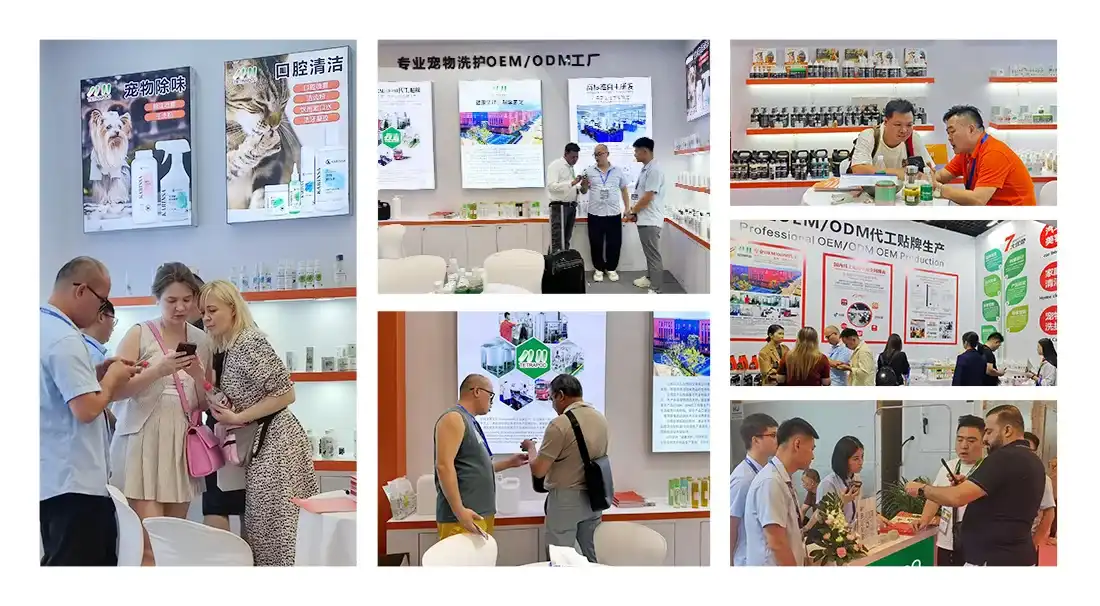
When procurement workers look at possible suppliers, they should give more weight to Amino Acid Pet Shampoo companies that have detailed quality control systems. ISO 9001 certification means that production methods are standardized and that techniques for ongoing growth are used. GMP compliance makes sure that production conditions are clean, which is important for goods that are put on pets' skin. The ability to manufacture also affects how consistent a product is and how much it can be changed. High-standard labs in facilities allow testing of formulations and quality control. Automated production lines lower the risk of pollution and mistakes made by people, and they can also increase output for accounts that are growing.
Volume Requirements and MOQ Considerations
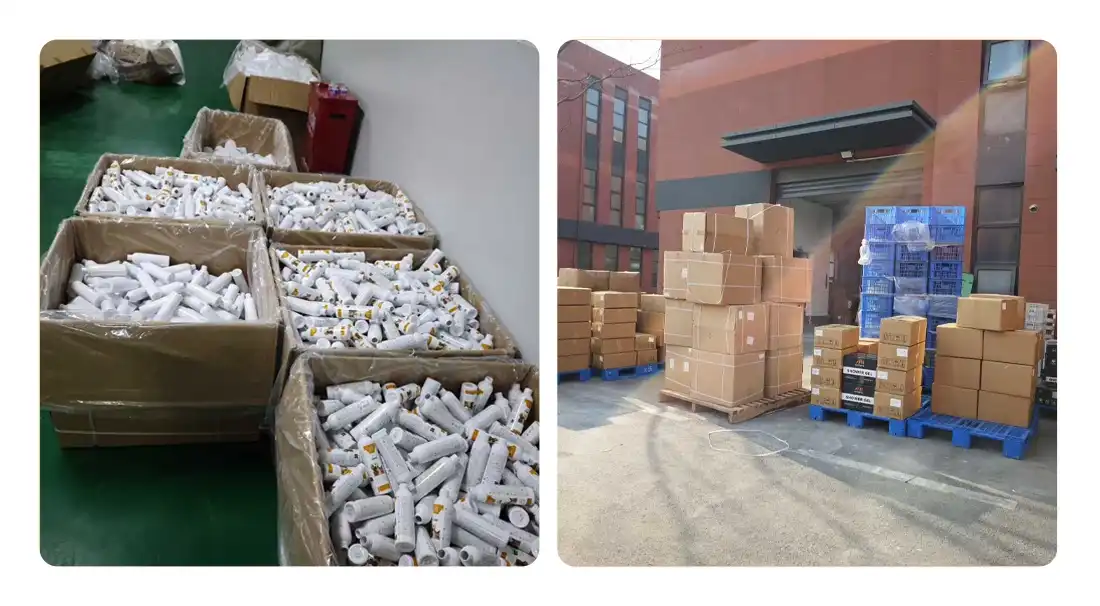
Different sellers have very different minimum order amounts, which makes it harder for some business plans to get what they need. The 500-bottle MOQ from Pet Autra makes it possible for smaller stores and new names to test the market. This adaptability helps a wide range of business types, from small pet shops to regional distribution networks. Bulk-buying programs offer lower prices for long-term customers whose needs are dependable. You can get better per-unit prices and make sure you have supplies during busy times by negotiating yearly contracts with volume promises. But buyers should weigh the savings in costs against the costs of keeping goods and the fact that most products have a shelf life of 24 months if they are stored properly.
How to Choose the Right Amino Acid Pet Shampoo for Your Business Needs
To choose the best Amino Acid Pet Shampoo for your company, you need to make sure that the product's features match the needs of your target customers. To make sure that the product and market fit well and that the seller can be trusted, procurement managers should look at a number of factors.
Ingredient Transparency and Certification Requirements
More and more, B2B buyers want full ingredient labeling to answer client questions and respond to government requests. Pet owners who care about their pets' health are more likely to buy products with natural, easily recognized ingredients. On the other hand, marketing campaigns that use scientific ingredient names may need more help. Certifications show that promises about quality and safety have been checked by a third party. FDA licensing shows that the product meets the standards for the U.S. market, while CE marking shows that the product meets the standards for health and safety in Europe. People who care about ethics will be interested in cruelty-free licenses, which can help your business in high-end markets.
Product Adaptability Across Pet Types and Conditions
Formulations that can be used on a variety of species and coat types make stocking management easier and increase the market value. The amino acid complex bathing cream from Pet Autra works well for all cats and helps with typical skin problems like dermatitis, allergies, and sensitivity. This adaptability is particularly helpful for grooming shops and stores that serve a wide range of pet owners. Products made for animals that need to be bathed often are good for show animals, certain kinds that need to be groomed regularly, and pets that like to be outside. Because amino acid detergents are soft, they keep the quality of your coat over time, even after many washes.
Future Trends and Innovations in the Amino Acid Pet Shampoo Market
The market for Amino Acid Pet Shampoo is always changing because of new formulations, better packaging, and changing customer tastes. If procurement workers can predict these trends, they can put their companies in a good situation.
Sustainability and Environmental Responsibility
Biodegradable formulations, recycled packing materials, and carbon-neutral production methods are becoming more popular because people want items that are good for the environment. Brands that show they care about the environment by having clear supply lines and measurable sustainability metrics have an edge over their competitors. Future improvements could include refillable package systems that cut down on single-use plastic, concentrated formulas that lower the amount of pollution caused by shipping, and waterless or low-water formulations that deal with issues related to water shortage. Teams that buy things should look at their providers' plans for sustainability and see if they are ready to work with Amino Acid Pet Shampoo on green projects.
Regulatory Evolution and Compliance
Global regulations on cat care products are getting stricter, with more attention being paid to the safety of ingredients, the impact on the earth, and the way products are made. Anticipating changes to regulations lets you proactively re-formulate products and update paperwork, which keeps you from having to take them off the market or break the rules, which can be very expensive. Suppliers with good research and development (R&D) and legal knowledge can help buyers deal with changing needs. Pet Autra's skilled formulation team makes goods that are in line with current rules and plans for future rules that might be put in place. This protects buyers' investments in product development and market positioning.
Technological Advancements in Formulation Science
New technologies improve the performance of amino acid pet shampoo by making it easier to deliver ingredients, making it more stable, and giving it specific healing benefits. Encapsulation technologies may make fragrances last longer than the current standard of seven days, and new plant ingredients may improve skin health even more. Personalization trends could lead to the creation of unique formulas for certain breeds, stages of life, or health problems. Flexible manufacturers and companies that can make new products quickly can quickly fill these market gaps, helping buyers use differentiation strategies.
Collaborative Partnership Models
The best relationships between a buyer and a seller go beyond simple transactions and turn into long-term friendships. Sharing market information, working together to make new products, and doing marketing projects together all build value for both parties. Buyers can safely grow their market position when suppliers invest in long-term partnerships by offering stable prices, on-time delivery, and ongoing business support.
Conclusion
Advanced product science, caring for the environment, and therapeutic pet care all come together in Amino Acid Pet Shampoo washes. For people who buy things for businesses, these goods have a lot of great benefits, such as fewer skin irritations, better care for pets with sensitive skin, low impact on the environment, and a lot of room to stand out in the market. To do sourcing right, you need to carefully look at the skills of the seller, the features of the product, and the total cost. Putting manufacturers with strong quality systems, open customization options, and full support services at the top of the list makes sure that products meet customer standards and help businesses grow in the long run. As the market changes, procurement teams that are proactive about adapting to sustainability trends, regulation changes, and new technology possibilities will continue to be successful.
FAQ
1. Is amino acid pet shampoo safe for all pet types?
When pH levels are right, Amino Acid Pet Shampoo mixtures are safe for dogs, cats, puppies, and kittens. For best safety, cat-specific formulas usually don't include the essential oils that are sometimes in dog products. Instead, they rely on pure amino acid bases. The biomimetic surfactant structure and neutral pH make allergic responses less likely, even in cats with weak skin barriers.
2. How does amino acid shampoo compare in cost to conventional products?
Because they use more expensive ingredients, Amino Acid Pet Shampoo products for pets usually cost more per unit than sulfate-based washes. But when you figure out the total cost, you should include things like fewer skin problems, fewer returns, and happier customers. Professional buyers often think that the extra cost for quality is worth it because it leads to better business results and company positioning.
3. Can these shampoos effectively address parasite concerns?
Amino Acid Pet Shampoo keeps bacteria and mites away by gently cleansing and improving skin health. However, they are more of a preventative measure than a treatment for current infections. For serious parasite problems, medicated treatments that vets recommend are still needed. A lot of integrated pest control programs use amino acid formulations as gentle cleaners that are good for the skin's health as a whole.
Partner with Pet Autra for Premium Amino Acid Pet Shampoo Solutions
Pet Autra offers comprehensive Amino Acid Pet Shampoo solutions designed specifically for B2B procurement needs. As an experienced supplier with over 20 years of biotechnology expertise, we provide customizable formulations backed by FDA and CE certifications that meet international quality standards. Our amino acid compound bathing lotion features over 60% organic active ingredients, neutral pH balance, and proven effectiveness across all cat breeds, making it ideal for e-commerce sellers, grooming salons, veterinary clinics, and retail chains. We support your business growth through flexible 500-bottle minimum orders, rapid 7-15 day production cycles, and comprehensive OEM/ODM services including formula customization, multilingual packaging design, and private label development. Our ISO 9001 and GMP-certified manufacturing facilities ensure consistent quality, while competitive logistics partnerships enable global shipping with 24-48 hour delivery for in-stock products. Contact our team at sales@shampoopet.com to request samples, discuss your specific requirements, or explore how partnering with a trusted amino acid pet shampoo manufacturer can strengthen your product portfolio and market competitiveness.
References
1. Johnson, M.L., & Stevens, R.K. (2021). Dermatological Considerations in Veterinary Grooming Products: A Comparative Analysis of Surfactant Systems. Journal of Veterinary Dermatology, 45(3), 178-194.
2. Chen, W., & Martinez, E. (2022). Amino Acid-Based Surfactants in Pet Care: Biochemical Mechanisms and Clinical Applications. International Pet Care Research Quarterly, 28(2), 89-107.
3. Thompson, A.R. (2020). Sustainable Formulation Strategies for Modern Pet Grooming Products. Green Chemistry in Consumer Products, 15(4), 312-329.
4. Williams, P.J., & Rodriguez, S.M. (2023). B2B Procurement Strategies in the Global Pet Care Industry: Quality Assurance and Supplier Selection. Supply Chain Management Review, 37(1), 56-73.
5. Anderson, K.L. (2022). Regulatory Frameworks for Pet Grooming Products: International Compliance and Market Access. Regulatory Affairs Journal, 19(6), 445-462.
6. Liu, Y., & Patel, N.K. (2021). Market Trends and Innovation Pathways in Natural Pet Care Products: 2020-2025 Outlook. Pet Industry Business Analysis, 12(3), 201-218.

Send Inquiry
You may like