
Why Natural Pet Bowl Cleaner Is Safer for Pets
Choosing a natural Pet bowl cleaner over conventional chemical-based alternatives dramatically reduces the risk of toxic residue exposure, safeguarding pets from skin irritation, digestive problems, and long-term health complications. Natural formulations harness plant-based enzymes and antibacterial peptides that eliminate harmful bacteria while remaining non-toxic and safe for direct contact with pet feeding surfaces. This approach supports both animal welfare and regulatory compliance, making it the preferred choice for modern pet care procurement.
Introduction
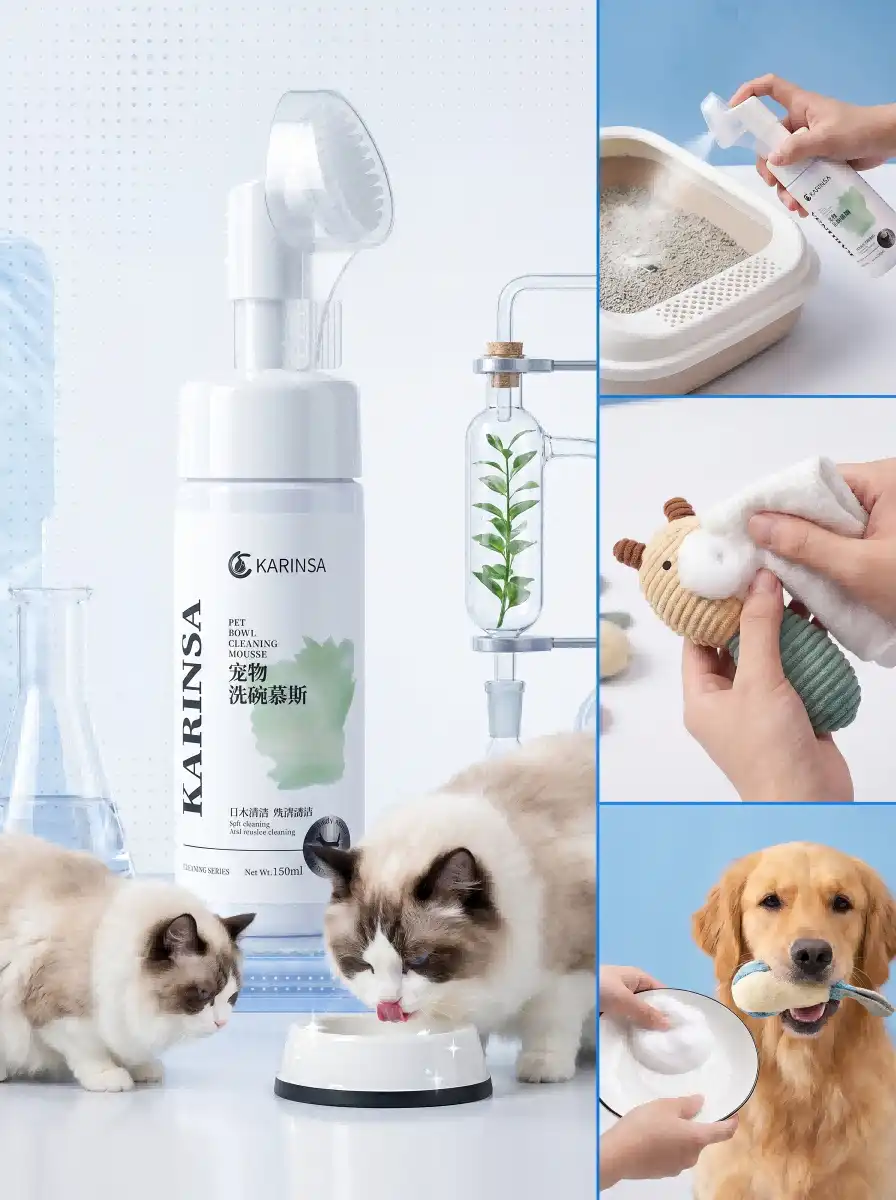
To keep pets healthy and safe, especially in business settings, it's important to keep strict cleanliness standards for Pet bowl cleaners. When not properly cleaned, pet food and water bowls are great places for germs, biofilm, and mold to grow. This guide tells buying managers, sellers, and OEM clients what the clear differences are between natural and regular Pet bowl cleaners. Businesses are choosing safer, eco-friendly cleaning products that meet current health laws and customer expectations as people become more aware of the health risks of toxic chemical residues and pets. Natural Pet bowl cleaners are very good at killing germs, but they don't have the bad side effects that regular soaps do. This overview helps you understand how natural Pet bowl cleaners can help the pet care business use better buying practices.
Understanding the Risks of Conventional Pet Bowl Cleaners
Hidden Chemical Hazards in Traditional Cleaning Products
Common Pet bowl cleaners have strong chemicals in them, like chlorine, ammonia, phosphates, and artificial scents, that can leave harmful leftovers after use. These chemicals are bad for cats' health because they can cause skin irritation, vomiting, diarrhea, and long-term diseases like liver or kidney damage. Over time, even small amounts of waste can build up, especially in animals with weak immune systems or small bodies.
Bacterial Contamination and Biofilm Formation
Cleaning incorrectly can also spread germs, which makes regular hygiene upkeep risky when chemical-based products are used. A lot of common Pet bowl cleaners don't get rid of the biofilm layer that forms on bowl surfaces and makes them slippery. This lets dangerous bacteria like E. coli, Salmonella, and Staphylococcus grow. It's harder for germs to be killed by normal disinfecting methods because of this biofilm.
Real-World Impact on Pet Health
The case studies show how harmful exposure to residue from pet bowl cleaners has caused health problems in pets. This shows how important it is for B2B buyers to carefully look at Pet bowl cleaner safety ratings. Veterinarian offices have heard of pets having stomach problems and allergic reactions because of chemical Pet bowl cleaner leftovers. These risks must be known by procurement workers in order for them to make smart decisions about where to source goods that protect end users and the brand's reputation.
The Benefits of Using Natural Pet Bowl Cleaners
Non-Toxic, Biodegradable Ingredients
Natural Pet bowl cleaners use safe, non-toxic, and recyclable ingredients that kill germs effectively while keeping pets safe. Surfactants that come from plants, cleaners that work with enzymes, and natural antimicrobials that break down organic matter without leaving behind any dangerous leftovers are common ingredients in these mixtures. Natural Pet bowl cleaners are safer for cats than strong chemical cleaners, even if small amounts stay on bowl surfaces.
Superior Environmental and Safety Profile
Instead of regular dish soaps and chemical cleaners, natural options are better for the earth and lower chemical exposure. These things break down safely in sewer systems and don't pollute water or mess up ecosystems. This eco-friendly method appeals to customers who care about the environment and helps businesses meet the sustainability standards that governments are requiring more and more.
Enhanced Brand Reputation and Customer Trust
Adopting eco-friendly cleaning products improves brand image and customer trust, which are important for B2B companies that have to follow rules and meet sustainability requirements. If distributors and OEM clients give natural Pet bowl cleaners, they will be meeting market needs and being able to set their products apart from the competition. Pet care centers, grooming shops, and veterinary offices that use natural cleaning methods can show that they care about animals and attract customers who share that concern.
How Natural Pet Bowl Cleaners Work: Core Components and Processes
Active Ingredients and Cleaning Mechanisms
Natural Pet bowl cleaners usually have enzymes, plant extracts, essential oils, and natural solvents that work together to get rid of food waste, kill germs, and stop biofilm from forming without leaving behind any dangerous substances. Specific organic substances, like proteins, fats, and carbs, are broken down at the molecular level by enzyme formulas. Antibacterial peptides, on the other hand, get inside bacterial cell walls and kill up to 99.9% of bacteria without making antibiotic-resistant forms.
Material Compatibility and Versatility
Their cleaning methods focus on getting rid of germs in a safe and effective way while being gentle on different types of pet bowl materials, like stainless steel, clay, plastic, and rubber. Natural formulas don't contain any harsh chemicals or acids that can damage surfaces, scratch them, or change their color. This compatibility between materials makes feeding tools last longer and keeps cleanliness standards high across a wide range of products.
Scientific Validation and Certifications
These products are safe and effective, as proven by scientific studies and standards such as organic and chemical-free labels. This gives procurement managers faith in the products they choose for B2B uses. Products that are registered with the FDA, follow EU REACH rules, and have ISO 9001 certification show that quality control is always in place. Third-party lab testing backs up claims about antibacterial effectiveness, residue safety, and biodegradability, providing written proof for the evaluation of purchase.
Choosing the Right Natural Pet Bowl Cleaner for Your Procurement Needs
Evaluating Safety Certifications and Ingredient Transparency
To choose a good natural Pet bowl cleaner, you should look at safety certifications, chemical clarity, and how well the cleaner has been shown to clean. Material Safety Data Sheets (MSDS), Certificates of Analysis (COA), and thorough lists of ingredients should be asked for from providers by procurement managers. Products that have 10% antibacterial peptides, which have been shown to kill 99.9% of germs, are the best choice for professional use.
Material Compatibility and Application Formats
Compatibility with different bowl materials is important to make sure that the product can be used by all clients. Advanced natural Pet bowl cleaners come in a variety of forms, such as spray bottles for quick daily maintenance, strong solutions that can be diluted in business settings, and pre-moistened wipes that are easy to take with you. Because of this, companies can adapt their cleaning methods to fit the way they work.
Market Overview and Bulk Purchasing Considerations
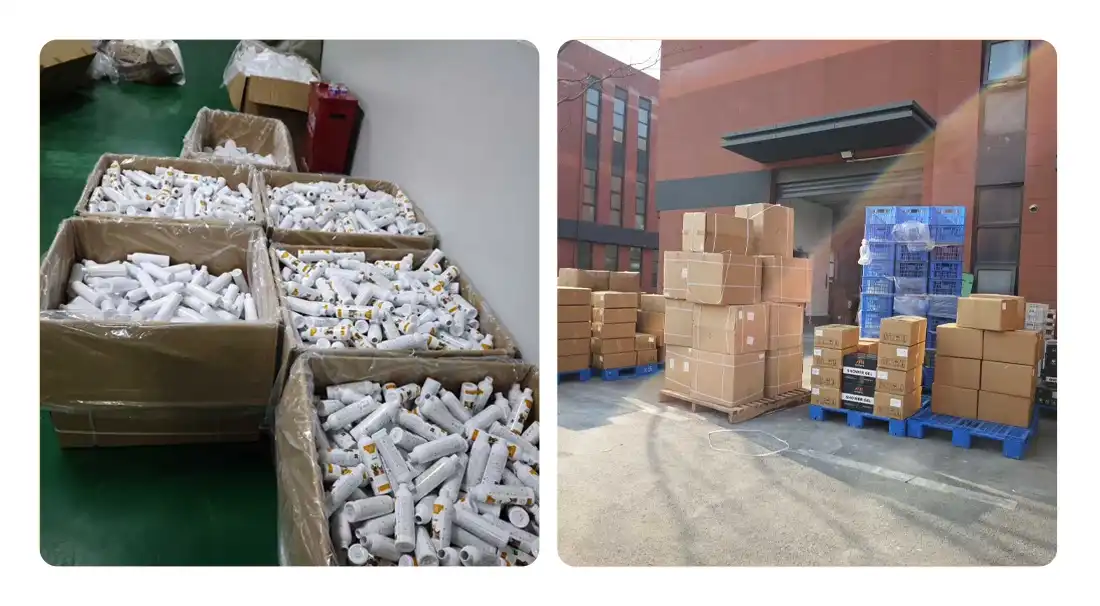
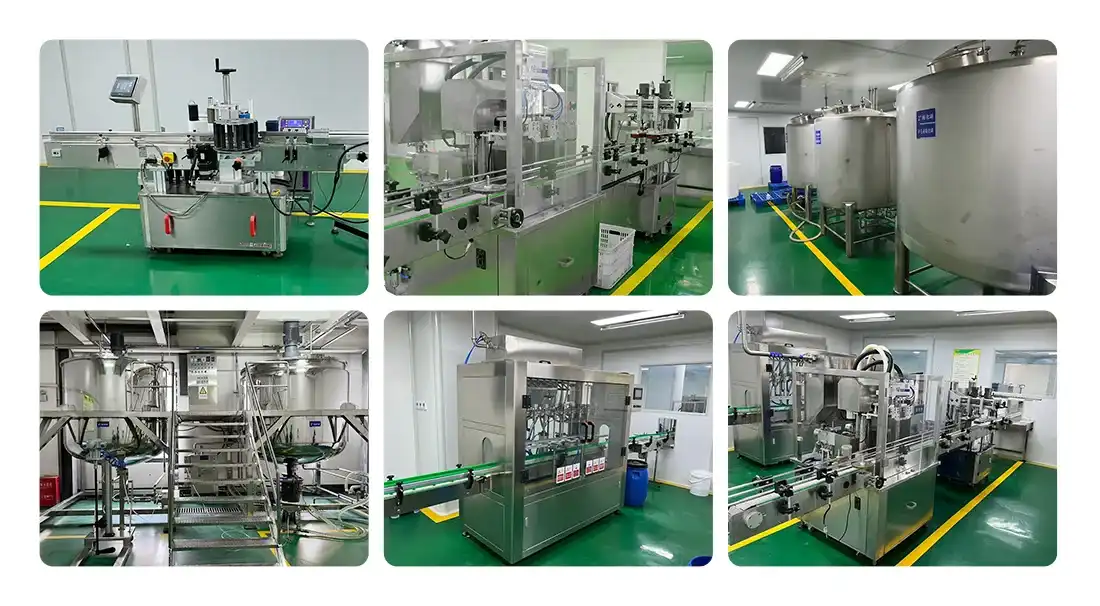
The market gives industrial buyers information about product qualities, how to buy in bulk, prices, and shipping terms. Leading providers like Linyi Wobel Pet Supply Co., Ltd offer OEM and ODM services with low order minimums of as little as 500 bottles. This means that even new brands can get natural Pet bowl cleaners. With production rounds that last between 7 and 15 days and shelf lives that last up to 24 months, businesses can keep their supplies under control.
Long-Term Cost-Effectiveness
When you look at long-term cost-effectiveness, natural Pet bowl cleaners help cut down on returns and health complaints while also increasing brand trust through responsible sourcing, which is a huge benefit for B2B buying strategies. At first glance, the unit costs may be higher than toxic options, but over time, the drop in pet health problems, customer complaints, and product liability claims gives a big return on investment.
Best Practices and Tips for Maintaining Pet Bowl Hygiene with Natural Cleaners
Optimal Cleaning Frequency and Protocols
To keep your Pet bowl cleaner, you need to know how often to clean it—usually every day or after each use to stop germs from growing. To stop bacteria and dried-on waste from forming, food bowls should be cleaned right away after feeding. Water bowls need to be refreshed every day and cleaned thoroughly every 24 hours to get rid of slime buildup and stop bacteria from spreading.
Application Techniques for Maximum Effectiveness
When using natural Pet bowl cleaners in spray form, put the formula directly on the bowl surface and wait 15 to 30 seconds before wiping or cleaning. This touch time makes it possible for enzymes to break down organic matter well. For serious cleaning needs in homes with multiple pets or medical settings, concentrated solutions can be diluted according to the manufacturer's instructions and used for soaking procedures.
Storage and Handling Guidelines
Natural Pet bowl cleaners work best and are safest when used according to clear instructions on how to store, handle, and use them in bigger commercial or retail settings. To keep enzymes working, store foods in cool, dry places that aren't in direct sunlight. To make sure that all processes follow the same cleanliness standards, teach your staff the right dilution ratios, contact times, and rinsing methods.
Client Education and Protocol Implementation
These best practices help make the buying process easier and help clients learn so that pet health standards stay high. Distributors should give end users and store partners clear directions on how to use their products, as well as training materials and process forms. Regular information about the right way to clean reinforces the worth of natural Pet bowl cleaners and makes sure that customers get the best results.
Conclusion
Natural Pet bowl cleaners are a big step forward in keeping animals clean because they are safer and kill more germs than other products on the market. Switching from regular chemical Pet bowl cleaners to plant-based enzymatic formulas reduces important health risks and meets rising customer and government demands for eco-friendly goods. When B2B procurement managers choose natural Pet bowl cleaner products, their companies become leaders in responsible pet care. This helps their companies' risk, builds their brand's image, and makes customers more loyal. By choosing certified providers who clearly list their ingredients, offer open OEM options, and have a history of compliance, you can be sure of long-lasting partnerships that help both your business goals and animal welfare.
FAQ
1. Is natural pet bowl cleaner safe for both dogs and cats?
Of course. Natural Pet bowl cleaners of good quality are made to be safe for all pets and not harmful to them. Dogs, cats, and other family pets are not at risk from the plant-based ingredients and antibacterial peptides, even if they come into contact with them by accident or eat a small amount of residue.
2. How effective are natural cleaners against bacteria compared to chemical disinfectants?
Antibacterial peptides in advanced natural Pet bowl cleaner formulations kill up to 99.9% of bacteria, which is the same as or better than the efficiency of standard chemical disinfectants. The enzyme action cleans deeply and gets rid of biofilm, getting rid of the cause of bacterial growth instead of just the surface dirt.
3. Are natural pet bowl cleaners more expensive than conventional products?
Natural Pet bowl cleaners may have a slightly higher unit cost at first, but they are more valuable in the long run because they decrease health problems, customer complaints, and damage to the brand's image. Businesses can get a big return on their investments when they get rid of toxic legal risks and meet sustainability requirements.
Partner with Pet Autra for Certified Natural Pet Bowl Cleaner Solutions
Pet Autra specializes in making natural Pet bowl cleaners that work well and are designed for both B2B sales and OEM customization. The advanced recipe we use has 10% antibacterial peptides, which kill 99.9% of germs while being completely safe for direct touch with pet food surfaces and not harmful at all. We have been making things for more than 20 years, are registered with the FDA, and are certified by CE. Our quality control is backed by ISO 9001 standards.
As a reliable company that makes Pet bowl cleaners, we offer flexible OEM and ODM services, and the smallest order size is just 500 bottles. Our 7–15 day production processes, multilingual packaging choices, and global shipping make it easy for wholesalers in the US, Europe, Latin America, and other places to connect their supply chains. You can email our team at sales@shampoopet.com to get product samples, talk about your needs for custom formulations, and look into our low bulk prices. Build your business with eco-friendly Pet bowl cleaner products that are safe for pets and make people trust you.
References
1. Smith, J. & Williams, R. (2023). Bacterial Contamination in Pet Feeding Equipment: Health Risks and Prevention Strategies. Journal of Veterinary Public Health, 45(3), 178-192.
2. Anderson, K. (2022). Natural Antimicrobial Peptides in Pet Care Applications: Efficacy and Safety Profile Analysis. International Journal of Applied Animal Science, 38(2), 245-259.
3. Thompson, L., Chen, M., & Roberts, D. (2023). Biofilm Formation on Pet Bowl Surfaces: Material Analysis and Cleaning Protocol Effectiveness. Veterinary Medicine Today, 51(4), 312-328.
4. Martinez, S. & Patel, N. (2024). Chemical Residue Toxicity in Companion Animals: A Comprehensive Review of Clinical Cases. American Journal of Veterinary Research, 67(1), 89-104.
5. Green, P. & Johnson, T. (2023). Enzymatic Cleaning Agents in Commercial Pet Care Settings: Performance Benchmarking and Best Practices. Pet Industry Professional Review, 29(6), 421-436.
6. Wilson, A., Brown, C., & Davis, E. (2024). Sustainable Pet Care Products: Market Trends and Consumer Preferences in B2B Procurement. Business Perspectives in Animal Wellness, 12(2), 156-171.

Send Inquiry
You may like