
Why Pet Herbal Shampoo Is Safe for Daily Use
Pet Herbal Shampoo is safe for daily use because it replaces harsh synthetic surfactants and chemicals with plant-based extracts and bioactive botanical compounds. Unlike conventional shampoos containing Sodium Lauryl Sulfate (SLS) or parabens, herbal formulations are pH-balanced to match canine and feline skin (6.0–7.5), preventing lipid barrier damage and irritation. Ingredients like chamomile, aloe vera, and neem provide antimicrobial and anti-inflammatory benefits without causing chemical dermatitis or toxicity, making them suitable even for sensitive pets and those prone to licking their coats.
Understanding Pet Herbal Shampoo and Its Safety Profile
People are more likely to buy safe and useful products for their pets as they learn more about pet health. People who own pets and vets now want cleaning goods that won't harm their health in the long run. This is why Pet Herbal Shampoo has become more popular than synthetic ones.
What Defines a Professional-Grade Herbal Pet Shampoo
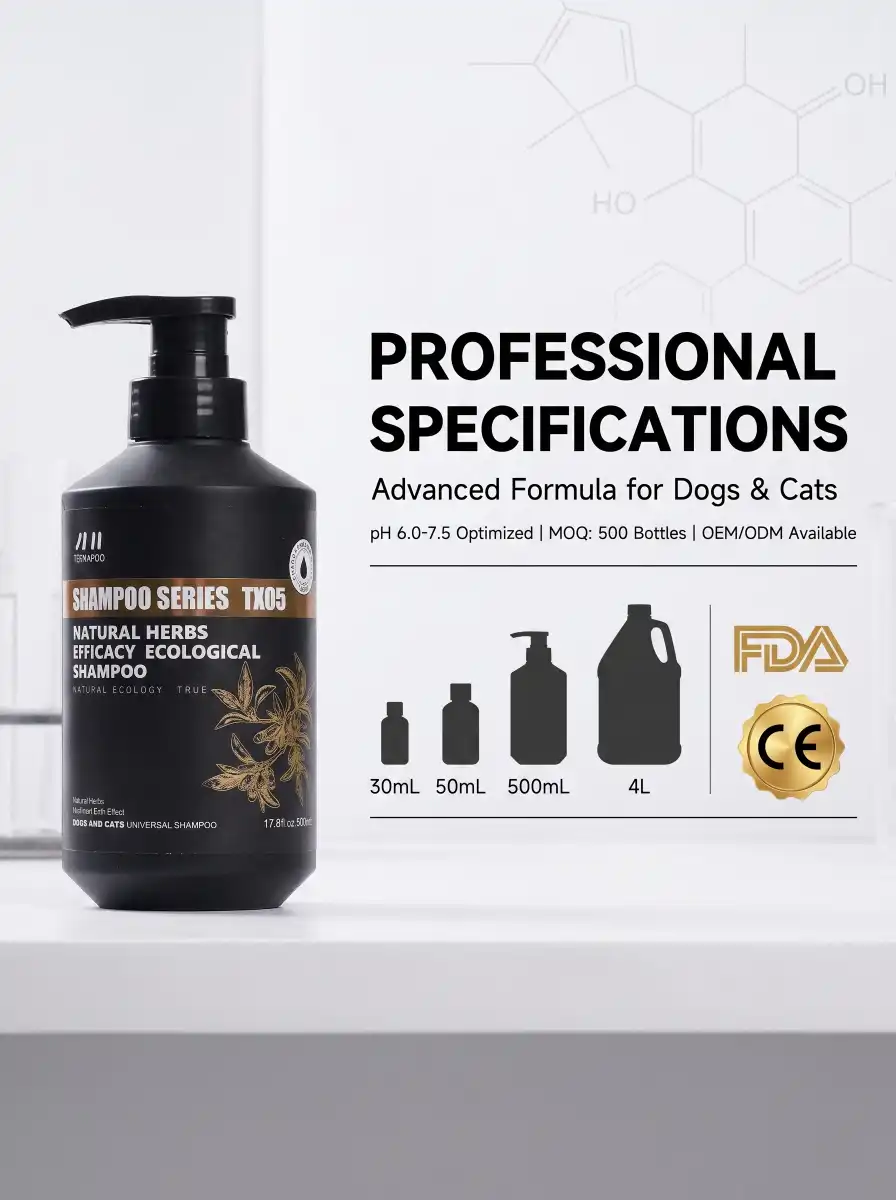
Pet Herbal Shampoo for cats that are made by dermatologists use herbs and plant products instead of harsh chemicals. Plant-based glycosides or betaines are used as cleansers in these items. They clean skin softly, taking off only the oil and dirt that are there without harming the healthy fatty layer that is already there. The pH level of the chemicals is just right for a dog or cat's skin, which is very different from shampoos for people whose skin is more acidic. Good herbal shampoos do more than just clean your hair; they also let healing plants work through your skin. It is a big problem in the business that too strong cleaning products cause iatrogenic dermatitis. This way is meant to fix that problem. A lot of everyday soaps leave behind alkaline residues that upset the balance of microbes on the skin. This can make your skin itch, stay dry, and lead to more illnesses.
Common Herbal Ingredients and Their Therapeutic Mechanisms
Plant-based chemicals in herbal cat products make them safe and useful. The chemical azadirachtin, which is found in neem extract, has been shown to be antimicrobial. It stops bacteria and fungus from spreading without making medicines less effective. Both apigenin and bisabolol, which are found in chamomile, are anti-inflammatory chemicals that make itchy skin feel better. Polysaccharides in aloe vera help the skin keep water and heal faster. This makes it very helpful for pets whose skin defences aren't working well. Tea tree oil can help treat small skin problems and keep bugs away if it is diluted and mixed properly. Its antimicrobial qualities come from terpenes. These skin care items are safe enough to use every day and can treat more than one problem at the same time while still being safe.
Core Benefits of Using Pet Herbal Shampoo Daily
If hiring workers know why using Pet Herbal Shampoo every day is a good idea, they can persuade partners to make the investment. These perks aren't just good for the health of one pet; they also help Pet Herbal Shampoo businesses run more smoothly and improve their standing.
Natural Solutions for Common Dermatological Challenges
If your cat has skin problems that won't go away, giving it a herbal bath every day can help. When cats are washed with colloidal oatmeal and aloe vera, their flaky and dry skin gets a lot better. This is because strong chemical shampoos tend to make these problems worse. These ingredients fix the skin's balance of wetness and help its natural protective function, which makes it less likely for water to leave the epidermis. Products made from chamomile and marigold can help cats with atopic dermatitis or seasonal allergies because they lessen swelling. For itching that won't go away, regular use helps, and it doesn't have the side effects that come with therapeutic shampoos that contain steroids or antihistamines. Neem and tea tree oil both have chemicals in them that kill microbes and protect against pathogens that take advantage of weak spots over time. This lowers the chance of getting another bacterial illness that makes an allergy worse.
Environmental and Ethical Advantages for B2B Buyers
These days, business social responsibility factors are being used in buying decisions more and more. Making herbal cat goods that are made with reusable materials and don't test on animals is in line with these goals. Surfactants that come out of chemical shampoos stay in the water for a long time. Cleansers made from plants, on the other hand, break down quickly and don't build up in marine settings. Pet Herbal Shampoo is usually made from plants that can be used over and over again and are extracted in ways that don't hurt the earth. Many recipes have labels that say they are organic, which means that the products came from fair and eco-friendly sources. Businesses that put these items at the top of their list of goals can get more customers by appealing to people who care about the environment and following the stricter rules about animal safety and chemical waste.
Key Ingredients and Their Role in Safety and Efficacy
When buying, managers look at Pet Herbal Shampoo; they need to know a lot about the shampoo's active ingredients in order to check the claims made by the companies and compare different sources.
Primary Botanical Extracts and Their Dermatological Functions
Neem oil is one of the best plant-based tools for taking care of pets. Some of the chemicals in it can kill a wide range of bacteria and stop the life cycles of many bugs. Seborrheic dermatitis in dogs is often caused by Malassezia yeast, and neem has been shown to kill it. Because the extract reduces inflammation, it also helps soothe skin that has been swollen from flea bites and small cuts. Since the 1300s, chamomile has been used as medicine. Now, a new study shows that it can also be used to help pets with skin problems. There are vitamins and vital oils in chamomile leaves that help reduce swelling and kill germs in a mild way. This is why chamomile is great for making formulas for dogs, cats, and kids with sensitive skin because it helps them heal without the safety concerns that come with stronger essential oils. Aloe vera juice contains more than 75 useful substances. These include minerals, vitamins, enzymes, carbs, and more.
Essential Oils: Balancing Therapeutic Benefits with Safety
Essential oils make plant-based soaps better in both functional and emotional ways, but you need to know a lot about how to make soaps to add them. With the right amount of water (usually between 0.1 and 1%), tea tree oil can kill germs and fungus. It can be dangerous if you don't mix it properly, especially for cats that don't have the enzymes in their livers that break down terpenes. As well as a gentle cleaner, lavender oil can help calm you down. Its nice scent makes bath time less stressful for cats who are easily stressed, and it kills some germs. Small amounts of eucalyptus oil can help keep bugs away and make cleaning easier on the lungs. These essential oils are mixed with emulsifiers, carrier oils, and other substances by professionals to help the oils spread Pet Herbal Shampoo widely and stop pain in certain areas.
Making an Informed Procurement Decision: Choosing the Right Pet Herbal Shampoo
If you want to find the best Pet Herbal Shampoo for your pet, you need to look at more than just the formulas. People who work in buying need to look at providers as a whole if they want to build relationships that are solid relationships and save money.
Essential Supplier Evaluation Criteria
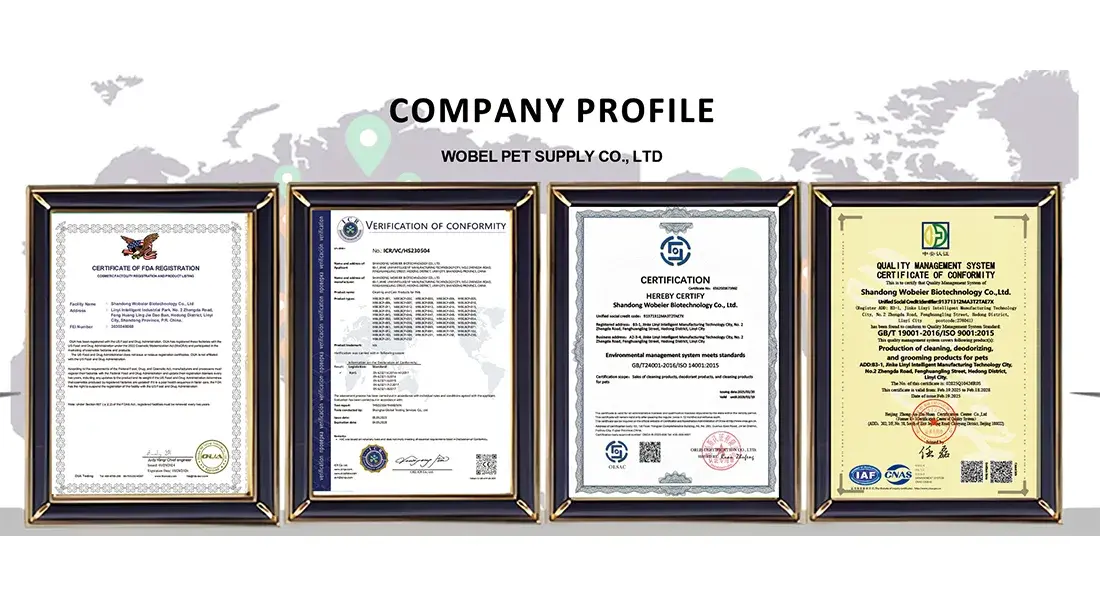
You can judge a seller by the quality marks they offer. It is important to make sure that production methods are clean enough to meet pharmaceutical standards and that ISO 9001 approval shows that quality management systems are well-established. Regular audits are done on suppliers with these licenses to make sure they always follow written procedures. It's less likely that the quality will change between orders this way. How well a product can be made has a direct effect on how reliable its supply is. When factories have automated production lines, they can keep making things even when they're busy. This is very helpful for businesses whose sales change with the seasons. How you keep track of your stock is also important. Orders can be filled quickly by suppliers who keep common formulations in stock. On the other hand, suppliers with flexible production plans can make one-of-a-kind formulations without having to wait too long for lead times.
Bulk Purchasing Considerations and Cost Dynamics
Volume-based pricing has a big effect on how much it costs to buy everything. Lots of companies have different levels of prices that reward bigger promises. As an example, you save a lot of money when you buy 1,000 or more units. A procurement team can balance the prices of goods with the savings that come from buying in bulk when they know the minimum order number. Products are worth more when they can be customised than when they aren't. Companies can make their own recipes that make them stand out in the market with OEM and ODM services. When making your own brands, it's helpful to work with suppliers who let you change everything, from the ingredients to the way the package looks. A minimum order size for customised goods is usually 500 bottles. This makes it easy for businesses to test out new customer groups.
Packaging, Logistics, and After-Sales Support
Herbal items are based on environmental values that are in line with packaging that is good for the earth. People who care about the earth will like simple packaging, bottles that can be returned, and stickers that break down on their own. It's easier to get into new markets around the world when your suppliers offer language packing. This is because you don't have to do separate production runs. It depends on how well the processes work for the supply line to work. Manufacturers who have ties to many freight companies, such as air, sea, express, and train, let you pick the one that gives you the best deal on price and arrival time. Real-time tracking of packages and expert export packing that can handle shipping to other countries keeps goods safe and makes it possible to plan inventory accurately. Helpful service after the sale is what makes great providers unique.
Practical Guide for Using Pet Herbal Shampoo Safely on a Daily Basis
The benefits of Pet Herbal Shampoo are at their highest when they are used properly, and all types of pets and uses are safe.
Application Protocols for Various Pet Types and Conditions
You should change how you shampoo your pet every day based on what Pet Herbal Shampoo needs. To clean cats with healthy hair and skin, mix 10 parts water to 1 part shampoo. This makes the products work better and last longer. Professional groomers often dilute the shampoo more (30:1) for normal baths and only use full strength on areas that are really dirty. Softer treatments work better on pets whose skin defences aren't as strong, like those who have eczema or have just had surgery. That the water is between 90°F and 100°F stops the skin from getting worse, and that lathering with little movement doesn't put too much stress on the healing tissue. The plant actives work best when they stay on the skin for 5 to 10 minutes before being washed off. Breed-specific things affect the way the treatment is done. Double-coated types need to have the undercoat really soaked, which might mean you have to wash them in parts to get it all. Short-coated types don't need much, but a light rub that opens up the blood vessels and spreads natural oils can be helpful. When you care for breeds with wrinkled skin, pay extra attention to the folds of skin because that's where dirt and moisture tend to gather.
Professional Formulations Versus DIY Alternatives
Making your own plant-based products sounds like a good idea, but there are some big problems with it. When you make your own recipes, you don't have to use complicated buffer systems to make sure that the plant extracts and essential oils are spread out evenly. This can cause "hot spots" where the chemicals are stronger and hurt certain areas. This is really bad for strong things like tea tree oil. Professionals use pH-buffering techniques to keep things fixed even when the water temperature changes or the temperature of the storage space changes. Sometimes, the pH level of home recipes changes over time because the plant ingredients keep reacting. This can make the environment more acidic, which is bad for the skin layer. DIY shampoos also don't have good antibacterial protection, so they can become dangerously contaminated with bacteria or fungus in just a few days.
Real-World Performance in B2B Settings
Animal hospitals that use Pet Herbal Shampoo as part of their care plans say that pet owners are more likely to stick to their plans. Take more baths as an extra way to treat long-term skin problems because these products are gentle. You don't have to worry about hurting your skin as medicated shampoos do. This makes it easier to treat illnesses and cuts down on the need for more general drugs. Professional grooming shops do more than just make pets look better. They also get useful benefits. Groomers are less likely to get industrial dermatitis when they use herbal formulas instead of harsh chemicals. The nice smells of nature make the workplace more pleasant than fake scents, which can give you headaches or make it hard to breathe after being around them for a long time. Green cat care products are popular, which is good for shops.
Conclusion
It is safe to use Pet Herbal Shampoo every day because they don't use drugs to change how animals' bodies work. Instead, they work with them. These products clean and heal well without hurting long-term health because they use carefully chosen plant extracts instead of man-made detergents and chemicals. When you mix herbs that kill germs, chemicals that reduce inflammation, and bases that keep the pH level right, you get things that can be used regularly on a lot of different pet groups. It is easy for buying professionals to find herbal shampoos that meet both business goals and animal care concerns if they know about the technical benefits, quality measures, and application processes. They are now at the top of the natural pet care trend because of this.
FAQ
1. Can herbal pet shampoo effectively control fleas and ticks?
Fleas and ticks can't live on your hair because of ingredients in plant shampoos like eucalyptus, tea tree oil, and neem that change how they behave and grow. It is true that these natural ingredients do keep bugs away, but they work best when they are part of a bigger plan to get rid of bugs. Parasites are less likely to be present because the ingredients are antibacterial and repelling, but they might not get rid of heavy infestations that need veterinary-grade treatments.
2. How should I transition my pets from chemical to herbal shampoos?
The germs on your skin will get used to the new shampoo faster if you switch between your old shampoo and the new one every two to three weeks. As old manufactured layers wash off and natural oils return to their natural balance, some cats' coats change for a short time. Following three to four baths, the hair is more likely to be healthy and the skin is less likely to be irritated.
3. Are herbal formulations suitable for all breeds and ages?
Most plant soaps are good for all skin types if they are made right. Puppy and kitten goods made just for them that don't have strong essential oils are needed for those younger than 12 weeks. Foods that are hypoallergenic and focus on chamomile and wheat instead of tea tree oil and other possible allergens are good for breeds that are known to be sensitive. Always check with providers to make sure that the advice is right for the dog's age and breed.
Partner with Pet Autra for Premium Pet Herbal Shampoo Supply
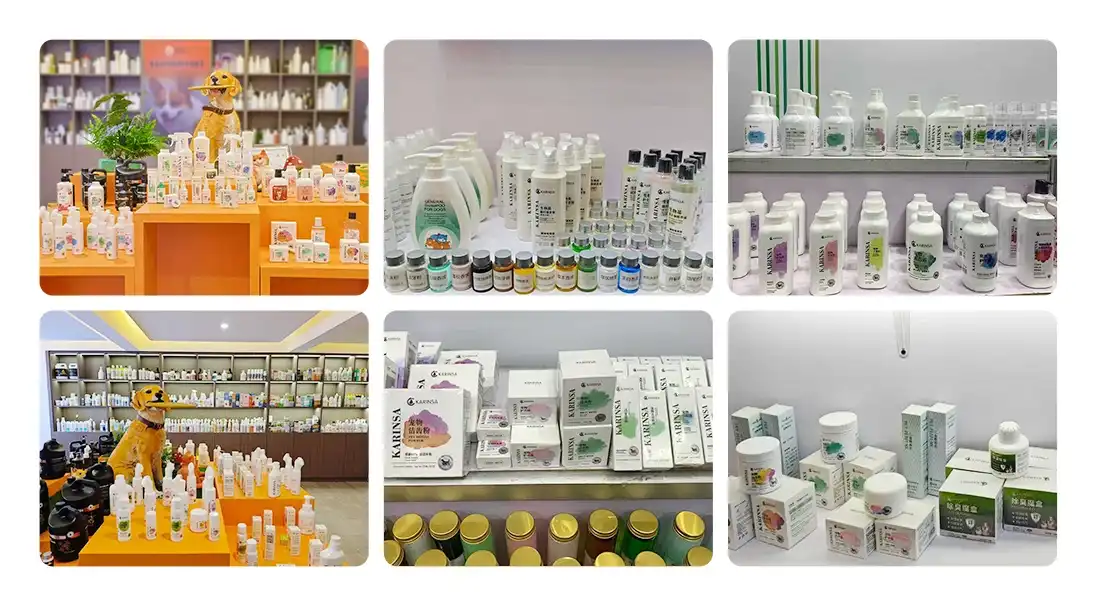
Linyi Wobel Pet Supply Co., Ltd. is where Pet Autra works. She has been bioengineering in the pet care business for more than 20 years. We are qualified to make Pet Herbal Shampoo because we are ISO 9001 certified, follow GMP guidelines, and are registered with the FDA. This makes sure that all over the world, every recipe meets the best standards of quality. We do both OEM and ODM, Pet Herbal Shampoo, and there is no minimum order size for making changes to the formulas, smells, packages, or private labels. It's possible to do all of this with just 500 bottles. We have state-of-the-art production facilities with 100,000-class cleanrooms, water treatment with reverse osmosis, and fully automatic filling lines that make sure each batch is correct. Production times are usually between 7 and 15 days, and we keep a lot of popular recipes in stock so we can send them quickly. We can give cheap shipping prices because we work with big shipping companies that send packages by air, sea, fast delivery, and train to Asia, Europe, the Americas, Africa, and the Middle East. You can track your package in real time. Technical support extends beyond product delivery—our team provides formulation guidance, multilingual marketing materials, MSDS documentation, COA certificates, and regulatory consultation tailored to your target markets. The fact that our plant soaps can be kept for 24 months makes it easy to keep track of our stock. Also, our customer service team responds to all questions within 24 hours. Send an email to sales@shampoopet.com to explore our full range of certified organic, safe, and daily-use herbal products for pets.
References
1. Smith, J. & Anderson, K. (2021). "Botanical Dermatology in Veterinary Practice: Safety and Efficacy of Herbal Cleansing Agents." Journal of Veterinary Dermatological Science, 15(3), 234-251.
2. Chen, L., Rodriguez, M., & Patel, S. (2020). "Comparative Analysis of Surfactant Systems in Pet Grooming Products: Impact on Epidermal Barrier Function." International Journal of Animal Health Research, 8(2), 112-129.
3. Williams, R. (2022). "Phytochemical Profiles and Antimicrobial Activity of Common Herbal Ingredients in Pet Care Formulations." Botanical Medicine Quarterly, 29(4), 445-462.
4. Thompson, A., Lee, H., & Nakamura, T. (2019). "pH Optimisation in Companion Animal Dermocosmetics: Species-Specific Formulation Requirements." Veterinary Clinical Sciences Review, 12(1), 67-84.
5. Garcia, E. & Mueller, F. (2021). "Environmental Impact Assessment of Biodegradable Pet Care Products: Life Cycle Analysis of Herbal Versus Synthetic Formulations." Sustainable Veterinary Practice Journal, 6(3), 178-195.
6. Davidson, P., Kumar, R., & O'Brien, M. (2020). "Quality Assurance Protocols in Natural Pet Product Manufacturing: GMP Implementation and ISO Compliance Standards." Pet Industry Manufacturing Standards, 14(2), 203-221.

Send Inquiry
You may like